 James Cooper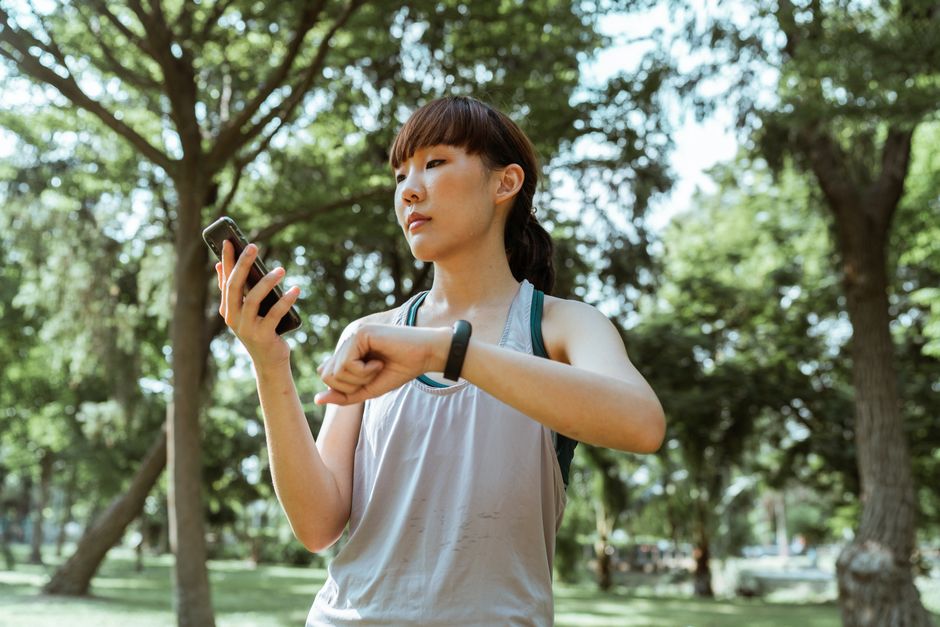
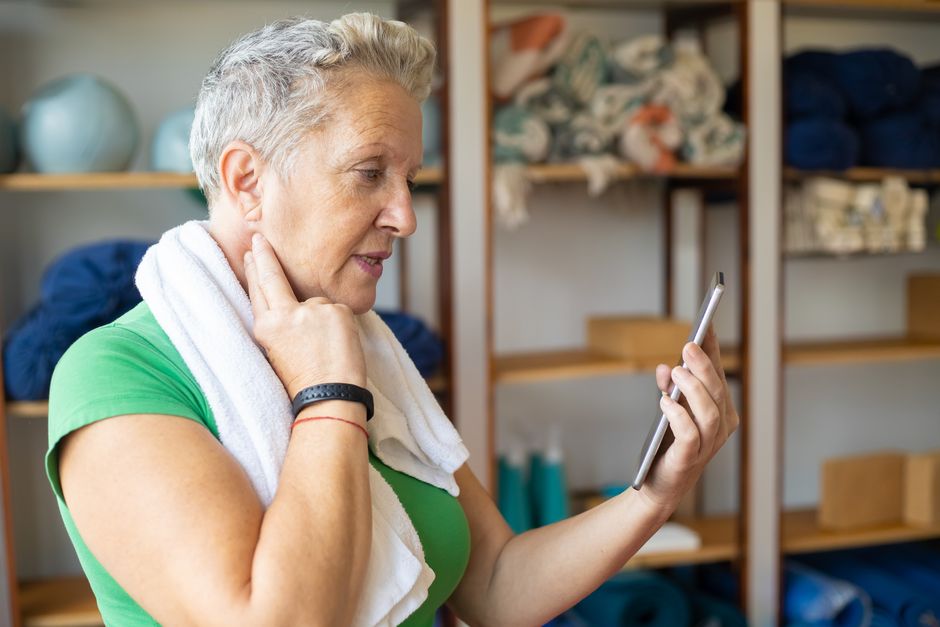
The gym floor at my local YMCA looked different this past spring. A 68-year-old woman I’ve been working with for two years showed up to our session holding her phone out like a winning lottery ticket. Her Garmin had flagged that her body battery score was low and suggested she ease off. She wanted to know: should she skip the deadlifts? That question, right there, is the conversation that barely anyone in the fitness industry is having out loud yet.
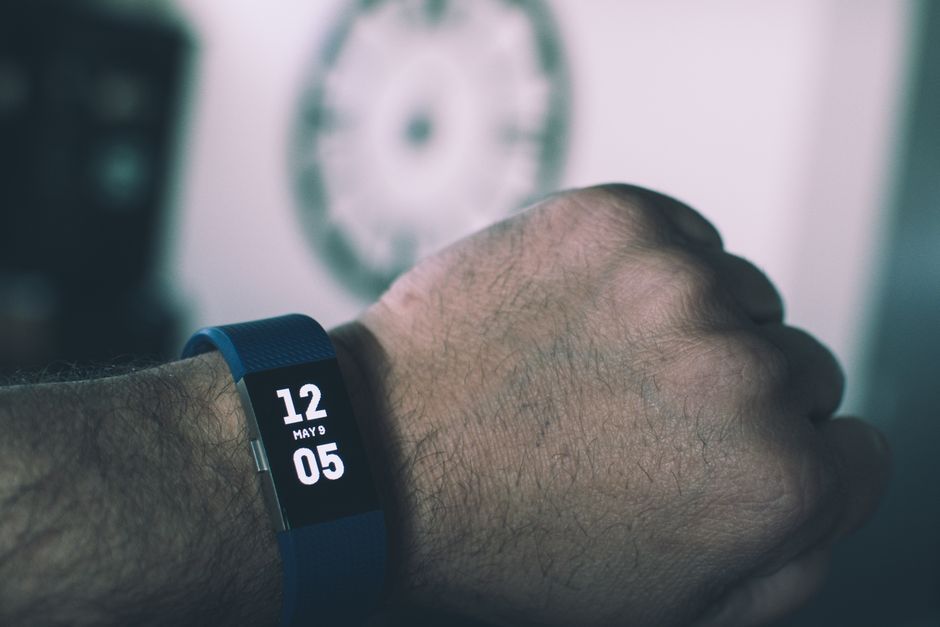
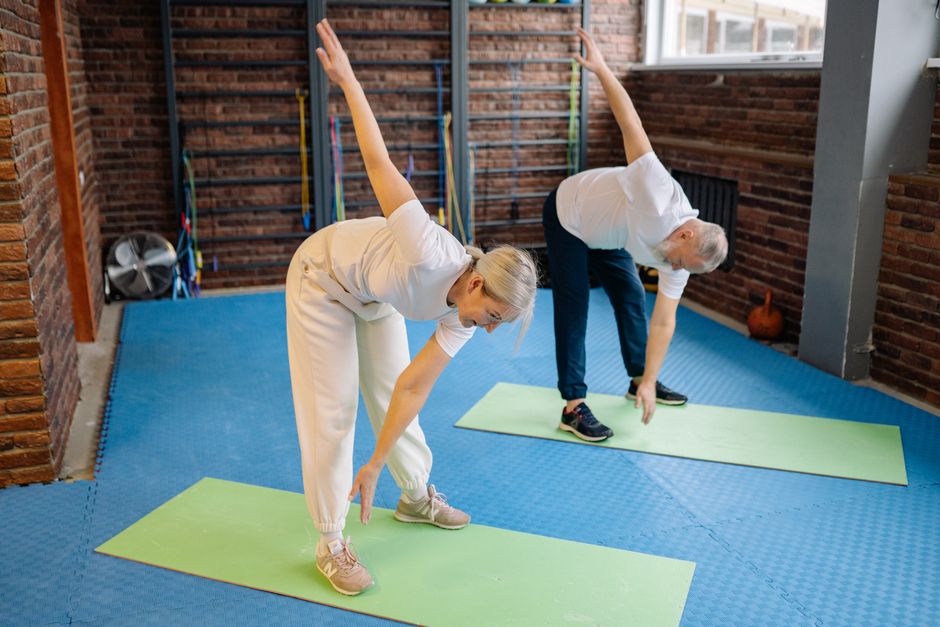
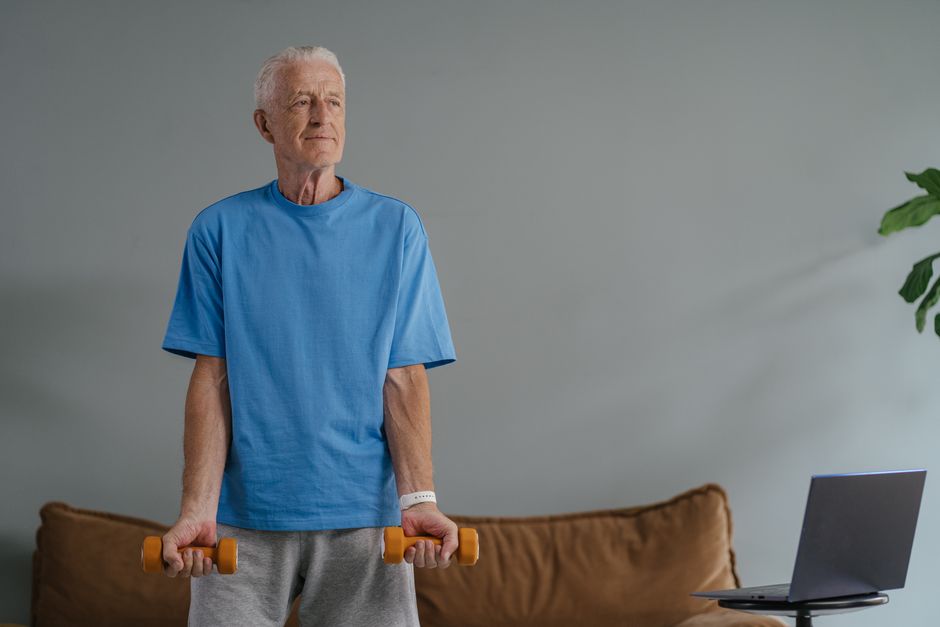
The American College of Sports Medicine dropped its 2026 Worldwide Fitness Trends report in July 2026, and the headline grabber was that Wearable Technology claimed the number one spot. Right behind it, at number two, the highest ranking it has ever received since the annual survey launched in 2006, was Fitness Programs for Older Adults. Two massive trends. Sitting right next to each other in the data. And yet the conversation about how they actually work together for people over 60, specifically for building strength and staying functional, is almost nonexistent. That gap is what I want to close here.
The timing matters. The ACSM report points out that the baby boomer generation includes 73 million Americans, all of whom will be over 65 by 2030. Meanwhile, a February 2026 University at Buffalo study, the largest of its kind, found that for women over 60, every 7-kilogram increase in grip strength was associated with a 12% lower mortality rate. Strength isn’t vanity for this population. It’s survival arithmetic.
- ACSM ranked Wearable Technology #1 and Fitness Programs for Older Adults #2 in its 2026 trends report.
- Women over 60 see a 12% lower mortality rate for every 7 kg increase in grip strength (University at Buffalo, 2026).
- Over 70% of wearable users already use device data to guide exercise or recovery decisions.
- Adults 65+ now visit gyms more frequently than any other age group, per 2023 IHRSA data.
- Programs labeled "functional" or "active aging" consistently outperform those marketed as "senior fitness" in participation.
The Real Problem With Generic Wearable Advice for Older Adults
Most wearable guidance online is written for people in their 30s training for a half marathon. Heart rate zones, VO2 max estimates, recovery scores, they’re calibrated by default toward younger, higher-output athletes. What most people don’t realize is that the physiological markers that matter most for someone over 60 doing strength work are genuinely different. Resting heart rate variability tends to be lower in older adults. Recovery windows after resistance training are longer. The cost of overtraining isn’t just a bad workout the next day. It can mean a fall, a strain, or a setback that takes months to undo.
I’ve seen clients in their late 60s push through every yellow-flag warning their device gave them because they felt fine in the moment. That’s not toughness. That’s a mismatch between the tool and the user. The good news is that the ACSM’s 2026 report specifically notes that exercise professionals can use wearable metrics to tailor intensity, assess readiness, and reduce overtraining risk. The data is there. It just needs the right interpretation.
What Wearables Can Actually Track That Matters for Strength Training
Here’s where it gets genuinely useful. More than 70% of wearable users already use their data to inform exercise or recovery strategies, according to the ACSM report. But for older adults doing functional strength work, certain metrics deserve more attention than others.
| Metric | Why It Matters Over 60 | Practical Use |
|---|---|---|
| Resting Heart Rate Variability (HRV) | Reflects nervous system recovery; declines with age and stress | Low HRV morning = reduce training load that day |
| Grip Strength (smart scale or dynamometer apps) | Directly linked to longevity outcomes | Track monthly as a progress marker |
| Resting Heart Rate trends | Elevated RHR often signals incomplete recovery | Flag sessions to modify if RHR is 5+ bpm above baseline |
| Step count and active minutes | Tracks non-exercise movement, which matters for metabolic health | Aim for consistency, not just gym days |
| Sleep score / sleep duration | Sleep is when muscle protein synthesis peaks | Poor sleep nights = scale back resistance load |
Grip strength deserves its own mention here. The University at Buffalo study from February 2026 is striking because it quantifies something trainers have known anecdotally for years: hand and forearm strength is a proxy for whole-body muscle quality. If your wearable ecosystem doesn’t include a grip tracker, a simple hand dynamometer (they run about $25 to $40) paired with a logging app fills that gap cheaply.
The Rebranding Shift You Might Have Already Noticed
If you’ve searched for fitness classes lately and found yourself seeing “functional movement,” “active aging,” or “low-intensity strength” instead of “senior fitness,” that’s deliberate. A 2024 industry report cited in the ACSM survey found that programs using those labels consistently attract more participants than programs explicitly called “senior fitness.” That might sound like marketing fluff, but it reflects something real: older adults don’t want to be sorted into a corner. They want to train. They just want to train smart.
Wearables fit that identity shift perfectly. Wearing a Garmin or an Apple Watch or a WHOOP band signals that you’re an athlete monitoring your performance. Not a patient managing decline. That psychological dimension is not trivial. I’ve watched clients become more consistent with training simply because the device gave them something to respond to, a number, a trend, a goal met. Engagement matters. If a $200 device keeps someone lifting twice a week for two years, it’s one of the better investments they’ll make for their health.
How to Actually Use the Data (Without Becoming a Data Obsessive)
The risk with wearables, especially for detail-oriented people, is getting so focused on the metrics that the training itself becomes secondary. Here’s a simple framework that I’ve found works well in practice.
Check three things before a strength session: your sleep score from the night before, your resting heart rate compared to your personal baseline, and how you feel getting out of bed. If two of the three are off, scale back. Not cancel, just scale. Reduce load by 20%, shorten the session, or swap a heavier compound movement for something lighter. If all three are off, that’s a rest or walk day. No guilt attached.
After sessions, use the recovery data to spot patterns over weeks, not days. One bad HRV morning means nothing. Six weeks of declining HRV alongside increasing training load means you need to talk to someone. A physical therapist, your primary care physician, or a certified trainer who works with older adults regularly. The ACSM report makes clear that wearables work best when they’re part of a supervised or at least informed exercise plan, not a replacement for professional guidance.
Adults 65 and older now visit gyms and studios more frequently than any other age group, according to 2023 IHRSA data cited in the ACSM report. That’s not a trend that came from nowhere. It came from people deciding that strength and function are worth protecting. Wearables, used thoughtfully and paired with real expertise, are finally giving that commitment a feedback loop it deserves.
Sources
- ACSM: The Future of Fitness , Top Trends for 2026 (July 2026)
- Athletech News: Wearables, Fitness for Older Adults Tipped as Top Fitness Trends for 2026 (January 6, 2026)
- Recreation Management: ACSM Announces Top Trends for 2026 (Late 2025 / January 2026)
- University at Buffalo: Study finds that for women over 60, muscle strength matters (February 23, 2026)
- Harvard Health: Stronger muscles after age 60 linked to longevity (2026)
Photo: Ketut Subiyanto via Pexels
This article is for general informational purposes only and does not constitute medical or fitness advice. Consult your physician or a licensed physical therapist before starting a new exercise program, especially if you have existing health conditions.