 Linda Chen
The fitness industry finally figured out that older adults are a serious market. The ACSM’s 2026 Worldwide Fitness Trends report ranked “Fitness Programs for Older Adults” at its highest position ever since the survey launched in 2006, with AI coaching and wearables cited as key drivers. So the tools are arriving. The question is whether anyone over 60 actually wants them.
A July 27, 2026 KWTX report cited a fresh AARP survey showing nearly 60% of adults 50 and older have zero interest in using AI for fitness. That’s not a rounding error. That’s the majority. Yet trainers are piloting AI-integrated classes for this exact demographic, researchers are publishing peer-reviewed studies on AI coach acceptance in older adults, and the industry is betting heavily that skepticism will soften. Someone’s going to be wrong.
This isn’t abstract. If you’re over 60 and trying to decide whether AI fitness tools are worth your time, or if you’re a trainer wondering why your older clients keep eyeing the exits during any tech conversation, this split matters right now.
- Nearly 60% of adults 50+ say they have zero interest in AI fitness tools, per a 2026 AARP survey.
- A 2026 NCBI qualitative study described older adults as "helpful but still hesitant" toward AI fitness coaches.
- AI fitness tools show real promise for fall prevention and posture correction in older adults.
- Acceptance of AI motivational messages dropped sharply when users knew AI had written them.
- A Central Texas trainer launched an AI-paired strength class in July 2026 specifically to lower the confidence barrier for adults 60+.
The Skepticism Is Rational, Not Technophobic
Dismissing the 60% as Luddites is lazy. Most of these adults have watched technology overpromise and underdeliver for decades. They remember fitness gadgets that collected dust. They also have higher stakes: a bad rep program at 35 gives you soreness; at 68 it can give you a herniated disc.
The 2026 NCBI qualitative study captured this well. Researchers described older adults as “ambivalent,” not opposed. The phrase “though helpful, still hesitant” is doing real work there. These aren’t people who’ve decided AI coaching is useless. They’re people who’ve decided that usefulness alone isn’t enough to override distrust, unfamiliarity, and the reasonable fear that a screen can’t actually see them the way a trained human can.
That’s a different problem than ignorance, and it needs a different solution.
What AI Coaching Actually Does (And Where It Falls Short)
The NCBI study outlines what current AI fitness coaches bring to the table: real-time feedback, posture recognition, and personalized recommendations based on movement data. For fall prevention and delaying physiological decline, researchers found these tools to be a genuinely viable option. That’s not marketing copy. That’s peer-reviewed language.
Posture recognition in particular is worth taking seriously. Many older adults have no idea their squat form is putting shear force on their knees, or that their shoulder is compensating for a rotator cuff that needs attention. A camera-based AI coach can flag that in real time at home, with no appointment needed.
The gaps are real, though. AI can’t palpate a muscle. It can’t notice that you winced when you shifted your weight, or ask why you seem more fatigued than last Tuesday. It doesn’t know about the hip replacement you had eighteen months ago unless you’ve told it, and even then, its ability to adapt is only as good as its training data. For anyone managing chronic conditions or recent injury, a human professional stays in the picture. Consult your physician or physical therapist before adding any new training program, AI-assisted or otherwise.
The Trust Problem Isn’t About AI. It’s About Authorship.
A May 2026 ConsumerAffairs report on a new study found that older adults rated AI-generated motivational text messages as appropriate and high quality. Good news for AI, right? Except acceptance dropped noticeably once participants learned AI had written the messages. Same words. Lower trust.
This tells you something important: the issue isn’t quality. It’s transparency and source. Older adults don’t want to feel managed by a system. They want to feel seen by a person. That’s a values question, not a competence question, and technology doesn’t resolve it by getting better at mimicking human warmth.
The implication for trainers is practical. Framing AI as a tool you’re using on their behalf lands differently than framing it as their coach. The former preserves the human relationship. The latter asks them to transfer trust to a platform they didn’t choose and can’t read.
Who’s Actually Piloting This, and How
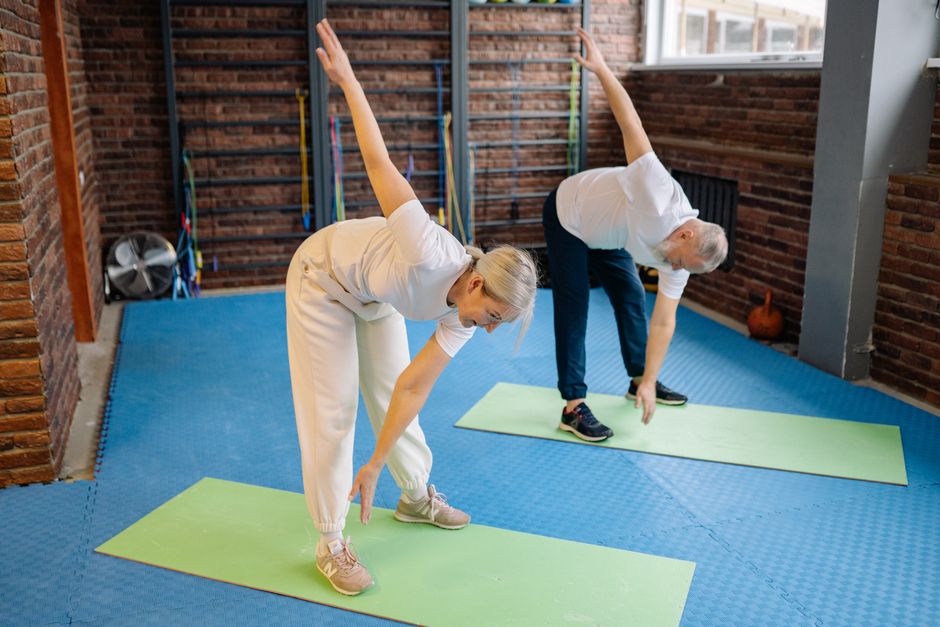
Randal Moos, a certified trainer in Central Texas, launched a class in late July 2026 that pairs strength training with AI education specifically for adults over 60. The goal isn’t to replace instruction with an app. It’s to lower the confidence barrier that keeps older adults out of gyms entirely. Teaching people what AI fitness tools do, and more importantly what they don’t do, is a reasonable first step toward honest adoption.
That model is worth watching. Pairing AI literacy with physical training treats skepticism as a starting point rather than a problem to overcome. It also lets older adults make informed decisions rather than being nudged toward adoption through optimistic marketing.
Here’s a quick look at how the major stakeholder groups currently sit on this issue:
| Group | Current Position | Primary Concern |
|---|---|---|
| Older adults (50+) | ~60% not interested (AARP 2026) | Trust, relevance, safety |
| Researchers | Cautiously positive; “ambivalent acceptance” | Evidence base still building |
| Trainers/coaches | Actively piloting hybrid models | Client comfort and liability |
| Fitness industry (ACSM) | Bullish; top trend for 2026 | Adoption speed and scale |
The distance between the industry’s enthusiasm and the consumer’s response is the story. Closing that gap will take more than better apps.
What Should Actually Change
The technology isn’t the bottleneck. Posture recognition and real-time feedback are already functional. The bottleneck is the relationship between older adults and the systems offering these tools, and that relationship is built on transparency, gradual exposure, and honest acknowledgment of what AI can’t do.
Programs like Moos’s Central Texas class point in the right direction: meet people where they are, don’t oversell, and make the technology legible rather than impressive. The ACSM’s optimism about AI coaching as a trend driver is probably right in the long run. But the 60% who said no aren’t going to be argued into yes. They’re going to be shown, gradually and honestly, something worth trying.
Sources
- Aging Stronger: New Class Helps Seniors Build Strength and Confidence with Training and AI (KWTX) (published July 27, 2026)
- ‘Though helpful, still hesitant’: TAM-based qualitative study on older adults’ ambivalent acceptance of AI fitness coaches (NCBI/PMC) (published 2026)
- Your Next Fitness Coach Could Be AI , And It Might Fit in Your Pocket (ConsumerAffairs) (published May 8, 2026)
- Wearables, Fitness for Older Adults Tipped as Top Fitness Trends for 2026 , ACSM Report (Athletech News) (published January 6, 2026)
Photo: Anna Shvets via Pexels
This article is for general informational purposes only and does not constitute medical or fitness advice. Consult your physician or a licensed physical therapist before starting a new exercise program, especially if you have existing health conditions.