 James Cooper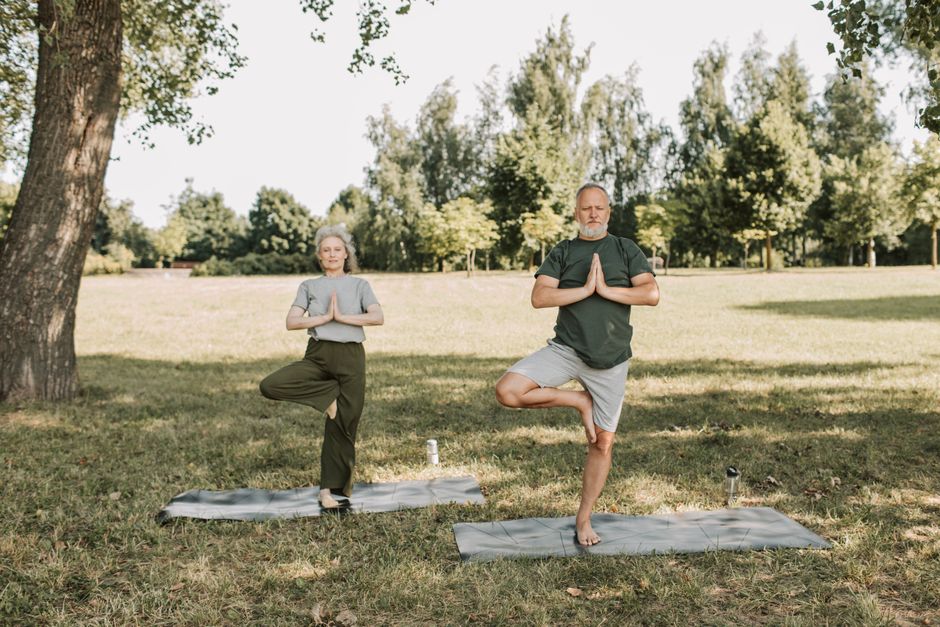
When Simple Tasks Start Feeling Risky
You reach for something on a high shelf and suddenly the world wobbles. Getting up from a chair takes more effort than it used to. That’s not your imagination. Balance problems rank as one of the most common complaints I hear from people over 60, and the first step to fixing it is understanding what’s actually going wrong.
Here’s the good news: most balance issues aren’t just “that’s what happens when you get old.” Many causes are treatable. With the right approach, you can feel steadier and more confident every day.
The Body Systems That Keep You Upright
Photo by Age Cymru on Unsplash
Balance doesn’t come from one thing. Your body uses three separate systems that have to work together.
- Vision: Your eyes report where you are in space.
- Inner ear (vestibular system): Tiny fluid-filled canals detect motion and head position.
- Proprioception: Sensors in your muscles and joints tell your brain how your body is positioned.
When one of these systems weakens, which happens naturally with age, your balance suffers. When two or three go at the same time, fall risk shoots up significantly.
The Most Common Reasons Seniors Lose Their Balance
How to Improve Balance | Senior Exercises for Balance · Yes2Next on YouTube
Photo by Diana Light on Unsplash
It’s almost never just one thing. Most older adults dealing with unsteadiness have several contributing factors stacked together.
Muscle Weakness and Loss of Core Strength
After age 50, you lose roughly 1 to 2 percent of muscle mass every year. That’s called sarcopenia, and it hits balance hard. Weak legs and a weak core make it almost impossible to catch yourself when you stumble.
Your hips, thighs, and ankles matter most. When these muscles can’t react fast enough, a minor wobble becomes a serious fall.
Inner Ear Changes and Vestibular Disorders
The vestibular system naturally declines with age. One common problem is benign paroxysmal positional vertigo (BPPV), where tiny calcium crystals shift out of place in your inner ear and trigger sudden, disorienting dizziness.
BPPV is actually very common in older adults. And here’s the thing: it’s highly treatable. A physical therapist can perform something called the Epley maneuver, which is just a series of specific head movements. It works quickly.
Medication Side Effects
This one catches people off guard. Certain medications, especially combinations of them, are a leading cause of dizziness and falls in seniors. These drugs commonly cause problems with balance:
- Blood pressure medications (can drop your pressure too fast when you stand)
- Sedatives and sleep aids
- Antidepressants and anti-anxiety medications
- Diuretics (water pills)
- Some antihistamines
Did you start a new medication recently and feel less steady? Tell your doctor. Don’t stop taking anything on your own, but a medication review can sometimes change everything.
Vision Problems
Your eyes provide about 20 percent of the information your brain needs for balance. Age-related changes like cataracts, glaucoma, and macular degeneration make it harder to judge distances and spot changes in the ground surface.
Something simple like an updated eyeglass prescription or cataract surgery has been proven to significantly reduce fall risk.
Neuropathy and Joint Problems
Peripheral neuropathy, often caused by diabetes or vitamin B12 deficiency, damages the nerves in your feet and lower legs. When you can’t feel the ground, your brain loses critical balance information.
Arthritis in the knees, hips, and ankles limits the range of motion you need for quick balance corrections. Pain itself makes people move carefully, which can actually make unsteadiness worse.
Lifestyle Factors That Make Balance Worse
Photo by TSquared Lab on Unsplash
Medical causes are one thing. But everyday habits chip away at your stability in ways most people never think about.
- Sedentary lifestyle: The less you move, the faster you lose the muscle and coordination needed for balance.
- Dehydration: Even mild dehydration causes lightheadedness and dizziness, especially when standing up.
- Poor footwear: Worn-out soles, high heels, or loose slippers are among the most common tripping hazards.
- Alcohol consumption: Even small amounts affect the cerebellum, the part of your brain that controls coordination.
- Fear of falling: Ironically, the fear itself causes people to stiffen up and shuffle, which actually increases fall risk.
Pro Tip: Check your footwear right now. Shoes with a firm, non-slip sole, a low heel, and a snug fit around the ankle work dramatically better than slippers or worn sneakers. This single change can make a noticeable difference within days.
Practical Fixes That Really Work
The most important thing to know is this: balance can be improved at any age. Research shows that targeted exercise is the single most effective way to reduce fall risk. But it’s not the only answer.
Balance and Strength Training Exercises
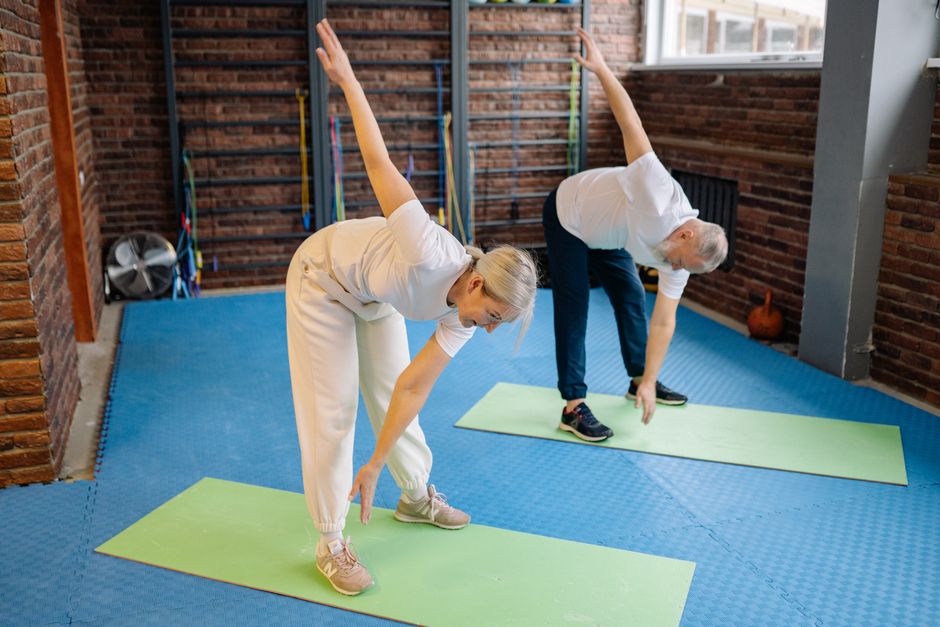
Simple exercises done consistently retrain your nervous system and strengthen the muscles keeping you steady. Try these:
- Single-leg stand: Hold a countertop and stand on one foot for 10 to 30 seconds.
- Heel-to-toe walking: Walk in a straight line placing one foot directly in front of the other.
- Sit-to-stand exercises: Rising from a chair without using your hands builds leg and hip strength.
- Tai Chi: Multiple studies show Tai Chi reduces falls by up to 45 percent in older adults.
Aim for at least two to three balance-focused sessions per week. Even 10 minutes a day leads to meaningful improvement over time.
Home Safety Modifications
Your environment matters as much as your physical fitness. A few simple changes remove the hazards that cause most falls.
- Install grab bars in the shower and beside the toilet
- Remove loose rugs or secure them with non-slip tape
- Improve lighting in hallways and staircases
- Keep frequently used items at waist height
- Use a nightlight between the bedroom and bathroom
Talking to Your Doctor
If you’ve noticed increasing unsteadiness, don’t just accept it as normal aging. Ask your doctor for a fall risk assessment. Ask for a medication review. Request a referral to a physical therapist who specializes in vestibular rehabilitation.
Blood tests can identify treatable problems like low vitamin D, vitamin B12 deficiency, or thyroid issues, all of which affect balance and coordination.
You Have More Control Than You Think
Balance decline is common. It’s not inevitable. The combination of regular exercise, a safe home environment, proper footwear, good hydration, and medical awareness gives you powerful tools to stay steady and active.
Thousands of older adults have significantly improved their balance in just a few months by making these changes. Start small, stay consistent, and ask your healthcare team for help.
Sources
Disclosure: As an Amazon Associate, we earn a small commission from qualifying purchases at no extra cost to you. We only recommend products that genuinely support the topics covered in this article.
- Nutramax Cosequin Senior Dog Soft Chews (60ct) (~$32), Senior-specific Cosequin formula with added Omega-3s, designed for aging dogs with joint and immune health needs.
- Nutramax Cosequin DS Joint Supplement for Dogs (132ct) (~$36), The #1 veterinarian-recommended joint supplement brand, clinically studied for reducing joint pain in dogs.