 Dr. Patricia Williams
Most coverage of this study led with “grip strength predicts longevity” and then offered some vague advice about squeezing a stress ball. That misses the point almost completely. The research published in JAMA Network Open on February 13, 2026 is more specific, more rigorous, and more actionable than the headlines suggested , and if you’re over 60, it deserves more than a skim.
The University at Buffalo tracked 5,400 women aged 63 to 99 over eight years using accelerometers, not self-reported surveys. That distinction matters. Self-reported activity data is notoriously optimistic. Accelerometers measure what your body actually does. The result: women with the highest grip strength had a 33% lower risk of death than those with the lowest. Every 7 kg increase in grip strength corresponded to roughly a 12% drop in mortality risk. Faster chair-stand times, a proxy for leg strength, were linked to a 4% lower mortality rate per 6-second improvement.
These are not marginal numbers dressed up with statistical spin. They’re substantial, consistent, and , critically , they held even among women who weren’t meeting the standard 150-minutes-per-week aerobic exercise guidelines. Cardio didn’t explain away the benefit. Strength was doing something independent.
Why Grip Strength Is a Proxy, Not the Point
Squeezing harder won’t save your life. Let’s clear that up immediately.
Grip strength works as a biomarker because it correlates tightly with total-body skeletal muscle mass, neuromuscular function, and the kind of systemic resilience that predicts how well your body handles illness, surgery, and metabolic stress. A strong grip reflects a body that has been asked to produce force repeatedly over time. It’s a readout, not a cause.
Think of it like resting heart rate. A cardiologist who sees a resting heart rate of 52 bpm isn’t impressed by the number itself; they’re impressed by what produced it. Grip strength works the same way. A 70-year-old woman who scores in the top quartile on a hand dynamometer test almost certainly has better muscle quality, bone density, and functional reserve than one who scores in the bottom quartile. The grip reading is just the visible tip of that iceberg.
This is why the University at Buffalo researchers used chair-stand speed as a second marker. Leg strength and grip strength together paint a fuller picture of whole-body muscular capacity. Per the University at Buffalo’s own release, the goal is identifying women who may be at elevated mortality risk through simple, accessible screening , not prescribing a hand-squeeze routine.
What the Cardio Finding Actually Changes
For decades, the exercise prescription for older adults leaned heavily on aerobic activity. Walk more. Get your heart rate up. Hit 150 minutes a week. That advice isn’t wrong, but this study chips at its primacy in a meaningful way.
The longevity benefit of grip strength persisted independently of whether women met aerobic guidelines. That’s a significant finding. It doesn’t mean cardio is irrelevant , cardiovascular fitness remains one of the strongest predictors of health outcomes across the board. What it means is that strength training has been systematically underprioritized, and the consequences of that gap show up in survival data.
The American College of Sports Medicine’s 2026 Worldwide Fitness Trends report, based on a survey of 2,000 clinicians and exercise professionals, ranks fitness programs for older adults among the highest positions the category has held since the report launched in 2006. The specific emphasis this cycle is on functional strength and independence. Clinicians are catching up to what this research confirms: aerobic fitness and muscular strength are complementary, not competing, priorities. Treating them as an either/or is where a lot of older adults go wrong.
The Test You Can Do Right Now
| Age Group | Gender | Healthy Grip Strength Threshold | Chair-Stand Test (30 sec) |
|---|---|---|---|
| 60s | Women | Above 20 kg | 11+ repetitions |
| 60s | Men | Above 35 kg | - |
| 65+ | Women | - | 11+ repetitions |
| 65+ | Women | - | Below 8 reps = physician discussion |
| 65+ | Unspecified | - | Fewer than 8 = flag for discussion |
A hand dynamometer is the clinical standard and costs roughly $30 to $50 online. Squeeze three times with your dominant hand, rest 60 seconds between attempts, and average the results. General reference ranges put healthy grip strength for women in their 60s somewhere above 20 kg, though normative data varies by body size and the specific device used. Men in the same age group typically aim above 35 kg, though the February 2026 study focused exclusively on women.
No dynamometer? The chair-stand test costs nothing. Sit in a standard chair, arms crossed over your chest, and count how many times you can stand fully upright and sit back down in 30 seconds. Fewer than 11 repetitions for women over 65 suggests below-average leg strength and warrants attention. Fewer than 8 is a flag worth discussing with a physician or physical therapist.
As ScienceDaily noted on May 11, 2026, the appeal of these tests is exactly this accessibility. No lab, no expensive equipment, no athletic background required. You can track meaningful data about your own functional trajectory at home.
That said, a single measurement tells you little. What matters is whether your numbers are stable, improving, or declining over months and years. Trending downward in your late 60s is information. Catching it early gives you options.
How to Actually Move the Needle
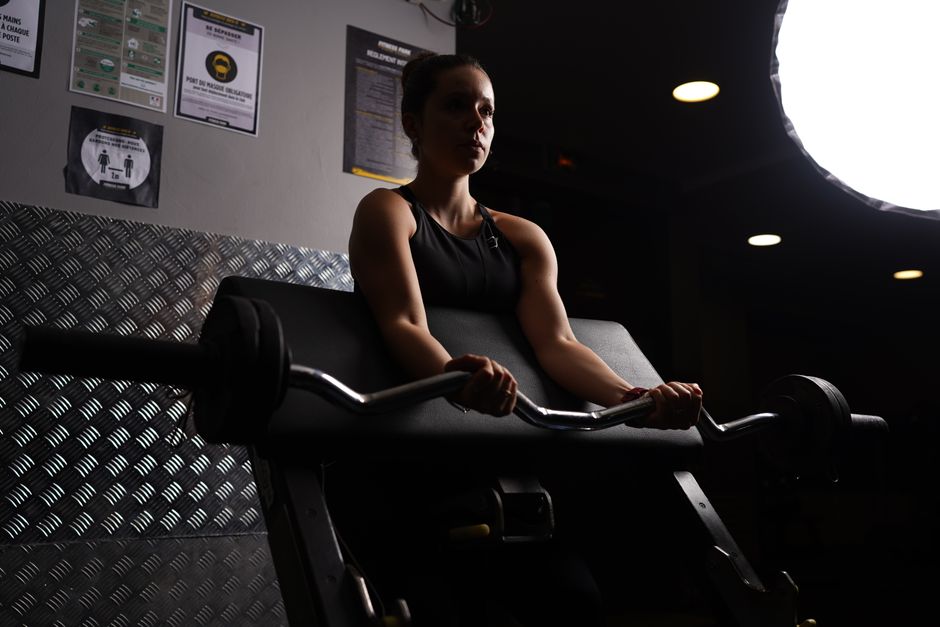
Grip strength improves with the same training that improves general muscular strength, not with isolation exercises. Farmers carries, deadlifts from a rack, rows, lat pulldowns, and any loaded carry or pulling movement will develop grip as a byproduct of building the back, shoulders, and arms. Dedicated grip work like towel pull-ups or thick-bar training adds to this but isn’t necessary to start.
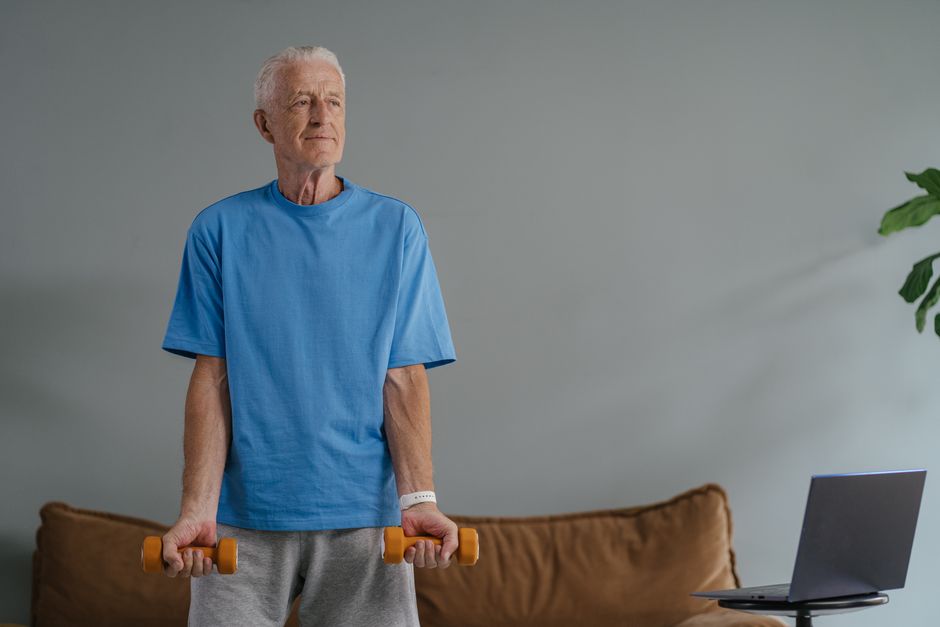
For leg strength, the chair-stand test essentially measures the same capacity as a goblet squat or a leg press. Progressive resistance, meaning you gradually increase load or difficulty over time, is what produces adaptation. Bodyweight squats have a ceiling. At some point, you need external load to keep making gains, even if that load is a pair of 15-pound dumbbells held at your sides.
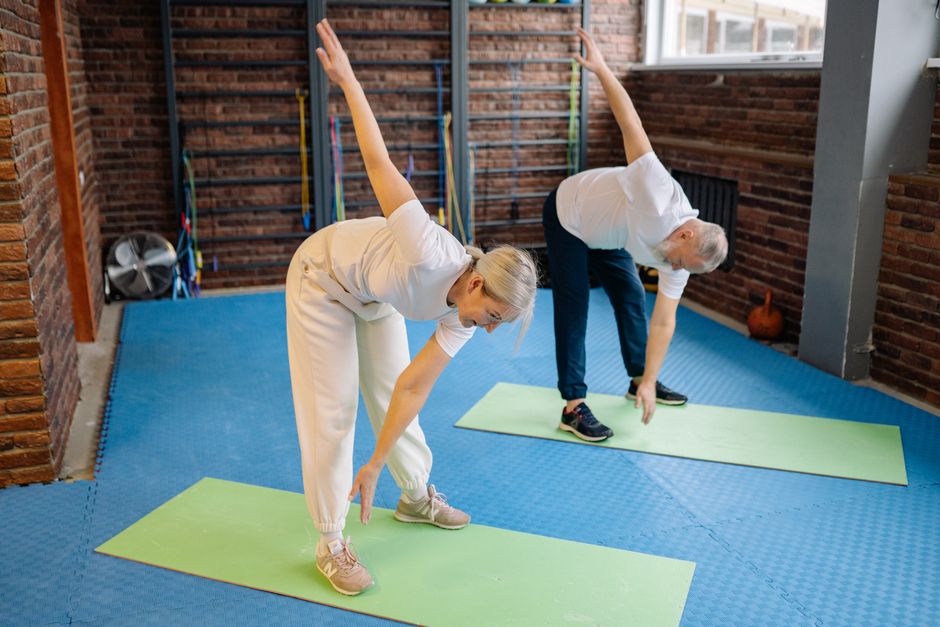
The word “progressive” is where most over-60 programs fall short. Gentle stretching classes and light resistance bands have their place in rehabilitation, but they don’t build the kind of muscular strength this research is measuring. There’s a difference between maintaining function and building capacity, and the second one requires more than most people are comfortable prescribing for older adults.
Two sessions of resistance training per week is the minimum dose supported by research for meaningful strength adaptation. Three is better. Sessions don’t need to be long , 40 minutes of focused work is enough. What they do need is genuine effort: sets that finish close to the point where another clean repetition wouldn’t be possible.
Anyone new to resistance training, or returning after a long break, should start with professional guidance. A certified trainer with experience in older adult populations, or a physical therapist if structural limitations are involved, can prevent the compensations and injuries that derail progress before it starts.
The February 2026 findings aren’t a reason to panic about your grip. They’re a reason to treat strength training with the same seriousness most people already give to their cardio. The data is clear that one without the other leaves something real on the table.
Sources
- JAMA Network Open, Muscular Strength and Mortality in Women Aged 63 to 99 Years (February 13, 2026)
- University at Buffalo, Study finds that for women over 60, muscle strength matters (February 23, 2026)
- Super Age, Two Strength Tests That Predict Longevity (March 10, 2026)
- ScienceDaily, This simple strength test could predict how long you live (May 11, 2026)
- ACSM, The Future of Fitness: ACSM Announces Top Trends for 2026 (November 2025, highlighted May 2026)
Photo: RDNE Stock project via Pexels
This article is for general informational purposes only and does not constitute medical or fitness advice. Consult your physician or a licensed physical therapist before starting a new exercise program, especially if you have existing health conditions.