 Linda Chen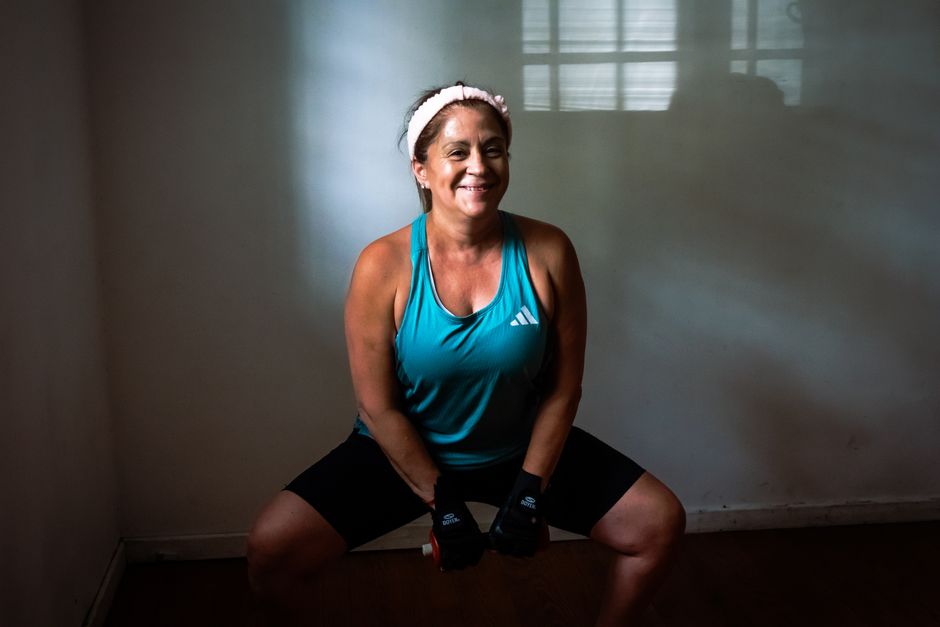
If you’ve been putting off strength training because you weren’t sure where to start, or because the advice you’ve seen felt designed for someone half your age, March 2026 brought some genuinely good news. On March 16, the American College of Sports Medicine released its first major resistance training guidelines update in 17 years, pulling together 137 systematic reviews and data from more than 30,000 people. The result is a document that, quietly and without much fanfare in mainstream health media, changes a lot of what we thought we knew about how older adults should approach strength work. Here’s what it actually means for you.
You might be wondering why a guidelines update from a professional organization matters to your Tuesday morning routine. It matters because these documents shape what trainers, physical therapists, and physicians recommend. And this particular update shifts some foundational assumptions in ways that are especially relevant after 60. The old guidelines, last updated in 2009, leaned heavily on percentage-based intensity prescriptions, things like “lift at 70% of your one-rep maximum.” That sounds precise. In practice, for someone returning to exercise after a health event, or starting strength training for the first time at 67, figuring out a one-rep maximum is often impractical, intimidating, and potentially risky.
- The ACSM's March 2026 update is the first resistance training overhaul since 2009, based on 137 systematic reviews.
- "Reps in Reserve" replaces rigid percentage-of-max prescriptions, making intensity self-regulated and safer for beginners.
- Bodyweight and resistance band routines are now formally confirmed to produce meaningful strength and function gains.
- Strength training after 60 specifically improves walking speed, balance, and chair-rise ability per the new guidelines.
- Adults 65+ now visit gyms and studios more frequently than any other age group, per ACSM's 2026 trends data.
The Biggest Shift: Effort Over Exact Weight
The headline change in these guidelines is the move to what researchers call Reps in Reserve, or RIR. The concept is straightforward: instead of calculating a precise percentage of your maximum lift, you gauge how many more reps you could have done at the end of a set. Two reps in reserve means you stopped when you had about two left in the tank. Three or four means you worked hard but weren’t near your limit.
Here’s what I tell people when I introduce this: it’s not a looser standard. It’s a smarter one. RIR naturally accounts for the fact that your capacity varies day to day, something that’s especially true after 60 when fatigue, sleep, and inflammation can shift your baseline meaningfully. A fixed weight on the bar doesn’t know you slept poorly. RIR does, because you do.
The guidelines also confirmed something that trainers who work with older adults have long observed: training to absolute muscle failure didn’t consistently outperform simply working with good effort and consistency. According to the 2 Minute Medicine analysis of the guidelines from March 26, 2026, elaborate periodization schemes and failure-based training showed no reliable advantage over straightforward, compound-movement routines for general healthy adults. That’s a significant simplification, and it removes a barrier that has kept a lot of people on the sidelines.
Equipment Doesn’t Need to Be the Reason You Wait
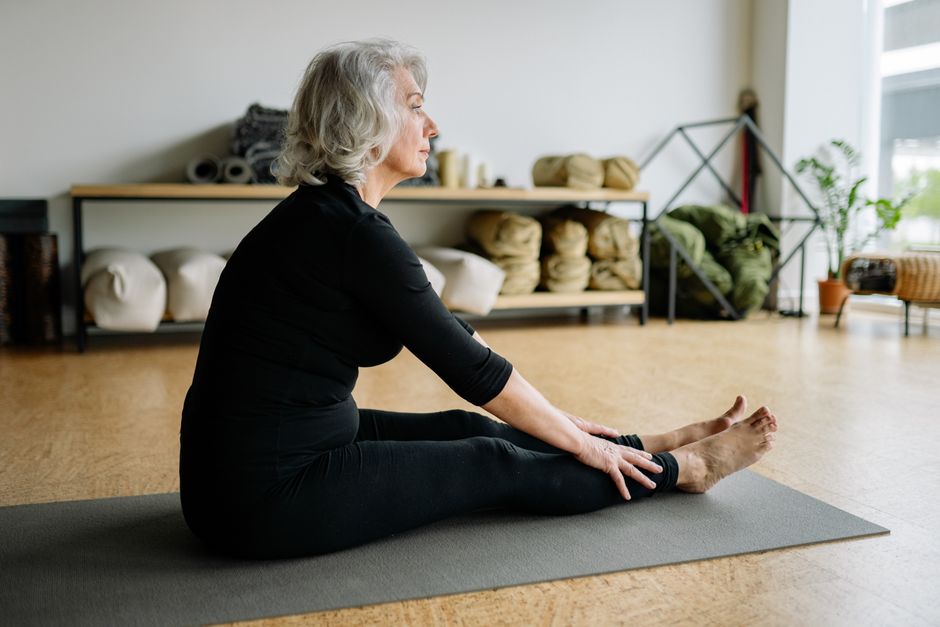
You don’t need a gym. The new guidelines formally confirm that bodyweight exercises, resistance bands, and home-based routines produce meaningful improvements in strength and physical function. That’s not a consolation prize for people who can’t afford a membership. That’s evidence-based guidance based on data from tens of thousands of participants.
| Training Setting | Equipment Needed | Validated for Strength Gains | Validated for Function Gains |
|---|---|---|---|
| Commercial gym | Machines, free weights | Yes | Yes |
| Home gym | Dumbbells, bands | Yes | Yes |
| Home, no equipment | Bodyweight only | Yes | Yes |
This matters because access has always been one of the real barriers, not motivation, not willingness. If a $60 set of resistance bands and a kitchen chair gets you started, the ACSM is now squarely behind that decision.
What “Strength Gains” Actually Look Like After 60
The practical outcomes the guidelines highlight for older adults are worth slowing down on. This isn’t about aesthetics or athletic performance. The research specifically identifies improvements in walking speed, balance, and the ability to rise from a chair without assistance. These are independence markers. They are the difference between living in your own home on your own terms and not.
The guidelines also push back on a fatalistic assumption I hear frequently: that it’s too late to start. Meaningful gains are achievable even for late starters. That phrase appears in the research because the data backs it up. Adults who begin resistance training in their 70s and 80s show measurable improvements in muscle strength and physical function. The adaptations may come a bit more slowly, and the programming needs to account for recovery time, but the capacity is real.
This is why, if you’re working with a doctor or physical therapist, now is a good time to bring these updated guidelines into that conversation. Your provider may still be operating on older assumptions about what’s appropriate for you. The March 2026 update gives you something concrete to point to.
The Cultural Moment Is Real, Too
It’s not just the science shifting. ACSM’s 2026 Worldwide Fitness Trends report ranked fitness programs for older adults at number two overall, and industry data shows adults 65 and older now visit gyms and studios more frequently than any other age group. That’s a demographic reality that fitness facilities are starting to organize around. More classes, more qualified instructors, more programming designed with your body in mind.
This doesn’t mean every gym is doing it well. It means there’s more opportunity now than there was five years ago to find something that fits. And the new guidelines give trainers a better framework for working with you, less guesswork, more individualized effort-based progression.
The simplification at the center of these guidelines, the reduction of complexity, the validation of accessible tools, the focus on functional outcomes rather than performance metrics, is not a lowering of the bar. It’s an honest acknowledgment of what actually works for most people most of the time. Consistency with reasonable effort beats complexity you’ll abandon after three weeks. Starting where you are, with what you have, is no longer a compromise. According to the ACSM, it’s the recommendation.
Sources
- ACSM Unveils Landmark 2026 Resistance Training Guidelines , First Update in 17 Years (published March 17, 2026)
- Landmark ACSM/McMaster Guidelines Simplify Resistance Training for Longevity | 2 Minute Medicine (published March 26, 2026)
- ACSM Strength Training Guidelines: 2026 Update Explained | Body Muscle Matters (published June 2026)
- New ACSM Resistance Training Guidelines 2026 | Defiance Health (published July 2026)
- The Future of Fitness: ACSM Announces Top Trends for 2026 (published July 2026)
- New ACSM Resistance Training Guidelines 2026: A Game-Changer After 17 Years | BrainSavers (published May 20, 2026)
Photo: Kari Alfonso via Pexels
This article is for general informational purposes only and does not constitute medical or fitness advice. Consult your physician or a licensed physical therapist before starting a new exercise program, especially if you have existing health conditions.