 Helen Santos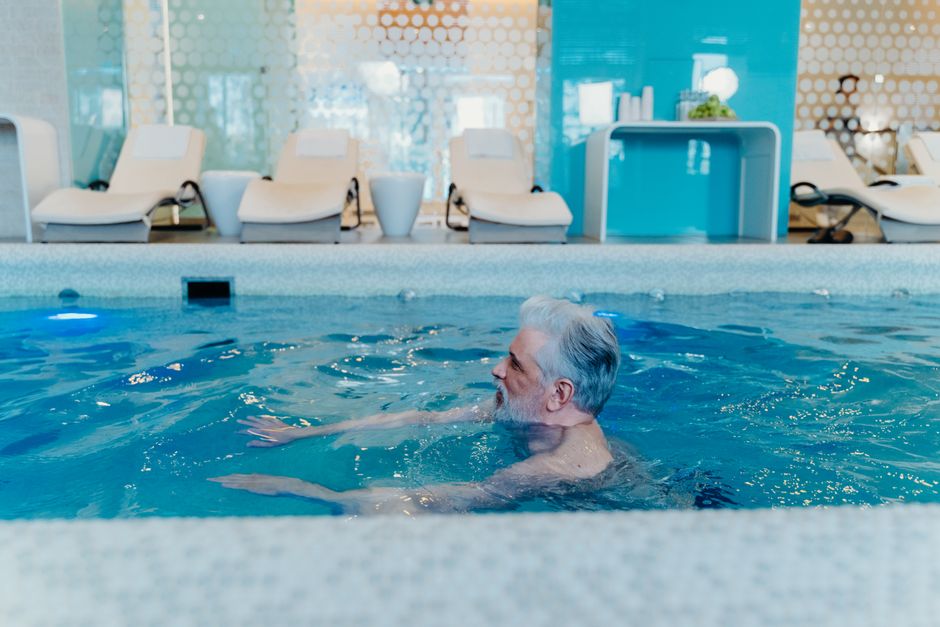
Picture this: your doctor tells you to “stay active” after a knee replacement, a flare-up of arthritis, or a fall that shook your confidence more than it hurt your body. You want to exercise. You know you need to. But every option you can think of either hurts your joints, scares you with its fall risk, or feels like it was designed for someone thirty years younger. Then somebody mentions the pool. Maybe you dismiss it. Water aerobics sounds like gentle bobbing around with foam noodles, not a real workout. I’ve heard that from dozens of clients, and almost every single one of them changed their mind within two weeks of actually getting in the water.
Here’s what most people don’t expect: water aerobics is genuinely one of the most effective training environments that exists for adults over 60. Not because it’s easy. Because it’s smart. The water doesn’t just reduce impact on sore joints. It actively provides resistance in every direction, improves proprioception, and creates a forgiving environment where a stumble doesn’t end in a fracture. Let’s get into what actually works, how to do it safely, and why you might finally find yourself looking forward to exercise again.
Why Water Is a Different Kind of Training Environment
Most people understand that water is easier on joints. What most people don’t realize is why, and that understanding changes how you approach these workouts.
When you’re submerged to your chest, your body bears roughly 25 to 35 percent of its normal weight. Go waist-deep and it’s closer to 50 percent. That’s not just comfortable padding. It’s a physiologically meaningful reduction in ground reaction force, which is the load traveling up through your ankles, knees, hips, and spine every time your foot meets a surface. For someone with osteoarthritis, spinal stenosis, or post-surgical joints, this isn’t a luxury. It’s what makes movement possible again.
Water also provides resistance proportional to effort. Push your arm slowly through the water and you feel a gentle tug. Push it fast and you’re working significantly harder. That’s called hydrostatic drag, and it makes water a built-in progressive resistance system. You don’t need to change weights. You change speed. Excellent news if the idea of managing dumbbells or resistance bands feels like one more complicated thing to figure out.
Then there’s buoyancy’s effect on balance training. One of the biggest barriers to balance work for older adults is fear. Fear of falling during the exercise itself. In the water, that fear dissolves, sometimes literally on day one. I’ve worked with clients who hadn’t practiced single-leg standing in years because they were terrified of tipping. In chest-deep water, they could do it without hesitation. And that neurological work, training your body to manage weight shifts and correct itself mid-movement, transfers to your daily life on dry land.
The Core Exercises Worth Your Time
Not all pool exercises are created equal. Here are the movements I consistently recommend, because they target the things that matter most for functional independence: leg strength, balance, core stability, and cardiovascular endurance.
Water Walking and High Knees Don’t underestimate this one. Walking forward and backward in chest-deep water forces your core to stabilize with each step and builds hip flexor strength that translates directly to stair climbing and getting up from chairs. High knees, lifting each knee to hip height while walking, add hip mobility and challenge your balance in a controlled way. Aim for 5 to 10 minutes as part of your warm-up or use it as active recovery between harder sets.
Flutter Kicks with Noodle Support Grip a foam noodle across your chest, lean forward, and kick from your hips with straight-ish knees. This is outstanding for glute activation and hip extension, two areas that weaken with age and sitting and directly affect your ability to walk without shuffling. It also gets your heart rate up without any impact.
Leg Swings (Forward, Back, and Side) Stand near the pool wall with one hand lightly touching for reference only, not gripping for dear life. Swing one leg forward and back in a controlled pendulum motion, then switch to side-to-side. Do 15 repetitions in each direction per leg. This builds hip abductor and adductor strength, which is critical for lateral stability and fall prevention. I’ve seen this single exercise make a noticeable difference in how clients walk within six weeks.
Wall Push-Offs with Squat Stand with your back about two feet from the pool wall. Lower into a squat, then push off the wall and take two or three steps forward. The resistance of moving through water on the way back builds leg power, and the squat itself targets quads and glutes in a low-impact way. This is more demanding than it looks, so start with 8 repetitions and build from there.
Arm Circles and Cross-Body Pulls Submerge your arms to shoulder depth. Make large, slow circles forward and backward. Then cross one arm across your body against water resistance and return. These build rotator cuff strength and shoulder mobility without the joint compression that overhead pressing can cause on land.
Vertical Flutter Boards Hold a kickboard vertically in front of you and push it down, pull it up, push it side to side. The resistance shifts constantly, forcing your core to respond. This is sneaky-effective core work that doesn’t require any crunching or spinal flexion.
A Sample Beginner Workout to Start This Week
Single BEST Exercise to Improve BALANCE in Seniors · Tim Fraticelli - PTProgress on YouTube
This session is designed for someone just entering water aerobics or returning after a long break. It assumes chest-deep water and pool access. Always consult your doctor or physical therapist before beginning a new exercise program, especially if you have cardiovascular conditions, a recent surgery, or balance impairment that requires medical supervision.
| Phase | Exercise | Duration / Reps | Notes |
|---|---|---|---|
| Warm-Up | Water walking (forward + backward) | 5 minutes | Slow, comfortable pace |
| Warm-Up | Gentle arm circles | 2 minutes | Both directions |
| Main Set | High knees walking | 3 x 1 minute | Rest 30 seconds between sets |
| Main Set | Wall-supported leg swings (all directions) | 15 reps x 3 directions, each leg | Light touch on wall only |
| Main Set | Flutter kicks with noodle | 3 x 45 seconds | Focus on hip drive, not knee bend |
| Main Set | Wall push-off squats | 3 x 8 reps | Rest fully between sets |
| Main Set | Cross-body arm pulls | 2 x 15 reps per arm | Slow and controlled |
| Cool-Down | Easy water walking | 3 minutes | Reduce pace gradually |
| Cool-Down | Standing calf raises at wall | 2 x 15 | Gentle, hold at top |
Total time: approximately 35 to 40 minutes. Three sessions per week is a solid starting target, with at least one rest day between sessions.
What to Look for in a Class vs. Training on Your Own
If you’re considering a structured class, the YMCA, community recreation centers, and many hospital wellness programs offer water aerobics specifically for older adults. A good class will have an instructor who modifies movements on the fly, doesn’t push participants past visible discomfort, and understands conditions like osteoporosis, joint replacements, and cardiovascular limitations.
Ask before you join whether the instructor has any certification in senior fitness or aquatic exercise. Look for credentials like the Aquatic Exercise Association (AEA) certification or a similar recognized qualification. An uncredentialed instructor isn’t necessarily dangerous, but someone trained specifically in older adult fitness will know, for example, that someone with osteoporosis should avoid aggressive spinal flexion even in the water.
Solo training in the pool is absolutely viable if you know what you’re doing. The exercises listed above are safe starting points for most people. The real risk of training alone is that you may not push yourself quite hard enough, miss form errors, or skip the balance challenges because they feel uncomfortable. A training partner at the same level can help with all three.
Gear That Actually Helps (and What You Can Skip)
You don’t need much. A well-fitting swimsuit that stays put during movement is essential because adjusting your suit mid-exercise breaks concentration and can affect balance. Water shoes are worth the modest investment: they provide grip on pool floors, protect your feet, and can help with proprioception cues for people who’ve lost some foot sensation.
Foam noodles are provided by most pools and are genuinely useful for support and resistance. Aquatic dumbbells, those foam-covered versions that resist when you push them underwater, are a nice addition if you’re ready for more upper body challenge. They’re inexpensive and available at most sporting goods stores.
What you can skip, at least at the start: expensive hydrotherapy belts for deep water running unless your physical therapist has specifically directed you toward deep water work. For most beginners, standing-depth work delivers more than enough benefit without the added complexity.
If you’ve spent years dreading exercise or avoiding it because of pain, fear, or frustration with advice that doesn’t account for what your body actually is right now, the pool might genuinely change that experience for you. I’ve watched people in their 70s and 80s rediscover what it feels like to move without bracing for impact. That’s not a small thing. Start with one session, go easy, and see how your body responds. The water has a way of surprising people, and in this case, the surprise is usually a good one.
Photo: cottonbro studio via Pexels
This article is for general informational purposes only and does not constitute medical or fitness advice. Consult your physician or a licensed physical therapist before starting a new exercise program, especially if you have existing health conditions.
Sources
- cottonbro studio
- Nutramax Cosequin Senior Dog Soft Chews (60ct)
- Nutramax Cosequin DS Joint Supplement for Dogs (132ct)
Disclosure: As an Amazon Associate, we earn a small commission from qualifying purchases at no extra cost to you. We only recommend products that genuinely support the topics covered in this article.
- Nutramax Cosequin Senior Dog Soft Chews (60ct) (~$32), Senior-specific Cosequin formula with added Omega-3s, designed for aging dogs with joint and immune health needs.
- Nutramax Cosequin DS Joint Supplement for Dogs (132ct) (~$36), The #1 veterinarian-recommended joint supplement brand, clinically studied for reducing joint pain in dogs.