 Dr. Patricia Williams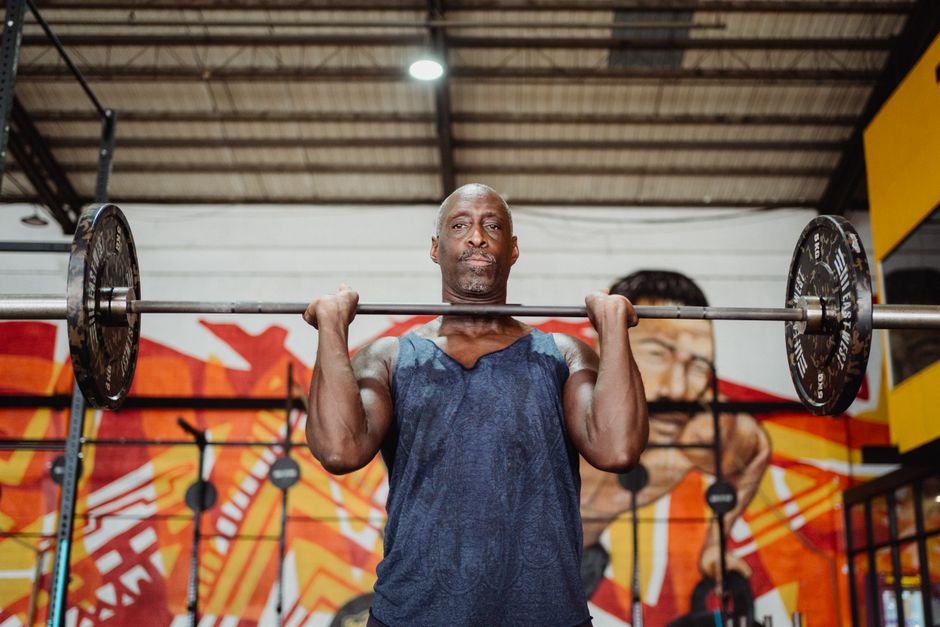
If you’re over 60 and you’ve been vaguely meaning to “do more strength training,” this summer just gave you something better than motivation. It gave you a number.
A landmark study published June 2, 2026 in the British Journal of Sports Medicine followed 147,374 adults across three long-running cohorts for up to 30 years, making it one of the largest and longest resistance-training mortality analyses ever conducted. The lead researcher, Edward Giovannucci of Harvard T.H. Chan School of Public Health, and his team weren’t just looking at whether strength training helps. They were looking for exactly how much. And they found it. Right now, this research is moving through fitness communities, physical therapy clinics, and senior centers faster than almost anything I’ve seen in years, and for good reason.
What the Numbers Actually Mean
The sweet spot the study identified is 90 to 119 minutes of strength training per week. That’s roughly 13 to 17 minutes a day, or two solid 45-minute sessions, or three 30-minute sessions. However you slice it, it’s less time than most people assume they’d need to see real health benefits.
Here’s what I tell people when they first hear those numbers: that’s not “kind of helpful.” That’s a 13% lower risk of all-cause mortality compared to doing no strength training at all. The cardiovascular numbers are even more striking. Adults in that 90 to 119 minute weekly range showed a 19% lower risk of death from cardiovascular disease. And perhaps the most surprising figure: a 27% lower risk of death from neurological disease. That last one doesn’t get nearly enough attention. Your brain needs your muscles to move, and apparently, it benefits when you train them.
Here’s a side-by-side look at what the research found across different training amounts:
| Weekly Strength Training | All-Cause Mortality Risk Reduction | CV Disease Risk Reduction | Neurological Disease Risk Reduction |
|---|---|---|---|
| 0 minutes (no training) | Baseline | Baseline | Baseline |
| 1–89 minutes | Some benefit noted | Some benefit noted | Some benefit noted |
| 90–119 minutes (sweet spot) | 13% lower | 19% lower | 27% lower |
| 120+ minutes | No additional benefit beyond sweet spot | No additional benefit | No additional benefit |
That last row matters. More is not automatically better once you cross 120 minutes per week. This is actually reassuring news for older adults who worry that they’re “not doing enough.”
Why the ‘More Is More’ Myth Is Worth Letting Go
You might be wondering whether the researchers are just telling people to do the minimum. They’re not. What the data shows is that the body’s longevity response to resistance training has a ceiling, at least in terms of mortality risk reduction. Beyond two hours a week, you’re not buying more years. You may be improving performance, muscle mass, or bone density in ways the study didn’t measure, but for the specific outcomes of living longer, the sweet spot is the sweet spot.
This matters enormously for older adults because one of the biggest barriers to starting a strength program is the belief that a modest effort won’t be worth it. People have spent decades watching gym culture celebrate extremes. What Giovannucci’s research makes clear, as Outside Online reported in June 2026, is that the relationship between strength training volume and longevity isn’t linear. It’s more like a curve that levels off. Getting from zero to 90 minutes a week does far more for your life expectancy than getting from 90 to 180.
Even Smaller Amounts Matter More Than You’d Think
Here’s what I tell people who aren’t yet at 90 minutes: start smaller. The study found benefits at amounts below the sweet spot, too. Any resistance training was better than none.
A separate study published in PLOS One in June 2026 by Penn State researchers adds important texture to this. They found that just 4 minutes of daily resistance exercise significantly improved strength and mobility in adults 65 and older after only 12 weeks. Four minutes. Not four hours. The Penn State Health News coverage described fitness improvements that were genuinely striking, even in that brief daily format.
What this tells us is that the floor for “doing something useful” is much lower than most people assume, while the ceiling for additional mortality benefit sits around two hours a week. That’s a wide, forgiving range. It’s actually good news.
What Counts and How to Build Toward the Target
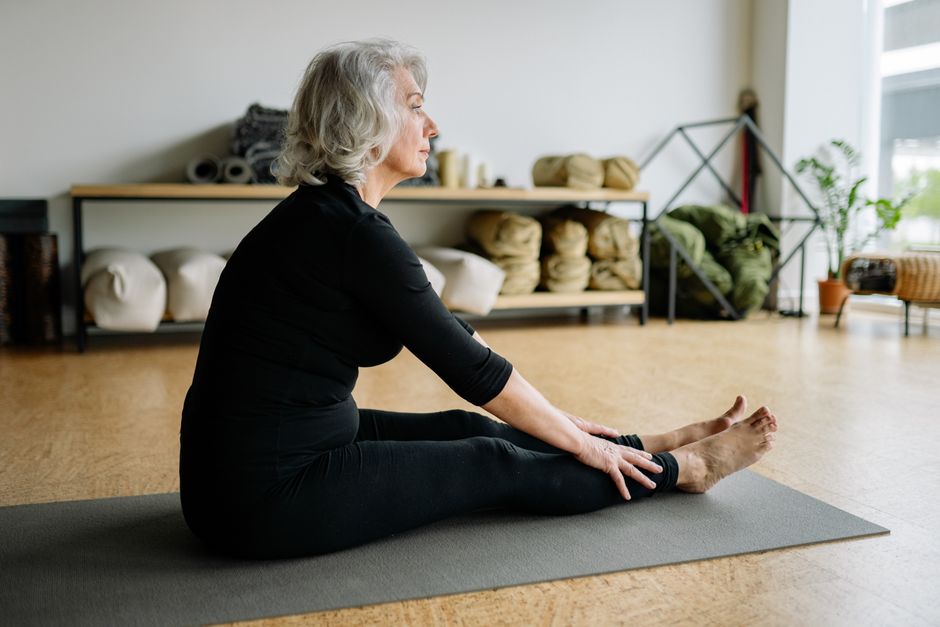
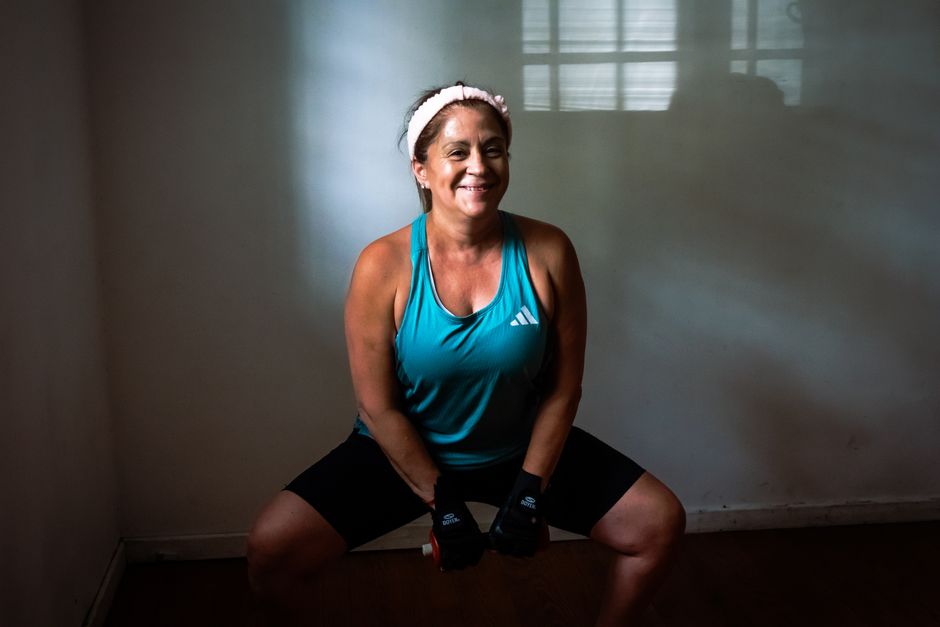
Resistance training doesn’t mean powerlifting. It means working your muscles against some form of resistance, whether that’s free weights, resistance bands, weight machines, or your own bodyweight. Squats, wall push-ups, seated leg raises, resistance band rows, these all qualify. The Harvard cohorts included people using a range of approaches, not elite athletes.
If you’re starting from close to zero, the path to 90 minutes a week might look like this: two 20-minute sessions in week one, then 25 minutes, then 30. You’re building toward the target gradually, which also dramatically lowers your injury risk. Three 30-minute sessions per week gets you to 90 minutes exactly.
Giovannucci’s team also found that the benefits were even greater when strength training was combined with aerobic activity, so a modest walking habit alongside your resistance work is genuinely additive, as Healthline noted in its June 2026 coverage of the study. You don’t have to choose between them.
One thing worth saying clearly: if you have existing health conditions, recent surgeries, joint problems, or haven’t been active in a while, please check in with your doctor or a physical therapist before ramping up. The research is encouraging, but individual circumstances vary, and starting safely matters more than starting fast.
The Community Is Already Responding
What’s interesting right now, in July 2026, is watching how this research is rippling outward. Fitness communities, aging-focused newsletters like the AgeWise Substack, and mainstream outlets are all circling the same themes: the target is achievable, the benefits are specific, and the hardest part is just beginning.
That last part is true. But it’s worth remembering that 90 minutes a week is nine sessions of 10 minutes each. Or six sessions of 15 minutes. The math is flexible. The biology, apparently, is not. Your body responds to a surprisingly modest investment of effort with measurable, significant reductions in mortality risk, including from the diseases that most concern people as they age.
The research is in. The number exists. Now it’s just a matter of starting somewhere.
Sources
- Scientists found the strength training sweet spot for a longer life (ScienceDaily, June 12, 2026)
- Harvard 30-Year Study Finds Exact Amount of Strength Training for Longevity (Medical Daily, June 2026)
- Strength Training: This ‘Sweet Spot’ May Help You Live Longer (Healthline, June 17, 2026)
- How Much Strength Training Helps You Live Longer? (Outside Online, June 10, 2026)
- Four Minutes of Daily Resistance Training Can Quadruple Fitness in Older Adults (Penn State Health News, June 2026)
- Sweet Spot Found for Longevity Benefits of Strength Training (AgeWise Substack, July 2026)
Photo: Ketut Subiyanto via Pexels
This article is for general informational purposes only and does not constitute medical or fitness advice. Consult your physician or a licensed physical therapist before starting a new exercise program, especially if you have existing health conditions.