 Dr. Patricia Williams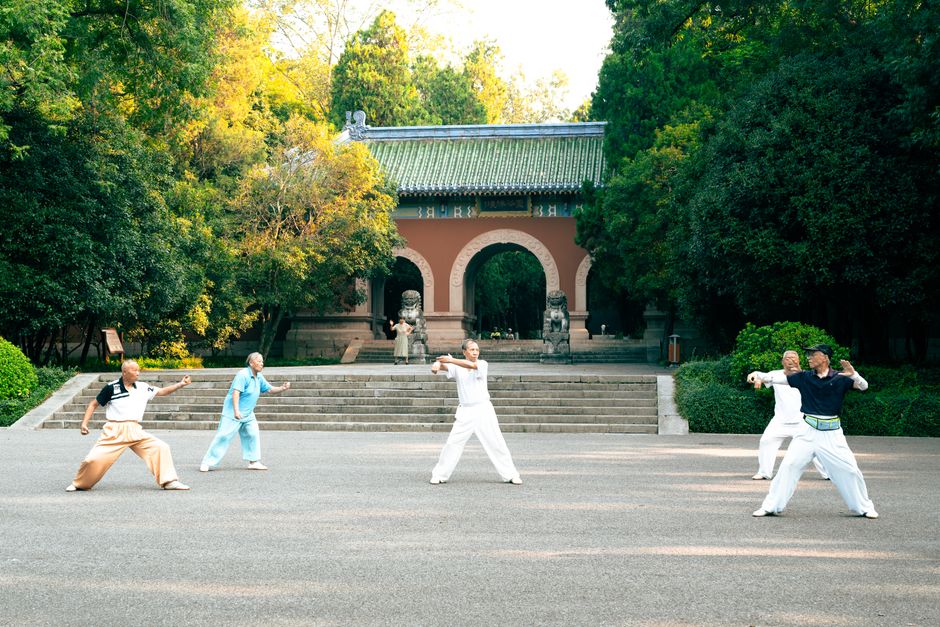
When Balance Becomes a Daily Worry
You’ve grabbed a countertop to steady yourself. Maybe you’ve hesitated at the top of a staircase. Millions of adults over 60 deal with this every single day, and that fear of falling can quietly shrink your world.
Here’s the thing: there’s a gentle, time-tested practice that actually works. Tai chi for seniors beginners is one of the most recommended exercises by doctors, physical therapists, and fall-prevention specialists worldwide. No special equipment. No gym membership. No prior fitness experience required.
This article walks you through exactly how to get started, which beginner routines work best, and why this ancient practice might be the most important thing you do for your health this year.
What Is Tai Chi and Why Is It Perfect for Seniors?
Tai chi is an ancient Chinese practice that combines slow, flowing movements with deep breathing and mental focus. People call it “meditation in motion” because that’s exactly what it feels like.
Unlike high-impact exercises, tai chi is extremely low-impact and easy on aging joints. Every movement is controlled, deliberate, and performed at a pace you set. Even with arthritis, limited mobility, or chronic pain, you can do this.
Here’s what makes tai chi especially well-suited for older adults:
- Improves balance and coordination without straining the body
- Strengthens the core, legs, and stabilizing muscles
- Reduces stress and anxiety through mindful breathing
- Lowers blood pressure and supports heart health
- Enhances flexibility and range of motion over time
- Shown in studies to reduce fall risk by up to 45%
A landmark study published in the New England Journal of Medicine found that tai chi was more effective than balance training alone at reducing falls in older adults. That’s powerful endorsement from modern science for a practice that’s over 400 years old.
Getting Started Safely: What Every Beginner Should Know
Single BEST Exercise to Improve BALANCE in Seniors · Tim Fraticelli - PTProgress on YouTube
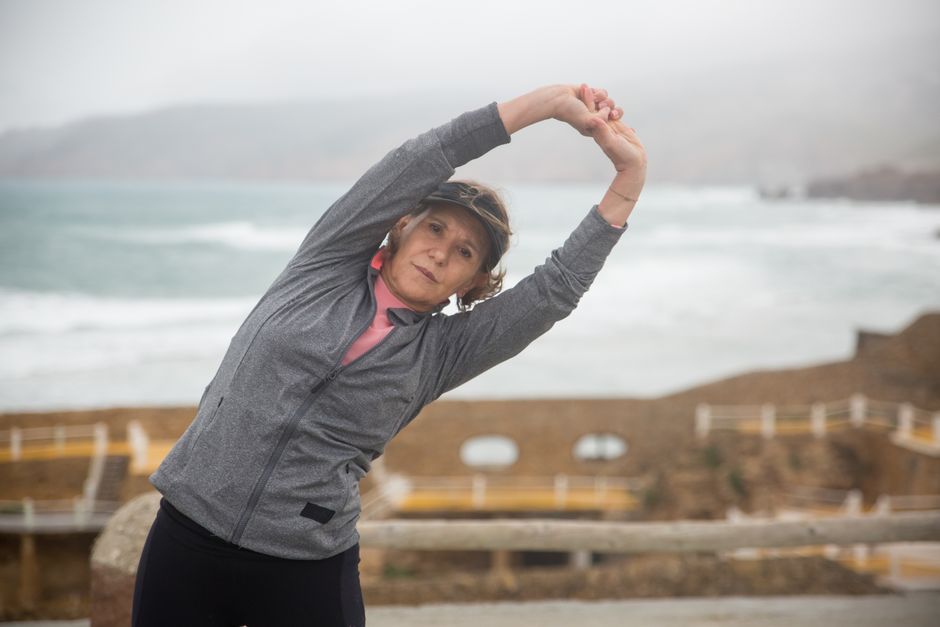
Photo by Vitaly Gariev on Unsplash
Before you throw on comfortable shoes and start moving, a few safety guidelines will make your tai chi journey smoother and injury-free.
Always check with your doctor if you have any recent injuries, surgeries, or significant health conditions. Tai chi is very safe, but it’s smart to get a quick green light before starting any new exercise program.
Keep these beginner tips in mind:
- Wear supportive, flat-soled shoes, avoid thick-soled sneakers that reduce ground feel
- Practice on a non-slip surface, a yoga mat or carpeted floor is ideal
- Have a chair nearby for support when you first begin
- Start with just 10-15 minutes per session and gradually increase
- Never push through pain, tai chi should feel gentle and comfortable
- Wear loose, comfortable clothing that allows free movement
The most common mistake beginners make is trying to do too much too soon. Tai chi rewards patience. Even 10 minutes of mindful practice three times a week delivers measurable benefits within just a few weeks.
Pro Tip: Practice tai chi in front of a large mirror when you’re first starting out. Watching your own movements helps you make small corrections in posture and alignment. It’s surprisingly motivating to see your progress week by week.
The 5 Best Beginner Tai Chi Moves for Balance
You don’t need to learn an entire 24-movement form on day one. These five foundational movements are where most seniors beginners start, and together, they target balance, posture, and stability beautifully.
1. Wuji Stance (Standing Meditation)
Stand with your feet shoulder-width apart, knees very slightly bent, and arms relaxed at your sides. Focus on your breathing and imagine roots growing from your feet into the ground. Hold for 1-3 minutes.
This foundational stance teaches body awareness and builds quiet strength in the legs and core without any movement required.
2. Weight Shifting
Stand with feet shoulder-width apart and slowly shift your weight from your right foot to your left foot, then back again. Keep your upper body tall and relaxed as you move. Repeat 10 times in each direction.
This simple movement is the building block of all tai chi balance work. It trains your brain and muscles to communicate better during weight transitions, exactly what you need to prevent stumbles.
3. Cloud Hands
Stand with feet shoulder-width apart and slowly sweep both hands in large, overlapping circular motions in front of your body, like you’re gently moving clouds. Coordinate your hand movements with slow side-to-side weight shifts.
Cloud Hands is beloved by beginners because it’s fluid, calming, and highly effective at improving lateral balance and upper body coordination.
4. Brush Knee and Twist Step
Take a slow step forward while one hand sweeps down past your knee (brushing it) and the other hand pushes gently forward at chest height. Alternate sides with each step, moving across the room slowly.
This movement challenges your balance during walking transitions, which directly translates to safer movement in everyday life.
5. Single Whip
Shift your weight to one foot while extending the opposite arm outward with fingers loosely gathered, and the other arm extending to the side. Hold the position for a few breaths before slowly transitioning sides.
Single Whip builds single-leg balance and strengthens the stabilizing muscles of the hips and ankles, two critical areas for fall prevention.
Simple Beginner Routines to Follow Each Week
Photo by john livingstone on Unsplash
Consistency matters far more than intensity in tai chi. A realistic weekly schedule helps you build a habit without overwhelming your body or schedule.
Here’s a beginner-friendly routine:
- Days 1, 3, and 5: Practice Wuji Stance and Weight Shifting for 10 minutes
- Days 2 and 4: Add Cloud Hands and Brush Knee for a 15-minute session
- Weekend: Put all five moves together in a slow, flowing 20-minute session
- Rest days: Light walking or gentle stretching keeps the momentum going
After four weeks, most beginners notice meaningful improvements in their steadiness, posture, and even their confidence moving around the house. That’s life-changing progress.
If you want additional guidance, look for tai chi classes specifically designed for seniors at your local YMCA, senior center, or community recreation program. Many are offered free or at very low cost. YouTube videos and DVDs also work beautifully for home practice.
What to Expect in Your First Month
Beginners sometimes wonder whether tai chi is “working” because it feels so gentle. It absolutely is, even when it doesn’t feel strenuous.
In the first two weeks, you may feel some mild muscle fatigue in your thighs and calves. This is completely normal. Your stabilizing muscles are waking up.
By weeks three and four, most seniors report:
- Better balance when standing or walking on uneven surfaces
- Improved posture and less tension in the neck and shoulders
- Deeper, more restful sleep
- A calmer, more positive mood throughout the day
- Greater body confidence and reduced fear of falling
These benefits compound over time. Seniors who practice tai chi regularly for six months or longer often describe it as one of the best decisions they’ve ever made for their health and independence.
Your Balance Journey Starts Today
Tai chi is more than exercise. It’s a gift you give to your future self. Every slow, intentional movement builds the strength, coordination, and confidence that keeps you independent, active, and steady on your feet for years to come.
You don’t need to be flexible, fit, or fearless to begin. You just need to take that first step. Quite literally.
Start with five minutes of the Wuji Stance today, and let this beautiful practice grow from there. Your balance, your independence, and your peace of mind are absolutely worth it.
Photo by Zulfugar Karimov on Unsplash
Sources
Disclosure: As an Amazon Associate, we earn a small commission from qualifying purchases at no extra cost to you. We only recommend products that genuinely support the topics covered in this article.
- Nutramax Cosequin Senior Dog Soft Chews (60ct) (~$32), Senior-specific Cosequin formula with added Omega-3s, designed for aging dogs with joint and immune health needs.
- Nutramax Cosequin DS Joint Supplement for Dogs (132ct) (~$36), The #1 veterinarian-recommended joint supplement brand, clinically studied for reducing joint pain in dogs.