 Dr. Patricia Williams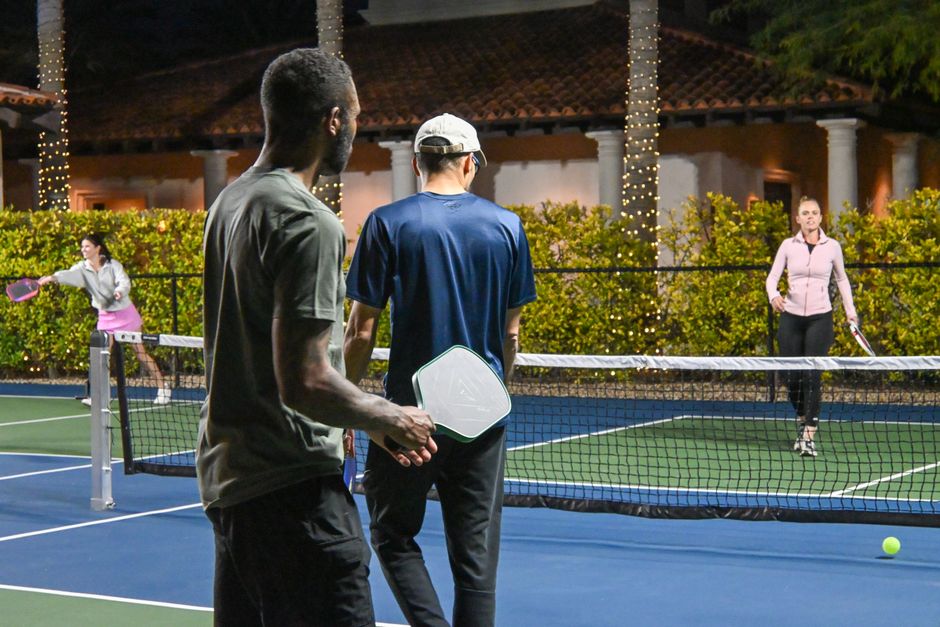
Pickleball is everywhere, and so are the injuries. The sport now claims 24.3 million American players, a 171.8% jump over just three years according to the Sports & Fitness Industry Association’s 2026 Topline Participation Report. The headlines treat this as a feel-good fitness story. What they bury is the medical crisis running underneath it, one that falls almost entirely on the sport’s most loyal players: adults over 60.
The numbers are not subtle. A peer-reviewed analysis by Cheng et al., published in Arthroscopy, Sports Medicine, and Rehabilitation in December 2024, found that pickleball-related ER visits rose 91% and hospital admissions climbed 257% between 2020 and 2022. A Weill Cornell analysis tied to that research found that 73% of all pickleball ER injuries involve patients aged 60 to 79, and that players 65 and older face 2.48 times greater odds of hospitalization than younger players. A UBS Wealth Management estimate put 2023 medical costs at $250 million to $500 million, with 86% of ER visits involving patients over 60. A 10-year national epidemiologic study found 91% of pickleball injuries occur in players 50 and older. This is not a fringe problem. This is the sport’s defining demographic getting hurt at alarming rates, and the coverage largely skips the part where we talk about actually preventing it.
That prevention part is what sports medicine researchers are now pressing hard. Experts writing in May 2026 specifically named two weekly sessions of leg strengthening, core work, and balance training as significantly reducing falls and overuse injuries in older pickleball players. That’s a narrow, actionable prescription, not a vague “stay active” platitude. Here’s what the research tells us about making it work.
- 73% of pickleball ER injuries involve patients aged 60–79, per Weill Cornell analysis.
- Players 65+ face 2.48x greater odds of hospitalization than players under 65.
- Two weekly sessions of leg, core, and balance training significantly reduce fall and overuse injury risk.
- Women 60+ are more than 3x as likely as same-age men to suffer a pickleball-related fracture.
- Wrist fractures are the most common break, followed by lower leg, ankle, and knee injuries.
The Injury Profile Is More Specific Than You Think
Most coverage lumps “pickleball injuries” into one vague category. That’s not useful. The actual breakdown matters because it tells you where to put your training attention.
Women aged 60 and older are more than three times as likely to suffer a pickleball-related fracture as men the same age. The wrist is the most common fracture site, typically from a fall and an outstretched hand. Lower leg, ankle, and knee injuries follow. This pattern points directly to two failure modes: inadequate lower-body strength for rapid direction changes, and insufficient bone density plus wrist stability for fall recovery.
The overuse injuries (tennis elbow, rotator cuff strains, Achilles tendinopathy) tell a different story. They develop from players who jumped into three or four weekly sessions before their tendons had adapted to the load. Tendons are slower to strengthen than muscles. Older tendons are slower still.
| Injury Type | Primary Site | Highest-Risk Group |
|---|---|---|
| Fracture | Wrist | Women 60+ |
| Fracture | Lower leg / ankle | Adults 60–79 |
| Overuse | Elbow / shoulder | All adults 50+ |
| Overuse | Achilles tendon | Adults 60+ |
| Acute soft tissue | Knee | Adults 60–79 |
Why Two Sessions a Week Is the Right Target
Two sessions weekly isn’t a conservative compromise. It’s actually the sweet spot the research supports for older adults building functional strength without accumulating enough fatigue to become injury-prone themselves.
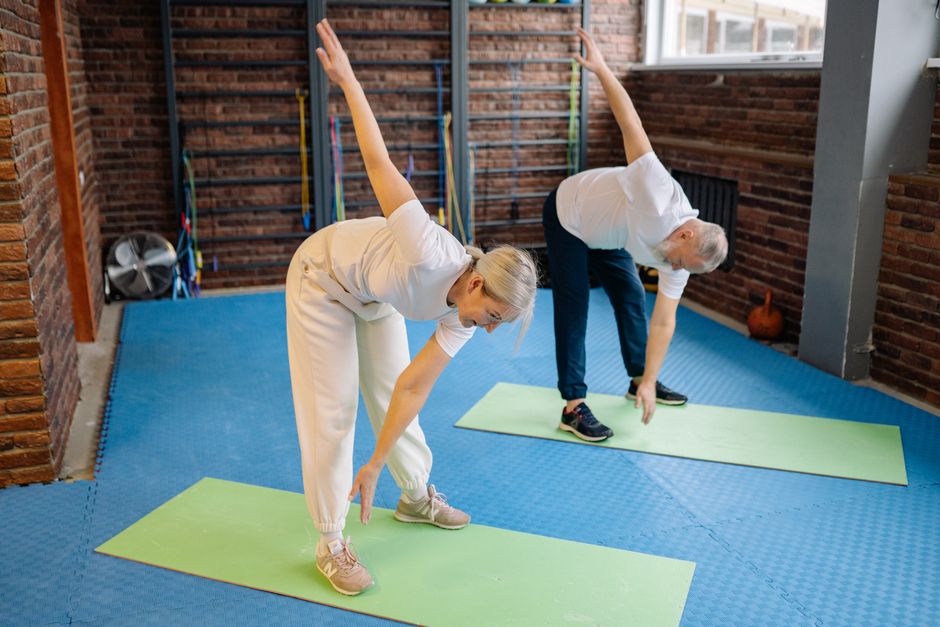
The goal of each session is specific: leg strengthening to handle lateral cuts and lunges on court, core work to stabilize the spine during the twisting, reaching, and bending that pickleball demands constantly, and balance training to shrink the window between a misstep and a fall. Per reporting from Sports Medicine Weekly in April 2026, sports medicine experts are now treating this triad as a package, not a menu of options.
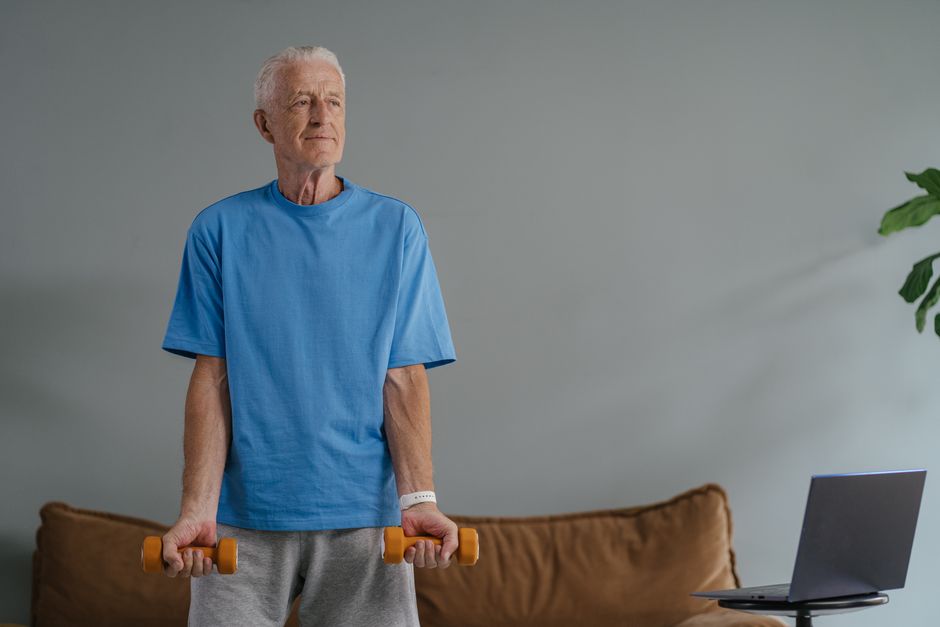
What this looks like in practice: single-leg exercises (step-ups, split squats, single-leg deadlifts) build the lateral stability that multi-directional sport demands. Hip and glute strengthening reduces knee stress during the sport’s frequent pivoting. Seated and standing cable rows build the posterior shoulder capacity that absorbs all those dinking exchanges. None of this requires a gym. Resistance bands and bodyweight cover most of it.
What often gets skipped is progressive overload. The body adapts to a fixed stimulus and stops changing. Add one set, one rep, or a slightly heavier band every two to three weeks. That’s it. Small, consistent progression beats heroic effort followed by injury.
Balance Training Isn’t Just a Fall-Prevention Checkbox
This Strength Training Secret Will Keep You Strong for Life (60+) · Will Harlow – Over-Fifties Specialist Physio on YouTube
Balance work gets prescribed reflexively for older adults and often practiced mindlessly: stand on one leg, check the box, move on. That misses the actual mechanism.
On a pickleball court, balance failures happen in dynamic situations: backpedaling for a lob, lunging for a wide return, stopping hard at the kitchen line. Static balance drills (standing still on one foot) build some baseline. What actually transfers to sport is reactive balance: the ability to recover when your center of mass moves outside your base of support unexpectedly.
Tandem walking, lateral bounding with a controlled landing, single-leg stands on a slightly unstable surface, and perturbation training (where a partner or trainer introduces a small unexpected push) all train the reactive neuromuscular system. The 2026 sports medicine reporting, including analysis from Dr. Bhavesh Shah published in May 2026, points consistently to this gap between what older athletes practice off court and what they actually need on it.
A concrete starting point: add 10 minutes of balance work to the end of each strength session. Single-leg stands progress to single-leg stands with eyes closed, then to single-leg stands on a foam pad, then to catching or throwing a ball while balancing. Each progression challenges the system a bit more without requiring specialized equipment.
The Mistake Most Players Over 60 Are Making Right Now
They’re playing too much and training too little. Pickleball is social, accessible, and genuinely fun. Those qualities make it easy to book four or five sessions a week and skip any formal strengthening work entirely. That’s how overuse injuries accumulate.
The wrist fractures and ankle breaks from falls are acute. They show up in the ER statistics. The Achilles strains, the patellar tendinopathy, the shoulder impingement, those build quietly over weeks of repetitive loading on joints that were never prepared for it. By the time the pain is significant enough to stop play, the damage has been accumulating for months.
Sports medicine physicians, including the Tennessee Titans team physician quoted in a May 2026 EIN Presswire release, are seeing this pattern repeatedly: older players who were recreational athletes twenty years ago, came to pickleball assuming fitness transferred, and skipped the preparatory work. Fitness does transfer, partially. Tissue resilience has to be rebuilt deliberately.
The practical fix is unsexy: treat the two weekly strength sessions as non-negotiable, schedule them on non-pickleball days, and keep pickleball itself to three sessions a week until the strength base is established. It’s worth consulting a physical therapist or certified trainer experienced with older adults before building your program, especially if you’re returning from any prior injury or surgery.
The court will still be there Thursday. Make sure your body is ready for it.
Sources
- Pickleball Injuries Are Rising in 2026 | Prevention Tips to Stay on the Court (April 27, 2026)
- As Pickleball Injuries Surge Among Adults 50+, a Tennessee Titans Team Physician Outlines Which Injuries Demand Surgery (May 14, 2026)
- The Pickleball Epidemic: America’s Fastest-Growing Sport and the Injury Crisis Nobody Saw Coming (May 27, 2026)
- Why Pickleball Is Sending More Older Adults to the Hospital (March 16, 2026)
- Orthopaedic Injuries in Pickleball Players: A 10-Year Epidemiologic Study (July 24, 2025)
- Pickleball-Related ER & Hospital Data, Weill Cornell / Arthroscopy, Sports Medicine, and Rehabilitation (December 2024)
Photo: Jessie Kiermayr via Pexels
This article is for general informational purposes only and does not constitute medical or fitness advice. Consult your physician or a licensed physical therapist before starting a new exercise program, especially if you have existing health conditions.