 Linda Chen
If you’re over 60 and taking a GLP-1 drug like Ozempic or Wegovy, the conversation around these medications has almost entirely focused on one metric: weight lost. What it’s glossed over, until now, is what else you’re losing alongside it.
A study of 753 GLP-1 users presented at the Endocrine Society’s ENDO 2026 conference in Chicago this month found that after starting medication, participants dropped an average of 560 daily steps and lost 5.7 minutes of moderate-to-vigorous activity per day. For a younger, otherwise healthy adult, that’s a nuisance. For an adult over 60 who is already fighting age-related muscle loss, it’s a compounding problem that can genuinely alter how you function five years from now.
The Muscle Loss Nobody Warned You About
| Metric | Finding |
|---|---|
| Average daily steps lost after starting GLP-1 | 560 |
| Average moderate-to-vigorous activity lost per day | 5.7 minutes |
| Percentage of weight loss from lean tissue (not fat) | 20-40% |
| Average lean mass decline in high-dose GLP-1 users losing >15% body weight | 10-15% |
| Functional decline (grip strength, chair rise time) in untrained older GLP-1 users | 5-10% |
| Recommended protein intake for muscle retention | 1.2-1.6 g/kg body weight/day |
| Recommended resistance training frequency for older adults on GLP-1s | 3 days/week |
Here’s the number that should get your attention: clinical trial data suggest that 20 to 40 percent of the weight you lose on GLP-1 medications comes from lean tissue, not fat. Clinical observations from 2025 and 2026 show an average lean mass decline of 10 to 15 percent in patients who lose more than 15 percent of their body weight on high-dose GLP-1s. Older adults over 65 and those who already have some degree of sarcopenia, the gradual age-related loss of muscle, are flagged as the highest-risk group.
Scientific American put it starkly in May 2026: within a few years of starting GLP-1 treatment, a person may experience muscle loss equivalent to 20 years of aging. Read that again. The drug that’s shrinking your waistline may be aging your musculoskeletal system at a rate your body was never designed to handle.
Sarcopenia doesn’t announce itself with pain. It shows up as the grocery bags that feel heavier than they used to, the chair you now push off with your arms instead of standing straight up, the slightly longer pause before you step off a curb. Functional measures like grip strength and timed chair rises can worsen by 5 to 10 percent in older GLP-1 users who have no resistance training countermeasures in place. That’s the clinical way of saying the drug, without exercise, can make you measurably weaker at tasks you need for daily life.
Why the Activity Drop Matters More Than It Sounds
Five hundred and sixty steps sounds almost trivial. It isn’t. For older adults, daily movement isn’t just cardiovascular health maintenance. It’s the ongoing stimulus that tells your muscles they’re still needed. Remove that signal while your body is also shedding weight rapidly, and you’re pulling two levers in the wrong direction at once.
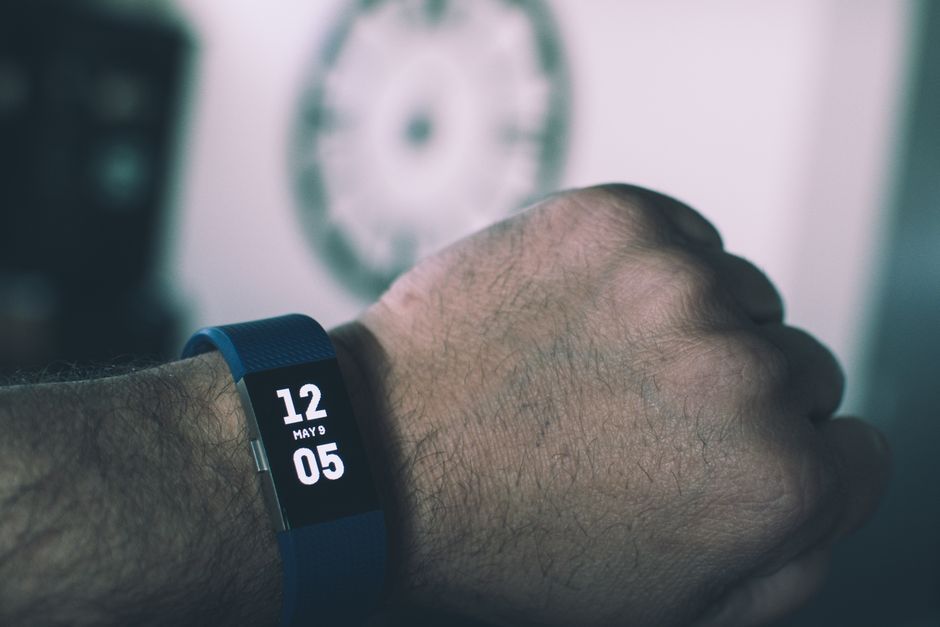
The ENDO 2026 data, reported by the Endocrine Society’s press release and covered by Medical Daily in June 2026, was tracked via Fitbit devices, which means these weren’t self-reported estimates. These were measured, real-world behavior changes in people after starting the medication. The mechanism isn’t fully settled, but leading hypotheses point to appetite suppression reducing the energy available for activity, GLP-1 receptors in the brain influencing motivation circuits, and the simple fatigue that often accompanies rapid weight loss.
Whatever the mechanism, the result is the same: less movement, more muscle lost, weaker function. For someone in their late sixties or seventies, that trajectory points toward falls, fractures, and loss of independence.
Resistance Training Is the Specific Antidote
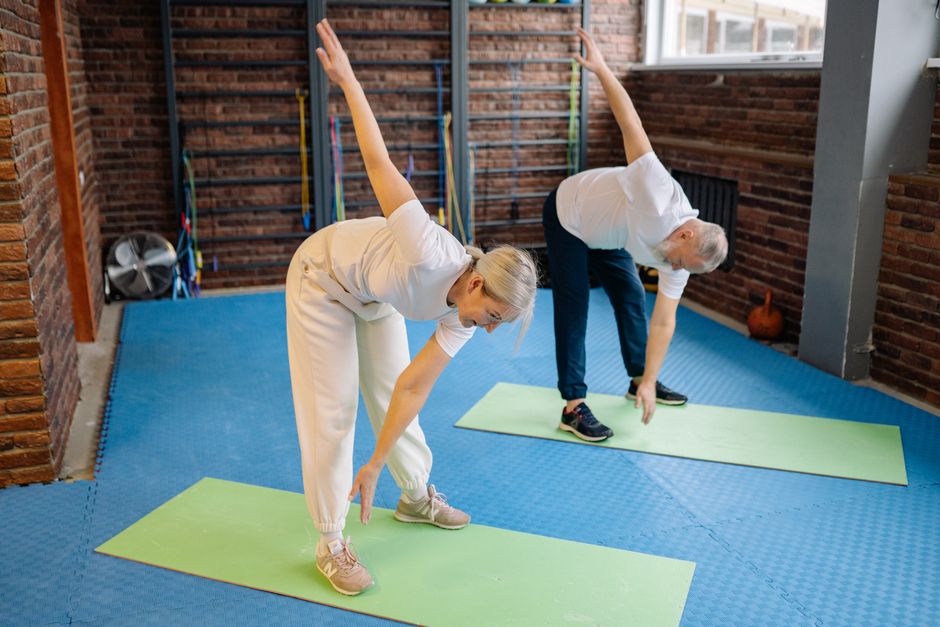
10 Stretching Exercises for 60 Year Olds: Mobility and Strength Training · Yes2Next on YouTube
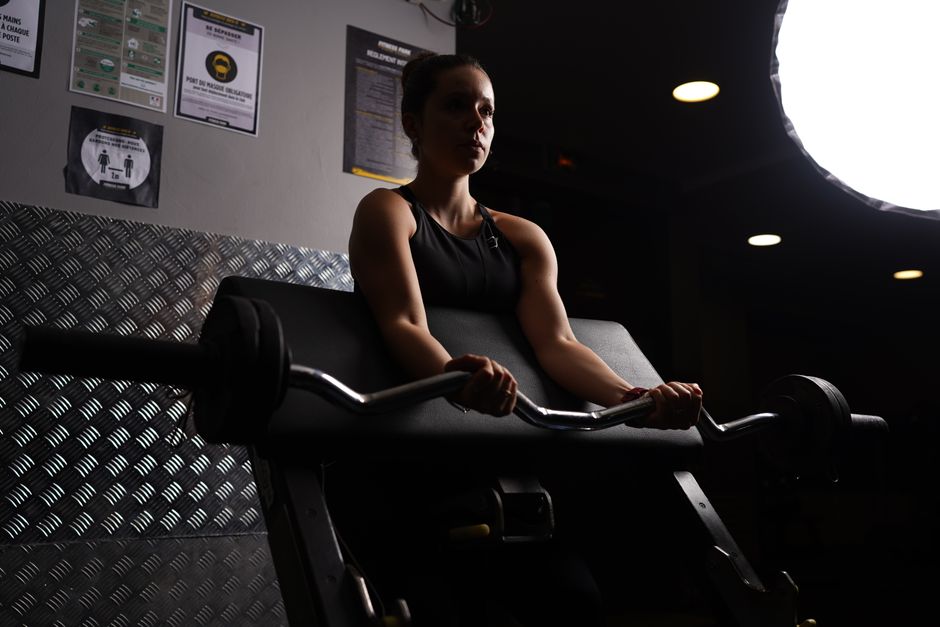
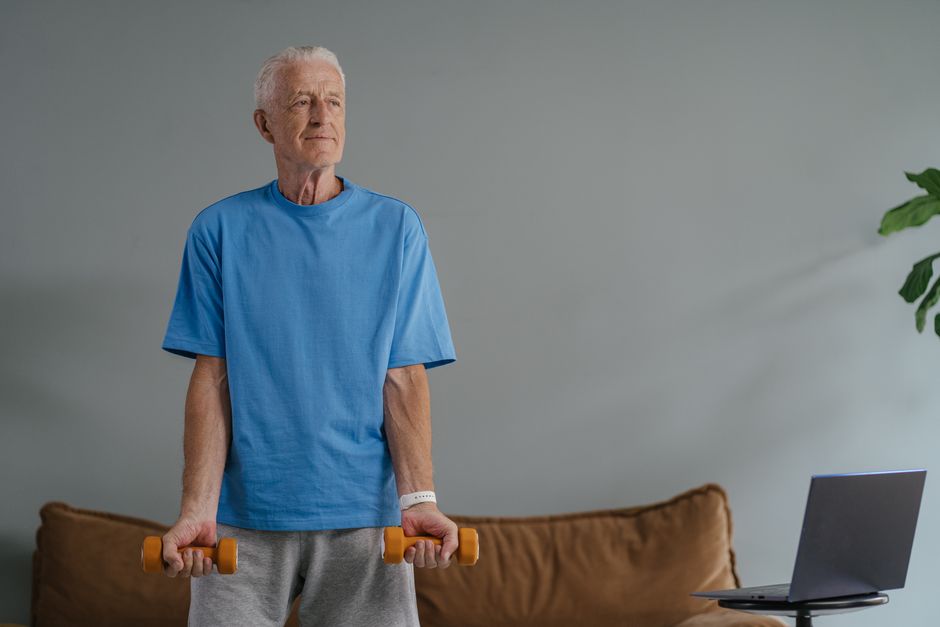
Cardio has its place. Walking is genuinely valuable. But when the problem is muscle loss, the intervention has to be progressive resistance training, not a longer walk. Squats, deadlifts from a safe starting position, seated rows, chest presses, and loaded carries are the tools that send a preservation signal to muscle tissue. That signal matters even more when your body is in a caloric and hormonal environment that’s actively breaking tissue down.
The standard recommendation of two days per week of resistance training is a reasonable floor, not a ceiling. For older adults on GLP-1s, three days per week, with at least one rest day between sessions, is a more appropriate target. Compound movements that work multiple muscle groups simultaneously, like a goblet squat or a single-arm row, deliver more physiological return per minute than isolated exercises. Protein intake matters too: most research in this population points to 1.2 to 1.6 grams of protein per kilogram of body weight per day as a target that supports muscle retention during weight loss, though individual needs vary and a physician or registered dietitian should be part of that conversation.
The urgency is registering at the research level. Emory University launched the iSTEP-2 clinical trial, actively recruiting as of June 2026, specifically to study exercise promotion strategies for older adults. That a major academic medical center is dedicating a full clinical trial to this question tells you how real the concern has become among practitioners.
What Your Doctor May Not Have Told You
The prescribing conversation around GLP-1s has evolved fast, but exercise guidance hasn’t always kept pace. A Ubie Health physician review from June 2026 specifically flagged the need for updated prescribing guidance to address muscle loss, noting that exercise recommendations need to be built into GLP-1 treatment protocols, not treated as optional lifestyle advice handed out at the end of an appointment.
If your prescribing physician hasn’t explicitly discussed resistance training and protein targets as part of your GLP-1 treatment plan, that’s a conversation worth initiating. Ask directly: what exercise protocol should I follow to preserve muscle while I’m on this medication? If the answer is vague, ask for a referral to a physical therapist or certified trainer with experience in older adult populations. These aren’t bonus recommendations. Given what the current evidence shows, they’re part of the treatment.
The Bigger Picture
The GLP-1 drugs are genuinely effective at reducing weight, and for many adults over 60, the metabolic and cardiovascular benefits of losing significant weight are real. This isn’t an argument against the medication. It’s an argument that the medication alone is an incomplete plan.
A lighter body that is also a weaker body is not a straightforward win for long-term health, especially when strength and functional capacity are among the best predictors of how well you age. The research coming out of ENDO 2026 makes the stakes clearer than they’ve ever been. The window to act is while you’re still early in treatment, when muscle preservation is far easier than muscle recovery after the fact.
Sources
- Exercise decreases among people taking GLP-1 medication, Endocrine Society ENDO 2026 Press Release (June 2026)
- GLP-1 Users Walk 560 Fewer Steps Per Day, Fitbit Study at ENDO 2026, Medical Daily (June 2026)
- Ozempic and Simple Aging Can Melt Away Important Muscle, Scientific American (May 26, 2026)
- Ozempic, Wegovy: Why People Using GLP-1s Are Less Likely to Exercise, Healthline (June 13, 2026)
- Critical 2026 Update: New GLP-1 Rules to Stop Muscle Loss, Ubie Doctor’s Note (June 2026)
Photo: Roman Biernacki via Pexels
This article is for general informational purposes only and does not constitute medical or fitness advice. Consult your physician or a licensed physical therapist before starting a new exercise program, especially if you have existing health conditions.