 Dr. Patricia Williams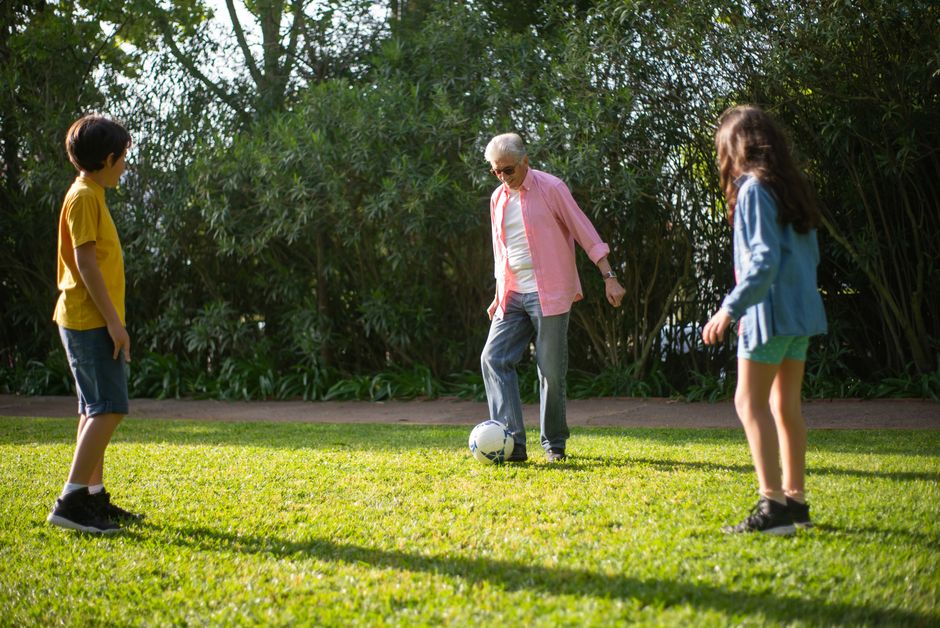
Do you sit more than you used to? Most seniors do. The years pile up, motivation drains, and exercising alone starts to feel pointless. But here’s what changes everything: mixing movement with people you actually want to see. Combine friendship with activity, and something shifts. You stay active. You stay happy. You stay healthy into your 70s and 80s.
Research backs this up hard. Seniors who stay socially engaged move more regularly. When you’ve got friends counting on you, the exercise stops feeling like a chore.
Why Combining Social Connection and Movement Matters
Loneliness and sitting around are killing older adults. The National Institute on Aging has linked social isolation to heart disease, depression, and cognitive decline. Separate problems. Together, they’re devastating.
But here’s the magic: pair movement with connection, and both benefits multiply. You show up because a friend is expecting you. You push harder because you’re actually having fun. The American Heart Association recommends 150 minutes of moderate activity weekly for older adults. Social activities get you there without the gym-class dread.
Walking Groups and Outdoor Clubs
Start here. Walking groups are free, easy, and everywhere.
Community centers, churches, and local parks run them constantly. Thirty minutes three times a week improves your heart, your balance, your mood. Low-impact. Works for almost every fitness level.
Finding one takes 10 minutes:
- Check your local YMCA or community center bulletin board
- Search Meetup.com for senior walking or hiking groups
- Ask your doctor or physical therapist for local referrals
- Contact your city’s Parks and Recreation department
- Look for faith-based walking programs at local churches or temples
Can’t find one? Start your own. Two or three neighbors, three mornings a week. That’s genuinely life-changing.
Pro Tip: Wear supportive walking shoes and bring a small water bottle on every group walk. Comfortable footwear reduces fall risk and keeps your feet and ankles feeling strong for miles to come.
Dance Classes and Social Dancing Events
This Strength Training Secret Will Keep You Strong for Life (60+) · Will Harlow – Over-Fifties Specialist Physio on YouTube
Photo by John Broks on Unsplash
Dancing barely feels like exercise, and it’s one of the most physically demanding things you can do. Line dancing, ballroom, square dancing, salsa, most communities offer beginner classes for people 60 and up.
A study in the New England Journal of Medicine found that dancing reduces dementia risk. Rhythm, coordination, memory all firing at once creates a full-body and brain workout simultaneously.
Your legs get stronger. Your core tightens. Your posture improves. You reduce your fall risk by building the muscles that keep you stable. And you don’t need a partner to start. Singles are everywhere in these classes, and you’ll find a partner by the second class.
Benefits stack up quick:
- Improved balance and coordination
- Stronger leg and core muscles
- Better cardiovascular endurance
- Enhanced memory and cognitive function
- Reduced symptoms of anxiety and depression
- New friendships and a sense of community
Group Fitness Classes Designed for Seniors
Water aerobics, chair yoga, tai chi, Zumba Gold. These classes exist specifically to keep older adults moving safely. The social pressure alone keeps you honest. When your instructor knows your name, skipping gets harder.
Water aerobics deserves special attention. The pool takes pressure off your joints while you build real strength and endurance. Seniors with arthritis or knee problems often find this changes everything.
Tai chi is another standout. This slow, flowing martial art improves balance, lowers fall risk, and reduces blood pressure. It’s meditative. Calming. Practiced in a group.
Where to look:
- Your local YMCA or YWCA
- Community recreation centers
- Senior centers and 55-plus communities
- Hospital-affiliated wellness programs
- Local gyms offering Silver Sneakers or Renew Active programs
Sports, Games, and Recreational Leagues
| Activity | Primary Benefits | Difficulty Level | Joint Impact |
|---|---|---|---|
| Walking groups | Heart health, balance, mood | Low | Low |
| Dancing | Balance, leg/core strength, cognitive function, dementia risk reduction | Moderate | Low to moderate |
| Water aerobics | Strength, endurance, joint-friendly | Moderate | Very low |
| Tai chi | Balance, fall risk reduction, blood pressure control | Low to moderate | Very low |
| Pickleball | Agility, hand-eye coordination, cardiovascular fitness | Moderate | Low |
| Bocce ball | Gentle walking, focus, social bonding | Low | Very low |
| Swimming | Full-body workout, cardiovascular health | Moderate | Zero |
| Gardening | Grip strength, flexibility, endurance | Moderate | Low to moderate |
Photo by Big Dodzy on Unsplash
Here’s something most people miss: recreational sports for seniors aren’t competitive death matches. Pickleball, bocce, golf, swimming, shuffleboard, these are genuinely fun and genuinely popular among the 60-plus crowd.
Pickleball exploded for a reason. It’s easier on your body than tennis, quick to learn, and played on a smaller court. Most importantly, it’s social as hell.
Quick rundown of what each does for you:
- Pickleball: Improves agility, hand-eye coordination, and cardiovascular fitness
- Bocce ball: Encourages gentle walking and improves focus and social bonding
- Golf: Walking 18 holes covers up to 5 miles and builds endurance
- Swimming: Full-body workout with zero impact on joints
- Shuffleboard: Builds balance, coordination, and friendly competition
- Cycling clubs: Great for cardiovascular health and exploring the outdoors
Most communities have senior sports leagues that meet weekly. The camaraderie, the laughs, the gentle trash talk, you’ll actually look forward to these.
Volunteering and Community Projects That Keep You Moving
Volunteering isn’t usually the first thing you think of when someone says “stay active,” but community gardens, Habitat builds, beach cleanups, food bank work, all of these involve real movement. You’re walking, lifting, bending, stretching. All while doing something that matters.
Gardening especially appeals to seniors. You build grip strength, flexibility, endurance. Do it alongside others and you grow friendships along with vegetables.
Volunteering also gives your week structure. Knowing your community needs you? That’s a powerful reason to stay engaged.
Tips for Getting Started When You Feel Out of Shape
If you haven’t moved much in a while, jumping back in feels scary. It’s normal. You’re not alone.
Start small. Let the social part carry you. Here’s how:
- Choose an activity that sounds genuinely fun, not just medically sound
- Invite a friend or neighbor to join you from day one
- Start with 10 to 15 minutes and gradually increase over weeks
- Talk to your doctor before starting any new physical program
- Celebrate small wins. Every walk counts. Every dance step matters.
- Be patient with yourself on slower days
The goal isn’t perfection. It’s consistency, connection, and enjoying the body you have right now.
Keep Moving, Keep Connecting
You don’t need a monotonous gym routine or hours on a treadmill. The path to better health runs through laughter, friendship, and shared purpose.
Pickleball leagues, dance classes, community gardens, every social step is an investment in your long-term health and happiness. You deserve to feel strong, connected, and joyful at every age. The activities are out there. So are the friends you haven’t met yet.
Photo by Masjid MABA on Unsplash
Sources
Disclosure: As an Amazon Associate, we earn a small commission from qualifying purchases at no extra cost to you. We only recommend products that genuinely support the topics covered in this article.
- Nutramax Cosequin Senior Dog Soft Chews (60ct) (~$32), Senior-specific Cosequin formula with added Omega-3s, designed for aging dogs with joint and immune health needs.
- Nutramax Cosequin DS Joint Supplement for Dogs (132ct) (~$36), The #1 veterinarian-recommended joint supplement brand, clinically studied for reducing joint pain in dogs.