 Dr. Patricia Williams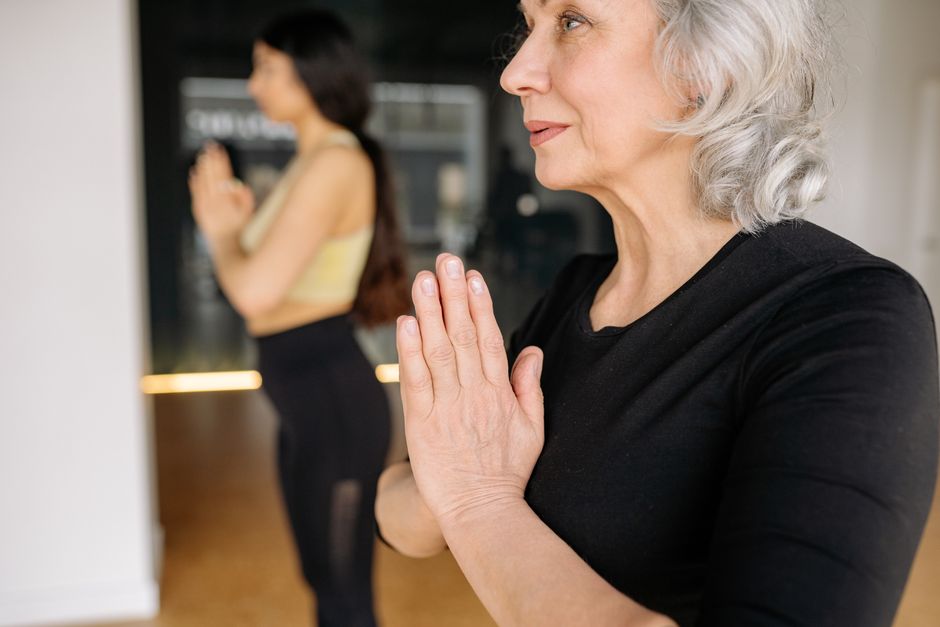
Most people who find their way to this page are sitting in a chair right now, wondering if that’s a problem. It isn’t. In fact, that chair might be exactly where your comeback starts.
You might be wondering whether seated exercises are “real” exercise, or whether you’ve somehow graduated past the point where they’d do anything useful. Here’s what I tell people when they ask me that: some of the most meaningful strength gains I’ve seen in my career happened in people who never left their chair for the first eight weeks. A 68-year-old woman named Carol came to me after a hip replacement, convinced she was “too far gone” to get strong again. We did everything seated for months. Two years later she was hiking a local trail on weekends. The chair wasn’t a limitation. It was the starting point.
That said, I want to be honest with you about what seated exercise can and can’t do, walk you through the exercises that actually work, and flag a few things that the generic “senior fitness” content on the internet gets dangerously wrong.
Why Seated Exercises Deserve More Respect Than They Get
The standard fitness world has a bias toward standing, loaded, compound movements. Squats, deadlifts, lunges. And look, those are great if your joints and balance can support them. But after 60, a significant number of people are dealing with some combination of balance concerns, joint pain, post-surgical recovery, orthostatic hypotension (dizziness when standing), or just plain deconditioning from a period of illness or inactivity. For those people, jumping straight to standing exercises isn’t progressive. It’s reckless.
What seated exercises offer is controlled, supported resistance training that removes the balance variable from the equation. That’s not cheating. That’s smart engineering. You can load a muscle just as effectively seated as standing, and for someone who hasn’t trained in years, even body weight resistance against gravity is a legitimate training stimulus.
There’s also a confidence factor that’s real and that I don’t think gets discussed enough. Fear of falling is one of the biggest barriers to exercise in older adults, and it’s not irrational. Falls are the leading cause of injury-related death in adults 65 and over. When you remove that fear by sitting down, people actually do the work. They focus on the movement. They come back the next day. And consistency, more than anything else, is what produces results.
The Exercises That Actually Build Something
| Exercise | Primary Target | Equipment | Reps/Duration |
|---|---|---|---|
| Seated Marching | Hip flexors, lower abdominals | None | 10-20 reps |
| Seated Knee Extensions | Quadriceps | Optional: ankle weights ($12-20) | Until fatigue |
| Seated Row with Resistance Band | Mid-back (rhomboids, trapezius) | Resistance band (<$15) | Until fatigue |
| Seated Calf Raises | Calf muscles | None | 15-25 reps |
| Seated Overhead Press | Shoulders, upper arms | Light dumbbells or canned goods | 10-12 reps |
| Seated Ankle Circles & Dorsiflexion | Ankle mobility | None | Mobility work |
Let me give you the ones I actually prescribe, with enough detail that you can do them correctly.
Seated Marching
This looks deceptively simple, which is probably why people skip it. Sit near the front edge of a sturdy chair (not a rocker, not a wheeled office chair). Sit tall, which means don’t let your low back collapse into a C-shape. Lift one knee up toward the chest as high as comfortable, lower it, then the other. That’s one rep. Do 10-20 of them.
What it’s actually doing: strengthening your hip flexors, which are chronically weak in people who sit a lot, and beginning to recruit the lower abdominals. Hip flexor strength is directly tied to gait quality and stair-climbing ability. This isn’t a warmup throwaway. It’s foundational.
Seated Knee Extensions
Sit upright, same position. Slowly straighten one leg until it’s roughly parallel with the floor, hold for two seconds, lower it slowly. The “slowly” part matters more than most people realize. The lowering phase (the eccentric) is where a significant portion of strength gains happen, and rushing through it is the most common mistake I see.
If this becomes easy after a few weeks, you can add a light ankle weight. The Ankle Toner weights from Amazon, which run about $12-20 for a basic pair, work fine. You don’t need anything fancy.
Seated Row with Resistance Band
This one requires a resistance band, which you can get from any sporting goods store or online for under $15. Anchor the band around a table leg in front of you, or have someone hold the ends. Hold one end in each hand, arms extended forward, then pull your elbows back like you’re trying to pinch something between your shoulder blades. Hold briefly, then return slowly.
This targets the mid-back muscles (rhomboids and mid-trapezius) that become critically weak in people who spend hours at a computer or slouched in chairs. Weak mid-back is a major driver of the forward-hunched posture you see in a lot of older adults, and that posture in turn affects breathing, balance, and digestion. This one exercise addresses something that almost nobody talks about in senior fitness content.
Seated Calf Raises
Feet flat on the floor. Lift both heels as high as they’ll go, toes staying down. Lower slowly. Do 15-25 repetitions.
Calf strength is shockingly underrated for older adults. The calf muscle acts as a venous pump, helping return blood from the lower legs back toward the heart. Weak calves contribute to swelling, poor circulation, and sluggish recovery. And from a balance standpoint, your calves are constantly making micro-corrections when you’re standing. Training them seated first builds a strength base you’ll feel when you’re on your feet.
Seated Overhead Press
You’ll need light dumbbells for this one, or two canned goods from the pantry (genuinely, a couple of 15-oz cans work well). Hold one in each hand at shoulder height, palms forward. Press both overhead until your arms are nearly straight, then lower back to shoulder height. Start with whatever weight lets you do 10-12 reps without your form breaking down.
Shoulder strength matters for independence. Reaching overhead, putting on a jacket, loading the dishwasher: these require shoulder and upper arm strength that atrophies fast if you don’t maintain it.
Seated Ankle Circles and Dorsiflexion
I’m grouping these together because they’re mobility work rather than pure strength, but I’d argue they belong in every seated routine. Lift one foot slightly off the floor and make slow, deliberate circles with your ankle. 10 in each direction, then switch feet. Then flex and point the foot 10 times.
After 60, the range of motion in your ankles is directly tied to your fall risk. Reduced dorsiflexion (the ability to pull your toes up toward your shin) is one of the most consistent predictors of tripping and falling. This takes three minutes. Do it every session.
How to Build a Routine That Actually Sticks
10 Stretching Exercises for 60 Year Olds: Mobility and Strength Training · Yes2Next on YouTube
The biggest mistake people make isn’t choosing the wrong exercises. It’s starting too ambitiously and burning out by week two.
Here’s what I tell people: start with three days a week, never two days back to back, and keep the first two weeks intentionally easy. I mean genuinely easy, like you finish and think “that wasn’t much.” That’s the point. You’re establishing the habit and letting your connective tissue adapt before you load it. Muscle adapts faster than tendons and ligaments, and that gap is where injuries happen when people go too hard too fast.
A realistic starter routine looks like this: seated marching and ankle work as a warmup (3-5 minutes), then three or four of the strength exercises above (2 sets of 10-12 reps each), then some gentle seated torso rotation or neck stretches to cool down. Total time: 20-25 minutes.
Add one set or a few reps every week or two. When something feels genuinely easy for two sessions in a row, add resistance or reps.
One thing I feel strongly about, and I know some people push back on this: don’t train to exhaustion. Ever. Especially early on. “Feeling the muscle work” is the goal. “Can barely move the next day” is not. For older adults, excessive muscle soreness delays recovery, discourages continuation, and in rare cases can indicate rhabdomyolysis, a serious condition where muscle breakdown products flood the kidneys. It’s uncommon, but it’s the kind of thing that happens to people who jump from nothing to an intense new routine. Ease in.
The One Thing Most Senior Fitness Content Gets Wrong
Sources
- Yan Krukau
- is clear on this
- published in the British Journal of Sports Medicine
- from over 30
- used progressive overload: meaning the participants got harder challenges over t
Here’s my contrarian take, and I stand by it: most seated exercise content for seniors is too easy, not because it starts too hard, but because it never progresses. Dozens of videos and articles show the same light range-of-motion movements forever, as if older adults can’t or shouldn’t get stronger over time.
That is wrong. And it’s a little bit condescending.
The research is clear on this. A 2019 meta-analysis published in the British Journal of Sports Medicine, covering data from over 30,000 adults including people well into their 70s and 80s, found that resistance training reduced all-cause mortality risk by about 21%. The effective studies in that analysis used progressive overload: meaning the participants got harder challenges over time, not the same gentle routine indefinitely.
Your muscles respond to challenge at 70 the same fundamental way they do at 30. Slower, yes. With more need for recovery, yes. But the mechanism is the same. You apply a stimulus that slightly exceeds your current capacity, you recover, you come back stronger. If the stimulus never increases, the adaptation plateaus.
So after 4-6 weeks of the starter routine, you should be adding resistance bands with more tension, heavier cans or dumbbells, more sets, or more complex movement variations. A physical therapist or certified personal trainer who specializes in older adults can help you determine the right progression timeline for your specific situation. That one-on-one guidance is genuinely worth seeking out, and your doctor’s office or local hospital often has referrals to low-cost or insurance-covered options.
Start with 20 minutes, three times this week. Use a kitchen chair if that’s what you have. Don’t wait until you have the right shoes, the right space, or the right motivation. The consistency you build in the next six weeks matters more than any single thing about how you start. Your muscles are ready to respond. Give them a reason to.
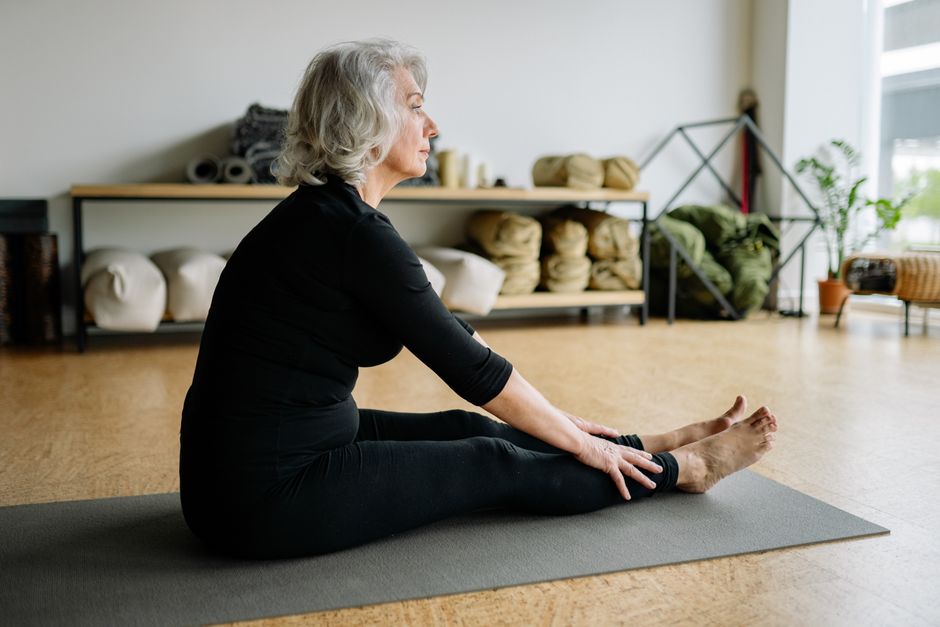
Photo: Yan Krukau via Pexels
This article is for general informational purposes only and does not constitute medical or fitness advice. Consult your physician or a licensed physical therapist before starting a new exercise program, especially if you have existing health conditions.