 Linda Chen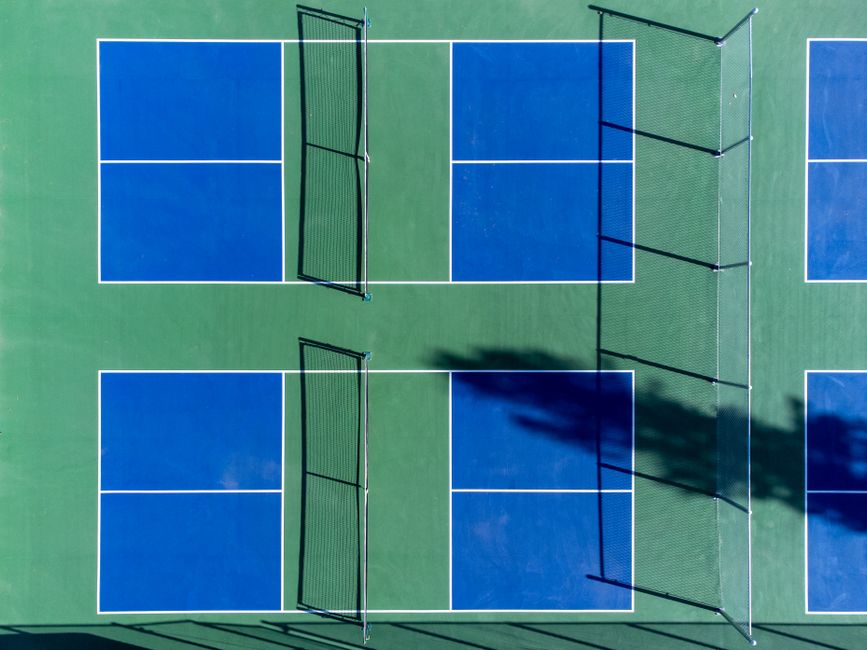
Something is happening on courts across the country right now, and it deserves more attention than it’s getting. Pickleball participation exploded by 158.6% between 2020 and 2022, and the sport hasn’t slowed down since. The majority of players, roughly 75% of regular participants, are adults 55 and older. That’s a genuinely wonderful thing. The social connection, the light cardio, the competitive engagement, the sense of community at 7am on a Tuesday, it’s exactly the kind of active lifestyle we want older adults living. But here’s what’s not making the cheerful press releases: emergency rooms are filling up at almost exactly the same rate the sport is growing. Approximately 19,000 pickleball-related injuries land people in U.S. emergency departments every year, and sports medicine professionals in mid-2026 are starting to say, loudly, that the fun is outpacing the preparation.
I’ll be honest, when I first started looking into this, I expected to find mostly overuse injuries. Sore elbows, tweaked shoulders, that kind of thing. What surprised me was how dominant falls are as an injury mechanism, and how serious the consequences get for older players specifically.
Falls Are the Real Story Here
The injury data doesn’t leave much room for interpretation. A 10-year epidemiological study published in January 2025, drawing on the NEISS database tracking ER visits from 2013 through 2022, found a significant and continuous rise in pickleball-related emergency visits over that entire period, with older adults disproportionately represented among those getting hurt (PMC/NCBI, 2025). Falls were the most common injury mechanism, not overextension, not collisions with other players, not equipment failures. Falls.
And when older adults fall on a pickleball court, the consequences aren’t always minor. Around 7% of injured players end up admitted to the hospital, most frequently for hip and pelvis fractures. For anyone over 60, that’s not a setback you recover from in two weeks. Hip fractures in older adults are associated with significant long-term mobility loss, and in some cases, they’re life-altering. The court looks low-stakes from the outside. The injury data says otherwise.
So why are falls happening at this rate? Pickleball involves sudden lateral cuts, rapid deceleration, backward shuffles to the baseline, and quick direction changes in a relatively small space. The non-dominant side of the body often gets neglected. Players who haven’t done any structured conditioning assume that because the sport looks less intense than tennis, their joints and balance systems are ready for it. That assumption is where a lot of people get into trouble.
What “Getting Ready for Pickleball” Actually Means
This is where I want to be direct with you, because the standard advice tends to be vague. Stretch first. Wear good shoes. Warm up. That’s all fine, and none of it is the point.
The research increasingly points to specific types of training that actually move the needle on fall prevention and overuse injury reduction. Sports Medicine Weekly reported in May 2026 that two sessions per week of targeted leg strengthening, core work, and balance training can significantly reduce falls and overuse injuries in pickleball players (Sports Medicine Weekly, May 2026). Two sessions. That’s it. The problem is most people aren’t doing even that before they show up to play four days a week.
Leg strength, specifically hip abductor and glute medius strength, is what keeps you from buckling sideways when you reach for a wide shot. Single-leg stability work trains the ankle and knee to absorb unexpected weight shifts. Core training, and I don’t mean crunches, I mean anti-rotation and anti-lateral flexion work, is what keeps your spine protected when you’re twisting to return a shot from an awkward position. These aren’t abstract fitness concepts. They’re directly applicable to what the sport actually demands.
The research here is mixed when it comes to exactly how much of an injury reduction you can expect, and I’d be skeptical of anyone giving you a precise percentage. What the evidence does support clearly is the direction: structured conditioning before and alongside play reduces injury risk in older adults, and most recreational pickleball players over 60 aren’t doing it.
The Shoulder and Elbow Problem Nobody Talks About Enough
Falls get the headlines because they send people to the ER. But the day-to-day injury picture for pickleball players is dominated by something more grinding: ankle sprains, chronic knee pain, and tennis elbow. Sports Medicine Weekly’s May 2026 analysis specifically flagged these three as the most common pickleball injuries in their current review.
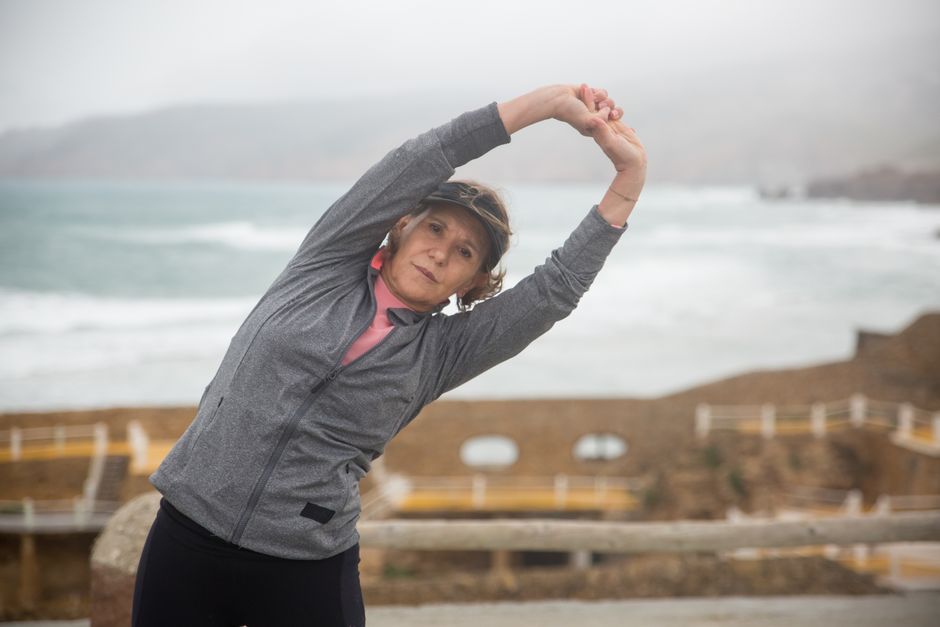
Tennis elbow, or lateral epicondylitis, deserves particular attention for older adults because tendons lose elasticity and resilience with age. The repetitive forehand and dinking motion in pickleball loads the lateral elbow in a way that accumulates quietly and then suddenly becomes a problem that takes months to resolve. Wrist extensors need progressive loading before you play regularly, not just stretching. The shoulder rotator cuff has the same issue. These are tendons that need to be prepared for load, not just loosened up.
What I see in practice is that people do their warm-up laps around the court, maybe some arm circles, and consider themselves ready. That’s not tendon preparation. That’s blood flow. There’s a meaningful difference.
Why 2026 Is a Turning Point for This Conversation
Here’s the context that makes this moment worth paying attention to. The American College of Sports Medicine’s 2026 Worldwide Fitness Trends report, published in late 2025, added adult recreation and sport clubs, including pickleball specifically, as a brand-new entry in its top 20 fitness trends (ACSM, 2025). The ACSM explicitly cited the sport’s role in combining fitness with social connection, and, notably, also flagged the need for injury prevention guidance alongside that enthusiasm. When one of the most credentialed bodies in exercise science starts building injury prevention language directly into how it categorizes a sport’s fitness value, that’s a signal that the field is catching up to what’s happening on the ground.
The orthopedic community is paying attention too. A March 2025 national study summary from the AOAO reinforced the NEISS findings and called for structured pre-participation conditioning guidance specifically for older adults entering the sport. The conversation among sports medicine professionals right now isn’t whether there’s a problem. It’s how to reach the millions of older adults who are already playing without any preparation framework.
What You Can Actually Do About This
I want to be careful here, because the right answer genuinely depends on your baseline fitness, your injury history, any orthopedic issues you’re managing, and how your body moves. This isn’t a situation where generic advice is good enough, and talking to a physical therapist or certified trainer who works with older adults before you ramp up your pickleball schedule is genuinely worthwhile, not just a liability disclaimer.
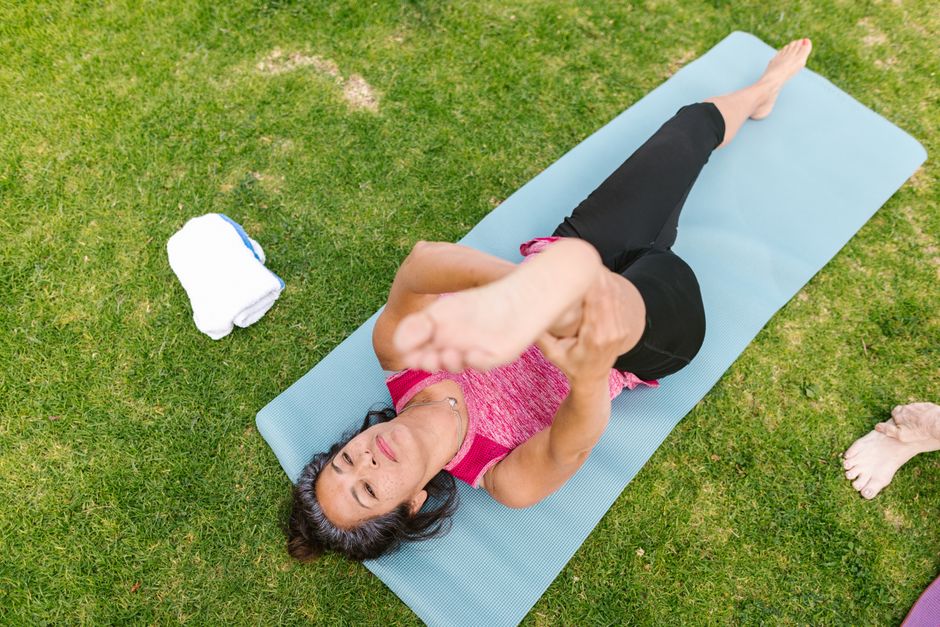
That said, the broad strokes are clear. Single-leg balance work, progressive hip and glute strengthening, shoulder and wrist tendon loading, and lateral movement practice should be part of your weekly routine alongside the sport itself, not instead of it. Two sessions a week of that kind of targeted work is what the current evidence points to. The sport is genuinely good for you. The preparation that makes it safer doesn’t have to be complicated. It just has to happen.
Sources
- Increasing Incidence of Pickleball Injuries Presenting to US Emergency Departments (January 2025)
- Pickleball Injuries Are Rising in 2026 | Prevention Tips (May 23, 2026)
- Pickleball Injury Prevention Gear 2026 (May 20, 2026)
- The Future of Fitness: ACSM Announces Top Trends for 2026 (October 2025)
- Rising Orthopedic Injuries in Pickleball: Insights from a 10-Year National Study (March 21, 2025)
- A Senior’s Guide to Pickleball Injury Prevention (July 2024)
Photo: Frank Schrader via Pexels
This article is for general informational purposes only and does not constitute medical or fitness advice. Consult your physician or a licensed physical therapist before starting a new exercise program, especially if you have existing health conditions.