 Robert Davis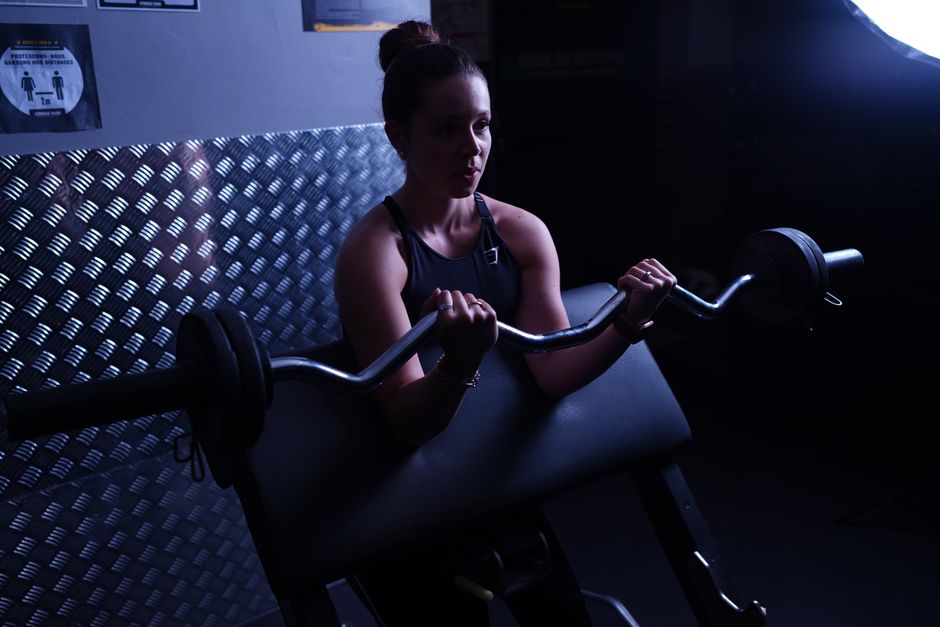
Something important got buried last month. At the Endocrine Society’s annual meeting in Chicago, research presented on June 14 found that people taking GLP-1 drugs like Ozempic, Wegovy, Mounjaro, and Zepbound actually became less physically active after starting treatment. Fewer steps. Less time exercising. The drug suppresses appetite so effectively that it apparently suppresses the urge to move, too. For anyone under 50 with solid muscle reserves, that’s inconvenient. For adults over 60, it’s a genuinely dangerous combination.
Nearly 40% of adults 60 and older qualified as obese in 2023, according to the CDC. GLP-1 prescriptions in this age group have surged accordingly. Millions of older adults are on these drugs, losing weight, and feeling better about the number on the scale. What they may not realize is that some of what they’re losing isn’t fat, and that matters more than most doctors are telling them.
The Muscle Problem Is Worse Than Most Doctors Are Telling You
| Factor | Baseline (Without GLP-1) | On GLP-1 Drugs | Clinical Significance |
|---|---|---|---|
| Muscle Loss Rate (per decade, age 60+) | 3-5% | Accelerated + reduced regenerative capacity | Sarcopenic obesity risk increases |
| Protein Requirement (g/kg body weight/day) | 0.8-1.0 | 1.2-1.6 | Higher demand to preserve lean mass |
| Example: 160-lb person | ~58-72g protein/day | ~87-116g protein/day | GLP-1 appetite suppression makes target harder to hit |
| Resistance Training Frequency (weekly) | 2+ sessions recommended | 2-3 sessions essential | Without it, muscle loss is likely irreversible |
| GLP-1 Discontinuation Rate (within 1 year) | N/A | Up to 66% | Fat returns; muscle does not without deliberate effort |
Age-related muscle loss, sarcopenia, already starts in your 30s and accelerates hard after 60. You lose roughly 3 to 5 percent of muscle mass per decade without intervention. Add a GLP-1 drug to the picture and the math gets uglier fast.
A Stanford Medicine study published in PNAS in June 2026 found something particularly alarming: GLP-1 receptor agonists don’t just cause initial muscle loss during weight reduction. They also reduce the regenerative capacity of muscle tissue, the muscle’s ability to repair and rebuild after stress. For an older adult, that’s not a side effect buried in the fine print. That’s a structural problem with real consequences.
A separate peer-reviewed paper published in PMC in June 2026 put a specific name to the risk: sarcopenic obesity, a condition where body fat is high but functional muscle is critically low. The paper also flagged something the glossy drug ads definitely won’t mention. Up to two-thirds of GLP-1 users discontinue within a year. When they stop, fat tends to come back. Muscle, without deliberate effort, does not. The authors specifically called out older adults as the population most exposed to this cycle.
A 2025 study from Massachusetts General Hospital and Harvard, presented at ENDO, added another layer: older adults and women were disproportionately likely to lose lean mass on semaglutide compared to younger users and men. Same drug, worse outcome, based purely on age and sex.
Why “Just Walk More” Isn’t Enough
The standard advice you’ll see everywhere is to stay active while on GLP-1 medications. Walk daily. Take the stairs. Keep moving. That advice isn’t wrong. It’s just incomplete, and it underestimates what’s actually happening inside your body.
Walking is aerobic work. It’s good for cardiovascular health, mood, and metabolic function. It will not meaningfully preserve or rebuild muscle mass. Muscle responds to one primary stimulus: progressive resistance. You have to load it, challenge it, and give it a reason to stay. Bodyweight movements help. Resistance bands help more. Free weights and machines, used with proper form and progressive overload, are the gold standard.
The ACSM’s 2026 Worldwide Fitness Trends report, which surveyed 2,000 fitness professionals, ranked fitness programs for older adults in its top five trends precisely because this need is so pressing. The report specifically identified resistance exercise as essential for preserving muscle, bone density, and functional independence. These professionals aren’t prioritizing this because it’s trendy. They’re prioritizing it because the population on their gym floor is older, the stakes are higher, and the window for intervention closes faster than most people expect.
If you’re on a GLP-1 drug and you’re not doing some form of resistance training two to three times per week, you are likely losing muscle you won’t easily get back. That’s not alarmism. That’s the mechanism.
Protein: The Other Variable Most People Underestimate
Resistance training creates the demand signal. Protein provides the raw material. Most older adults on calorie-restricted diets, including the reduced-appetite reality of GLP-1 use, are getting neither in adequate amounts.
The Massachusetts General Hospital research specifically noted that eating more protein may help protect against muscle loss in people on semaglutide. Current general guidance for older adults looking to preserve lean mass sits around 1.2 to 1.6 grams of protein per kilogram of body weight per day. For a 160-pound person, that’s roughly 87 to 116 grams. When a GLP-1 drug cuts your appetite significantly, hitting those numbers takes deliberate planning, not just eating when you feel like it.
Protein quality matters here. Leucine-rich sources, eggs, Greek yogurt, cottage cheese, lean meat, fish, legumes, trigger muscle protein synthesis more effectively than lower-quality options. If your appetite is suppressed and you’re eating less overall, you want every gram to count.
What to Actually Do: The Practical Framework
Your physician and a qualified trainer or physical therapist should be involved in any specific plan, especially if you have joint issues, osteoporosis, or cardiovascular concerns. But the general structure is straightforward.
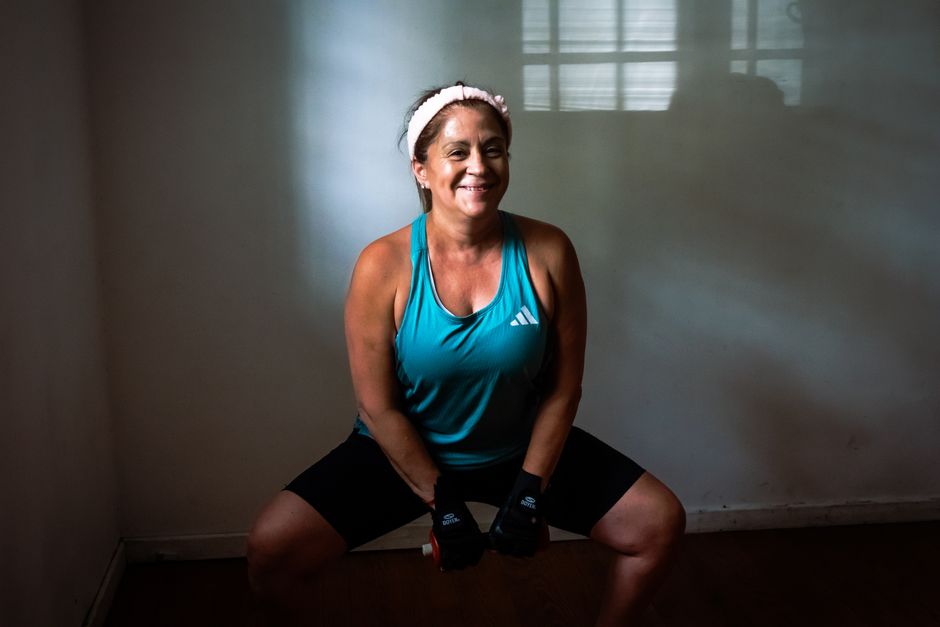
Resistance training twice a week is the floor. Three sessions is better. Compound movements that work multiple muscle groups simultaneously, squats, rows, presses, deadlifts at whatever load and range of motion is appropriate for your body, give you more return per minute than isolation exercises. Form matters more than weight. Progressing gradually over weeks and months matters more than any single session.
Track your protein intake. You probably aren’t hitting your target. Most people aren’t, and the reduced appetite from GLP-1 drugs makes it worse. A simple food log for even two weeks gives you a reality check. Front-loading protein earlier in the day tends to work better than trying to squeeze it all in at dinner.
Talk to your prescribing physician specifically about muscle preservation. Ask about lean mass monitoring, not just weight. The scale going down is not the whole story.
The Window Is Now
The research coming out of June 2026 isn’t a reason to avoid GLP-1 drugs. For many older adults managing obesity-related conditions, the benefits are real and significant. But the assumption that weight loss automatically equals improved health, without addressing what kind of weight is being lost, is a gap that can cause lasting harm. The Stanford finding about reduced muscle regenerative capacity is especially worth sitting with. This isn’t just about losing some muscle temporarily. It’s about compromising the body’s ability to rebuild it.
The good news is simple. Resistance training and adequate protein aren’t cutting-edge interventions. They’re fundamental, and right now they’re more important than ever.
Sources
- People taking GLP-1 weight loss drugs like Ozempic started moving less , ScienceDaily / ENDO 2026 (June 14, 2026)
- Drug enhances muscle repair during GLP-1 weight-loss treatment , Stanford Medicine (June 2026)
- Weighing the risk of GLP-1 treatment in older adults: sarcopenic obesity , PMC / NCBI (June 2026)
- Are GLP-1 weight-loss drugs safe for older adults? , AAMC (December 2025)
- Muscle Loss and GLP-1 Weight-Loss Drugs: 2026 Update , Affinity Whole Health (May 13, 2026)
- The Future of Fitness: ACSM Announces Top Trends for 2026 (May 11, 2026)
Photo: Jessy Mesme via Pexels
This article is for general informational purposes only and does not constitute medical or fitness advice. Consult your physician or a licensed physical therapist before starting a new exercise program, especially if you have existing health conditions.