 Helen Santos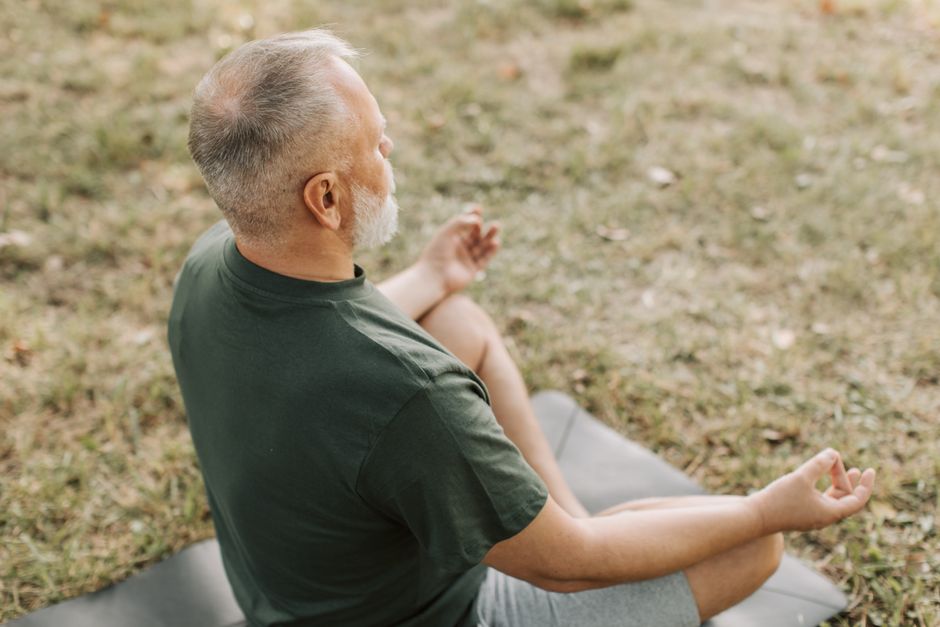
When Your Mind Won’t Quiet Down
You’re lying awake at 2 a.m. Your thoughts are racing through tomorrow’s worries, yesterday’s regrets, and a growing list of aches that seem louder at night. Sound familiar? You’re not alone. Millions of older adults struggle with stress, sleep problems, and minds that simply refuse to slow down.
Here’s the thing: meditation for seniors is one of the simplest, most accessible tools available. You don’t need special equipment, a fitness level, or any prior experience. Just a few quiet minutes a day can begin to shift how you feel, think, and sleep.
What Exactly Is Meditation?
Meditation is the practice of gently training your attention and awareness. Think of it as exercise for your mind. Just as walking strengthens your legs, meditation strengthens your ability to stay calm and focused.
It’s not about emptying your mind completely or reaching some mystical state. Most meditation simply involves focusing on your breath, a word, or a sensation, and kindly returning your attention whenever it wanders. That wandering, and returning, is the actual practice. That’s literally it.
There are many styles to explore:
- Mindfulness meditation pays gentle attention to the present moment
- Guided meditation follows a recorded voice through a relaxation exercise
- Body scan meditation slowly brings awareness to each part of the body
- Loving-kindness meditation silently sends warm wishes to yourself and others
- Breath-focused meditation uses the natural rhythm of breathing as an anchor
All beginner-friendly. All work beautifully for older adults.
Why Meditation Is Especially Beneficial for Older Adults
Photo by Matteo Vistocco on Unsplash
Research on meditation has exploded over the past two decades, and the findings are genuinely exciting, especially for people in their 60s, 70s, and beyond. The benefits address many of the exact challenges that come with aging.
Here’s what the science consistently shows:
- Reduced anxiety and stress. Regular meditation lowers cortisol, the body’s primary stress hormone, helping you feel calmer throughout the day.
- Better sleep quality. Studies published in JAMA Internal Medicine found that mindfulness meditation significantly improved sleep in older adults with moderate sleep disturbances.
- Lower blood pressure. The American Heart Association recognizes meditation as a practice that can contribute to healthier blood pressure levels.
- Sharper memory and focus. Meditation has been linked to increased gray matter density in brain regions associated with attention, learning, and memory.
- Reduced feelings of loneliness. Loving-kindness meditation in particular has been shown to increase feelings of social connection and compassion.
- Less chronic pain perception. Mindfulness-based programs help many people change their relationship to pain, reducing how much it interferes with daily life.
These aren’t small benefits. For older adults managing multiple health concerns, meditation can be a powerful, side-effect-free complement to standard medical care.
How to Start Meditating: A Simple Step-by-Step Guide
Starting a meditation practice doesn’t require a yoga mat, a special cushion, or a class. All you truly need is five minutes and a comfortable place to sit.
Step 1: Choose your time and place. Morning works beautifully for many seniors because the day feels fresh and quiet. Pick a consistent spot, your favorite armchair, the end of your bed, or a chair at the kitchen table. Consistency matters more than perfection.
Step 2: Get comfortable. Sit in a position that feels stable and relaxed. You don’t need to sit cross-legged on the floor. Upright in a chair with both feet flat is perfectly fine. Your back doesn’t need to be rigid either.
Step 3: Set a gentle timer. Start with just 5 minutes. Use a soft chime alarm on your phone or a simple kitchen timer. Knowing you’ll be reminded to stop lets your mind relax.
Step 4: Focus on your breath. Close your eyes or soften your gaze downward. Breathe naturally. Notice the sensation of air entering your nose, your chest rising, and the gentle release of each exhale.
Step 5: Be kind when your mind wanders. Your mind will drift to your grocery list, a conversation, or a worry. This is completely normal, even for experienced meditators. Simply notice without judgment, and gently bring your attention back to your breath. This redirection is the heart of the practice.
Step 6: Close slowly. When your timer sounds, don’t rush up. Take a slow breath, gently wiggle your fingers and toes, and open your eyes. Notice how you feel.
Pro Tip: Try a free guided meditation app like Insight Timer or the free version of Calm. Search for “5-minute beginner meditation” and follow along. Many seniors find guided sessions much easier to stick with than meditating in silence, especially at first.
Common Concerns Seniors Have About Meditation
Photo by Age Cymru on Unsplash
It’s completely normal to have hesitations before trying something new.
“I can’t stop thinking.” You’re not supposed to stop thinking. Meditation isn’t about achieving a blank mind. It’s about noticing your thoughts without being swept away by them. Every busy mind can meditate.
“I’m not flexible enough to sit like that.” You can meditate sitting in any comfortable chair, lying down, or even walking slowly in a garden. Physical flexibility has nothing to do with it.
“I don’t have time.” Five minutes counts. Research shows even short, consistent sessions produce real benefits over time. You likely have five minutes between waking up and making your morning coffee.
“It conflicts with my religion.” Secular meditation, the type most health professionals recommend, has no religious requirement. It’s simply a mental training tool. Many Christians, Jews, Muslims, and people of all faiths practice it comfortably alongside their beliefs.
“I tried it once and it didn’t work.” Like any skill, meditation takes time to feel natural. Most people notice meaningful changes after 2 to 3 weeks of daily practice, even just a few minutes at a time.
Building a Sustainable Daily Habit
The secret to getting benefits from meditation is consistency, not duration. A 5-minute session every day is far more valuable than a 30-minute session once a week.
Try “habit stacking.” Attach your meditation to something you already do every day. Meditate right after your morning cup of tea, or before you brush your teeth at night. This makes the habit stick naturally without requiring extra willpower.
Keep a simple notebook nearby. After each session, jot down one word about how you feel. Over time, you’ll notice patterns. Maybe you feel less tense, sleep better on days you meditate, or feel more patient with family members.
Be gentle with yourself on days you miss. Simply begin again the next day without guilt. Meditation practice isn’t about being perfect. It’s about returning, just like returning your attention to the breath during a session.
You Have Already Taken the First Step
By reading this article, you’ve already shown curiosity and openness, two of the most important qualities for beginning a meditation practice. You don’t need to be calm to start meditating. You start meditating to become calmer.
Your mind has been working hard for 60, 70, or 80 years. It deserves a few quiet minutes of rest each day. And so do you.
Start tomorrow morning. Set a five-minute timer. Sit in your favorite chair. Breathe. That’s truly all it takes.
Sources
Disclosure: As an Amazon Associate, we earn a small commission from qualifying purchases at no extra cost to you. We only recommend products that genuinely support the topics covered in this article.
- Nutramax Cosequin Senior Dog Soft Chews (60ct) (~$32), Senior-specific Cosequin formula with added Omega-3s, designed for aging dogs with joint and immune health needs.
- Nutramax Cosequin DS Joint Supplement for Dogs (132ct) (~$36), The #1 veterinarian-recommended joint supplement brand, clinically studied for reducing joint pain in dogs.