 Helen Santos
You’ve just finished a quiet morning at home and realize you haven’t had a single glass of water yet, and it’s already noon. Sound familiar? Many older adults find themselves going hours without drinking, often without feeling noticeably thirsty. That’s actually one of the most important things to understand about aging and hydration. These hydration tips for seniors can make a real difference in how you feel, think, and move every single day.
Why Staying Hydrated Gets Harder as You Age
As we get older, our bodies go through changes that make dehydration more likely, even when we feel perfectly fine. One of the biggest shifts is a reduced sense of thirst. Your body may genuinely need water, but the signal to drink simply doesn’t come through as strongly as it once did.
Your kidneys also become less efficient at conserving water as you age, meaning your body loses fluids more quickly. Total body water decreases with age, so there’s less reserve to draw from when you do fall behind on fluids.
Certain medications, diuretics, blood pressure drugs, antihistamines, can speed up fluid loss too. If you take multiple medications, ask your doctor whether hydration is something you need to be especially mindful about.
The Real Health Risks of Dehydration in Older Adults
Dehydration isn’t just about feeling a little tired or getting a headache. For seniors, even mild dehydration can have serious consequences that affect daily life and long-term health.
Even a small drop in hydration can trigger or worsen:
- Urinary tract infections (UTIs), one of the most common causes of hospitalization in older adults
- Constipation, dehydration slows digestion and makes bowel movements painful and infrequent
- Confusion and cognitive decline, even mild dehydration can cause brain fog, difficulty concentrating, and memory lapses
- Dizziness and falls, low fluid levels can cause drops in blood pressure, leading to dangerous falls
- Kidney stones and kidney stress, your kidneys need adequate water to filter waste properly
- Fatigue and muscle weakness, dehydrated muscles tire faster and are more prone to cramps
The good news? Most of these risks drop significantly when you make consistent hydration a daily priority.
How Much Water Do Seniors Actually Need?
Photo by Supattra Khorasri on Unsplash
The old “eight glasses a day” rule is a helpful starting point, but individual needs vary. Most health experts recommend that older adults aim for about 6 to 8 cups (48-64 ounces) of fluid per day, though some people need more depending on their activity level, climate, and health conditions.
Fluid doesn’t only come from water. Foods like cucumbers, watermelon, oranges, soups, and yogurt also contribute to your daily hydration. These can be especially helpful for seniors who struggle to drink large amounts of plain water.
Hot weather, exercise, fever, or illness will all increase your fluid needs. On those days, make a conscious effort to drink a little more than usual and check in with yourself regularly throughout the day.
Pro Tip: Keep a large, easy-to-grip water bottle on your kitchen counter or beside your favorite chair as a visual reminder to sip throughout the day. Filling it each morning gives you a simple, trackable goal, and you don’t have to count individual glasses.
Practical Hydration Tips for Seniors to Use Every Day
Building better hydration habits doesn’t have to feel like a chore. Small, consistent changes are far more effective than dramatic overhauls. Try a few of these strategies and see which ones naturally fit into your routine.
- Start your morning with water first. Before coffee or breakfast, drink a full glass of water to make up for overnight fluid loss.
- Pair drinking with daily habits. Have a glass of water every time you take your medication, watch the news, or sit down for a meal.
- Flavor your water naturally. Add a slice of lemon, cucumber, or a few mint leaves if plain water feels unappealing.
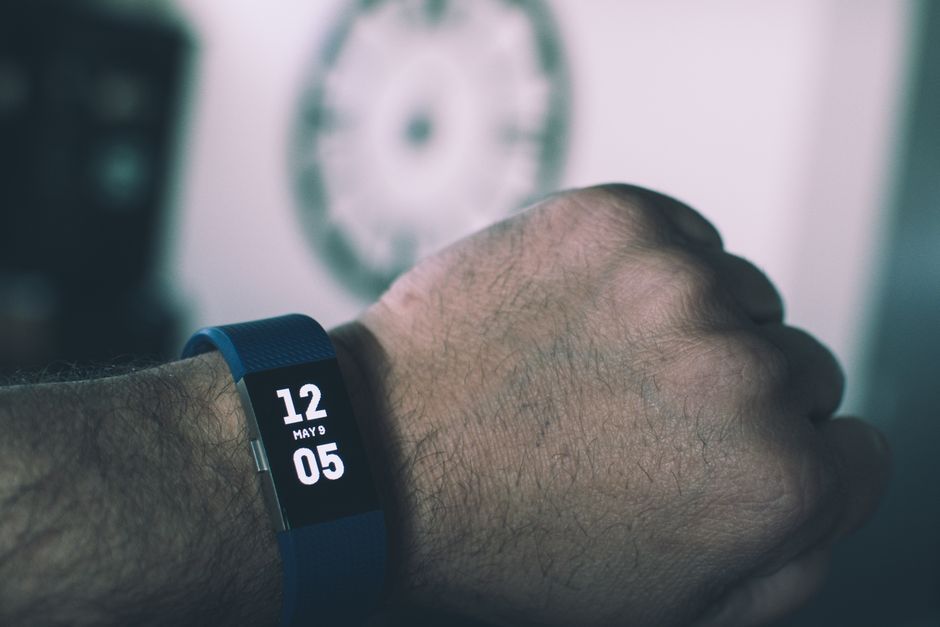
- Set gentle reminders. A simple alarm on your phone or watch every two hours can nudge you to take a few sips.
- Drink before you feel thirsty. Since thirst signals are less reliable with age, use the clock rather than your body’s prompts.
- Choose hydrating snacks. Keep grapes, celery sticks, orange slices, or berries on hand for snacks that double as hydration.
- Sip during activities. Whether you’re gardening, walking, or reading, keeping a drink nearby encourages regular sipping.
Don’t force large amounts all at once. Small, steady sips throughout the day are just as effective, and much easier on your bladder and digestive system.
What to Drink (and What to Limit)
| Beverage Type | Hydration Benefit | Considerations |
|---|---|---|
| Water | Gold standard, zero calories | Plain water may feel unappealing to some |
| Herbal teas | Counts toward daily fluid intake | Vary by type; generally mild diuretic effect |
| Diluted fruit juices | Hydrating with added nutrients | Natural sugars present |
| Broths | Hydrating with sodium and nutrients | May be high in sodium for some seniors |
| Low-fat milk | Hydrating with calcium and protein | Contains natural lactose |
| Sparkling water (unsweetened) | Hydrating with added fizz | Choose sugar-free varieties |
| Coconut water | Hydrating with natural electrolytes | Contains natural sugars |
| Coffee & regular tea | Mild diuretic effect but still contributes | Moderate amounts are acceptable |
| Alcohol | Acts as diuretic, causes net fluid loss | Should be avoided or minimized |
| Sugary sodas & energy drinks | Minimal hydration benefit | Spike blood sugar; best avoided |
Photo by Luisa Brimble on Unsplash
Water is always the gold standard, but it’s far from your only option. Herbal teas, diluted fruit juices, broths, and low-fat milk all count toward your daily fluid intake and offer added nutritional benefits.
Sparkling water is a great option if you prefer a little fizz. Just choose versions without added sugar or artificial sweeteners. Coconut water is another hydrating choice that naturally contains electrolytes, though it does have some natural sugars.
Know what to limit, though. Alcohol acts as a diuretic and causes your body to lose more water than it takes in. Caffeinated drinks like coffee and regular tea have a mild diuretic effect, though moderate amounts are still fine and do contribute to overall hydration.
Sugary sodas and energy drinks should stay to a minimum. They spike blood sugar and offer little hydration benefit. If you enjoy the occasional soda, try alternating each can with a glass of water to offset the effect.
Signs You Might Already Be Dehydrated
Because thirst becomes a less reliable signal with age, it helps to know the other signs your body sends when it needs more fluids. Catching dehydration early makes it much easier to correct.
Watch for these warning signs:
- Dark yellow or amber-colored urine (pale yellow is the goal)
- Infrequent urination, going fewer than four times a day can be a concern
- Dry mouth, cracked lips, or dry skin
- Headaches or difficulty concentrating
- Feeling lightheaded when standing up
- Unusual fatigue or low energy in the afternoon
- Constipation or hard, difficult-to-pass stools
If you notice several of these signs together, increase your fluid intake right away and contact your doctor if symptoms are severe or don’t improve within a few hours.
You’re Just One Sip Away From Feeling Better
Staying well-hydrated is one of the simplest and most powerful things you can do for your health as you get older. It supports your brain, your joints, your digestion, your energy, basically everything. And it doesn’t require expensive supplements or complicated routines.
Start small. Fill up that water bottle, add a slice of lemon if you like, and take a sip right now. Every glass you drink is an act of self-care that your whole body will thank you for. You’ve got this, one sip at a time.
Photo by Alex Ugolkov on Unsplash
Sources
Disclosure: As an Amazon Associate, we earn a small commission from qualifying purchases at no extra cost to you. We only recommend products that genuinely support the topics covered in this article.
- Nutramax Cosequin Senior Dog Soft Chews (60ct) (~$32), Senior-specific Cosequin formula with added Omega-3s, designed for aging dogs with joint and immune health needs.
- Nutramax Cosequin DS Joint Supplement for Dogs (132ct) (~$36), The #1 veterinarian-recommended joint supplement brand, clinically studied for reducing joint pain in dogs.