 Linda Chen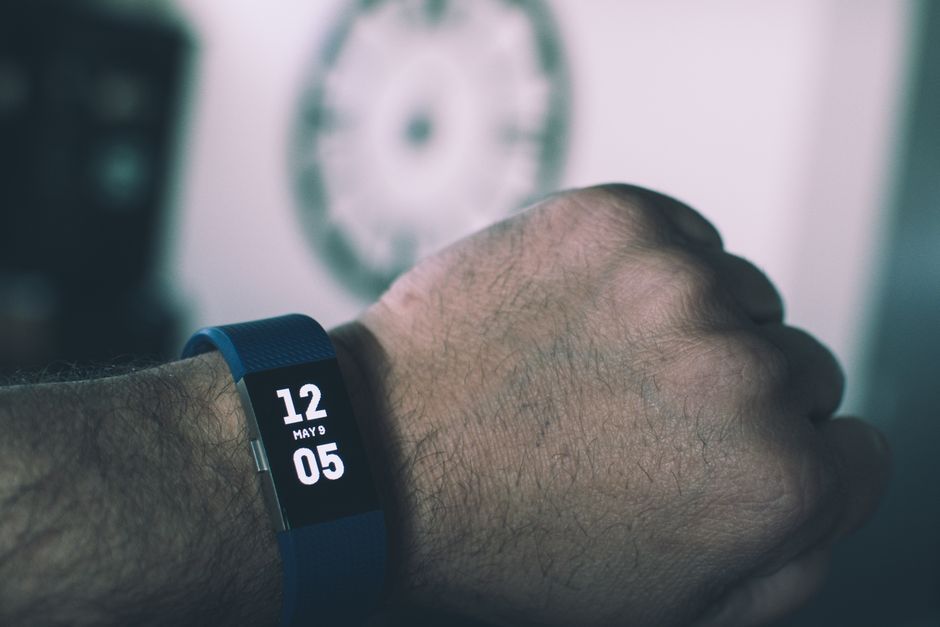
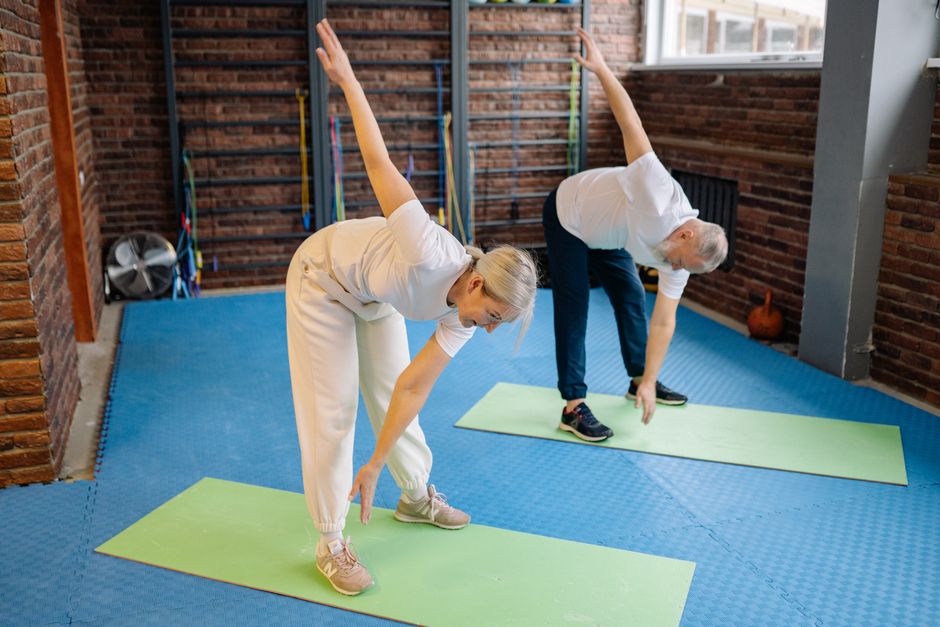
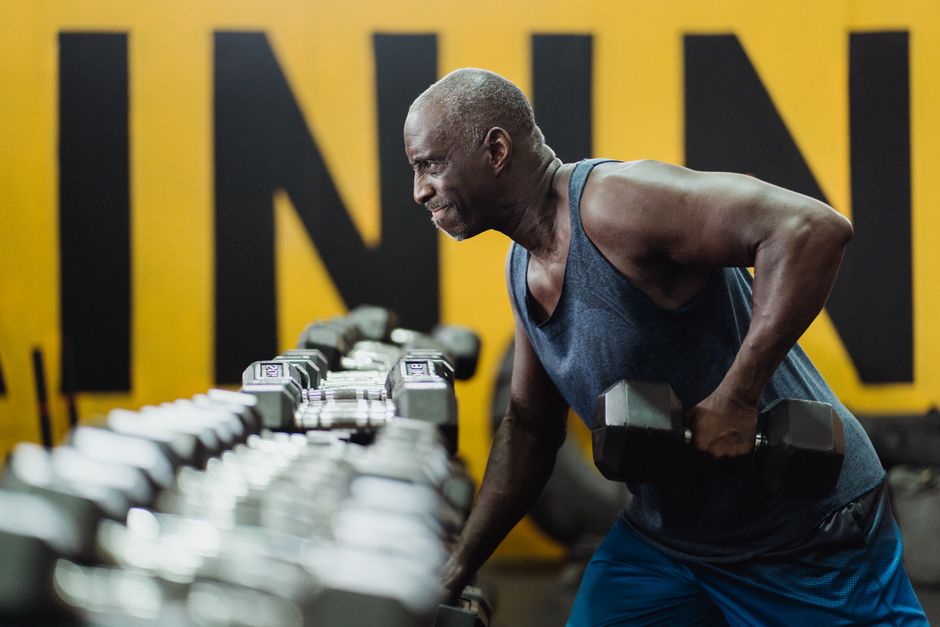
Something shifted in the fitness industry this past July, and if you missed it, you’re not alone. The American College of Sports Medicine published its 2026 Worldwide Fitness Trends report and landed on a combination that’s never appeared before: Wearable Technology at #1, Fitness Programs for Older Adults at #2. Back to back. For the first time ever. That’s not a coincidence. It’s a signal that two forces that have been moving in parallel are now genuinely converging, and if you’re over 60 and strength training, it matters more to you than to almost anyone else.
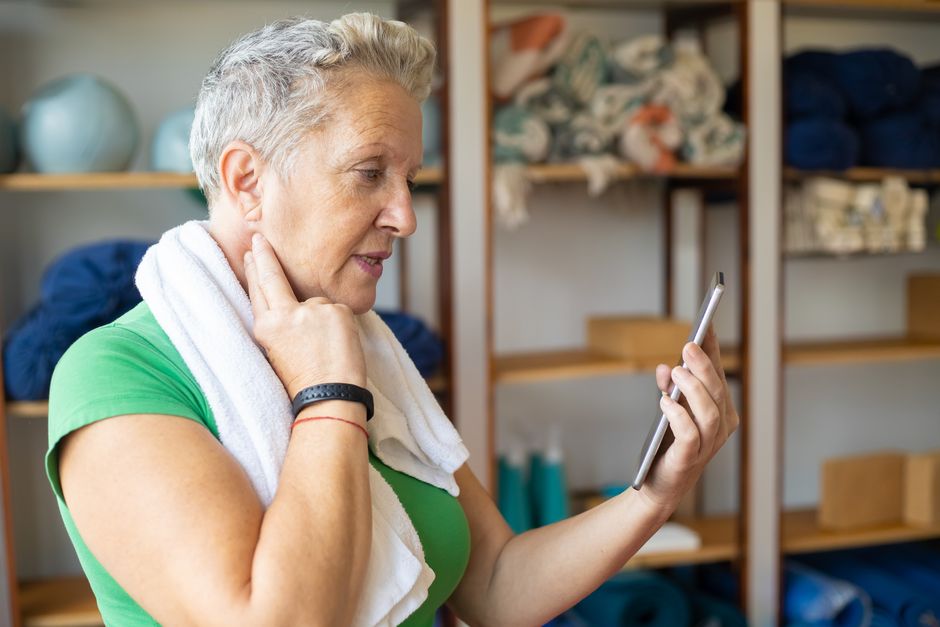
I’ll be honest, my first instinct was to be skeptical. Wearables have been “the next big thing” for years without delivering much that was actually useful for serious training. Step counts are fine. Calorie estimates are notoriously unreliable. But what’s happening in 2026 is different. The devices have caught up to the science. HRV monitoring, sleep staging, recovery scores, even fall-detection that doesn’t require you to press a button. These aren’t gimmicks anymore. They’re changing how trainers like me actually program for older clients, week to week, set to set.
What surprised me was the demographic data sitting underneath all of this. According to Pew Research Center, about 79% of adults 65 and older now use smartphones. That number makes wearable adoption practical in a way it simply wasn’t five years ago. And per a 2023 IHRSA report cited in the ACSM’s own survey data, adults 65 and older now visit gyms and fitness studios more frequently than any other age group. More than millennials. More than Gen Z. The oldest demographic is also, right now, the most consistent one.
- ACSM ranked Wearable Technology #1 and Fitness Programs for Older Adults #2 in its 2026 global trends report, a first-ever pairing.
- Adults 65+ now visit gyms more frequently than any other age group, per 2023 IHRSA data.
- 45% of adults over 50 felt more motivated to stay healthy after just 6 weeks of using activity or sleep trackers, per AARP.
- About 79% of adults 65+ use smartphones, making wearable integration more practical than ever.
- Programs branded "functional" or "active aging" consistently attract more older participants than those labeled "senior fitness."
Why HRV Is the Metric Older Adults Actually Need
Heart rate variability sounds technical. It isn’t, really. It’s a measure of the variation in time between your heartbeats, and it reflects how well your nervous system is recovering from stress, whether that stress is a hard training session, poor sleep, or just life. A higher HRV generally means you’re recovered and ready to push. A lower one is your body asking for a lighter day.
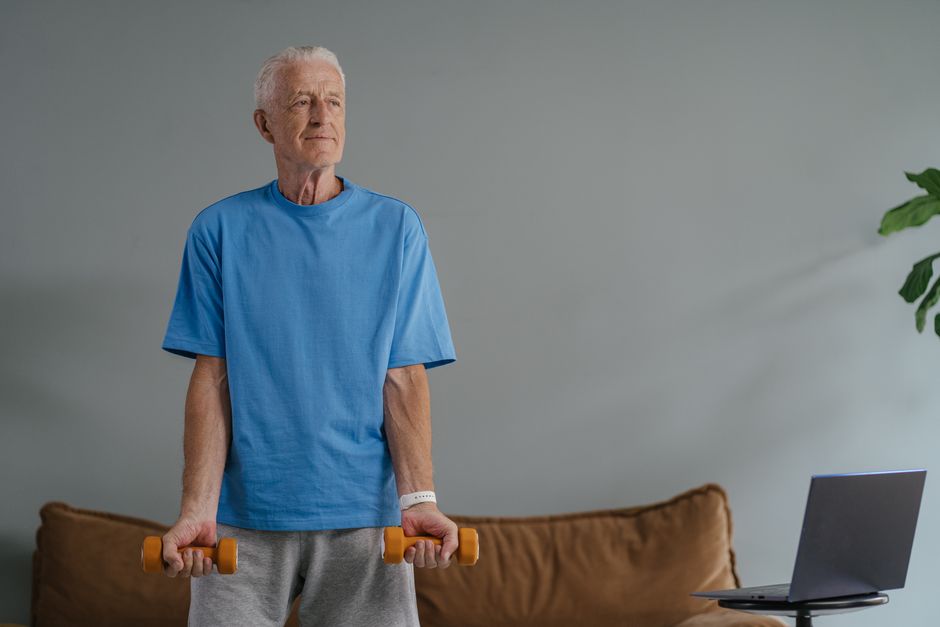
For adults over 60, this matters enormously. The recovery window after strength training lengthens with age. A 35-year-old might bounce back from a heavy squat session in 36 hours. A 68-year-old might need 72. The problem is that most older adults either don’t know this and overtrain, or they do know it and undertrain out of excessive caution. HRV data gives you something concrete to act on. If your score drops significantly, you pull back. If it’s strong, you load the bar.
The research here is mixed on precise thresholds, and any trainer who tells you there’s one magic HRV number is oversimplifying. But the directional value, tracking your own trends over time rather than comparing to population averages, is well-supported. Devices like the Oura Ring Gen3 and Garmin’s newer fitness watches now make this data accessible without requiring a clinical setting.
What Devices Are Actually Worth Your Attention
The market has gotten crowded fast. Not everything is worth your money, and not everything is designed with older users in mind. Here’s an honest comparison of the categories that matter most right now for strength-focused older adults:
| Device Category | Key Strength-Training Feature | Fall Detection | Approx. Price Range |
|---|---|---|---|
| Smart Ring (e.g., Oura Gen3) | HRV, sleep, recovery scoring | No | $299-$349 + subscription |
| GPS Fitness Watch (e.g., Garmin Forerunner 265) | Rep counting, strain tracking, HRV | Some models | $350-$500 |
| Medical-Grade Alert Watch (e.g., Apple Watch Ultra) | ECG, HRV, emergency SOS | Yes | $799+ |
| Basic Activity Tracker (e.g., Fitbit Inspire 3) | Steps, heart rate, sleep stages | No | $70-$100 |
The honest answer is that the “best” device depends entirely on what you’re trying to solve. If your main goal is periodizing your training using recovery data, a smart ring or GPS watch is where I’d look. If fall safety is part of the picture too, the overlap features on newer Apple Watch and certain Garmin models make the premium worth considering. Basic trackers still have value for motivation, and that’s not nothing.
The Motivation Effect Is Real, and Underrated
5 BEST Weight Training Tips If You're Over 60 Years Old · Live Anabolic on YouTube
I don’t want to breeze past the AARP finding, because trainers sometimes dismiss the motivational angle as soft data. An AARP study found that 45% of adults over 50 felt more motivated to stay healthy after using activity or sleep trackers for just six weeks. Six weeks. That’s a short window for a meaningful behavior shift.
Motivation is infrastructure. Without it, the best program in the world doesn’t get executed. For older adults who may be returning to exercise after a long gap, or managing chronic conditions that make consistency harder, having a device that reflects your effort back to you in concrete terms can bridge the gap between intention and action. That’s not a small thing.
The Rebrand Moment Nobody’s Talking About Enough
A 2024 industry report found something that should make fitness professionals rethink their marketing immediately. Programs labeled “low-intensity,” “functional,” or “active aging” consistently attract more older participants than those branded “senior fitness.” The word “senior” is, apparently, a participation deterrent.
This matters for wearable adoption too. The older adults driving gym attendance right now aren’t identifying as “seniors who need special help.” They’re identifying as athletes managing recovery, as people who train. The wearable industry, mostly by accident, has built products that frame fitness exactly that way. Your recovery score doesn’t know how old you are. Your HRV trend doesn’t come with a “senior” label. That framing turns out to be exactly what this demographic responds to.
Talking to Your Trainer (or Finding One Who Gets This)
If you’re working with a trainer and they haven’t asked about your sleep data or recovery scores yet, bring it up yourself. The convergence the ACSM is pointing to in its 2026 report isn’t just a trend for gym owners. It’s a practical workflow shift. Trainers who know how to read HRV trends and adjust progressive overload accordingly are delivering meaningfully better outcomes for older clients.
A few cautions worth naming: wearable data is not medical data. If something looks alarming on your device, talk to your doctor before adjusting your training. The accuracy of consumer HRV monitors varies, and no device should replace a conversation with a healthcare provider about underlying conditions. What these tools do well is reveal patterns over time. They’re a conversation starter, not a diagnosis.
The picture that’s emerging in mid-2026 is one I find genuinely encouraging. The oldest, most consistent gym demographic in the country now has access to recovery tools that were clinical-grade luxury just a few years ago, and the fitness industry is finally building programs to match. That’s a real shift. Worth paying attention to.
Sources
- ACSM: The Future of Fitness , Top Trends for 2026 (July 2026)
- 2026 ACSM Worldwide Fitness Trends (ACSM’s Health & Fitness Journal) (November/December 2025, cited July 2026)
- 12 Best Health Monitoring Devices for Elderly Adults (AR Home Care) (June 2026)
- Best Fitbit for Seniors in 2026 (SeniorSite) (May 2026)
Photo: Brett Sayles via Pexels
This article is for general informational purposes only and does not constitute medical or fitness advice. Consult your physician or a licensed physical therapist before starting a new exercise program, especially if you have existing health conditions.