 Linda Chen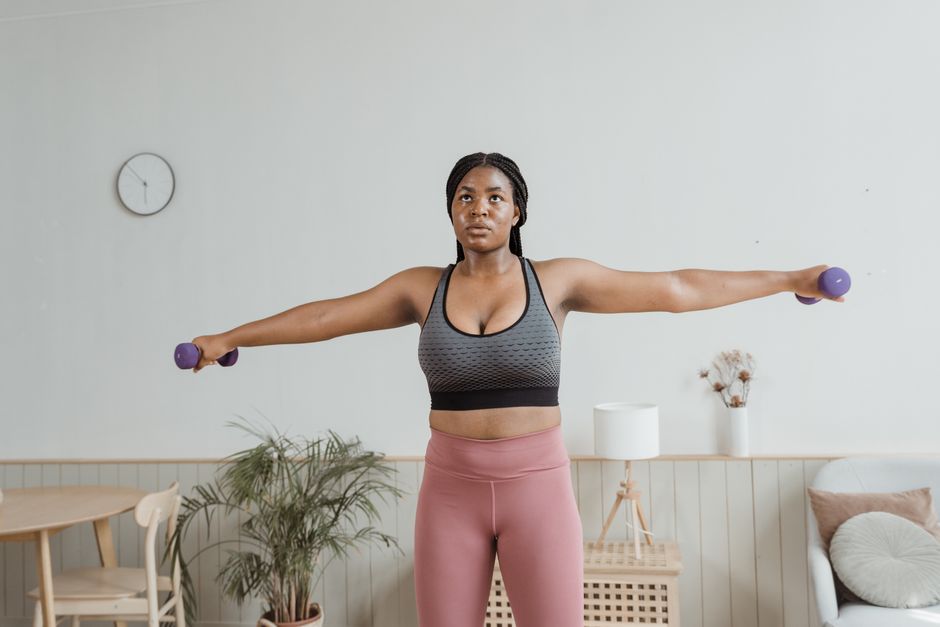
Most people are told the same three things about bone health after 60: drink your milk, take calcium, and don’t fall. I spent years repeating some version of that myself before I started actually digging into the research. What I found was messier, more interesting, and honestly more hopeful than that tidy little checklist suggests.
I’ll be honest: I got curious about this after working with a client named Margaret, a 67-year-old retired librarian from Portland who’d been dutifully taking 1,200mg of calcium supplements every day for four years. Her follow-up DEXA scan still showed declining bone density in her lumbar spine. Her doctor was baffled. Her trainer (me, at the time) was embarrassed. Because I thought I’d been giving her the right advice.
That experience sent me down a serious rabbit hole. And what surprised me was how much of the standard bone health guidance has quietly been revised by researchers, while the public-facing advice hasn’t caught up.
The Calcium Myth Isn’t Quite What You Think
Here’s the part that stings a little: calcium supplementation alone, especially in high doses from pills, has a genuinely mixed track record in older adults. A large 2019 JAMA Internal Medicine analysis found that dietary calcium was associated with reduced fracture risk, but calcium supplements were not, and higher supplement doses were linked in some studies to cardiovascular concerns. The research here is legitimately contested. I don’t want to overstate it or wave you off calcium entirely. But the idea that swallowing a pill fills in for bone architecture? That’s oversimplified.
What matters more is how your body uses calcium, which is where the real story gets interesting.
Vitamin D isn’t just a “helper” nutrient. It’s the gatekeeper. Without adequate D, you absorb somewhere between 10 and 15 percent of the calcium you consume. With sufficient levels, that rises to 30 to 40 percent. The National Osteoporosis Foundation currently recommends adults over 50 get 800 to 1,000 IU of vitamin D daily, but many clinicians working with older adults will tell you that’s a floor, not a ceiling, and that testing your actual 25(OH)D blood level is far more informative than guessing.
And then there’s vitamin K2, which almost nobody talks about in mainstream fitness circles. K2 (specifically the MK-7 form) activates osteocalcin, a protein that helps bind calcium to bone matrix rather than letting it float around in your bloodstream or deposit in arterial walls. The Rotterdam Study, which followed over 4,800 Dutch adults, found that high dietary K2 intake was associated with a 57% lower risk of death from aortic calcification and significantly reduced vertebral fractures. A 57% reduction. That’s not a footnote number, that’s a headline. And yet I’d guess nine out of ten people over 60 have never heard of K2.
What Actually Stresses Bone (in the Right Way)
Bone is not passive tissue. It responds to mechanical load. When your muscles pull on bone during movement, specialized cells called osteoblasts get the signal to lay down new bone material. No load, no signal. This is why astronauts in zero gravity lose bone density at alarming rates, and why bedrest is genuinely dangerous for older adults beyond just cardiovascular deconditioning.
The type of loading matters enormously. Walking is good, full stop. But it’s not a complete solution. Studies consistently show that higher-impact or higher-resistance activities produce meaningfully greater bone stimulus than steady-state walking alone. A well-designed 2022 study published in the Journal of Bone and Mineral Research found that postmenopausal women who did progressive resistance training twice a week for 12 months had measurably better femoral neck bone density than a matched group who did brisk walking.
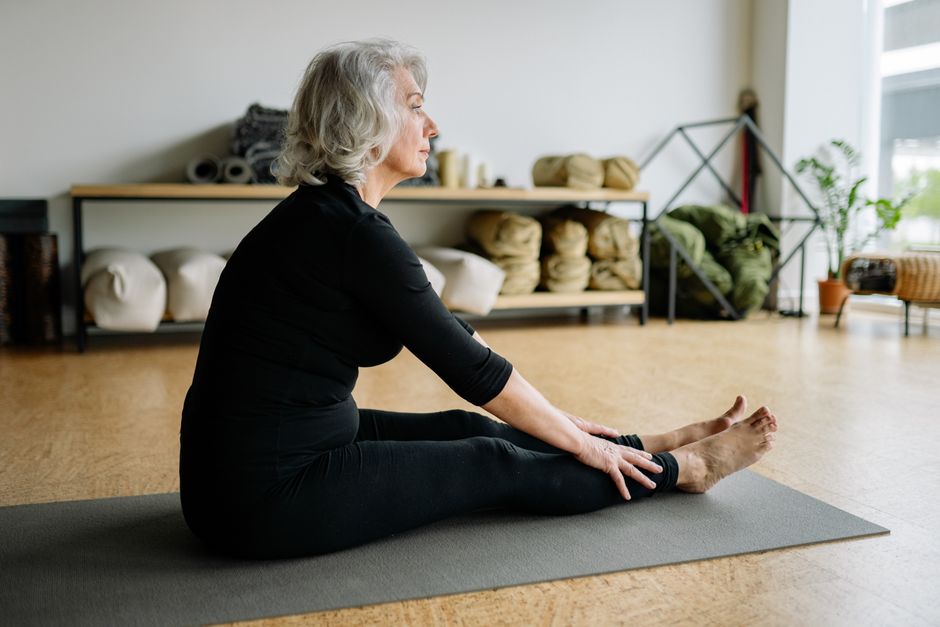
What surprises most of my clients is that the exercise doesn’t have to be extreme. The key word in that study is “progressive.” You have to keep increasing the challenge, even slightly, or bone stops adapting. This is the detail that gets glossed over in most group fitness classes, and it’s why “chair yoga three times a week” probably isn’t going to reverse bone loss, even though it’s genuinely good for other reasons.
For bone-specific stimulus, the activities that consistently show up in the literature are:
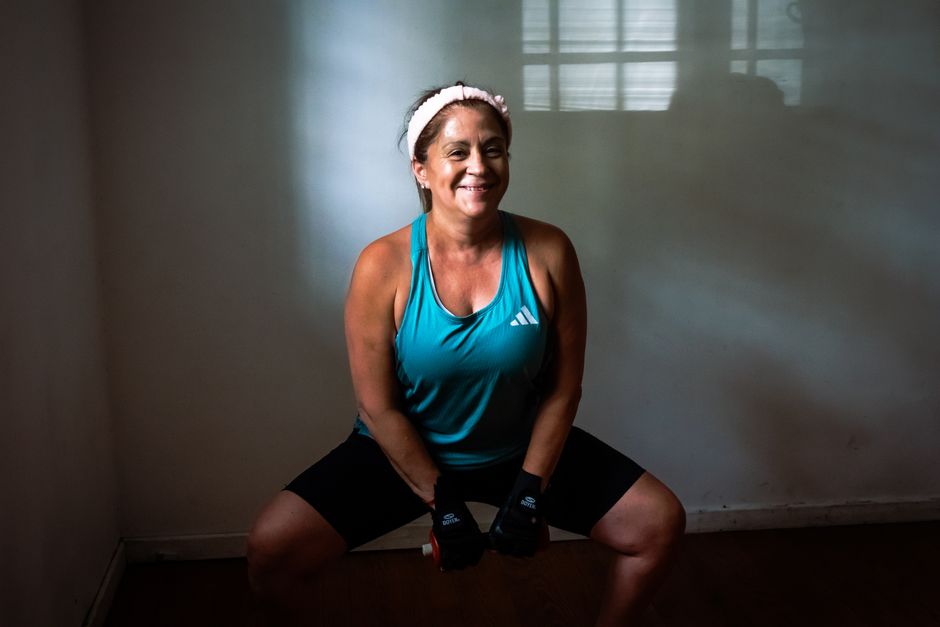
Resistance training using compound movements like squats, deadlifts, rows, and overhead pressing. Not necessarily with heavy barbells. Resistance bands, body weight with progression, and cable machines all count. The load needs to be sufficient that your muscles are genuinely working.
Impact activity like brisk walking, light jogging if your joints tolerate it, pickleball (which is having a genuine moment in the 65+ crowd), dancing, and stair climbing. The ground reaction force through your skeleton is the stimulus.
Balance and proprioception work, which doesn’t build bone directly but radically reduces fracture risk by preventing the falls that cause them. Single-leg stands, tandem walking, and Tai Chi have all shown meaningful fall-prevention data.
The Nutrients Almost No One Gets Right
The ONLY 3 Exercises You Need to Prevent FALLS After 65 · Will Harlow – Over-Fifties Specialist Physio on YouTube
Let me put the main players side by side, because I’ve seen a lot of people spending money in the wrong places.
| Nutrient | What it does for bone | Daily target (60+) | Best food sources | Supplement notes |
|---|---|---|---|---|
| Calcium | Structural mineral in bone matrix | 1,200mg (from food + supplement combined) | Dairy, sardines with bones, fortified tofu, kale | Don’t exceed 500mg per dose; split doses absorb better |
| Vitamin D3 | Controls calcium absorption | 800-2,000 IU (test first) | Fatty fish, egg yolks, fortified milk; sunlight | D3 (cholecalciferol) absorbs better than D2 |
| Vitamin K2 (MK-7) | Directs calcium into bone, not arteries | 90-180 mcg | Natto, aged hard cheeses, some egg yolks | Poorly represented in most diets; supplement often warranted |
| Magnesium | Required for D3 activation; 60% of body’s supply is in bone | 320mg (women), 420mg (men) | Pumpkin seeds, dark chocolate, black beans, almonds | Often depleted; deficiency stalls D3 conversion |
| Protein | Provides collagen scaffold for bone | 1.0-1.2g per kg body weight | Eggs, fish, chicken, legumes | Older adults often under-eat protein; this is a real gap |
The magnesium piece took me a while to internalize. I thought I understood vitamin D, but I didn’t fully appreciate that D3 has to be converted to its active form (calcitriol) in the kidneys, and that process requires magnesium. If you’re D3-deficient despite supplementing, low magnesium might be the quiet reason. Testing serum magnesium is cheap and worth asking your doctor about.
The Protein Question No One Wants to Answer Honestly
For decades, there was a low-grade fear that high protein intake was bad for bones, the logic being that metabolizing protein generates acid that leaches calcium from the skeleton. I believed this for longer than I’d like to admit.
The current evidence has largely moved past this. The fear was based on studies using purified amino acids, not whole food protein, and it doesn’t appear to hold up when you look at actual populations eating normal food. If anything, adequate protein is correlated with better bone density in older adults, not worse. The NHANES data consistently shows that adults over 60 are chronically under-eating protein, often getting 0.6-0.7g per kg when they need closer to 1.0-1.2g.
Why does this matter for bone? Collagen makes up roughly 30% of bone by weight and is the structural scaffold that gives bone its toughness (as opposed to just its hardness, which is what mineral content determines). You can’t make collagen without adequate protein. Full stop.
Scenario: A 72-year-old man, 180 lbs, eating around 60g of protein daily, starts progressive resistance training. He plateaus quickly and his joints feel beat up. He increases protein to 100g daily through eggs, Greek yogurt, and canned salmon. Three months later, recovery improves, he’s lifting more, and his six-month DEXA shows his hip T-score held stable instead of declining as projected. Not a cure, not magic, but a real and measurable difference.
Starting (or Restarting) the Bone-Building Process
I want to be direct about timelines here, because unrealistic expectations cause people to quit.
Bone remodeling is slow. A full remodeling cycle takes roughly three to six months. Meaningful DEXA changes are typically measured over 12-24 months. You will not feel your bones getting stronger the way you feel a muscle pump. This is invisible progress for a long time, and that’s psychologically hard.
What you can do right now, in the first week:
Get a baseline DEXA scan if you haven’t had one. Many insurance plans cover it after 65 (check yours specifically, because coverage varies). Without a baseline, you’re flying blind.
Ask your doctor to run a full bone panel: 25(OH)D, PTH, serum calcium, and magnesium. These four together tell a much more complete story than vitamin D alone.
Start a resistance training program with qualified supervision if you’re new to it. This is the one place I’d actually spend money before spending it on supplements. Two sessions a week with a trainer who understands older adult physiology will do more in 12 months than a shelf full of calcium pills.
Scenario: Margaret (my Portland client from the beginning of this piece) stopped her 1,200mg calcium supplement, got her D3 level tested (it was 19 ng/mL, significantly low), started 2,000 IU of D3 daily with K2 MK-7 at 120 mcg, and began twice-weekly resistance training focused on squats, hip hinges, and rows. At her 18-month DEXA, her lumbar spine T-score had improved from -2.4 to -2.1. Modest, but statistically meaningful, and the first improvement she’d shown in years.
As of July 2026, DEXA scans typically cost between $75 and $250 out of pocket at imaging centers depending on your location, though Medicare Part B covers them every 24 months for people who meet certain risk criteria. Worth calling your plan directly.
Sources
- National Osteoporosis Foundation (current guidelines): Recommendations on calcium, vitamin D, and exercise for adults over 50. Available at nof.org.
- Bolland MJ et al., JAMA Internal Medicine (2019): Meta-analysis examining calcium supplement use and fracture risk in older adults.
- Gerdhem P et al., Journal of Bone and Mineral Research (2022): Comparative 12-month RCT on resistance training vs. walking for postmenopausal bone density.
- Geleijnse JM et al., Journal of Nutrition (Rotterdam Study, 2004): Dietary intake of menaquinone (K2) and reduced risk of coronary heart disease and bone fracture.
- Rizzoli R et al., Osteoporosis International (2018): Review of dietary protein and bone health in older adults; analysis of the evidence against the “acid load” hypothesis.
Photo: MART PRODUCTION via Pexels
This article is for general informational purposes only and does not constitute medical or fitness advice. Consult your physician or a licensed physical therapist before starting a new exercise program, especially if you have existing health conditions.