 James Cooper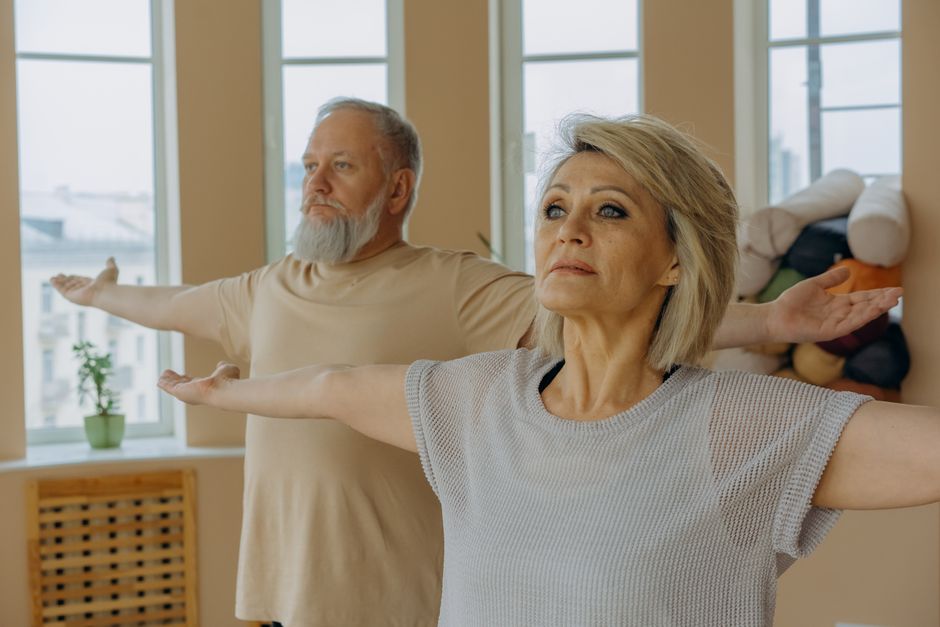
Sixty-three percent of adults over 65 with arthritis cut back on physical activity because of pain. I’ve worked with enough of them to know that’s usually the wrong move, and it costs them more than the pain itself ever could.
I get it. When your knees ache on the stairs, “exercise” sounds like someone handing you a lit match and telling you to be careful. But the research here is settled: appropriate movement reduces arthritis pain over time. Inactivity makes joints stiffer, weakens the muscles protecting your cartilage, and accelerates the functional decline that turns a bad knee into a life-limiting one. The science isn’t the problem. Figuring out what “appropriate” means for your specific joints, your specific day, and your specific flare-up status is where most people get lost.
That’s where generic advice falls completely flat.
The “No Pain, No Gain” Rule Is the Wrong Rule Here
The most dangerous fitness advice for someone with arthritis is the standard gym-culture idea that discomfort means progress. You need a different framework entirely.
I use a simple pain scale check during and after activity. A 2 or 3 out of 10 during exercise, what most people describe as mild awareness or a dull ache, is generally fine. If you’re hitting a 5 or above, or if your pain is noticeably worse for more than two hours after you finish, you’ve done too much. That “two-hour rule” comes directly from Arthritis Foundation guidance, and I’ve found it’s one of the most practical tools for helping people calibrate without a physical therapist standing next to them.
The goal isn’t to get through the workout despite the pain. It’s to find the version of the workout that doesn’t trigger that response, and then build from there. That might mean ten minutes instead of thirty. It might mean water instead of land. It might mean Tuesday is a rest day even though you felt fine Monday.
Rheumatoid arthritis adds another layer because of flares. During an active flare, you’re not trying to maintain your routine. Gentle range-of-motion movements, where you’re moving a joint through its comfortable arc without loading it, are usually fine and actually help prevent the stiffness that sets in with bed rest. But pushing through a flare to hit your step count is a mistake I’ve seen backfire badly.
What Actually Works: Movement Types That Earn Their Reputation
| Exercise Type | Impact Level | Key Benefit | Best For |
|---|---|---|---|
| Aquatic Exercise | Very Low (up to 90% joint load reduction) | Strength building with minimal joint stress | Significant hip/knee osteoarthritis |
| Strength Training | Low-Moderate | Builds shock-absorbing muscle; reduces pain progression | Knee osteoarthritis, functional decline prevention |
| Tai Chi | Low | Balance improvement, fall risk reduction | Proprioception maintenance, arthritis-related inactivity |
| Stationary Cycling | Low | Smooth joint arc, adjustable resistance | Knee arthritis, controlled progression |
| Walking | Moderate-High (on hard surfaces) | Accessible movement | Mild arthritis, good footwear/surface critical |
Not all exercise is equal for arthritic joints. I’d push back hard on the “just walk more” advice that well-meaning doctors have been handing out for decades.
Walking is fine. It’s not magic. For someone with significant hip or knee osteoarthritis on a hard surface, walking can actually be high-impact enough to increase pain if done too long or too fast. I’d rather someone do 15 minutes on a track with good footwear than 45 minutes on concrete.
Here’s what I’d actually prioritize:
Aquatic exercise is probably the best-kept secret in arthritis management. Water reduces the load on joints by up to 90% depending on depth, while still providing enough resistance to build strength. Classes like Arthritis Foundation Aquatic Program, offered at most YMCAs and community pools, are designed specifically for this population. I’ve had clients in their 70s with bone-on-bone knee arthritis do things in the pool they couldn’t touch on land. It’s not a consolation prize. It’s often genuinely better.
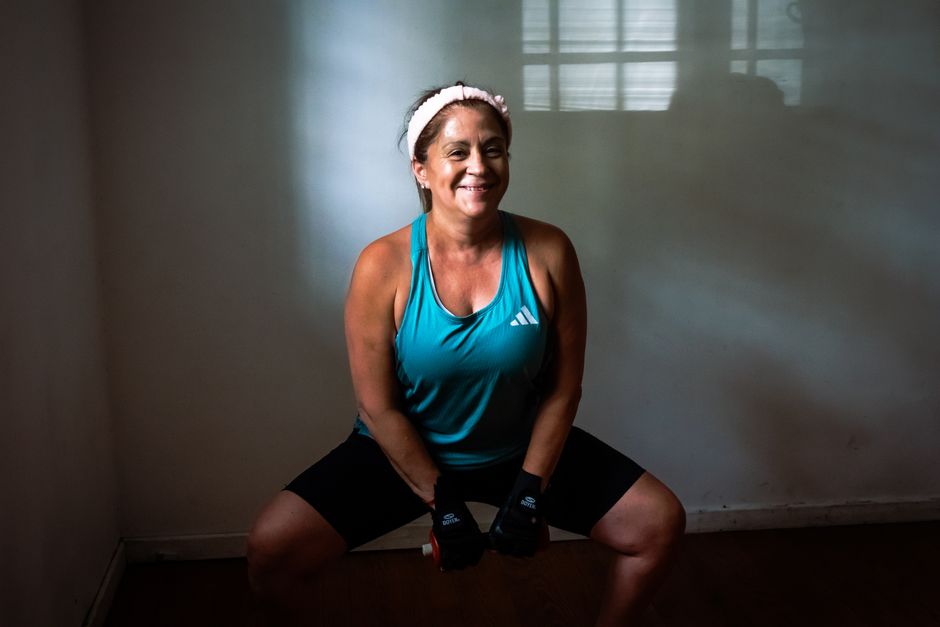
Strength training, done correctly, is non-negotiable. The muscles around a joint are its shock absorbers. Weak quads are one of the strongest predictors of knee pain progression. A 2019 study in Arthritis Care and Research found that progressive resistance training significantly reduced pain and improved function in adults with knee osteoarthritis. For most people over 60, that means starting with bodyweight or very light resistance and learning movement patterns before adding load. Machines like a leg press or a seated cable row are often more joint-friendly than free weights for beginners because they guide your range of motion.
Tai chi keeps showing up in the research. A well-cited 2016 trial in Annals of Internal Medicine compared tai chi to physical therapy for knee osteoarthritis and found comparable outcomes. The balance benefits matter significantly because one of the underappreciated risks of arthritis-related inactivity is increased fall risk as proprioception and strength decline together.
Cycling, stationary or outdoor, puts the knee through a smooth arc with minimal impact. Road cycling on uneven surfaces can jar things, but a quality stationary bike like the Schwinn 270 or the Sunny Health SF-B1805 (both around $300-400) gives you a controlled environment where you can adjust resistance gradually. Recumbent bikes are worth considering if upright positioning aggravates your hips or lower back.
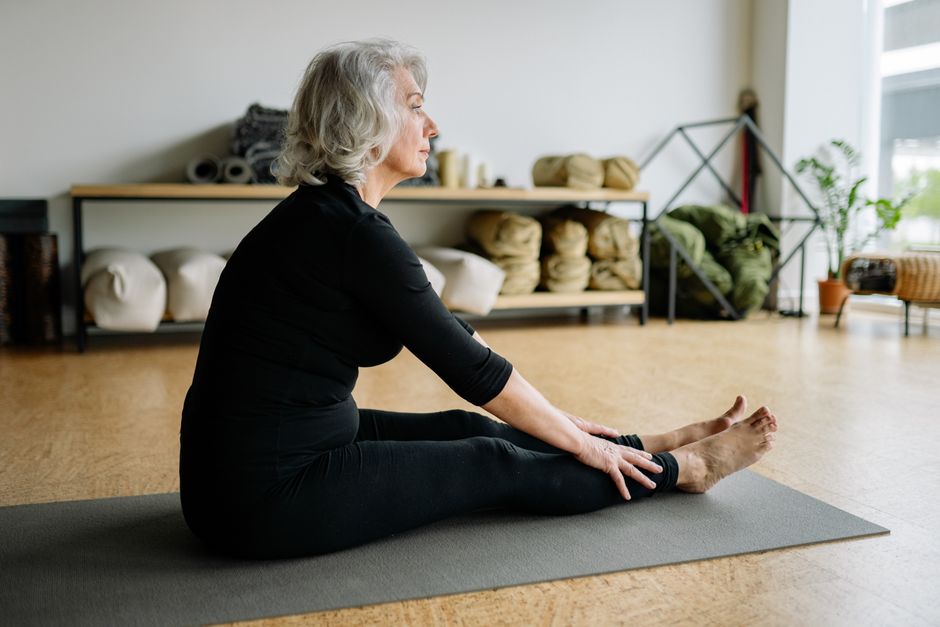
Yoga is more complicated. Some styles, especially hot yoga or vigorous vinyasa, aren’t appropriate for many people with arthritis. Restorative yoga or a class specifically designed for arthritis or seniors is a different experience entirely. If a yoga teacher doesn’t know what modifications to offer you before you even ask, that’s useful information.
Getting the Environment Right
Here’s what nobody talks about in fitness articles: the conditions under which you exercise matter as much as what you do.
Cold, damp weather genuinely increases joint stiffness for many people. There’s a physiological basis for this, not just folk wisdom. Morning stiffness is real. Trying to jump into a brisk walk at 7 AM in January without any warmup is a great way to feel terrible and give up. Ten minutes of gentle movement indoors before you head out, things like ankle circles, knee bends in a chair, shoulder rolls, changes the experience dramatically.
Footwear is underinvested in by almost everyone I see. A good walking or cross-training shoe with adequate cushioning and stability isn’t a luxury. It’s load management. Brooks Adrenaline GTS, New Balance 990v5, and Hoka Bondi are shoes I’ve recommended often, all in the $130-160 range. Custom orthotics can help significantly for ankle and knee arthritis, and many insurance plans cover them with a prescription.
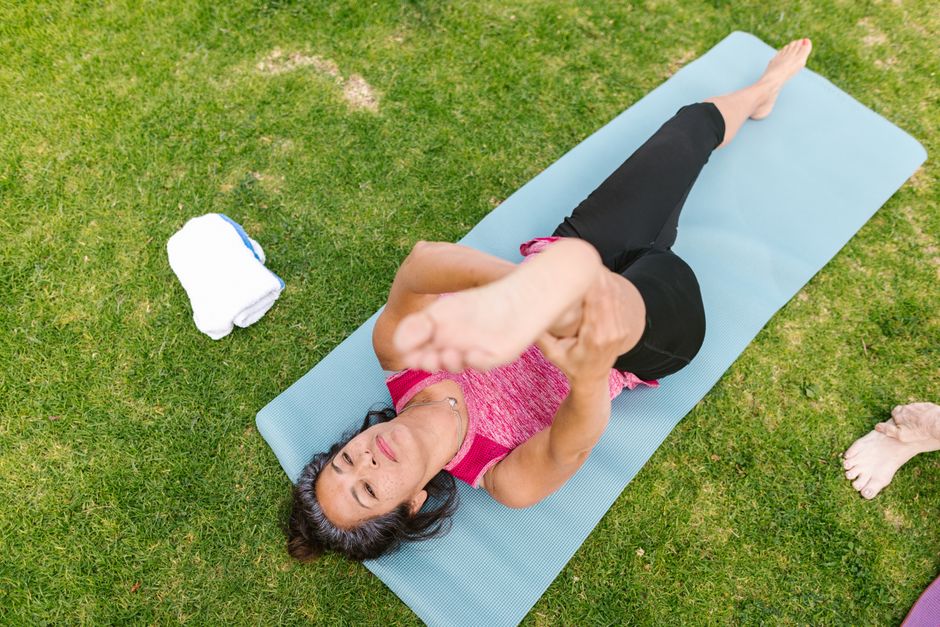
The surface you exercise on matters too. Grass or a rubberized track beats concrete every time. If you’re doing home exercise, an interlocking foam mat (the kind sold for garage gyms, around $30-50 for a basic setup) under your feet makes standing exercises noticeably more comfortable.
Working With Your Healthcare Team, Without Getting Lost in It
Sources
- Mikhail Nilov
- here is settled: appropriate movement reduces arthritis pain over time
- in Arthritis Care and Research found that progressive resistance training sign
I’ve watched people spend six months on waiting lists for a rheumatologist while their conditioning gets worse. That’s frustrating, and the system’s limits are real.
If you’re managing arthritis with a primary care physician, ask specifically for a physical therapy referral before you start any new exercise program. A good PT will assess your specific joint involvement, watch you move, and give you a baseline program tailored to what’s actually compromised. That’s worth infinitely more than a generic YouTube routine, even a good one.
If PT isn’t accessible right now (cost, waitlist, location), the Arthritis Foundation’s free online resources and their Walk With Ease program are genuinely solid starting points developed with clinical input. Not the same as one-on-one care, but not nothing either.
Be specific with your doctor about what you want. “Can I exercise?” gets you a yes or no. “I want to start using a stationary bike three days a week and I’m wondering if there are any movements I should avoid given my hip involvement” gets you an actual useful conversation.
The hardest thing about exercising with arthritis isn’t the physical part. It’s rebuilding trust with your own body after pain has made movement feel like a threat. That takes time and usually some professional guidance. But I’ve watched people in their 70s and 80s, people who came to me convinced their exercising days were behind them, get back to hiking, swimming, cycling, even light pickleball. Not by ignoring their arthritis. By figuring out how to work with it.
That’s the version of “stay active” that actually holds up.
Photo: Mikhail Nilov via Pexels
This article is for general informational purposes only and does not constitute medical or fitness advice. Consult your physician or a licensed physical therapist before starting a new exercise program, especially if you have existing health conditions.