 Robert Davis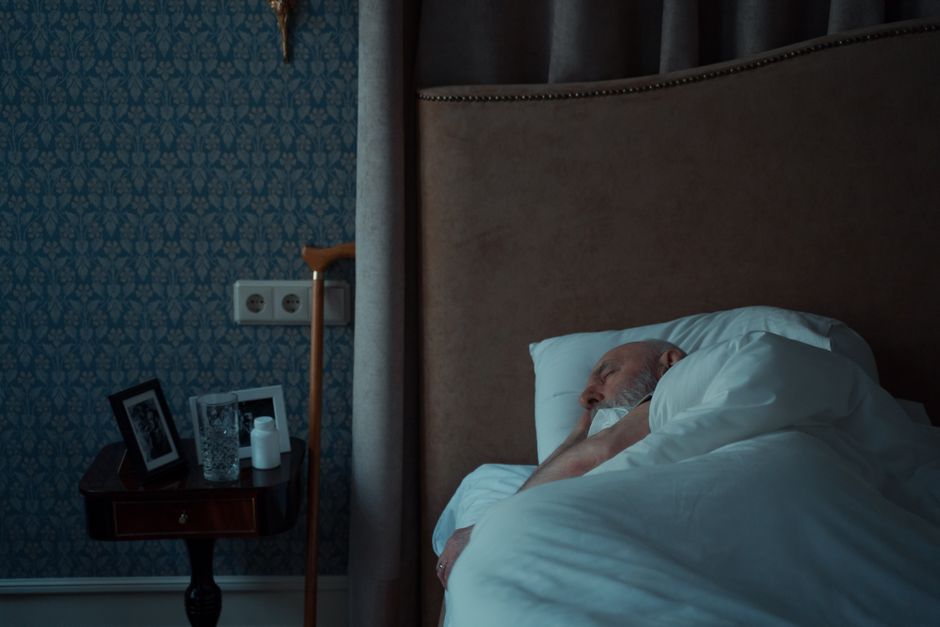
The Sleep Struggle: Why Nights Get Tougher After 60
2 AM. Ceiling staring. Again. If you’re over 60, nearly half of older adults are right there with you, wrestling with insomnia or just plain awful sleep. The frustration is legitimate, but here’s the thing: you can actually fix this. The right strategies work.
Your body changes how it sleeps. That’s normal aging, not a life sentence. Less melatonin production, an earlier circadian rhythm, health conditions kicking in. Once you understand what’s happening, you can actually do something about it.
Why Senior Sleep Patterns Change
| Sleep Factor | Recommendation | Why It Matters |
|---|---|---|
| Room Temperature | 65-68°F | Triggers sleep signals; cooler temps improve sleep quality |
| Bedtime Wind-Down | 30-60 minutes | Gives your body transition signal before sleep |
| Afternoon Nap Duration | 20-30 minutes max | Longer naps wreck nighttime sleep |
| Nap Cutoff Time | Before 3 PM | Prevents interference with nighttime sleep |
| Morning Light Exposure | 20-30 minutes, within 1 hour of waking | Anchors circadian rhythm; improves nighttime sleep |
| Caffeine Cutoff | 2 PM or earlier | Caffeine stays in your system 10+ hours at age 60+ |
| Fluid Cutoff Before Bed | 2-3 hours | Reduces nocturia (nighttime bathroom trips) |
| Recommended Sleep Duration | 7-9 hours | Optimal restorative sleep for older adults |
After 50, your brain starts producing less deep, restorative sleep. You wake more often. Eight hours in bed feels like four. It’s not in your head.
The physical stuff is real. Melatonin drops. Your body temperature regulation gets weird, meaning you overheat in bed more easily. Muscles tighten. Joints get stiff. Finding a comfortable position becomes an actual problem.
Then there’s what doctors call the “health condition” layer. Sleep apnea, restless leg syndrome, waking up five times a night to pee, chronic pain from arthritis. Medications for blood pressure or depression mess with sleep too. Figure out what’s actually causing your sleeplessness, and you’ve won half the battle.
Create Your Ideal Sleep Environment
Your bedroom should feel like the opposite of the rest of your life. Cool (around 65-68°F), dark, quiet. These things trigger your body’s sleep signals automatically.
Blackout curtains or an eye mask block light completely. Even dim light suppresses melatonin. If noise is an issue, white noise machines, earplugs, or a simple fan help. The difference is bigger than you’d expect.
Your mattress and pillows actually matter. An old, sagging mattress will keep you awake with body ache. Get a pillow that keeps your neck neutral (cervical pillows are especially good for side sleepers). If you can swing it, memory foam or latex beats old spring mattresses by a lot.
Pro Tip: Keep the room cool but use warm bedding. That combination tells your body it’s sleep time while keeping you comfortable.
Go for breathable natural fibers: cotton, bamboo. They regulate temperature better than synthetics. Wash sheets weekly in unscented detergent to keep allergens down.
Establish a Consistent Sleep Schedule
Your body craves routine. Same bedtime, same wake time, even weekends. This regulates your internal clock and improves sleep quality significantly.
Pick a bedtime that gives you 7-9 hours before you naturally wake. Wake at 6 AM? Aim for 9-10 PM bed. The specific time matters less than doing it consistently.
The 30-60 minute wind-down before bed is just as important. Dim lights, lower temperature, nothing stimulating. Your body needs that transition signal.
Skip long naps. They wreck nighttime sleep. If you need afternoon rest, keep it to 20-30 minutes and finish before 3 PM.
Manage Light and Your Circadian Rhythm
Light controls your sleep-wake cycle more than almost anything else. Your circadian rhythm shifts earlier as you age, which is why many seniors get sleepy at 8 PM and wake at 4 AM.
Get bright light early in the day, ideally within an hour of waking. A 20-30 minute walk outside works best, but bright window light counts too. This anchors your rhythm and improves nighttime sleep.
In the evening, kill the bright light. Blue light from phones and tablets suppresses melatonin. Use blue light glasses if you must use screens, or just switch to actual books instead.
Wake at 3 AM? Don’t check the time or your phone. The light and the anxiety about lost sleep actually make it harder to fall back asleep. Stay dark and try breathing exercises instead.
Nutrition and Hydration for Better Sleep
Your food choices directly affect sleep. Caffeine after 2 PM stays in your system way longer as you age (sometimes 10 hours). That includes coffee, tea, chocolate, energy drinks.
Eat your main meal at lunch. Heavy dinners disrupt sleep. Hungry before bed? Grab a banana with peanut butter, Greek yogurt, or almonds. These contain tryptophan and magnesium, both sleep promoters.
Cut fluids 2-3 hours before bed. Nocturia (nighttime bathroom trips) is one of the biggest sleep killers for older adults. If you take medication with food, do it at dinner instead of an evening snack.
Load up on magnesium-rich foods: leafy greens, pumpkin seeds, fish. Warm milk or herbal tea with chamomile or valerian root helps too. Skip alcohol at night. It makes you drowsy at first but destroys sleep structure and wakes you early.
Relaxation Techniques That Work
Your mind needs to actually power down. Tension and racing thoughts wreck sleep, but you can interrupt that pattern.
Progressive muscle relaxation works really well for older adults. Start with your toes. Tense each muscle group for 5 seconds, then release. It releases physical tension and gives your brain something to focus on besides worry.
Breathing exercises calm your nervous system. Try the 4-7-8 technique: breathe in for 4 counts, hold for 7, exhale for 8. It activates your parasympathetic nervous system, the sleep system. Do it in bed.
Meditation and mindfulness actually work. Even 5-10 minutes of guided meditation quiets racing thoughts. Apps like Insight Timer have free sleep meditations designed for older adults.
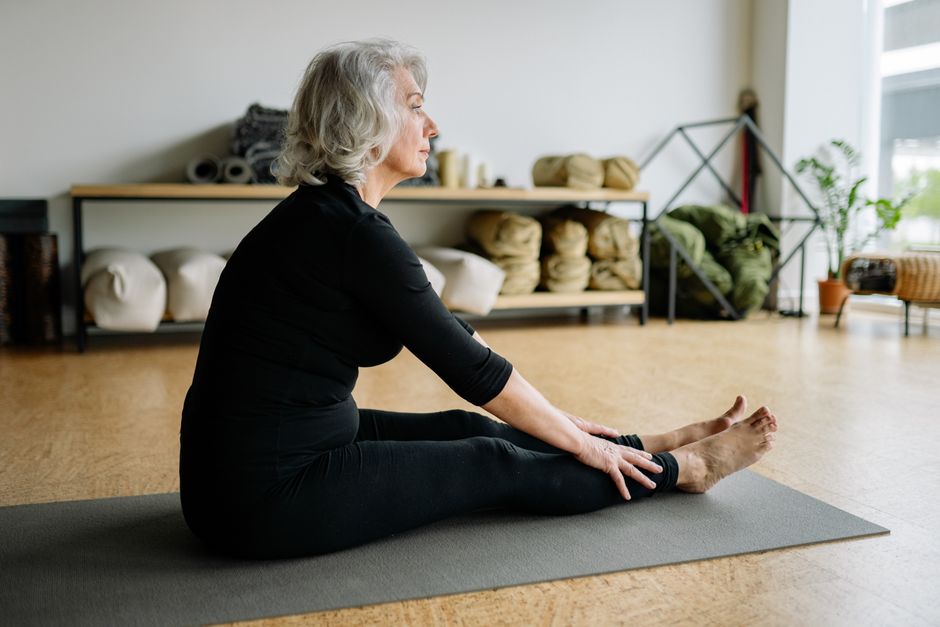
Gentle stretching or yin yoga before bed loosens tight muscles and reduces pain. It also lowers cortisol (your stress hormone) and promotes relaxation. YouTube has solid senior-friendly routines specifically for sleep.
When to Seek Professional Help
Sometimes lifestyle changes alone won’t cut it. If you’ve struggled with sleep for over a month despite trying these things, talk to your doctor. Sleep disorders are actual medical conditions that respond to treatment.
Sleep apnea is common in seniors and often goes undiagnosed. Loud snoring, gasping during sleep, feeling exhausted despite sleeping enough. A sleep study confirms it and leads to real solutions.
Your doctor might suggest cognitive behavioral therapy for insomnia (CBT-I), which works really well for older adults. It addresses the thought patterns and habits that keep insomnia going. Insurance often covers it.
Medications exist if you need them, but start with behavior change first. Your doctor can check whether current medications are tanking your sleep and adjust if needed. Always talk to your doctor rather than self-medicating.
Sources
- Nutramax Cosequin Senior Dog Soft Chews (60ct)
- Nutramax Cosequin DS Joint Supplement for Dogs (132ct)
- confirms it and leads to real solutions
Disclosure: As an Amazon Associate, we earn a small commission from qualifying purchases at no extra cost to you. We only recommend products that genuinely support the topics covered in this article.
- Nutramax Cosequin Senior Dog Soft Chews (60ct) (~$32), Senior-specific Cosequin formula with added Omega-3s, designed for aging dogs with joint and immune health needs.
- Nutramax Cosequin DS Joint Supplement for Dogs (132ct) (~$36), The #1 veterinarian-recommended joint supplement brand, clinically studied for reducing joint pain in dogs.