 Linda Chen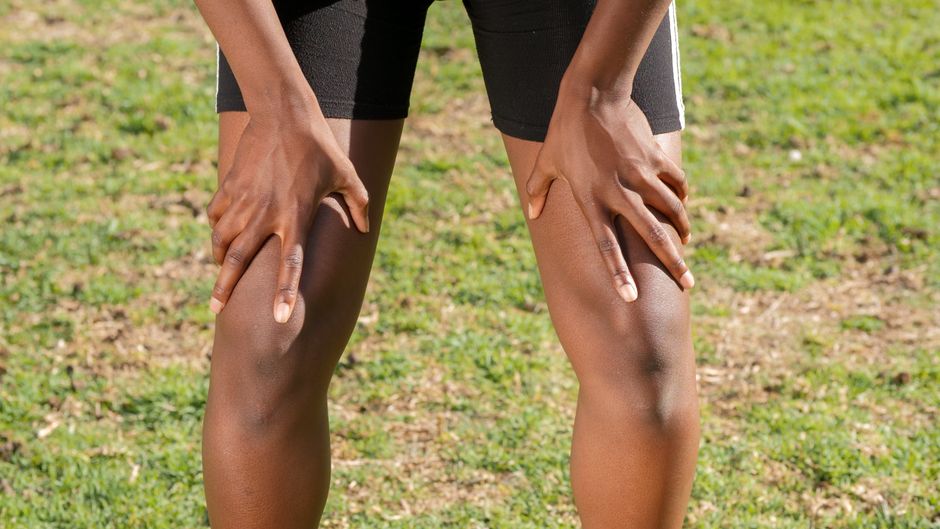
When Every Step Feels Like a Battle
That moment when you swing your legs out of bed and your knees ache before your feet even touch the floor. Millions of older adults know exactly what that feels like, and most of them don’t want surgery. The good news is that surgery often isn’t necessary.
Knee pain ranks among the most common complaints I hear from people over 60. Whether it’s from osteoarthritis, an old injury that never quite healed, or simply decades of use, the impact is real. It chips away at independence. But relief is absolutely possible without going under the knife.
Understanding What Is Causing Your Knee Pain
Most seniors dealing with knee pain have osteoarthritis, where cartilage gradually wears down inside the joint. But bursitis, tendinitis, and old ligament injuries happen too. Extra weight can accelerate the damage by putting constant pressure on the joint.
The specific cause matters because different problems respond to different fixes. Talk to your doctor or an orthopedic specialist first. Get a proper diagnosis before you start trying anything new.
Gentle Exercise That Actually Helps
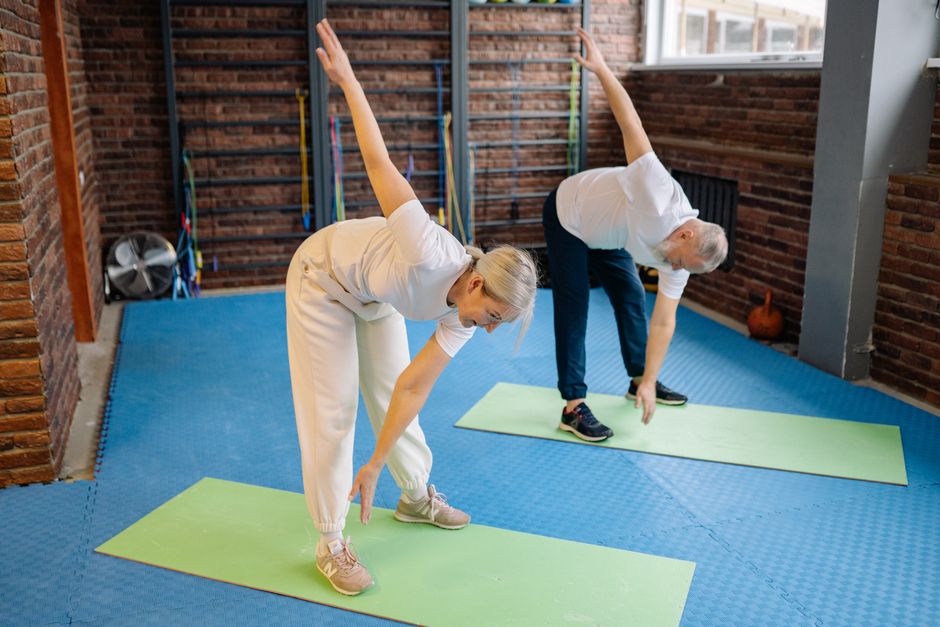
It sounds backward, but moving a painful knee is often the best thing you can do. Exercise lubricates the joint, strengthens the muscles around it, and loosens everything up.
The catch: it has to be gentle. No running. No jumping. Low-impact activities that keep your joints healthy without the strain.
Here’s what actually works:
- Straight leg raises: Strengthen your quadriceps without bending the knee
- Seated knee extensions: Gently improve range of motion from a chair
- Wall squats (shallow): Build thigh strength with controlled movement
- Water aerobics: Buoyancy reduces pressure while keeping you active
- Tai chi: Improves balance, flexibility, and reduces arthritis pain
- Walking on flat surfaces: Promotes circulation and joint health
Start slow. Consistency beats intensity. Even 15 to 20 minutes a day adds up fast.
Pro Tip: Do your knee exercises right after a warm shower when your joints are already loose. That one timing change makes movement noticeably easier.
Heat, Cold, and Other At-Home Remedies
Your best tools might already be in your house. Heat and cold are simple and genuinely effective for managing knee pain between doctor visits.
Cold therapy works right after activity or during a flare-up. Wrap an ice pack in a thin towel, apply it to your knee for 15 to 20 minutes to reduce swelling and dull sharp pain. Don’t put ice directly on bare skin.
Heat therapy works better for stiff, achy joints, especially mornings. A warm compress, heating pad, or warm bath relaxes the muscles and gets blood flowing to the area.
A few other options worth trying:
- Topical creams: Menthol, capsaicin, and diclofenac can ease pain in the spot where it hurts
- Compression sleeves: Gentle support that reduces mild swelling
- Elevation: Propping your leg up after activity drains fluid from the joint
- Epsom salt soaks: A warm foot or leg soak eases muscle tension
The Role of Weight Management and Nutrition
Photo by Gus Ruballo on Unsplash
Every pound of extra weight adds about four pounds of pressure on your knees. Lose 10 pounds, and you’re relieving 40 pounds of stress with each step. That’s not a minor tweak. It’s one of the most impactful moves you can make.
If weight loss would help your situation, work with your doctor or a registered dietitian on a plan that’s actually sustainable. That matters more than any extreme diet.
Food affects inflammation directly. Some foods feed it, others fight it. Load your plate with these:
- Fatty fish like salmon, sardines, and mackerel (loaded with omega-3s)
- Leafy greens such as spinach, kale, and Swiss chard
- Berries packed with antioxidants
- Olive oil as your go-to healthy fat
- Turmeric, where curcumin shows real promise for joints
- Nuts and seeds like walnuts and flaxseeds
Drink enough water too. Cartilage is mostly water. Aim for six to eight glasses daily.
Medical Treatments That Do Not Involve Surgery
Home remedies and exercise aren’t cutting it for everyone. Your doctor has other options that don’t require surgery and genuinely work.
Physical therapy is usually the first move. A licensed therapist designs a program specific to your exact problem, targeting weak muscles and imbalances.
Other solid non-surgical options:
- Corticosteroid injections: Reduce inflammation fast, offering relief for weeks to months
- Hyaluronic acid injections: Lubricate the joint and may reduce pain
- Platelet-rich plasma (PRP) therapy: Uses your own blood to promote healing
- Bracing and orthotics: Custom braces or shoe inserts shift weight away from damaged areas
- Acupuncture: Many seniors find significant relief this way
- TENS therapy: Gentle electrical pulses interfere with pain signals
Over-the-counter meds like ibuprofen or acetaminophen help short-term. Long-term use carries risks though, so check with your doctor, especially if you’re on other prescriptions.
Building a Lifestyle That Protects Your Knees
Photo by LOGAN WEAVER | @LGNWVR on Unsplash
Relieving knee pain isn’t just about treating what hurts right now. It’s about making daily choices that protect your joints long-term. Small habits slow arthritis progression and keep you active.
Make these adjustments:
- Use supportive, cushioned footwear instead of flat shoes or sandals
- Don’t sit or stand in one position for hours
- Use handrails when climbing stairs
- Choose firm chairs that don’t force deep knee bending
- Sleep with a pillow between or under your knees to reduce overnight strain
- Pace yourself and rest when pain gets too strong
Your home environment matters too. Grab bars in the bathroom, a raised toilet seat, and non-slip mats reduce fall risk and ease strain during everyday movements.
You Deserve to Move Freely and Live Well
Knee pain doesn’t have to mean losing your independence or the activities you love. Gentle exercise, smart food choices, medical support, and protective daily habits can genuinely relieve knee pain without surgery.
Pick one or two changes this week. Talk to your doctor about what’s right for you. Every step toward better knee health is a step toward a more active, comfortable life.
Photo by Edagar Antoni Ann on Unsplash
Sources
Disclosure: As an Amazon Associate, we earn a small commission from qualifying purchases at no extra cost to you. We only recommend products that genuinely support the topics covered in this article.
- Nutramax Cosequin Senior Dog Soft Chews (60ct) (~$32), Senior-specific Cosequin formula with added Omega-3s, designed for aging dogs with joint and immune health needs.
- Nutramax Cosequin DS Joint Supplement for Dogs (132ct) (~$36), The #1 veterinarian-recommended joint supplement brand, clinically studied for reducing joint pain in dogs.