 Dr. Patricia Williams
If you’ve watched a parent grip the wall for balance or shuffle carefully across a slippery floor, you already know that quiet fear. Falls are the leading cause of injury among older adults, and reducing fall risk in elderly parents is genuinely one of the most important things a family can do. The good news? Most falls are preventable. It takes home changes, the right exercises, and daily habits. That’s it.
Why Falls Are So Dangerous for Older Adults
A fall at 70 isn’t like a fall at 30. A single one can mean a hip fracture, a head injury, a long hospital stay that fundamentally changes someone’s life.
But here’s what people miss: even a fall that doesn’t cause serious injury often leaves lasting psychological damage. The fear of falling again leads to less movement, weaker muscles, and paradoxically, a much higher chance of falling in the future. It’s a spiral.
After age 60, your body changes in ways that make falls especially risky:
- Bones become more brittle with age, increasing fracture risk
- Healing takes longer and complications are more common
- Balance and reaction time naturally decline over the years
- Many medications affect coordination and dizziness
- Vision changes make it harder to spot hazards underfoot
The Most Common Causes of Falls in Seniors
Most falls don’t happen because of one thing. They happen because of several things colliding at once.
Some come from inside the body, muscle weakness, poor balance, medication side effects. Others come straight from the environment: loose rugs, poor lighting, cluttered hallways. The smart approach is to address both.
Here’s what shows up most often:
- Weak leg and core muscles that can’t respond quickly to a stumble
- Poor balance and coordination from inactivity or neurological changes
- Medications such as blood pressure drugs, sleep aids, or sedatives
- Hazardous home environments including slippery floors and loose carpets
- Low blood pressure when standing up too quickly (orthostatic hypotension)
- Footwear problems like worn-out soles or ill-fitting shoes
- Chronic conditions such as Parkinson’s disease, arthritis, or diabetes
Simple Home Modifications That Make a Big Difference
Photo by charles Lebegue on Unsplash
Most falls happen at home. Small changes work.
You don’t need a major renovation. Just walk through with fresh eyes and think about where your parent is most vulnerable. The bathroom is almost always the answer.
Bathroom safety tips:
- Install grab bars near the toilet and inside the shower or tub
- Use a non-slip bath mat inside and outside the shower
- Consider a shower chair or bench for extra stability
- Raise the toilet seat height with an inexpensive adapter
Throughout the rest of the home:
- Remove throw rugs or secure them with non-slip tape
- Keep pathways clear of clutter, cords, and pet toys
- Add nightlights in hallways, bedrooms, and bathrooms
- Make sure handrails on both sides of all staircases are secure
- Keep frequently used items at waist height to avoid reaching overhead
Pro Tip: Ask your parent’s doctor about a free or low-cost home safety assessment. Many local area agencies on aging and Medicare Advantage plans offer in-home evaluations performed by occupational therapists who specialize in fall prevention.
Exercises That Build Balance and Strength
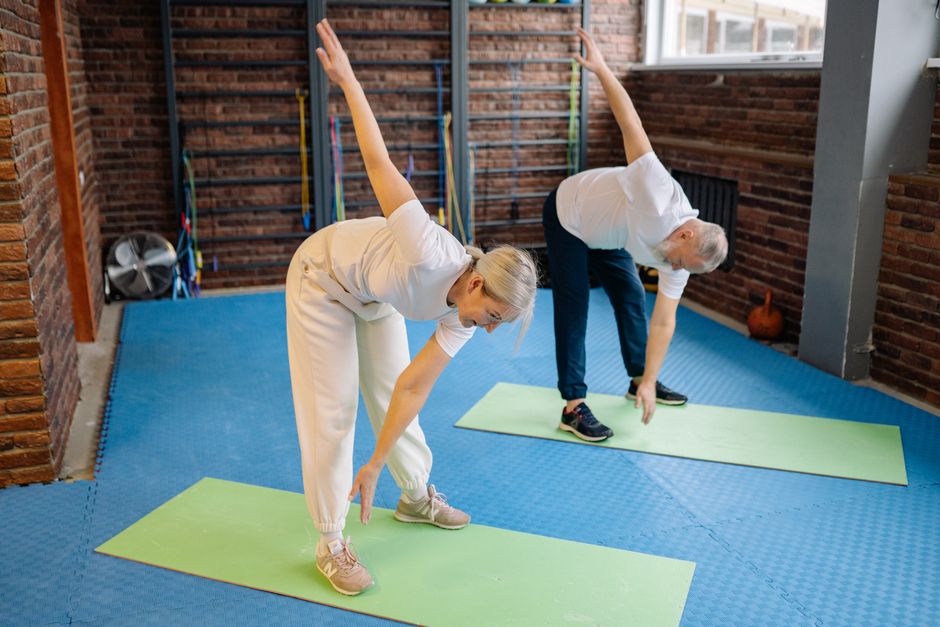
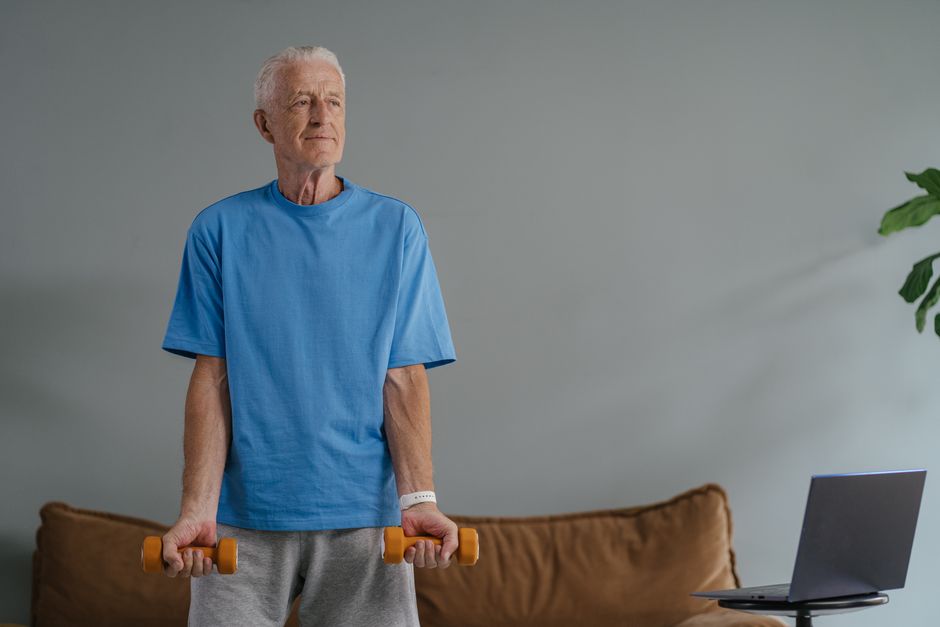
Exercise is the most powerful tool you have to reduce fall risk in elderly adults. It’s never too late to start, and even gentle, consistent movement rebuilds the strength and balance that prevent falls.
Research shows that programs focusing on balance training and lower-body strengthening can reduce falls by up to 30%. The real trick is finding exercises that feel safe and enjoyable enough that your parent will actually do them.
Beginner-friendly exercises for fall prevention:
- Chair stands: Slowly rise from a chair without using your hands, then sit back down. Repeat 10 times to strengthen thighs and hips.
- Heel-to-toe walking: Walk in a straight line placing one foot directly in front of the other, like walking a tightrope. Hold a wall for support if needed.
- Single-leg stands: Stand on one foot for 10-30 seconds while holding a countertop. Switch sides.
- Calf raises: Stand behind a chair, hold the back, and rise up on your toes. Lower slowly.
- Side leg raises: Stand behind a chair and lift one leg out to the side, hold briefly, and lower slowly.
Tai chi deserves special mention. Multiple studies have found it exceptionally effective for seniors because it combines slow, deliberate movement with balance training in a low-impact format that people actually enjoy doing.
Medication Review and Medical Checkups
Photo by Vitaly Gariev on Unsplash
Most seniors take four or more prescription medications daily. Certain combinations cause dizziness, lightheadedness, or delayed reactions. This is one of the most overlooked causes of falls and one of the easiest to fix.
Encourage your parent to bring a complete medication list to their next doctor’s appointment and ask directly about fall-related side effects. A pharmacist can also conduct a medication review and spot risky interactions.
Ask the doctor about:
- Blood pressure medications that may cause dizziness when standing
- Sleeping aids and anti-anxiety medications that impair balance
- Whether any prescriptions can be reduced or replaced
- A vitamin D and calcium check, since deficiency weakens bones and balance
- Vision and hearing screenings, both of which affect stability
Also request a referral to a physical therapist who specializes in balance and gait training. Even a short course of physical therapy teaches specific techniques that improve confidence and coordination.
Choosing the Right Footwear and Assistive Devices
What a senior wears on their feet matters enormously. Slippers with smooth bottoms, high heels, or shoes that are too loose all increase fall risk significantly.
The ideal shoe has a thin, non-slip rubber sole, a low heel, good arch support, and a firm fit around the heel. Look for Velcro closures if tying laces has become difficult.
Footwear checklist:
- Non-slip rubber soles with good grip
- Firm heel counter (the back of the shoe should feel rigid)
- Low or flat heel, avoid anything over one inch
- Proper fit, not too loose or tight
- Avoid walking barefoot or in socks on smooth floors
For seniors who need extra support, a cane or walker can provide significant stability. Make sure any assistive device is properly fitted by a physical therapist. An improperly used cane can actually increase fall risk.
Building a Supportive Routine and Communication Plan
Photo by Samuel Lopez Cruz on Unsplash
Fall prevention isn’t a one-time fix. It’s a daily habit.
Help your parent build a routine that includes exercise, hydration, and regular sleep. Dehydration and fatigue are surprisingly common fall triggers in older adults. Encourage water throughout the day and rest when tired instead of pushing through exhaustion.
Have an honest family conversation about fall risk. Many seniors resist changes because they feel it threatens their independence. Frame it around staying safe so they can remain independent, not so they need more supervision. That distinction matters.
A simple emergency alert system also helps. Medical alert devices that detect falls automatically or allow your parent to call for help with a button press give peace of mind to everyone.
You Can Help Keep Your Parent Safe
Sources
Reducing fall risk in your elderly parent is one of the most loving things you can do, and it doesn’t have to feel overwhelming. Start with one or two changes. Celebrate each small improvement. Build from there.
With the right exercises, a safer home, proper footwear, and open communication with their healthcare team, your parent can stay steady, strong, and independent for many more years.
Photo by Eduardo Cano Photo Co. on Unsplash