 Helen Santos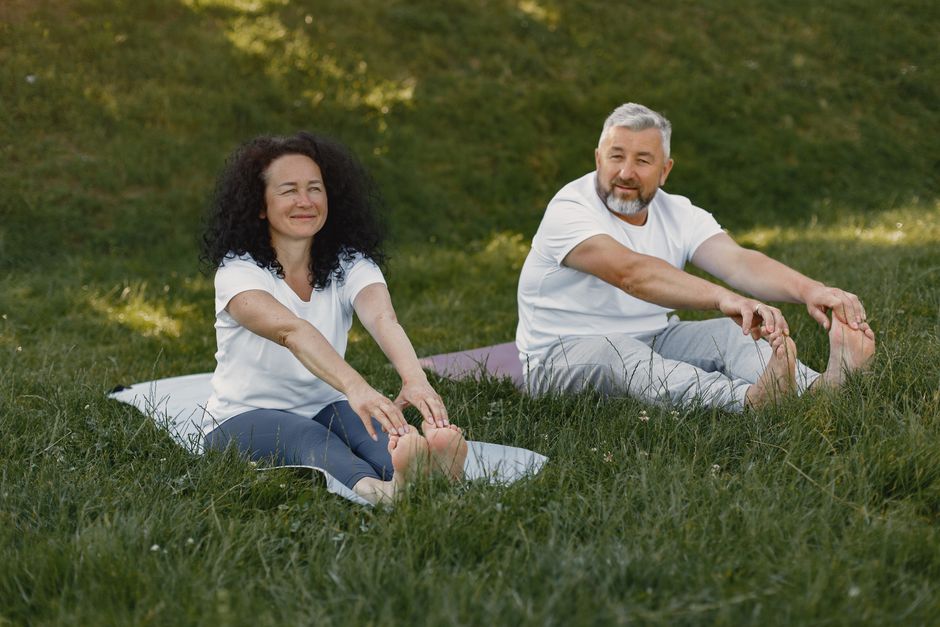
If you’ve recently had a bone density scan and heard words like “osteopenia” or “low bone mass,” you’re not alone. Millions of adults over 60 live with the very real fear of fractures, falls, and losing their independence. The good news? There are proven, practical ways to prevent osteoporosis naturally after 60, and it’s never too late to start protecting your bones.
Understanding Why Bones Weaken After 60
Your bones are living tissue. They’re constantly breaking down and rebuilding themselves. After age 30, we gradually lose bone faster than we build it. After 60, that process accelerates.
For women, menopause triggers a sharp drop in estrogen, which causes bone density to plummet. Men lose bone too as testosterone declines with age, just usually slower.
Understanding this matters. Once you know why it happens, you can take targeted action to slow it down and keep your skeleton strong for decades.
Load Your Plate with Bone-Building Nutrients
What you eat every single day affects your bone health profoundly. Calcium gets all the attention, and for good reason: it makes up most of your bone tissue.
Adults over 60 need about 1,200 mg of calcium per day. Skip the supplement-only route and aim for real food whenever you can:
- Low-fat dairy like yogurt, milk, and cheese
- Leafy greens such as kale, bok choy, and broccoli
- Canned sardines and salmon with bones
- Fortified plant milks like almond or oat milk
- Tofu made with calcium sulfate
But calcium doesn’t work alone. Vitamin D is essential for absorbing the calcium you eat. Most seniors are deficient without knowing it. Ask your doctor to check your levels at your next visit.
Magnesium and Vitamin K2 are two underrated bone heroes. Magnesium activates Vitamin D. K2 directs calcium into bones instead of arteries. Find magnesium in nuts, seeds, and whole grains. K2 shows up in fermented foods like natto and aged cheeses.
Pro Tip: Split calcium supplements into 500 mg doses throughout the day. Your body absorbs only a limited amount at once, so spreading it out means more reaches your bones.
The Right Exercise to Strengthen Your Bones
| Activity | Type | Frequency | Duration | Best For |
|---|---|---|---|---|
| Walking or hiking | Weight-bearing | Most days | 30+ min | Accessibility, consistency |
| Dancing | Weight-bearing | Most days | 30+ min | Balance, enjoyment |
| Tennis or pickleball | Weight-bearing | Most days | 30+ min | Coordination |
| Stair climbing | Weight-bearing | Most days | 30+ min | Hip and spine density |
| Low-impact aerobics | Weight-bearing | Most days | 30+ min | Seniors (structured) |
| Resistance training | Resistance | 2x per week | 30+ min | Bone strengthening |
| Tai chi | Balance | Daily | Varies | Fall prevention |
| Yoga | Balance | Daily | Varies | Fall prevention |
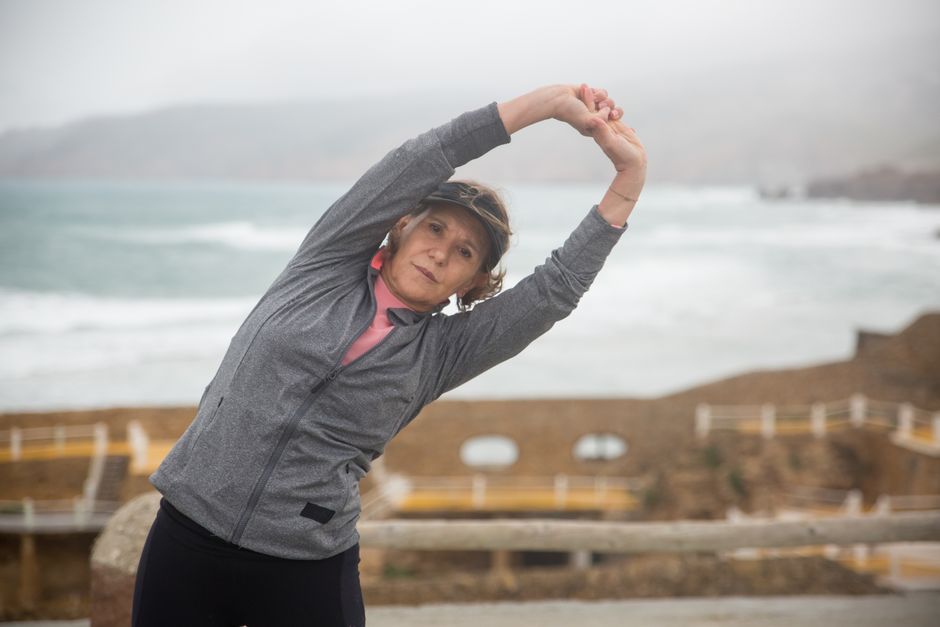
Photo by Becky Geist on Unsplash
Exercise is one of the most powerful tools you have to prevent osteoporosis naturally after 60. But not all exercise works equally for bone health. You need activities that stress your bones and stimulate new growth.
Weight-bearing exercises are the gold standard. These put stress on your bones while you’re on your feet:
- Walking or hiking: simple, free, and very effective
- Dancing: great for balance and bone density
- Tennis or pickleball: improves coordination too
- Stair climbing: targets hips and spine
- Low-impact aerobics classes designed for seniors
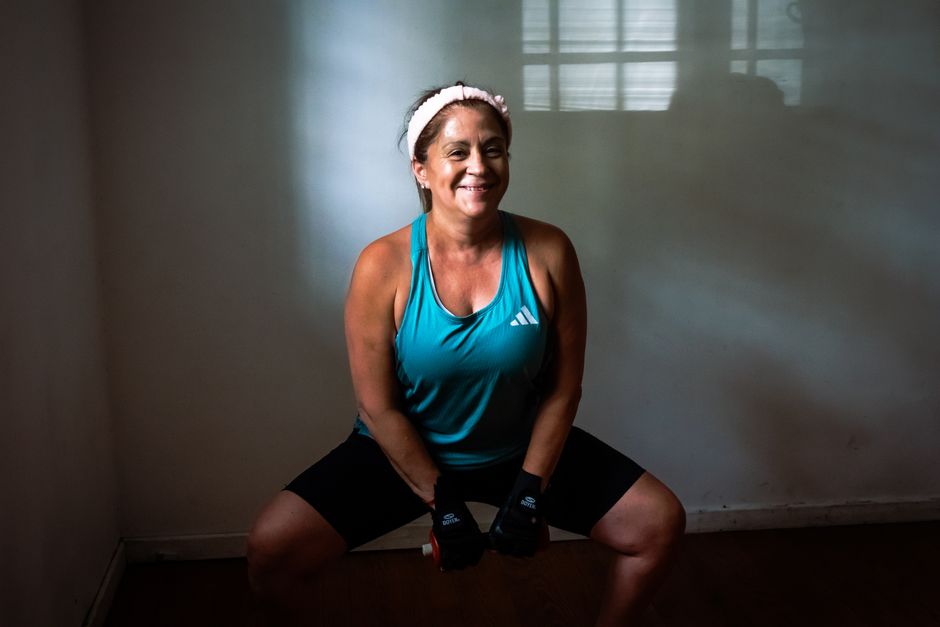
Resistance training matters just as much and often gets overlooked by older adults. Lifting light weights, using resistance bands, or doing bodyweight exercises like squats and wall push-ups signals your bones to strengthen.
Aim for at least 30 minutes of weight-bearing activity most days, plus two resistance training sessions per week. Start gently and progress slowly. Talk to your doctor before beginning any new exercise program.
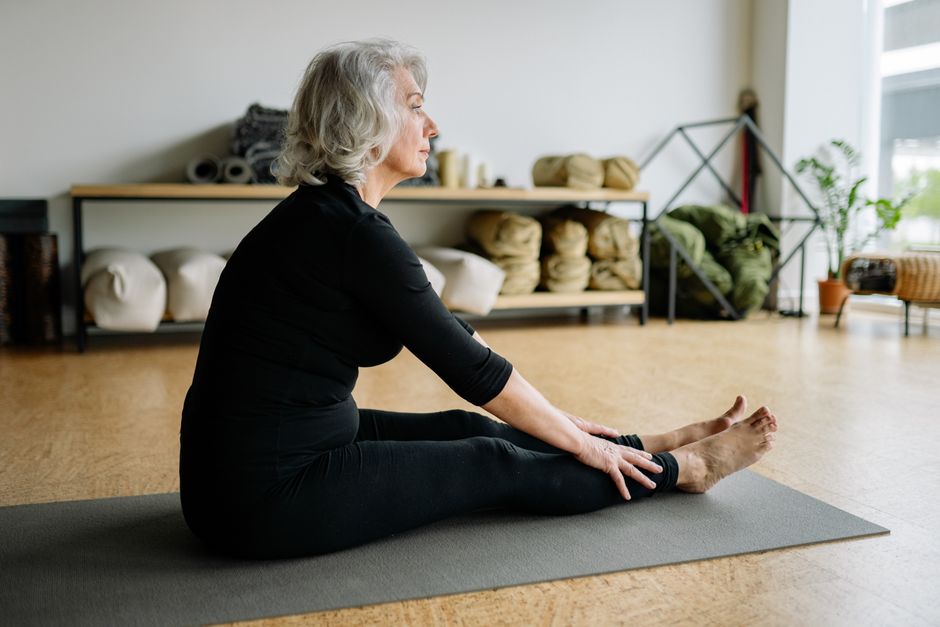
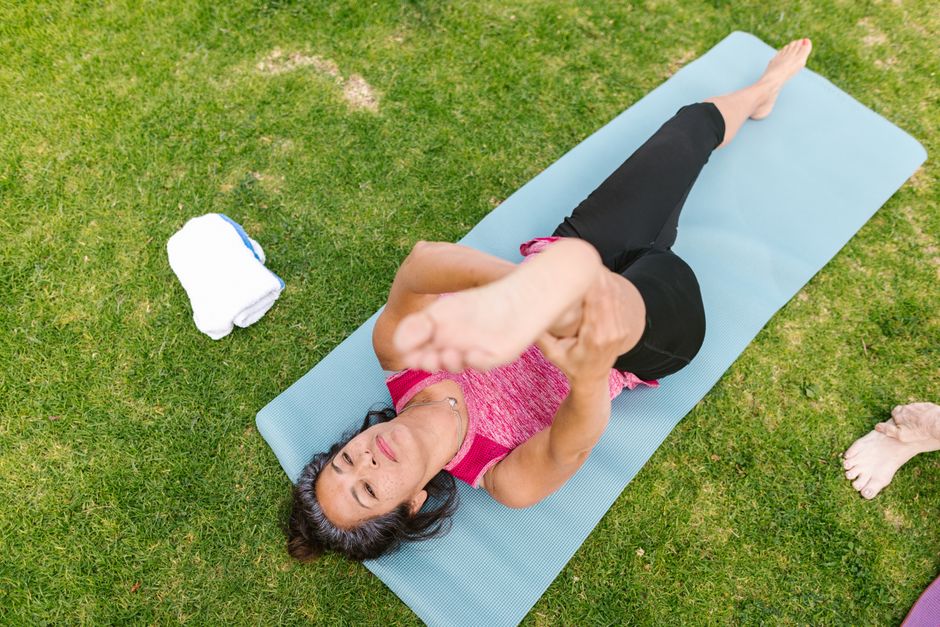
Balance exercises like tai chi and yoga deserve a mention too. They don’t build bone directly, but they dramatically reduce your fall risk, and preventing falls means preventing fractures.
Lifestyle Habits That Quietly Damage Your Bones
What you do against your bones matters as much as what you do for them. Several common habits accelerate bone loss in ways most seniors don’t realize.
Smoking steals bone density fast. Research consistently shows that smokers have lower bone density and higher fracture risk than non-smokers. If you smoke, quitting is one of the best gifts you can give your skeleton.
Excessive alcohol interferes with calcium absorption and impairs bone-building. Stick to one drink per day if you drink at all.
A sedentary lifestyle is another silent killer. Hours of sitting, whether in front of the TV or at a desk, gives your bones no reason to stay strong. Even short walking breaks every hour make a real difference over time.
Watch excess sodium and caffeine. Both cause your kidneys to excrete more calcium in urine. You don’t need to eliminate coffee, but one or two cups a day is smarter for bone protection.
Certain medications accelerate bone loss too. Long-term corticosteroids, some antacids, and certain anti-seizure drugs are common culprits. If you take any of these regularly, talk to your doctor about protecting your bone density.
Get the Right Tests and Screenings
Photo by Centre for Ageing Better on Unsplash
Knowledge is power. A DEXA scan (dual-energy X-ray absorptiometry) is the gold standard for measuring bone density. It’s painless, quick, and exposes you to minimal radiation.
Most guidelines recommend that women over 65 get a baseline DEXA scan. Women between 60 and 64 with risk factors (family history of osteoporosis, low body weight, prior fractures) should be screened. Men over 70 or those with risk factors should discuss screening with their doctor.
Your doctor may also recommend a FRAX score, which uses your age, bone density, and other risk factors to calculate your 10-year fracture risk. This guides decisions about whether treatment is needed.
Ask your doctor to check:
- Vitamin D (25-hydroxyvitamin D)
- Calcium
- Parathyroid hormone (PTH)
- Thyroid function (TSH)
These tests reveal underlying conditions quietly draining your bone density.
Natural Supplements Worth Considering
Beyond calcium and Vitamin D, a few other supplements have solid research support for bone health in older adults. Always discuss supplements with your healthcare provider before starting them, especially if you take prescription medications.
Vitamin K2 (MK-7 form) improves bone mineral density and reduces fracture risk in several studies. A typical dose is 90-120 mcg per day, and it works synergistically with Vitamin D.
Magnesium glycinate or citrate absorbs well and supports hundreds of enzymatic reactions involved in bone metabolism. Many older adults are mildly deficient. Aim for 320-420 mg per day from food and supplements combined.
Collagen peptides are gaining attention in bone research. Collagen makes up about 30% of bone structure. Preliminary studies suggest collagen supplements may improve bone density and reduce joint discomfort when paired with calcium and Vitamin D.
Strontium (the non-radioactive form: strontium ranelate or citrate) has been extensively studied in Europe for osteoporosis. It appears to slow bone breakdown and stimulate new formation. Talk to your doctor before considering this.
You Have More Power Than You Think
Sources
- Becky Geist
- Unsplash
- Centre for Ageing Better
- Pauline Loroy
- consistently shows that smokers have lower bone density and higher fracture risk
Taking steps to prevent osteoporosis naturally after 60 might feel overwhelming at first. But remember: every positive change you make today is an investment in your future mobility and independence. You don’t need to overhaul your life overnight.
Start with one thing. A daily walk. An extra serving of calcium-rich food. That bone density scan you’ve been putting off. Small, consistent actions compound into remarkable results over months and years.
Your bones are resilient. Your body is capable of healing. You absolutely have the power to protect yourself. Here’s to many more years of standing tall, staying active, and living fully on your terms.
Photo by Pauline Loroy on Unsplash