 James Cooper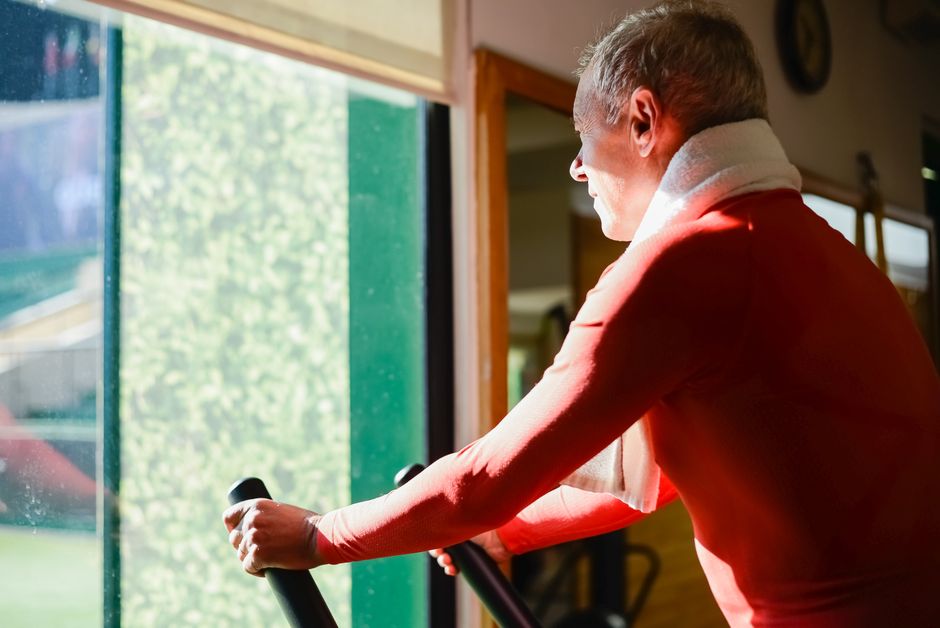
If you’ve been prescribed a GLP-1 medication like semaglutide (Ozempic, Wegovy) or tirzepatide (Zepbound) and you’re over 60, there’s something your doctor may not have had time to explain in full: the drug is working against your muscles right now, and a new wave of research suggests most people on these medications are making that problem significantly worse. A study presented at ENDO 2026 in Chicago this past June found that adults taking GLP-1 receptor agonists were actually decreasing their physical activity while on the medication. Not maintaining. Decreasing. For a younger person, that’s a concern. For someone over 60, it’s a serious threat to independence.
I’ll be honest, when I first saw that finding from the Endocrine Society, my reaction was something between frustration and recognition. Because I’ve seen this exact pattern in clients. The appetite drops, the scale moves, the energy dips in the early weeks, and the gym visits quietly stop. It feels logical in the moment. It isn’t. GLP-1 drugs reduce not only fat but also lean muscle mass, and older adults start with less of it than younger users to begin with. That gap matters enormously when we’re talking about your ability to catch yourself before a fall, carry groceries, or get up from a chair ten years from now.
A July 1, 2026 CNN Health report confirmed that older adults on semaglutide lost about 15.5% of body weight, nearly identical to results in younger people, which sounds encouraging. But seniors were roughly twice as likely to stop the medication due to adverse events. That means the window to build protective habits is both important and potentially short. You may not have the luxury of figuring this out slowly.
- GLP-1 drugs reduce lean muscle mass alongside fat, making resistance exercise non-negotiable for adults 60+.
- A June 2026 ENDO study found GLP-1 users are decreasing physical activity, the opposite of what muscle preservation requires.
- Seniors on semaglutide lost 15.5% body weight but were ~2x more likely to stop the drug due to side effects.
- Resistance training 2-3 times per week is the primary tool to offset GLP-1-related muscle loss in older adults.
- Protein intake targets (typically 1.2–1.6g per kg of body weight daily) matter as much as exercise for muscle retention.
Why Muscle Loss on GLP-1s Hits Differently After 60
Here’s the underlying biology, stated plainly. Starting around age 30, adults lose roughly 3 to 5 percent of muscle mass per decade. By the time you’re 65, you’ve already lost a meaningful amount. Doctors have a name for this: sarcopenia. Now add a GLP-1 medication that’s driving a rapid caloric deficit, and the body, looking for fuel, pulls from both fat stores and lean tissue. High Bar Health’s clinical guide on GLP-1 and muscle loss notes that in major semaglutide trials, somewhere between 25 and 40 percent of total weight lost was lean mass, not fat. That ratio matters at any age. At 65 or 70, it can matter for your ability to live independently.
What surprised me was how little this gets communicated at the point of prescription. The conversation tends to focus on blood sugar, appetite, and the number on the scale. Muscle is treated as a footnote. It shouldn’t be.
What the Research Actually Recommends
The American College of Sports Medicine’s 2026 Worldwide Fitness Trends report, published this month, ranked fitness programs for older adults as the second biggest global trend, and the report specifically flagged structured exercise as necessary alongside weight-management medications to preserve lean mass and physical function. That’s a direct statement from one of the most credentialed bodies in exercise science, and it’s not buried in the fine print.
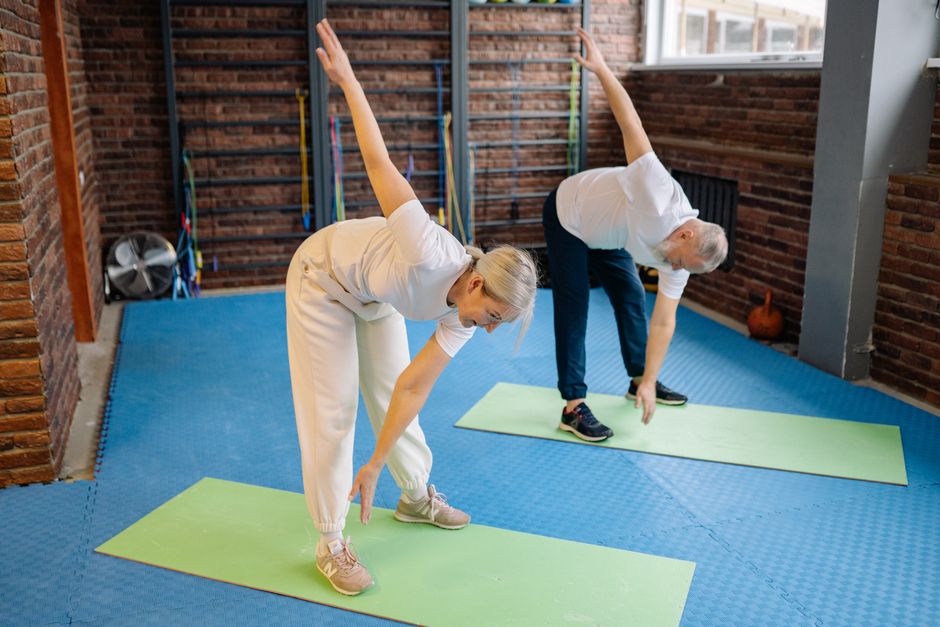
The recommendation that comes up consistently across the literature is resistance training two to three times per week, with compound movements that load multiple muscle groups at once. Think squats, rows, presses, and hip hinges. Not isolation curls. Not the recumbent bike alone, though cardiovascular work has its place. The goal is mechanical tension on the muscle, which signals the body to maintain and build tissue even in a caloric deficit.
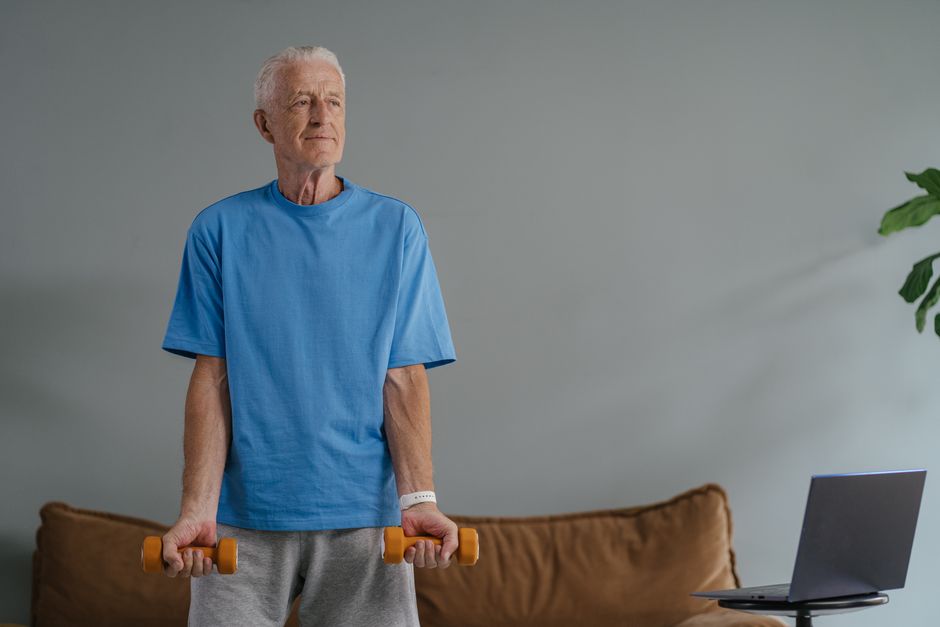
For older adults, “resistance training” doesn’t mean you need a barbell. Resistance bands, body weight, cable machines, and light dumbbells can all generate the stimulus you need, particularly in the early stages. The key is progressive overload: making the work slightly harder over time, even incrementally.
Protein Is the Other Half of the Equation
Exercise alone doesn’t close the gap. What you eat alongside your resistance work matters enormously, and this is where GLP-1 users run into a specific problem. The drugs suppress appetite significantly. That’s their mechanism. But the same appetite suppression that makes you skip dinner also makes you skip the protein your muscles need to recover and rebuild.
Most current guidance for older adults in a caloric deficit suggests targeting somewhere between 1.2 and 1.6 grams of protein per kilogram of body weight daily. For a 160-pound person, that’s roughly 87 to 116 grams per day. When you’re barely hungry, hitting that number takes deliberate planning. High-protein foods first, at every meal. Protein shakes or Greek yogurt used strategically. Small portions eaten more frequently if large meals feel impossible.
The research here isn’t perfectly settled on the upper end of ideal protein intake for GLP-1 users specifically, and individual needs vary based on kidney function and other health factors. This is a conversation worth having with your prescribing physician or a registered dietitian who works with older adults.
The Practical Reality: What to Actually Do
A Rice University and Houston Methodist Hospital clinical trial, registered in April 2026, is actively studying whether targeted exercise interventions can offset muscle loss in adults on GLP-1 medications. That’s a sign that the research community is catching up to what clinicians and trainers have been watching happen in real time. In the meantime, people already on these drugs need practical guidance now, not after the trial concludes.
Here’s a realistic framework for what protective exercise looks like at different starting points:
| Starting point | Recommended frequency | Suggested focus |
|---|---|---|
| Sedentary, new to exercise | 2x per week | Chair-assisted squats, resistance bands, walking |
| Somewhat active, no strength training | 2-3x per week | Bodyweight + light dumbbells, compound movements |
| Already strength training | 3x per week | Maintain load, prioritize protein timing around sessions |
| Managing joint pain or balance issues | 2x per week + PT consult | Water resistance, seated strength work, balance drills |
One thing I want to be direct about: if you have significant balance issues, osteoporosis, cardiovascular concerns, or haven’t exercised in years, please get clearance from your doctor and consider working with a physical therapist or certified trainer who specializes in older adults before starting. The goal is to make this safe and sustainable, not to rush into something that causes a different problem.
The Quiet Risk of Feeling Like It’s Working
This is the part that keeps me thinking. GLP-1 drugs are genuinely effective. The weight loss is real, the metabolic benefits are real, and for many people over 60, the improvements to blood sugar and blood pressure represent meaningful gains in health. I’m not arguing against these medications.
But the scale going down can feel like everything is going well, even when muscle is quietly leaving alongside the fat. You might feel lighter and still be losing the physical capacity you need most. The number that doesn’t show up on your bathroom scale is the one that determines whether you can get up off the floor if you fall.
Staying active while your appetite is suppressed and your energy is adjusting takes real intention. It’s not easy. But the evidence is clear enough, and the stakes for this age group are high enough, that this isn’t optional if you want the drug to actually improve your long-term quality of life.
Sources
- Exercise Decreases Among People Taking GLP-1 Medication (June 13, 2026)
- What Older Adults Need to Know Before Using a GLP-1 Medication (July 1, 2026)
- Combatting Muscle Loss in Obese Adults on GLP-1 Medications Through Exercise (April 28, 2026)
- 2026 ACSM Worldwide Fitness Trends (July 2026)
- GLP-1 Drugs and Muscle Loss: Key Insights for Patients (March 2025)
Photo: Kampus Production via Pexels
This article is for general informational purposes only and does not constitute medical or fitness advice. Consult your physician or a licensed physical therapist before starting a new exercise program, especially if you have existing health conditions.