 Linda Chen
Have you ever reached for something on a high shelf and felt a wobble, or hesitated at the top of the stairs because your footing didn’t feel solid? You’re not alone. Millions of people over 70 live with these moments every day. The good news is that balance can be improved, and most of it can happen in your own home, starting right now.
Why Balance Declines as We Age
Balance isn’t one thing. It’s three systems working together: your vision, your inner ear, and the sensory nerves in your feet and legs. All three get less sharp as you age.
Your muscles also weaken with time (a process called sarcopenia), which means your legs and core can’t make those tiny stabilizing adjustments as quickly. Add in medication side effects, blood pressure fluctuations, or conditions like arthritis or diabetes, and you’ve got a real problem. But knowing what’s happening is half the battle in fighting back.
The Real Risks of Poor Balance, and Why Acting Now Matters
Falls are the leading cause of injury among adults over 65. The CDC reports that more than 3 million older adults end up in emergency rooms each year for fall-related injuries. That’s not just physical damage either.
Poor balance quietly erodes independence. Seniors stop taking walks in the park, playing with grandchildren, cooking in their own kitchens. Fear takes over. But here’s what most people don’t realize: balance is a skill, and skills improve with practice at any age. A simple routine started today can cut your fall risk dramatically and give you your confidence back.
Simple Balance Exercises You Can Start Today
How to Improve Balance | Senior Exercises for Balance · Yes2Next on YouTube
| Exercise | Duration/Reps | Key Benefit | Best For |
|---|---|---|---|
| Single-Leg Stand | 10-15 seconds × 3 per leg | Ankle and core stabilization | Building foundational balance |
| Heel-to-Toe Walk | 10-20 steps | Coordination and proprioception | Testing real-world walking balance |
| Side Leg Raises | 10 reps per leg | Hip and glute strength | Lateral stability |
| Sit-to-Stand | 10 reps | Functional leg strength | Daily activities (rising from chairs) |
| Calf Raises | 15 reps | Ankle strength and walking stability | Preventing missteps during movement |
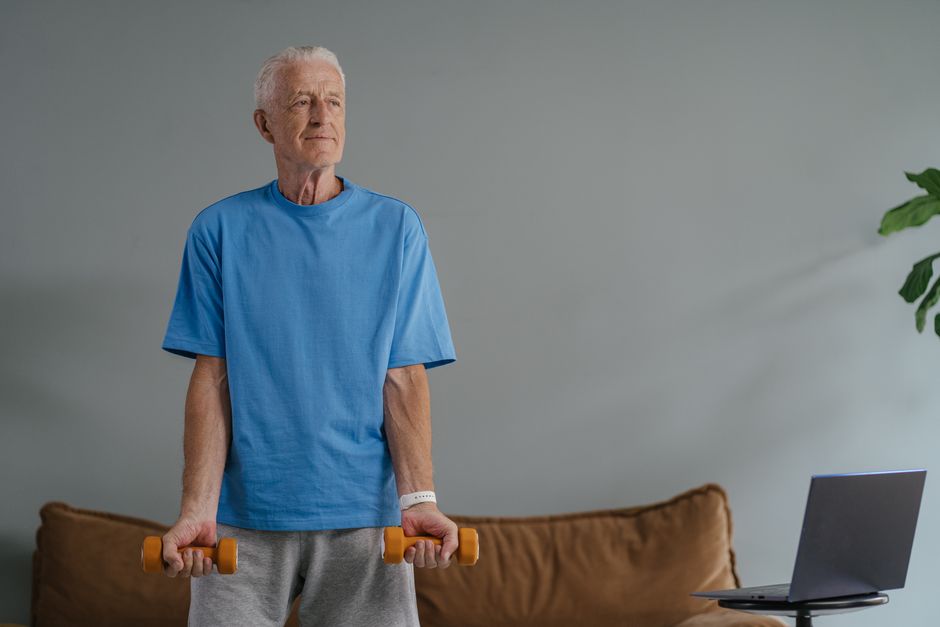
You don’t need a gym or equipment. Your living room and a sturdy chair are enough.
Here are the best exercises for adults over 70:
- Single-Leg Stand: Hold the back of a sturdy chair and lift one foot slightly off the floor. Hold for 10-15 seconds, then switch sides. Repeat 3 times per leg.
- Heel-to-Toe Walk: Walk in a straight line, placing the heel of one foot directly in front of the toes of the other. Take 10-20 steps. It’s the same test police use for good reason, it works.
- Side Leg Raises: Stand behind a chair, hold lightly for support, and slowly lift one leg out to the side. Lower it gently. Do 10 repetitions on each side.
- Sit-to-Stand: Using a firm chair, sit down slowly and stand back up without using your hands if possible. Do 10 repetitions. This builds the exact leg strength your real life demands.
- Calf Raises: Stand behind a chair and slowly rise onto your toes, then lower back down. Repeat 15 times. Strong calves matter for balance during walking.
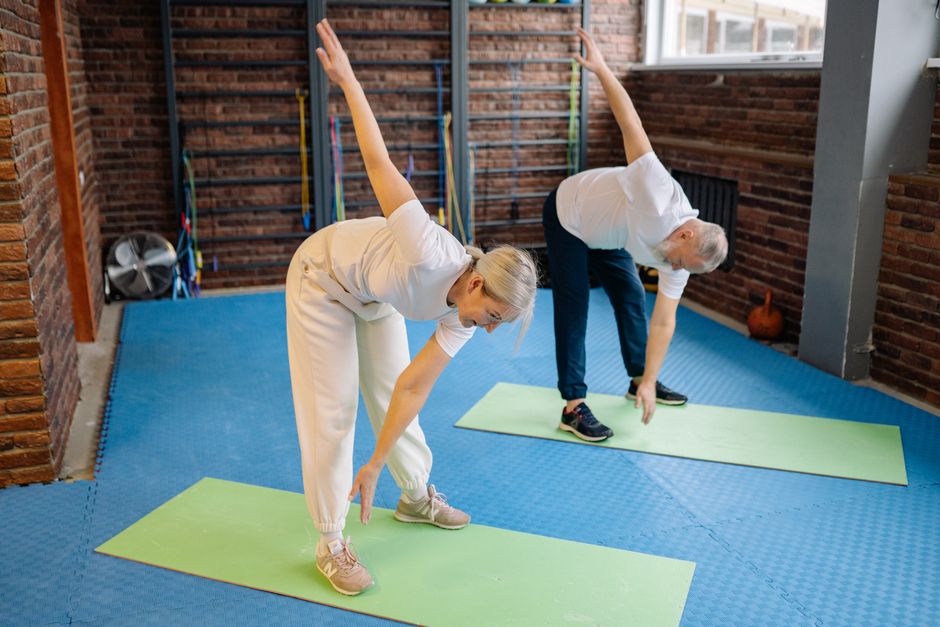
Start with what feels manageable and gradually increase repetitions over weeks. Consistency beats intensity every time with balance training.
Pro Tip: Do your exercises at the same time daily, many seniors find right after breakfast works best. Pairing a new habit with an existing routine makes it stick. Even 10 minutes daily produces noticeable results within four to six weeks.
The Power of Yoga and Tai Chi for Seniors
Yoga and Tai Chi are two of the most well-researched activities for older adults. Both combine gentle movement, controlled breathing, and focused body awareness. That combination works.
Tai Chi specifically has the research to back it up. A landmark review in the Journal of the American Geriatrics Society found that Tai Chi reduced fall rates in older adults by up to 43 percent.
Chair yoga is perfect if you’ve got limited mobility or joint pain. You get the same balance and flexibility benefits without getting down on a floor mat. Check your local senior center for classes or search online for free beginner videos.
Nutrition and Hydration: The Hidden Balance Boosters
What you eat and drink matters more for your balance than you’d think. Dehydration causes dizziness and unsteadiness in seniors, the problem is your thirst sensation decreases with age, so you don’t feel it.
Aim for 6-8 glasses of water daily, even when you’re not thirsty. Herbal tea and water-rich foods like cucumber, watermelon, and broth all count.
These nutrients directly support balance and stability:
- Vitamin D: Supports bone density and muscle function. Many seniors are deficient. Ask your doctor about testing.
- Calcium: Works with Vitamin D to keep bones strong, reducing injury severity if a fall happens.
- Magnesium: Supports nerve and muscle function. Find it in leafy greens, nuts, seeds, and whole grains.
- Protein: Essential for maintaining muscle mass. Include it at every meal, eggs, fish, chicken, legumes, or dairy.
- B12: Deficiency causes poor coordination and neurological problems. Found in meat, fish, dairy, and fortified cereals.
Making Your Home a Balance-Friendly Environment
Even someone with great balance can be tripped up by a hazardous home. A few simple changes dramatically reduce your fall risk.
Walk through your home and look for these common hazards:
- Loose rugs or carpets, secure them with non-slip backing or remove them
- Poor lighting in hallways, stairs, and bathrooms, add nightlights and brighter bulbs
- Clutter on floors and stairways, keep pathways clear
- Bathtubs and showers without grab bars, install them near the toilet and in the shower
- Slippery floors, use non-slip mats in the kitchen and bathroom
Consider a professional home safety assessment through your local Area Agency on Aging. Many are free or low cost.
When to Talk to Your Doctor
Exercise and lifestyle changes are powerful, but some balance problems have medical causes that need professional attention. Talk to your doctor if your balance issues are new, getting worse, or come with other symptoms.
Mention any dizziness, ringing in the ears, vision changes, or feeling like the room is spinning. These could signal inner ear conditions, cardiovascular issues, or medication side effects, all treatable.
Your doctor may refer you to a physical therapist specializing in vestibular rehabilitation or fall prevention programs. These are remarkably effective, even for people who’ve already fallen.
You Have the Power to Stay Steady
Improving your balance after 70 is one of the best investments in your independence and quality of life. It’s never too late. Small, consistent efforts add up fast.
Start this week with one or two exercises. Add a glass of water to your morning. Move one loose rug. Every step counts.
You took the first step today by reading this. That matters. Keep going. Your steadiest, most confident days are still ahead.
Sources
- Nutramax Cosequin Senior Dog Soft Chews (60ct)
- Nutramax Cosequin DS Joint Supplement for Dogs (132ct)
- to back it up
Disclosure: As an Amazon Associate, we earn a small commission from qualifying purchases at no extra cost to you. We only recommend products that genuinely support the topics covered in this article.
- Nutramax Cosequin Senior Dog Soft Chews (60ct) (~$32), Senior-specific Cosequin formula with added Omega-3s, designed for aging dogs with joint and immune health needs.
- Nutramax Cosequin DS Joint Supplement for Dogs (132ct) (~$36), The #1 veterinarian-recommended joint supplement brand, clinically studied for reducing joint pain in dogs.