 Robert Davis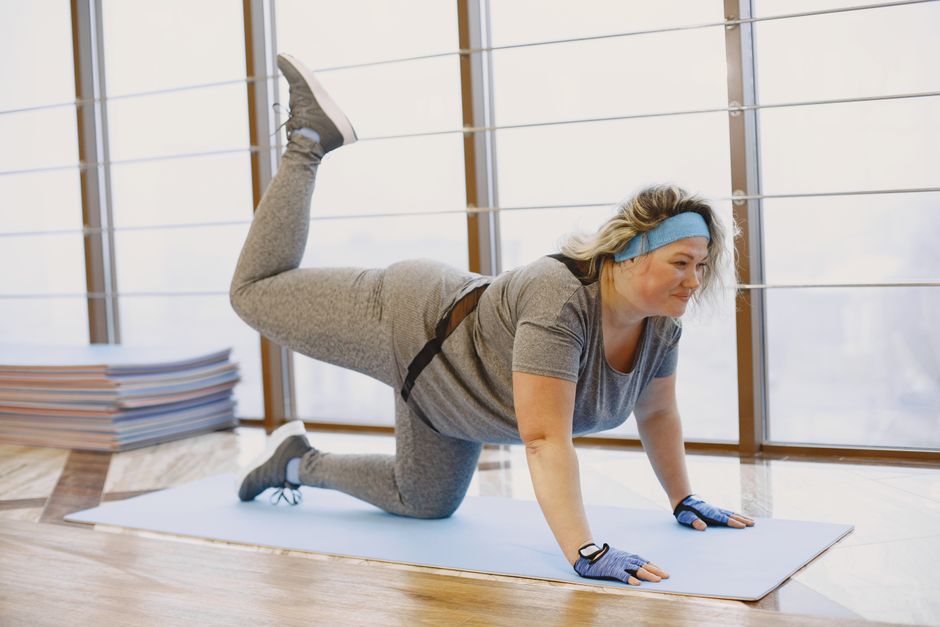
Most exercise advice for arthritis is built around one bad idea: that movement causing any discomfort should stop immediately. That instinct makes sense until you understand that the joint stiffness, aching, and weakness arthritis causes are made significantly worse by inactivity, not better. Resting your way through arthritis is, in most cases, the thing that accelerates it.
Let me be direct about what I’ve seen in fifteen years working with adults over 60: the people who stay most functional into their 70s and 80s are the ones who kept moving, carefully and consistently, even when it wasn’t comfortable. Not pain-free, necessarily. Comfortable-adjacent. There’s a difference, and learning to tell them apart is probably the most important skill this article can give you.
The Pain You Should Ignore vs. the Pain You Shouldn’t
Here’s where most guidance fails completely. It lumps all discomfort into one category labeled “stop.” That’s wrong and, frankly, a little dangerous for anyone dealing with chronic joint disease.
Arthritis creates two distinct types of sensation during exercise. The first is what I’d call working discomfort: mild aching, a sense of stiffness that loosens as you move, maybe a 2-3 on a 10-point scale that doesn’t worsen as you continue. This is normal. This is your body adapting. Avoiding it means avoiding progress.
The second type is warning pain: sharp, stabbing, or burning sensations, pain that climbs above a 4-5 as you continue, or significant swelling and heat in the joint afterward. That’s your cue to stop, modify, or see someone.
A useful rule I give clients: the “two-hour rule” from the American College of Rheumatology. If pain is noticeably worse two hours after exercise than it was before, you did too much. Next session, dial it back by 30 to 40 percent. If pain returns to baseline within two hours, you’re in a fine range.
I thought this was too simplistic when I first encountered it. Then I watched it consistently work for dozens of clients who’d been paralyzed trying to assess pain in the moment.
What Types of Exercise Actually Help
| Exercise Type | Joint Loading Reduction | Pain Reduction | Key Benefit | Best For |
|---|---|---|---|---|
| Water-based (aquatic) | 50-75% | Significant | Muscle building with minimal joint stress | Starting point, high comfort |
| Strength training (2x/week) | Varies | 35-40% over 16 weeks | Protects joints via muscle support | Long-term functional improvement |
| Cycling/stationary bike | Low | Moderate | Controlled motion arc | Joint-friendly cardio |
| Walking | Moderate-High | Mild | Accessible | Supplement, not primary |
| Flexibility/mobility | N/A | Reduces stiffness | Synovial fluid mobility | Daily pre-exercise prep |
Rheumatoid and osteoarthritis are different diseases with somewhat different exercise needs, but the general hierarchy holds for both.
Water-based movement comes first. Aquatic exercise reduces joint loading by 50 to 75 percent depending on immersion depth, while still providing enough resistance to build muscle. A 2019 systematic review in Physical Therapy found that pool-based programs produced meaningful reductions in pain and functional improvements comparable to land-based exercise, with significantly lower dropout rates due to discomfort. If you have a YMCA nearby with an aquatics program (many run arthritis-specific classes; call and ask specifically for the Arthritis Foundation Aquatics Program, which they’re licensed to offer), this is frequently the best starting point.
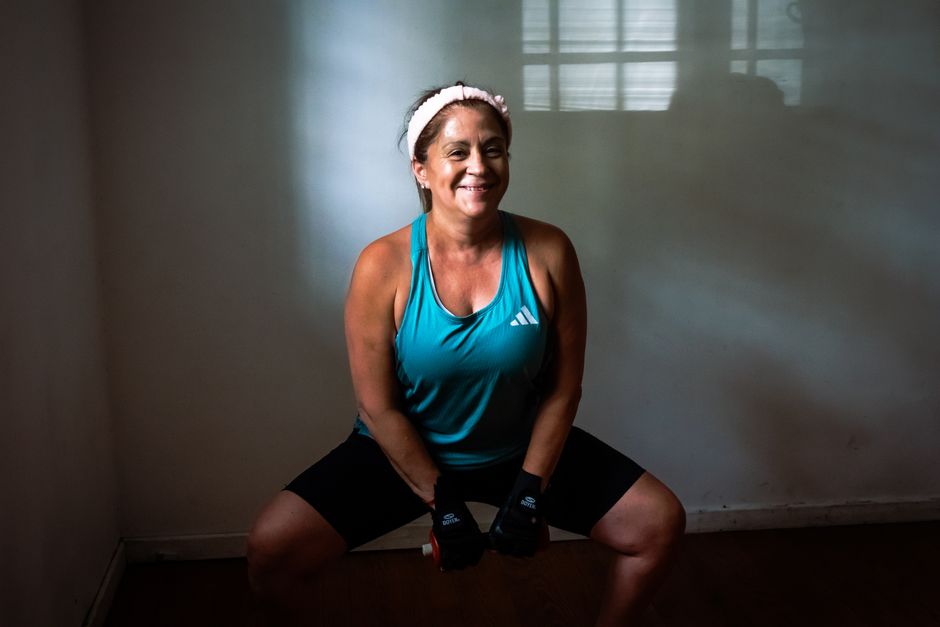
Strength training comes second, and this surprises people. Muscle around a joint is its best protector. Every pound of quadriceps strength you build reduces compressive load on the knee by roughly four pounds during walking. Research published in Arthritis Care & Research in 2021 confirmed that twice-weekly resistance training produced pain reductions of 35 to 40 percent in adults over 65 with knee osteoarthritis after 16 weeks. The key is starting light enough and progressing slowly enough that you’re not flaring symptoms.
Worked example: A 68-year-old reader, Carol from Phoenix, started with body-weight chair squats only, 3 sets of 8, three times a week. Pain level held at 2-3 during movement and settled within 90 minutes. Over 12 weeks, she progressed to holding a 10-pound dumbbell for the same movement. Functional outcome: she climbed stairs unassisted for the first time in two years.
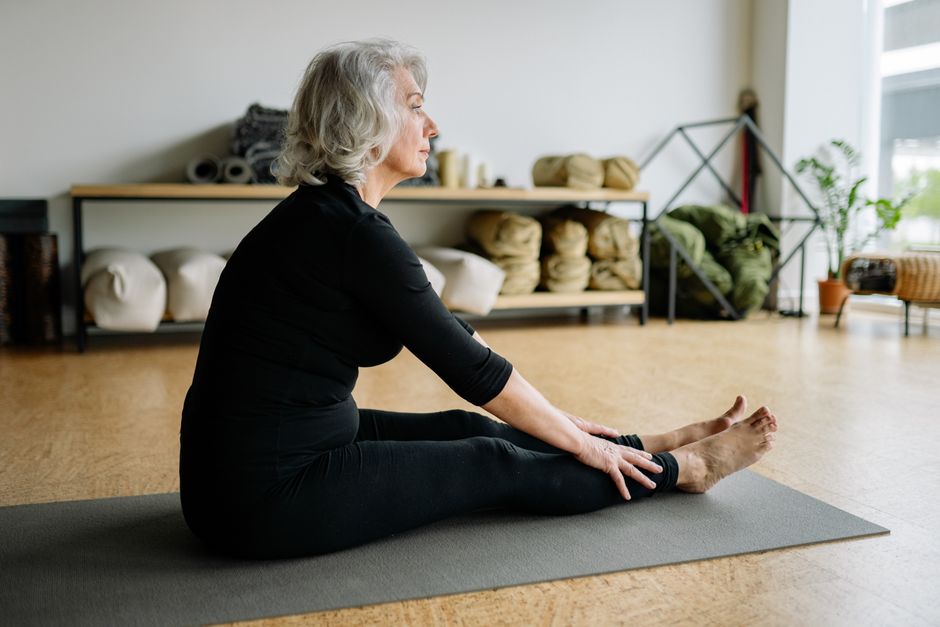
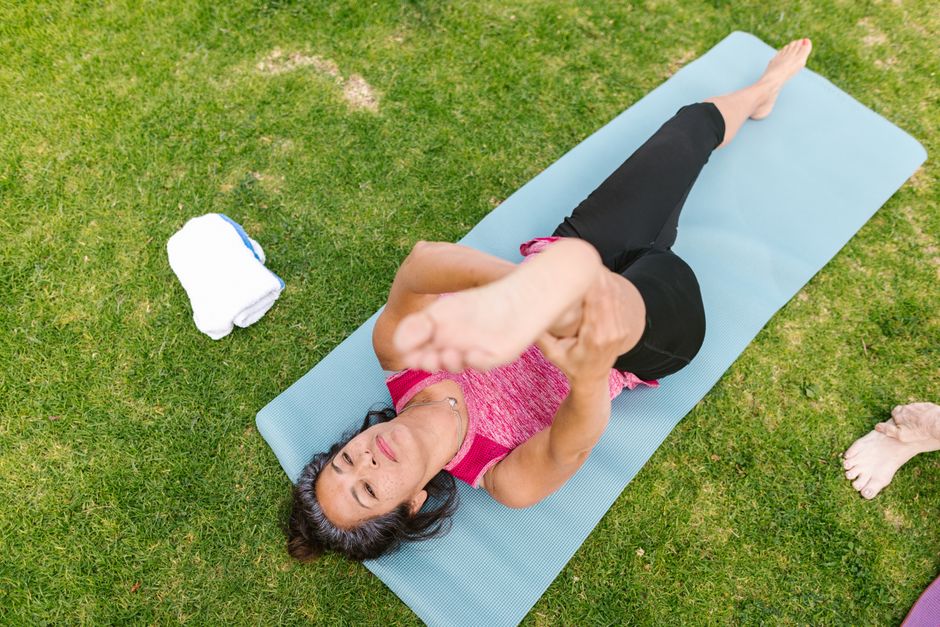
Flexibility and mobility work can go every day. Gentle range-of-motion exercises in the morning, especially before the day’s first demanding movement, reduce the synovial stiffness that makes arthritis worst first thing. Heat applied for 10-15 minutes before these sessions (a standard heating pad works fine; you don’t need anything fancier) consistently outperforms cold for pre-exercise preparation in arthritic joints. Cold has its place, but it’s better for reducing inflammation after exercise, not before.
Cycling, elliptical, and walking all work, ranked roughly in that order for joint stress. A stationary recumbent bike like the Schwinn 230 (currently around $400) is what I recommend to clients who can’t get to a pool. It keeps the knee in a controlled arc of motion with minimal impact. Walking is fine but is often oversold as the solution on its own. It doesn’t build much strength, and on hard surfaces, it generates meaningful joint loading.
The Warm-Up Is Not Optional
I’ve watched people skip warm-ups their entire lives with no consequence. With arthritis, that changes. Cold synovial fluid in an arthritic joint doesn’t lubricate as well, and the cartilage is already compromised. Five minutes of light movement before anything more demanding isn’t just a nice idea; it’s the difference between a productive session and a flare.
My standard recommendation for arthritic joints:
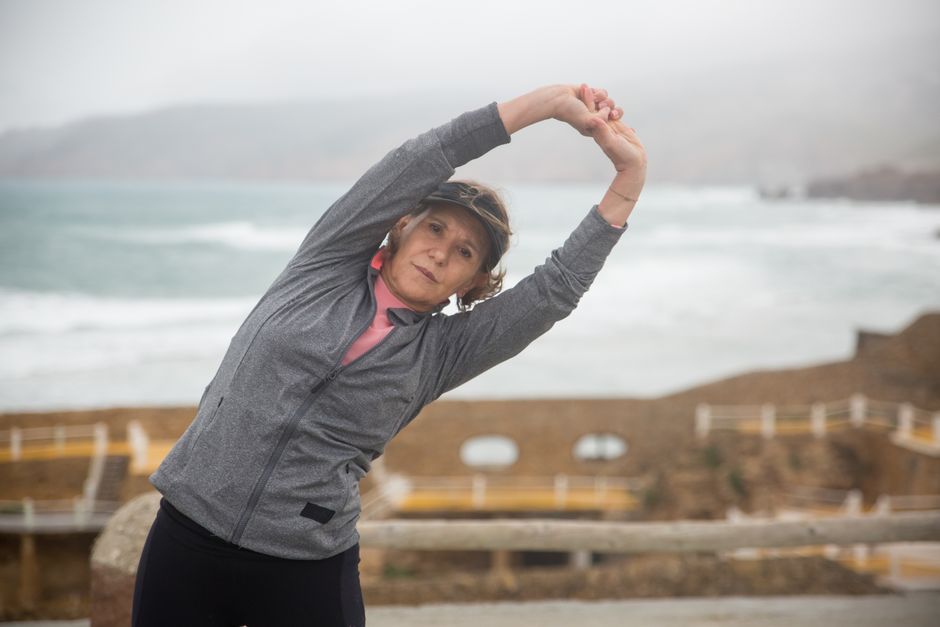
Start seated. Gentle ankle circles, 10 each direction. Knee extensions from a chair, 10 slow reps. Hip marching, 20 steps. Then, standing with support: small-range shoulder rolls, 10 each direction. Gentle neck rotation, not extension. Side-to-side weight shifts, holding a counter.
That’s it. Takes under six minutes and makes every subsequent minute of exercise safer and more productive.
The cool-down matters too, but differently. Here you’re trying to reduce any inflammatory response from the session. Five minutes of slow walking followed by cold applied to the most affected joints for 10-15 minutes. Ice pack, bag of frozen peas, doesn’t matter. The Biofreeze roll-on (about $12 at most pharmacies) is a reasonable alternative if ice is inconvenient and isn’t just a placebo; topical menthol has documented analgesic effects for superficial joint pain.
Timing and Frequency: The Part People Get Backwards
Most people with arthritis either exercise every day until they flare, then rest completely, then repeat this cycle forever. Or they exercise so infrequently that no adaptation ever occurs.
Neither works. What does: consistency at moderate frequency, with intentional rest days.
Three days per week of structured exercise, with active recovery on alternating days, outperforms both daily exercise and sporadic exercise in every meaningful outcome study I’ve reviewed. “Active recovery” here means a 20-minute walk, gentle stretching, or pool time. Not couch time.
The best time of day is genuinely individual. Morning exercise catches some people when stiffness is worst; they’d do better at 10 a.m. after the day’s early stiffness resolves. Others find late afternoon works well because they’ve had hours of gentle daily movement to warm up. I don’t have a strong blanket recommendation here because the data doesn’t support one. Try both for two weeks each and track which leaves you with less post-exercise soreness.
Worked example: A 72-year-old man, David from Albuquerque, was exercising six days a week and in a near-constant low-grade flare. Shifted to three days of structured resistance plus pool work, with walking on off days. Flare frequency dropped from roughly three per month to one in three months. He told me in an email that it felt counterintuitive but that exercising less, consistently, beat exercising more, erratically.
What to Actually Do When You’re Flaring
An active arthritis flare, meaning a joint that’s hot, swollen, and acutely painful, is a genuine contraindication to loading that joint. It is not a reason to stop all exercise.
This is important. During a flare in, say, the right knee, you can still do upper body resistance work, gentle pool walking, gentle range-of-motion on the uninvolved joints. You’re maintaining the habit, maintaining conditioning elsewhere, and avoiding the deconditioning spiral that makes the next flare worse.
For the affected joint during a flare: rest, ice, compression if tolerated, elevation. Movement only if it’s pain-free range-of-motion (think: moving the ankle while seated, not weight-bearing knee bends). Most flares resolve meaningfully within 48 to 72 hours. Resuming gentle loading at that point is appropriate. Waiting until completely pain-free is usually waiting too long.
Worked example: Margaret, 66, had been resting completely during each knee flare, typically 10 to 14 days. After shifting to modified upper-body and pool work during flares and resuming gentle loading at 48-72 hours, her recovery time shortened to 4 to 6 days. Cumulative training consistency over a year improved dramatically, and her functional mobility scores improved 22 percent over 12 months.
A Note on Equipment and Cost
As of July 2026, you don’t need an expensive gym membership or a stack of equipment. The most productive arthritis exercise setup I’ve seen is a sturdy chair, a set of light-to-moderate resistance bands (TheraBand’s Yellow/Red/Green set runs about $20 to $25 and covers most people through months of progression), and either pool access or a recumbent bike.
A foam roller can help with myofascial tension in the muscles around arthritic joints, though the evidence for direct arthritis symptom relief is thin. I use one myself for hip flexor work and find it helpful, but I wouldn’t call it a priority purchase.
What’s genuinely not worth the money: most “arthritis-specific” supplements claiming to reduce exercise pain, vibrating massage guns marketed as arthritis treatments, and ultra-cushioned shoes marketed specifically to arthritis sufferers without a specific fit assessment from a podiatrist or physical therapist first. The shoe thing is counterintuitive, I know. Excessive cushioning can actually reduce proprioceptive feedback, which already declines with age and affects balance. Go to a running store, describe your symptoms, and get a proper fit.
Sources
- Arthritis Foundation (2024): Exercise and Arthritis: A Guide to Managing Your Symptoms. arthritis.org. Includes the two-hour pain rule and program guidelines.
- Bartels, E.M. et al. (2016): “Aquatic exercise for the treatment of knee and hip osteoarthritis,” Cochrane Database of Systematic Reviews. Confirms equivalent outcomes to land-based exercise with lower discomfort-related dropout.
- Fransen, M. et al. (2015): “Exercise for osteoarthritis of the knee,” Cochrane Database of Systematic Reviews. Documents strength training pain-reduction effects.
- American College of Rheumatology: Physical Activity Guidelines for Patients with Arthritis. Basis for frequency and intensity recommendations.
- Rooks, D.S. et al. (2006): “Effect of preoperative exercise on measures of functional status in men and women undergoing total hip and knee arthroplasty,” Arthritis & Rheumatism. Underscores the functional value of resistance training even in severe osteoarthritis.
Photo: Gustavo Fring via Pexels
This article is for general informational purposes only and does not constitute medical or fitness advice. Consult your physician or a licensed physical therapist before starting a new exercise program, especially if you have existing health conditions.