 James Cooper
Most exercise advice for people with high blood pressure is either terrifyingly vague or so cautious it’s basically useless. “Check with your doctor before starting any exercise program” tells you nothing about what to actually do when you get to the gym. So let’s talk specifics.
Here’s what the research actually shows: regular aerobic exercise can lower resting systolic blood pressure by 5 to 8 mmHg on average, according to data from the American College of Sports Medicine. That’s roughly equivalent to one low-dose antihypertensive medication. Exercise isn’t a substitute for medication when medication is warranted, but those numbers should get your attention.
The catch is that exercise can also temporarily spike blood pressure quite high, and doing the wrong type, or the right type done wrong, creates real risk. Knowing which moves to make and which to avoid is the whole game.
- Aerobic exercise at moderate intensity (RPE 5-6 out of 10) lowers resting blood pressure by 5-8 mmHg on average.
- Blood pressure above 180/110 at rest means skip training that day and call your doctor.
- Isometric holds (like planks) and heavy Valsalva-maneuver lifting can spike BP dangerously, know the alternatives.
- A 10-minute warmup isn't optional with hypertension; skipping it is where most incidents happen.
- Check BP before and 10-15 minutes after exercise to learn your personal response pattern.
What Your Blood Pressure Actually Does During Exercise
Most people assume exercise is either safe or dangerous with hypertension. The reality is more granular.
During aerobic exercise, your systolic pressure rises (sometimes to 160-180 mmHg, which is normal and expected), while diastolic stays relatively stable or even drops slightly. That temporary spike is not the problem. The problem is when systolic climbs past 220 or diastolic past 100 during moderate effort, a condition called an exaggerated exercise blood pressure response. A 2018 study in Hypertension found that people with this response had significantly elevated cardiovascular risk even if their resting BP was controlled.
The other pressure spike to know about is the Valsalva response. When you hold your breath and strain, the way many people do during heavy resistance training, blood pressure can spike to 300/200 mmHg or higher. I’ve watched this happen, and while healthy younger adults tolerate it, in someone over 60 with existing hypertension it’s a very different situation.
So the goal isn’t avoiding blood pressure increases during exercise. It’s controlling the type, magnitude, and duration of those increases.
The Hierarchy of Exercise Types
Not all exercise is created equal here, so let me rank them plainly.
Best: Moderate aerobic activity. Walking, cycling, swimming, water aerobics, dancing. These produce the sustained BP-lowering adaptations shown in the research, and the temporary spikes are manageable. Aim for 150 minutes per week at moderate intensity. If you’re using a heart rate monitor, that’s roughly 50-70% of your max HR, or a rate of perceived exertion (RPE) of 5-6 out of 10 (the “I can still hold a conversation” test).
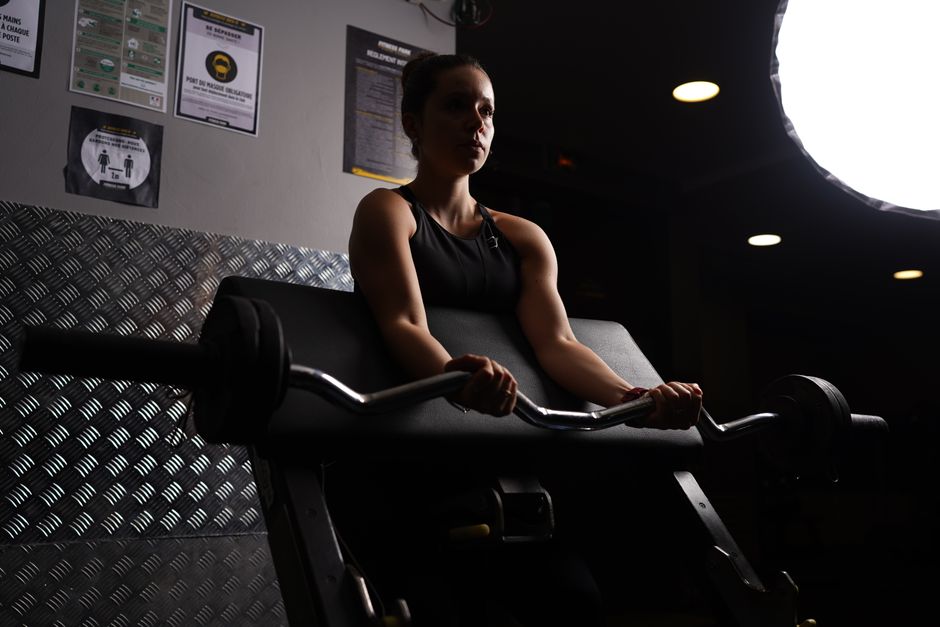
Good, with modifications: Resistance training. This one surprises people. Strength training done correctly, meaning moderate loads, controlled breathing, no breath-holding, doesn’t significantly elevate resting BP and actually improves metabolic factors that help manage hypertension long-term. The key is lighter loads (think 12-20 reps per set rather than 4-6) and exhaling on the exertion phase. When I first learned this, I pushed back on it. I’d been taught to think of weightlifting as risky for hypertensive clients across the board. But the evidence changed my mind: a 2016 meta-analysis in the Journal of Human Hypertension found that dynamic resistance training reduced resting systolic BP by about 1.8 mmHg and diastolic by 3.2 mmHg. Modest, but real.
Avoid or modify: Isometric exercises. This is the one most trainers don’t flag clearly enough. Static holds, wall sits, planks held for extended periods, any exercise where you’re contracting muscle without movement, produce disproportionate BP spikes compared to dynamic exercise. Counterintuitive, right? A plank feels easier than a squat. But the sustained muscular contraction compresses blood vessels and drives pressure up. I’m not saying never do a plank. I’m saying if you’re going to hold one, keep it under 20 seconds per set and monitor how you feel.
Avoid: Very heavy maximal lifting. One-rep maxes, competitive powerlifting-style training, and anything where the Valsalva maneuver is the default breathing pattern. This one’s pretty straightforward.
The Numbers That Should Stop You
There’s a table worth having on your refrigerator.
| Resting BP Before Exercise | Action |
|---|---|
| Below 140/90 | Cleared for normal training session |
| 140-159 / 90-99 | Proceed with moderate intensity; avoid isometrics and heavy lifting |
| 160-179 / 100-109 | Light activity only (easy walk); contact physician to review medication |
| 180/110 or above | Do not exercise; contact your doctor today |
These thresholds come from the 2023 American Heart Association exercise guidelines and are the numbers I give every hypertensive client I work with as of July 2026. They may seem conservative. They’re not. At 180/110 resting, the margin between a workout and a cardiovascular event shrinks to territory I’m not comfortable managing in a gym setting.
One practical note: measure twice before accepting a high reading. Sit quietly for five minutes, then check again. White-coat anxiety is real, and so is the anxiety of checking your own BP before a workout you’re looking forward to.
Building a Session That Actually Works
A 60-year-old client named David came to me last year with a resting BP of 148/92, on one medication, nervous about exercise because his cardiologist had told him to “be careful.” Nothing specific, just careful. He’d essentially stopped moving entirely, which was making everything worse.
Here’s what we built for him, and the structure that works for most people in his situation:
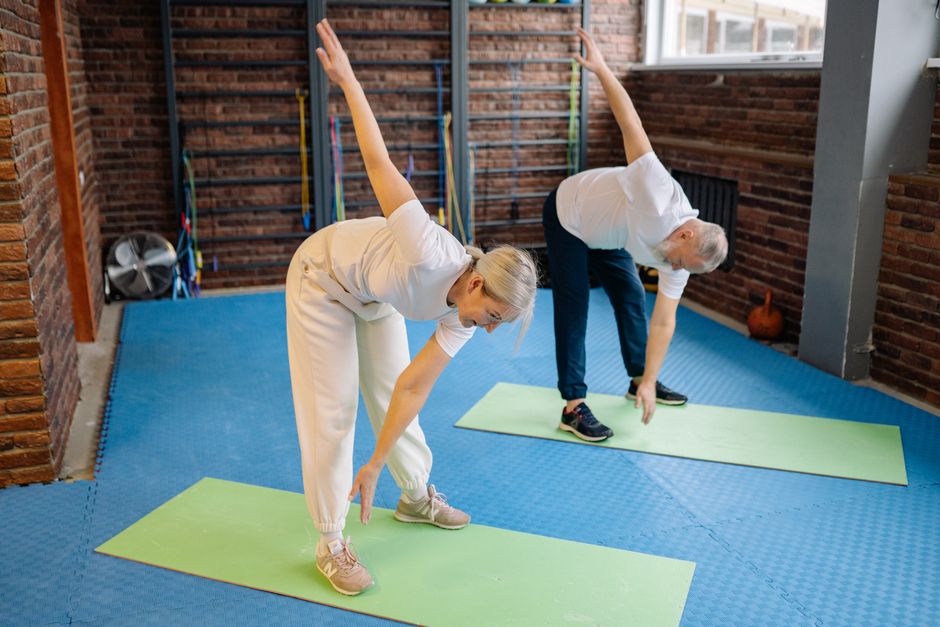
Warmup (10-12 minutes, not 5). This is non-negotiable. Cold muscle and cold cardiovascular system equals sharper BP spikes at the start of exercise. We did slow walking, progressing to a moderate pace, with some gentle range-of-motion work. No stretching-in-place as a warmup; actual movement. By minute ten, his body was ready.
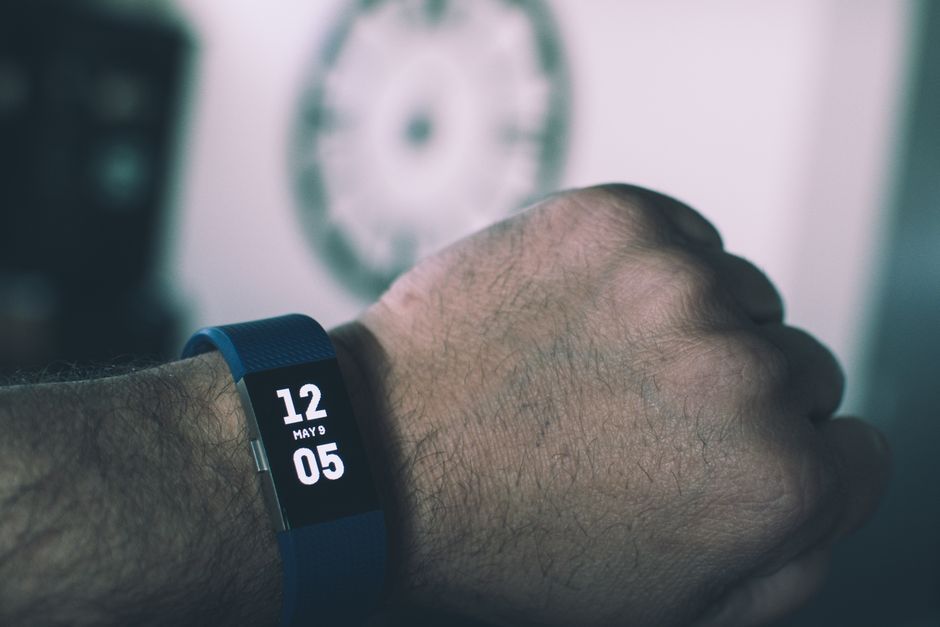
Main session (20-30 minutes to start). For David: stationary cycling at RPE 5, three days a week. We tracked his BP 15 minutes into exercise on the first few sessions using a wrist monitor (not ideal for accuracy, but useful for trend-watching). His systolic was hitting about 174 during moderate effort. Normal. Fine.
After six weeks, his resting BP had dropped from 148/92 to 139/86. His doctor reduced his medication dose. David told me the thing that surprised him most was how much calmer he felt generally. Which isn’t surprising to me at all, because the vagal tone improvements from regular aerobic exercise are real, even if they’re harder to measure.
Cooldown (10 minutes minimum). Stopping abruptly after aerobic exercise can cause blood to pool in the legs and trigger a sudden BP drop. This is another place where incidents happen. Slow the pace gradually. Don’t just step off the treadmill and sit down.
Scenario 2: A 67-year-old woman, stage 1 hypertension, wanted to keep doing her yoga class. Some yoga is fine, some isn’t. We identified the problematic poses (extended inversions, long isometric holds like chair pose without breaks) and swapped in alternatives. She kept going to class, modified about four poses, and her BP over three months: 152/94 to 143/88. Not dramatic, but consistent.
The Medication Factor
Beta blockers blunt heart rate response to exercise, which makes heart rate an unreliable intensity guide if you’re on one. This is a detail that trips up a lot of people using heart rate zones. If you’re on metoprolol, atenolol, or another beta blocker, ditch the heart rate target and use RPE instead. Your perceived effort is still accurate even when your HR isn’t.
Some calcium channel blockers can cause ankle swelling that worsens with heat and prolonged standing, which affects class-style exercise. Diuretics can cause dehydration faster than expected during exercise. Know what you’re taking and what its exercise interactions are. Your pharmacist will answer this question in five minutes; you don’t need a full doctor appointment for it.
Sources
- American College of Sports Medicine (ACSM): Exercise and Hypertension Position Stand (most recent update, 2022). Core guidelines on intensity, type, and contraindications.
- American Heart Association (2023): Physical Activity and Blood Pressure scientific statement. Threshold values and session structure recommendations.
- Cornelissen VA, Smart NA (2016): Meta-analysis in Journal of Human Hypertension on resistance training and resting blood pressure. 33 trials, dynamic resistance training effects.
- Pescatello LS et al. (2018): Study in Hypertension on exaggerated exercise blood pressure response and cardiovascular outcomes.
- Mayo Clinic: Blood pressure medications and exercise interactions reference guide. Practical drug-exercise interaction summaries.
Photo: Ketut Subiyanto via Pexels
This article is for general informational purposes only and does not constitute medical or fitness advice. Consult your physician or a licensed physical therapist before starting a new exercise program, especially if you have existing health conditions.