 Linda Chen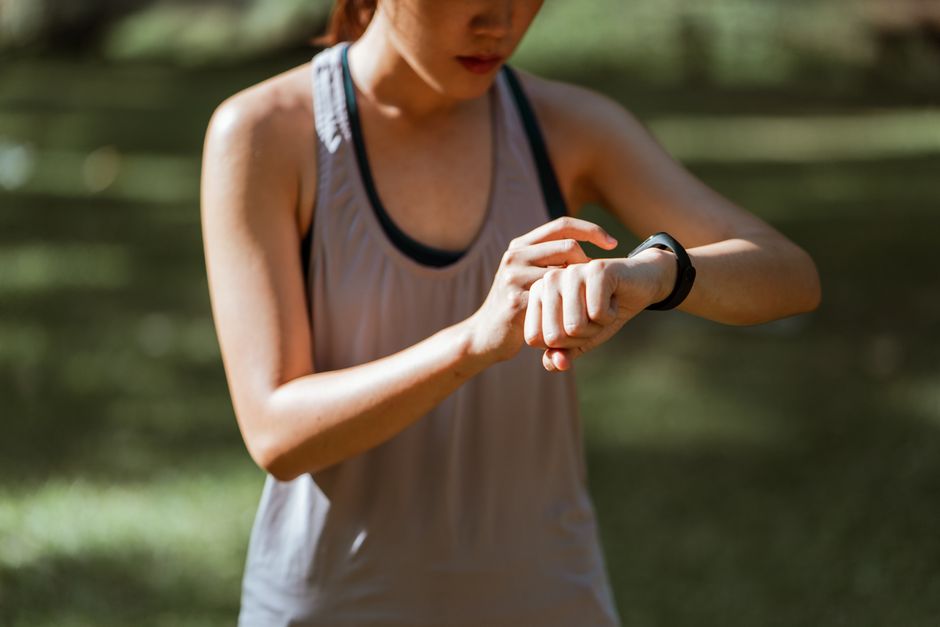
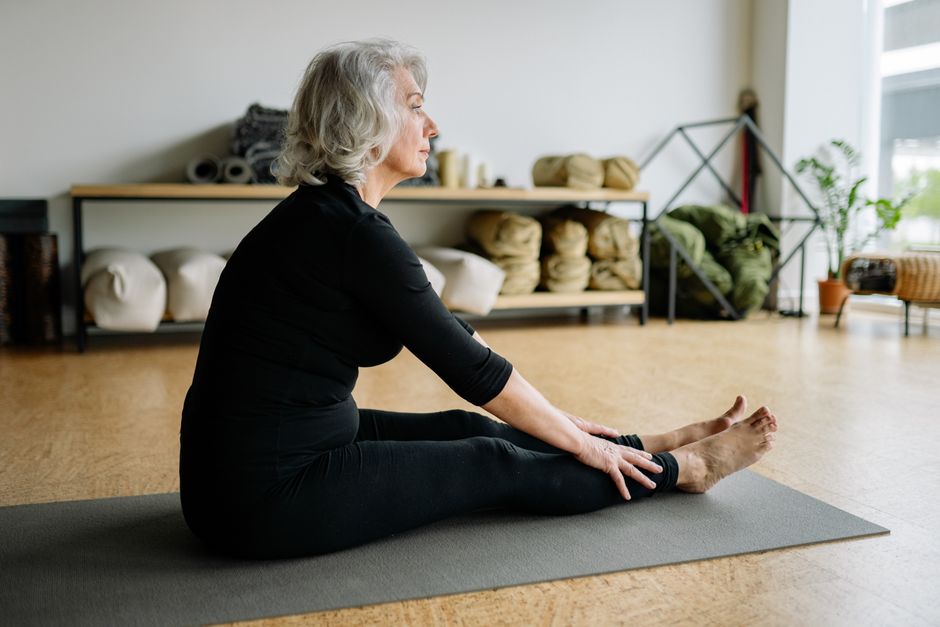
A client of mine, a 68-year-old retired teacher named Carol, came in last spring wearing a brand-new Apple Watch. She was proud of it. She’d hit 10,000 steps three days in a row. I asked her what her heart rate variability was showing, and she looked at me like I’d asked her to recite the periodic table. “I don’t even know where to find that,” she said. That moment is playing out in living rooms and gyms across the country right now, and it matters more than most people realize.
Wearable technology just ranked number one on the American College of Sports Medicine’s 2026 Worldwide Fitness Trends report, a survey of 2,000 clinicians and exercise professionals. Right behind it, at number two, was fitness programs for older adults. That’s the highest that category has ever placed since the survey launched in 2006. These two trends aren’t sitting next to each other by accident. They’re converging. And if you’re over 60 and own a smartwatch, the timing couldn’t be better, because the devices themselves have changed dramatically, and so has what we understand about how little exercise it actually takes to build real strength.
What Your Watch Can Actually Track Now (and Why It Matters for Strength)
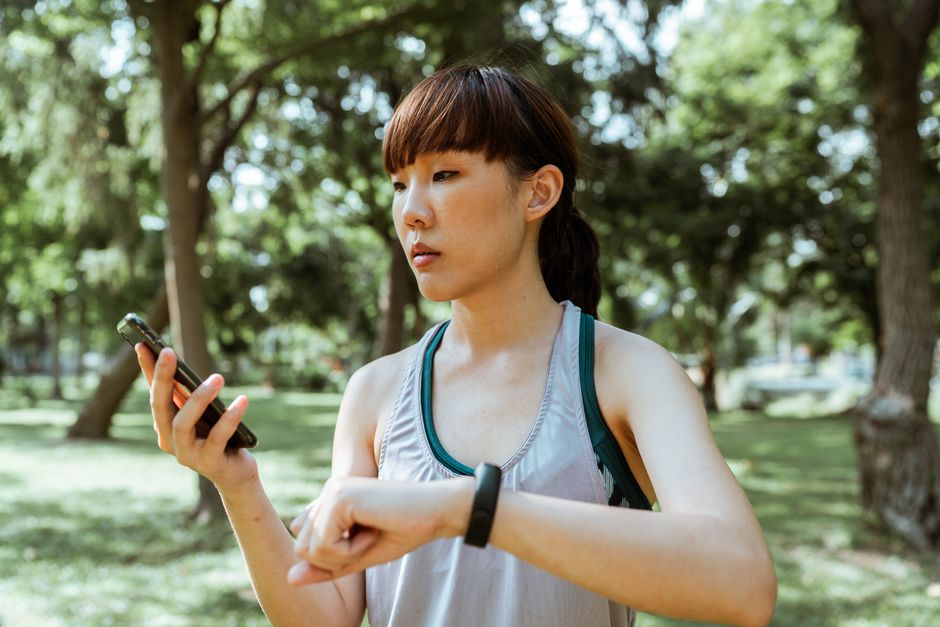
This isn’t your 2019 Fitbit counting steps and calling it a day. The Apple Watch Series 11 now tracks ECG readings, blood pressure trends, heart rate variability, sleep apnea detection, and automatic fall detection. The ACSM specifically calls these features “particularly important for aging adults.” That’s not marketing language. It reflects a genuine shift in what these devices can tell you about recovery, readiness, and risk.
Heart rate variability, or HRV, is the one I want to spend a moment on, because most people skip right past it. HRV measures the variation in time between your heartbeats. A higher, more variable number generally signals that your nervous system is recovering well and that your body can handle training stress. A low or dropping HRV, especially across several days, is often a sign to dial back intensity. For someone over 60 who’s been ignoring soreness signals or pushing through fatigue, this single number can be the difference between a productive strength session and a tweaked back.
ACSM lead author Dr. Cayla R. McAvoy put it plainly: the key question now is “teaching people how to use them in ways that best support health and behavior change.” Nearly half of U.S. adults own a fitness tracker or smartwatch. Most of them are still just counting steps.
The Research That Should Change How You Think About “Enough”
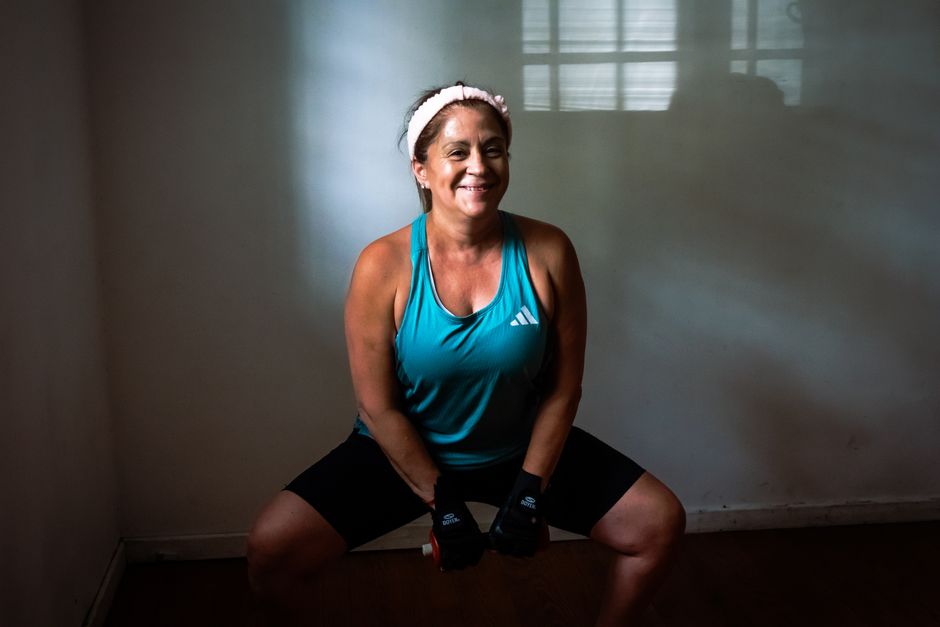
Here’s what stopped me when I read it. A June 2026 study from Penn State College of Medicine, published in PLOS One, found that just four minutes of daily resistance training significantly improved strength, one-legged stand time, and chair-stand speed in adults 65 and older, over a 12-week period. Four minutes. Not four sets of four minutes. Four minutes total.
That’s worth sitting with for a second, because I’ve watched so many people in their 60s and 70s abandon strength training entirely because they couldn’t commit to the hour-long programs they thought were required. The chair-stand speed and one-legged balance metrics from that Penn State study are exactly the kind of functional outcomes a modern smartwatch can help you track indirectly through gait analysis, activity consistency, and recovery patterns over time.
What that research tells us practically: you don’t need to do everything. You need to do something, repeatedly, and then actually look at what’s happening to your body in response.
The Features Worth Learning First
You don’t need to master every screen on your watch. I’d focus on three things, in this order.
HRV and resting heart rate trends. Check these in the morning before you get up. Most apps show a 7-day or 30-day average. You’re looking for stability or gradual improvement. A sudden drop after a hard session is normal. A week of low numbers with poor sleep on top of it is your body asking for a rest day, and you should listen.
Sleep data. Strength is built during recovery, not during the workout. Poor sleep blunts muscle protein synthesis, which is already slower after 60. If your watch is showing you consistently fragmented sleep or less than six hours, that’s the first training variable to fix, before you add any more load.
Fall detection and activity alerts. This one is less about performance and more about safety. Automatic fall detection (available on Apple Watch and several Garmin models) has already made real differences for people living alone. Think of it as the baseline safety net that gives you more confidence to push yourself in training, knowing there’s a backup if something goes wrong.
Here’s a quick look at how a few current devices compare on the features most relevant to strength training and recovery for older adults:
| Device | HRV Tracking | Blood Pressure Trends | Fall Detection | Approx. Price (2026) |
|---|---|---|---|---|
| Apple Watch Series 11 | Yes | Yes | Yes | $399+ |
| Garmin Vivoactive 5 | Yes | No | Yes | $299 |
| Fitbit Charge 6 | Yes | No | No | $159 |
| Samsung Galaxy Watch 7 | Yes | Yes | Yes | $299 |
Prices vary by retailer and configuration. Always check current listings before purchasing.
The Part Nobody Warns You About
More than 70% of wearable users report using device data to inform their exercise or recovery strategies, according to the ACSM. That sounds great until you read the caveat: the ACSM also warns that rapid device innovation “often outpaces validation,” meaning the features roll out faster than the science behind them is confirmed. This is especially true for blood pressure trend monitoring, which is not the same as a clinical blood pressure reading, and should not replace one.
I’ve seen people in their late 60s make training decisions based on wearable data that wasn’t calibrated correctly or that they were misreading. One man was convinced his heart rate was dangerously high during strength training because his watch was picking up movement artifacts. He nearly quit lifting altogether.
The practical takeaway: use your watch as a pattern-spotter, not a diagnostician. It’s excellent at telling you “something changed this week” or “your sleep has been worse since you started that new program.” It is not a substitute for talking to your doctor or working with a physical therapist who understands how to read these signals in context. If you’re seeing anything that concerns you, especially in the ECG or heart rate data, bring that to a clinician. The data is most valuable when a knowledgeable person helps you interpret it.
What the Gym Numbers Are Actually Telling Us
Adults 65 and older now visit gyms and studios more frequently than any other age group, per the ACSM Health & Fitness Consumer Report. That’s a remarkable stat. And the 2026 ACSM survey found that respondents aged 65 and over ranked the fitness-for-older-adults trend higher than any other age group surveyed. People in this group aren’t passive about their health. They’re showing up. The gap isn’t motivation. It’s information.
That’s exactly where a smartwatch earns its price. Not as a step counter. Not as a notification mirror on your wrist. As a consistent, objective record of how your body is responding to training over time, weeks and months of data that no single gym session can reveal on its own.
Carol, by the way, figured out her HRV. She started using it to decide when to push her chair-stand training and when to take a walk instead. She’s stronger now than she was a year ago, and she’ll tell you that herself.
If you’re already wearing the watch, you’re halfway there. The other half is actually opening the health app.
Sources
- Wearables, Fitness for Older Adults Top Fitness Trends 2026: ACSM , Athletech News (January 2026)
- ACSM Fitness Trends , Official Page (2026)
- Four Minutes of Daily Resistance Training Can Quadruple Fitness in Older Adults , Penn State Health News (June 2026)
- Best Fitness Trackers for Seniors with Fall Detection (July 2026) , Progressive Radio Network (July 2026)
- Why Strength Training Is Essential for Healthy Aging , CU Anschutz (July 2026)
- Top Fitness Trends 2026 , NASM (June 2026)
Photo: Ketut Subiyanto via Pexels
This article is for general informational purposes only and does not constitute medical or fitness advice. Consult your physician or a licensed physical therapist before starting a new exercise program, especially if you have existing health conditions.