 Robert Davis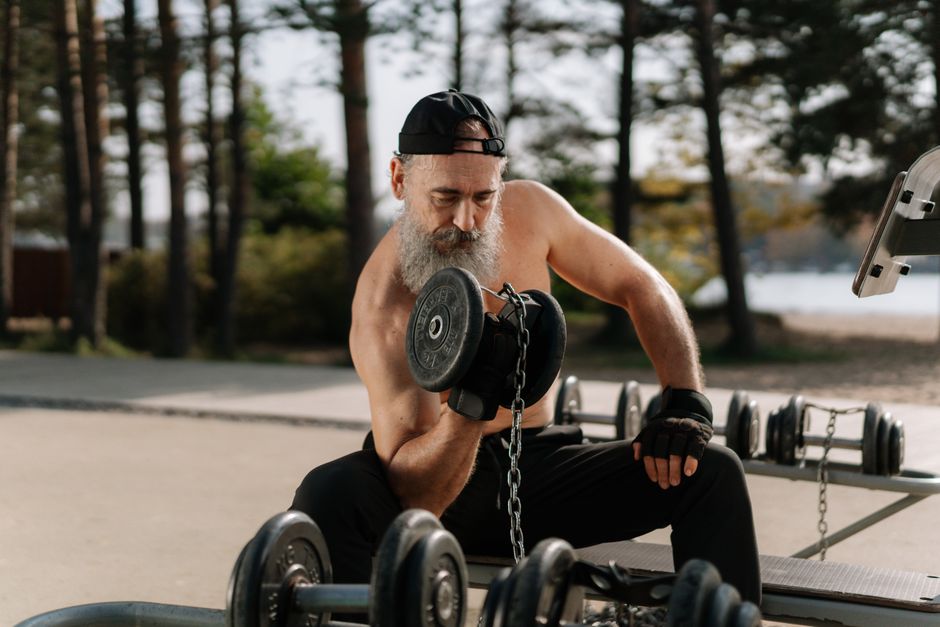
A study published June 2, 2026 in the British Journal of Sports Medicine has been all over the healthy-aging conversation this summer, and honestly, for good reason. Researchers at Harvard T.H. Chan School of Public Health tracked 147,374 adults across three major cohort studies for up to 30 years, which makes this one of the most ambitious looks at resistance training and longevity we’ve ever had. What surprised me most wasn’t that strength training helps you live longer. Most people over 60 already sense that. What surprised me was how little you actually need, and how precisely the researchers were able to pin that number down.
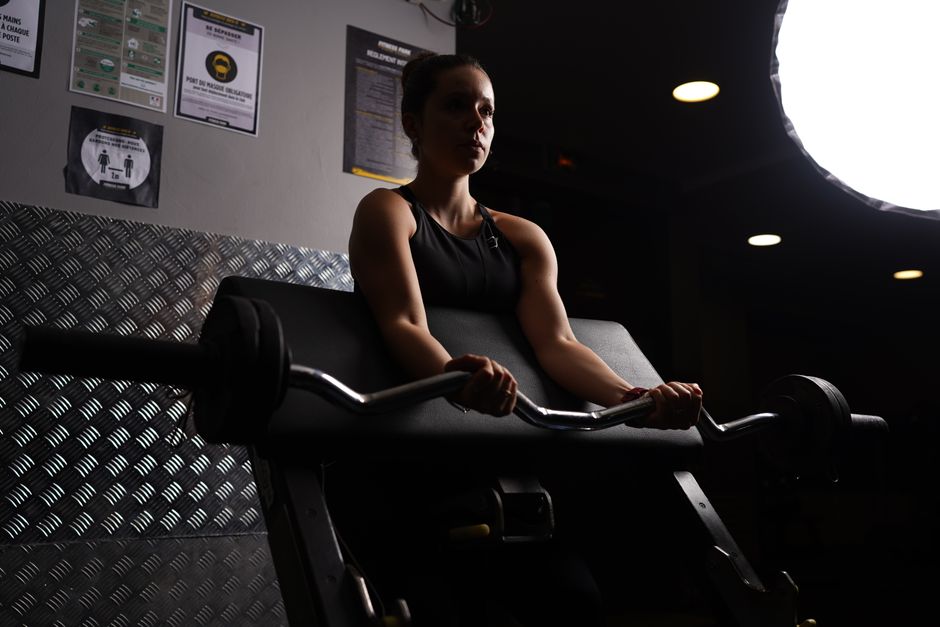
The sweet spot, it turns out, is 90 to 119 minutes of strength training per week. That’s roughly two sessions of 45 to 60 minutes, or three sessions of about 30 to 40 minutes. People who hit that range showed a 13% lower risk of dying from any cause, a 19% lower risk of dying from cardiovascular disease, and a 27% lower risk of dying from neurological disease, compared to people who did no resistance training. Those are meaningful numbers. And above 120 minutes per week? No additional mortality benefit. The curve flattens. More is not better beyond that point, which is not the message most fitness culture sends.
I’ll be honest, the neurological disease finding stopped me in my tracks. A 27% reduction is a striking number, and the research here is still evolving in terms of why resistance training affects neurological mortality. But the signal is strong enough to take seriously.
- 90–119 minutes of strength training weekly linked to 13% lower all-cause mortality risk
- Cardiovascular death risk dropped 19%; neurological disease death risk dropped 27%
- No extra mortality benefit was found above 120 minutes per week
- Combining resistance training with aerobic exercise amplified benefits
- Study participants averaged 54 years old, making findings directly relevant to adults 60+
What These Numbers Actually Mean for Someone Over 60
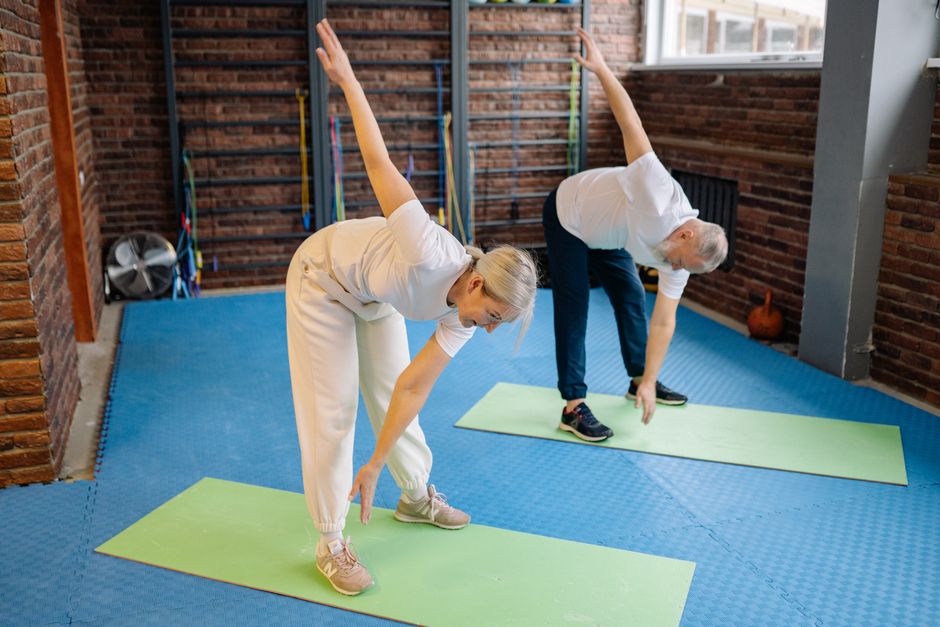
Let’s put the dose in perspective. The 90 to 119 minute weekly window works out to two 45-minute sessions. That’s it. Not six days in a gym. Not a two-hour lifting program. Two moderate sessions per week, done consistently, appears to be the threshold where your body and your longevity odds start shifting meaningfully. As Harvard co-author Edward Giovannucci, MD, put it in reporting by ScienceDaily, “Building a routine gradually may be more important than trying to do a lot at once.” That framing matters for anyone who’s been out of the habit, because it reframes the goal from heroic effort to sustainable habit.
The participants were, on average, 54 years old when they enrolled, meaning a significant portion of the data reflects what happened to people as they moved through their 60s and 70s. This isn’t a study of 25-year-old athletes. It’s a study of aging adults living regular lives, which is exactly why the findings translate.
The Aerobic Connection You Shouldn’t Skip
One of the findings that got less attention in the headlines is the combination effect. The mortality benefit was amplified when resistance training was paired with aerobic exercise. Not replaced by it. Paired with it. The Harvard data suggests a hybrid weekly routine, some strength work, some cardio, produces better outcomes than either alone.
This lines up with what I’ve seen working with older adults over the years. The clients who do best aren’t the ones obsessing over one type of exercise. They’re the ones who lift twice a week, walk most days, and maybe do a water aerobics class on Fridays. The body responds to variety. Balance, bone density, cardiovascular efficiency, and muscle mass all have different demands, and no single modality fully covers all of them.
Here’s a simple breakdown of what the research suggests in terms of protective effect by training dose:
The plateau at 120 minutes is the part worth paying attention to. The 90 to 119 range gets you essentially the same protective effect as going longer, without the added recovery burden, which for adults over 60 is not a small consideration.
Why “More Is Better” Gets Dangerous for Older Adults
5 BEST Weight Training Tips If You're Over 60 Years Old · Live Anabolic on YouTube
This is where I want to be direct, because the fitness industry has a real tendency to push harder and longer as the default advice. For adults over 60, that approach carries real risks. Overtraining in older adults can mean joint injuries, stress fractures, immune suppression, and a breakdown in the very muscle tissue you’re trying to build. Recovery is slower after 60. That’s not a complaint, it’s physiology.
The Harvard data actually gives you permission to stop at 90 to 119 minutes. The mortality benefit curve doesn’t keep climbing. Knowing that, you can structure your week without guilt, two solid sessions, focus on form, give your body time to adapt. That is the evidence-backed approach.
| Weekly Strength Training | All-Cause Mortality Benefit | Cardiovascular Benefit | Neurological Benefit |
|---|---|---|---|
| Less than 90 minutes | Partial, dose-dependent | Partial | Partial |
| 90–119 minutes (sweet spot) | 13% lower risk | 19% lower risk | 27% lower risk |
| 120+ minutes | No added benefit | No added benefit | No added benefit |
Getting There Safely if You’re Starting From Near Zero
The Giovannucci quote about building gradually is the most clinically practical thing in this whole body of research, in my view. If you’re currently doing no resistance training, going straight to two 60-minute sessions is probably too much, too fast. Starting with two 20-minute sessions and adding 5 minutes per week is genuinely enough to build toward that protective threshold over the course of a few months.
What counts as resistance training for the purposes of this research? The studies used self-reported data, meaning participants logged activities like weight machines, free weights, resistance bands, and bodyweight exercises. You don’t need a gym membership. Bodyweight squats, wall push-ups, and resistance band rows done consistently at home put you in the same category.
A few things worth watching if you’re over 60 and starting or restarting a strength routine: blood pressure response to exertion, joint pain versus muscle soreness (these are not the same thing), and balance during single-leg movements. Working with a physical therapist or certified trainer who has experience with older adults is worth the investment, at least for the first few sessions, to make sure your form and programming are safe for your specific body. The research gives us the target dose. How you get there should be personalized.
The June 2026 Harvard data is a genuine moment of clarity in a field that often deals in vague encouragement. Two sessions a week. Under two hours total. Combined with regular walking or other cardio. That’s the formula the evidence points to, and for most adults over 60, it’s actually achievable this summer.
Sources
- Scientists found the strength training sweet spot for a longer life (ScienceDaily / BMJ Group, June 12, 2026)
- A Harvard 30-Year Study of 147,000 People Has Found the Exact Amount of Strength Training (Medical Daily, June 15, 2026)
- Strength Training for Longevity: Study Reveals Sweet Spot (Dr. Axe, June 2026)
- This exercise ‘sweet spot’ is linked to greater longevity (Washington Post, June 16, 2026)
- Sweet Spot Found for Longevity Benefits of Strength Training (AgeWise / Substack, July 2026)
- Strength Training: This ‘Sweet Spot’ May Help You Live Longer (Healthline, June 17, 2026)
Photo: cottonbro studio via Pexels
This article is for general informational purposes only and does not constitute medical or fitness advice. Consult your physician or a licensed physical therapist before starting a new exercise program, especially if you have existing health conditions.