 Helen Santos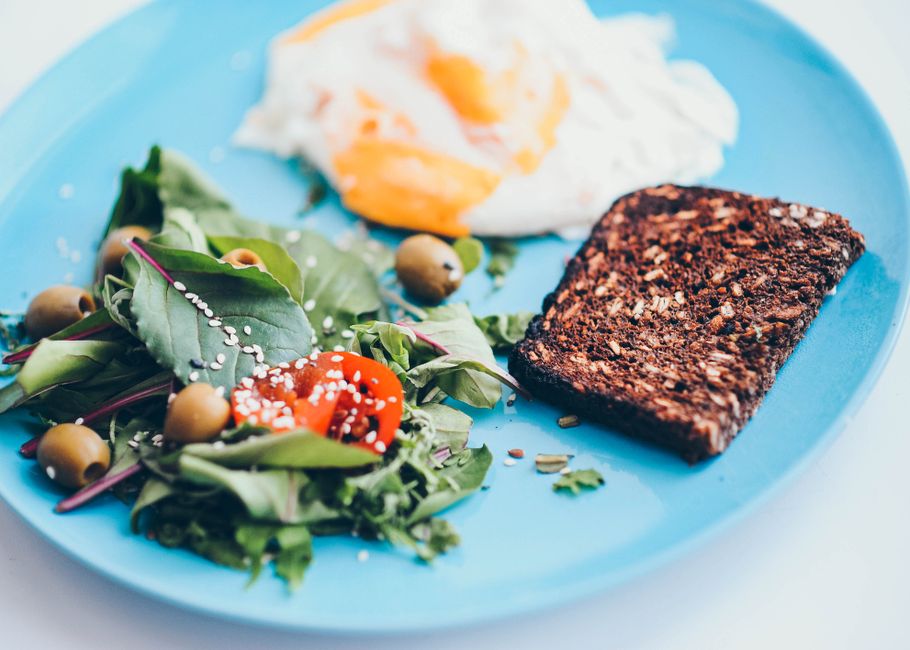
You eat what feels like a perfectly healthy meal, yet you still feel tired, weak, or notice your muscles aren’t as strong as they used to be. Sound familiar? Many seniors experience this frustrating cycle without realizing the culprit might be hiding right on their plate: not enough protein. Understanding how much protein seniors need daily is one of the most important steps you can take to protect your strength, energy, and independence as you age.
Why Protein Becomes Even More Important After 60
As we get older, our bodies naturally start to lose muscle mass, a process called sarcopenia. This can begin as early as your 30s, but it accelerates significantly after age 60. The good news is that adequate protein intake is one of the most powerful tools to slow this process down.
Protein isn’t just for bodybuilders. Every cell in your body depends on protein to repair itself, fight infection, and carry out basic functions. For seniors, this means protein plays a direct role in staying mobile, recovering from illness, and maintaining a healthy immune system.
Research published in the American Journal of Clinical Nutrition has shown that older adults who consume sufficient protein maintain muscle strength and physical function far better than those who fall short. Protein is your body’s maintenance crew, and your crew needs to be well-staffed.
How Much Protein Do Seniors Actually Need Each Day?
| Body Weight | Minimum Daily Protein | Active/Recovering | Grams per Meal (3 meals) |
|---|---|---|---|
| 130 lbs (59 kg) | 59-71 g | 71-94 g | 20-30 g |
| 150 lbs (68 kg) | 68-82 g | 82-109 g | 23-30 g |
| 175 lbs (79 kg) | 79-95 g | 95-126 g | 26-32 g |
The standard recommendation from the Recommended Dietary Allowance (RDA) is 0.8 grams of protein per kilogram of body weight per day. Most leading nutrition experts and geriatric health organizations now disagree with this. They think it’s too low for adults over 60.
Current research strongly suggests that seniors should aim for 1.0 to 1.2 grams of protein per kilogram of body weight per day at minimum. Those who are physically active or recovering from illness or surgery should shoot for 1.2 to 1.6 grams per kilogram.
Here’s what that actually looks like:
- A 150-pound (68 kg) senior should aim for approximately 68 to 82 grams of protein per day
- A 175-pound (79 kg) senior should target roughly 79 to 95 grams of protein per day
- A 130-pound (59 kg) senior should aim for about 59 to 71 grams of protein per day
These numbers may feel large at first. Once you start paying attention to your food choices, though, hitting these targets becomes very manageable.
Pro Tip: Spread your protein intake evenly across all three meals rather than loading it all at dinner. Research shows your muscles absorb and use protein more efficiently when you consume 25-30 grams per meal throughout the day.
The Best Protein Sources for Seniors
Photo by SPACEDEZERT on Unsplash
Not all proteins are created equal. Your body absorbs and uses some protein sources more efficiently than others, and as a senior, choosing high-quality protein matters even more.
Animal-based proteins are “complete proteins” because they contain all nine essential amino acids your body can’t make on its own:
- Eggs, one of the most bioavailable protein sources available
- Lean chicken and turkey breast
- Fish and seafood, especially salmon, tuna, and cod
- Low-fat dairy products like Greek yogurt, cottage cheese, and milk
- Lean beef and pork in moderate amounts
Plant-based proteins work great too, especially when you combine them strategically:
- Lentils and chickpeas
- Black beans and kidney beans
- Tofu and edamame
- Quinoa (one of the few complete plant proteins)
- Nuts and seeds like almonds, pumpkin seeds, and hemp seeds
If you prefer a plant-based lifestyle, combining different plant proteins, such as rice and beans, gives your body all the amino acids it needs throughout the day.
Warning Signs You May Not Be Getting Enough Protein
It’s surprisingly easy to fall short on protein, especially if your appetite has decreased or you’re cooking for just one or two people. These warning signs can help you course-correct before things get serious.
Watch for these:
- Unusual fatigue or low energy even after a full night of sleep
- Muscle weakness or difficulty with tasks that used to feel easy
- Slow wound healing or frequent minor infections
- Hair thinning or brittle nails
- Feeling hungry shortly after meals even when you’ve eaten a reasonable amount
- Swelling in the legs or feet, which can sometimes be linked to low blood protein levels
If you recognize several of these symptoms, talk to your doctor or a registered dietitian. A simple dietary review or even a blood test checking albumin levels can give you a clearer picture of where you stand.
Practical Tips to Boost Your Daily Protein Intake
Photo by Jose Marroquin on Unsplash
Knowing what you need is one thing. Actually getting there in real life is another. The good news: small, simple changes to your daily routine can make a meaningful difference.
Here are some easy, practical ways to add more protein to your day without completely overhauling your diet:
- Start your morning with eggs or Greek yogurt, both deliver 15-20 grams of protein at breakfast
- Add a handful of nuts to your oatmeal, salad, or as an afternoon snack
- Stir protein powder into smoothies or soups, a flavorless whey or pea protein powder is nearly undetectable
- Choose cottage cheese as a snack instead of crackers or chips, it provides about 25 grams per cup
- Include a protein source at every single meal, no matter how small the portion
- Use beans or lentils to bulk up soups, stews, and casseroles
- Keep hard-boiled eggs in the fridge for a quick, grab-and-go protein option
Consistency matters more than perfection. Even adding one extra protein-rich food per day is progress.
Special Considerations: When Protein Needs Are Higher
Certain situations increase your protein requirements beyond the standard recommendations. Understanding these situations helps you adjust accordingly when your body needs extra support.
You may need extra protein if you are:
- Recovering from surgery, a fracture, or a serious illness
- Managing a chronic condition like diabetes, kidney disease (under medical guidance), or cancer
- Participating in regular resistance or strength training exercise
- Experiencing unintentional weight loss
People with chronic kidney disease (CKD) may actually need to limit protein intake rather than increase it. Always consult your doctor or a registered dietitian before making significant changes to your protein consumption if you have any existing health conditions.
You’ve Got This, One Meal at a Time
Getting enough protein as a senior isn’t about extreme dieting or complicated meal plans. It’s about making small, consistent choices that add up to a stronger, healthier, more energetic version of you.
Start by checking in with what you’re currently eating. You might be closer to your protein goals than you think, or you might just need a few simple swaps. Either way, every positive step you take today is an investment in your strength, independence, and quality of life for the years ahead.
You’ve already taken the first step by learning more. Keep going. Your body will thank you for it.
Photo by Tamanna Rumee on Unsplash
Sources
Disclosure: As an Amazon Associate, we earn a small commission from qualifying purchases at no extra cost to you. We only recommend products that genuinely support the topics covered in this article.
- Nutramax Cosequin Senior Dog Soft Chews (60ct) (~$32), Senior-specific Cosequin formula with added Omega-3s, designed for aging dogs with joint and immune health needs.
- Nutramax Cosequin DS Joint Supplement for Dogs (132ct) (~$36), The #1 veterinarian-recommended joint supplement brand, clinically studied for reducing joint pain in dogs.