 Robert Davis
Maybe you’ve just had a check-up where your doctor said something like “you really should be more active,” and you nodded along, but walked out of the office still not knowing what that actually means for your life. Or maybe you’ve been exercising for years and you’re wondering if what you’re doing is enough, or possibly too much. Either way, you’re looking for a real answer, not a pamphlet with stick figures on it.
Here’s a number that surprises most people: adults over 65 who do just 150 minutes of moderate-intensity movement per week reduce their risk of dying from cardiovascular disease by roughly 35 percent compared to those who do little to nothing. That’s about 21 minutes a day. Not two hours. Not a gym membership you’ll dread using. Twenty-one minutes. The research behind this comes from the Physical Activity Guidelines for Americans, now in its second edition, and it’s one of the most well-supported findings in public health. But knowing the number and knowing what to do with it are two very different things.
What the Guidelines Actually Say (And What They Leave Out)
The official recommendation for adults 65 and older is 150 to 300 minutes per week of moderate-intensity aerobic activity, or 75 to 150 minutes of vigorous-intensity activity, plus muscle-strengthening activities on two or more days per week. If you have balance concerns, which many people over 60 do, the guidelines also recommend adding balance training at least three days per week.
Those numbers are the floor, not the ceiling. They’re the minimum associated with meaningful health benefits. Going beyond them, up to about 300 minutes of moderate activity per week, continues to add benefit without adding significant risk for most people.
Here’s what the guidelines don’t tell you: they don’t account for where you’re starting from. Someone who hasn’t been active in a decade can’t just jump to 150 minutes and expect to feel good on day three. Someone recovering from a hip replacement is working in a completely different context than someone who retired from recreational tennis. The guidelines are a destination. Your job is to figure out your current starting point and build a sensible path toward that destination. That’s where most generic advice falls apart, and where real help begins.
Understanding the Three Pillars: Aerobic, Strength, and Balance
| Type of Exercise | Weekly Target | Example Activities | Key Benefit |
|---|---|---|---|
| Moderate Aerobic | 150-300 minutes | Walking, swimming, cycling, dancing | Heart health, endurance, mood |
| Vigorous Aerobic | 75-150 minutes | Brisk hiking, running, fast cycling | Cardiovascular fitness, time efficiency |
| Strength Training | 2+ days per week | Resistance bands, weights, bodyweight exercises | Muscle preservation, functional independence |
| Balance Training | 3+ days per week | Tai Chi, yoga, single-leg stands, heel-to-toe walking | Fall prevention, coordination |
Most people picture walking when they think about exercise for older adults. Walking is wonderful. I mean that genuinely. But it’s only one piece of a three-part picture, and the other two pieces are arguably more critical to your quality of life and your independence as you age.
Aerobic exercise is what most people picture: walking, swimming, cycling, dancing. It keeps your heart and lungs strong, helps manage blood pressure and blood sugar, supports mood, and improves sleep. Moderate intensity means you can still hold a conversation but you’re breathing noticeably harder than at rest. The “talk test” is a simple and effective way to gauge this.
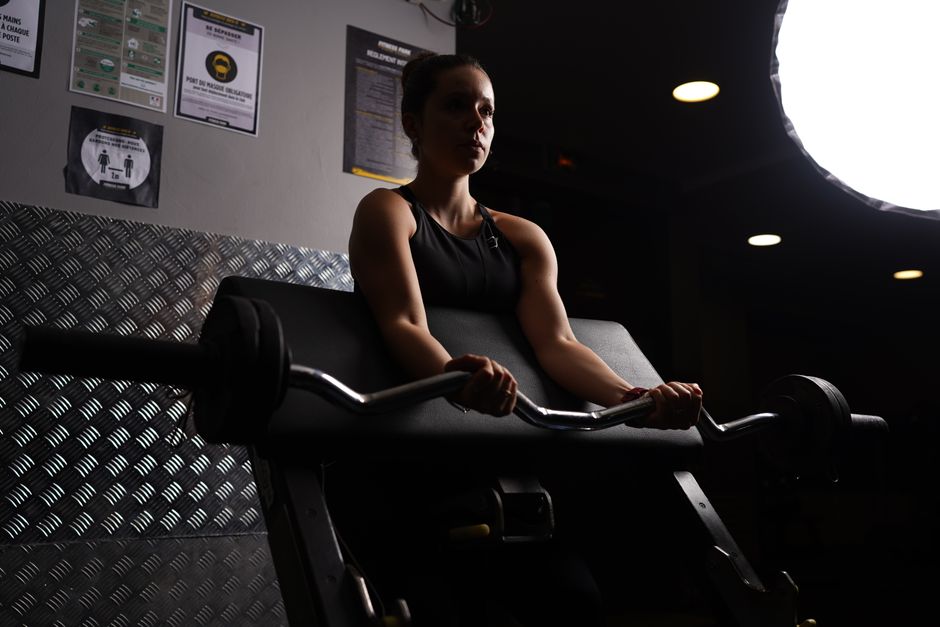
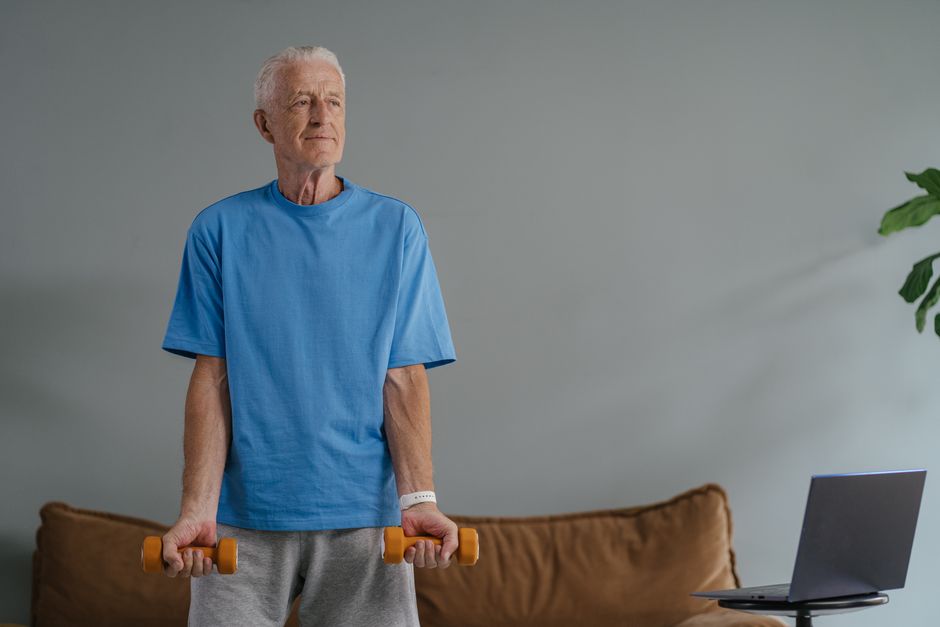
Strength training is where I see the most gaps in older adults’ routines, and also where I’ve seen some of the most dramatic improvements in function. After age 30, adults lose roughly 3 to 8 percent of their muscle mass per decade, and that rate accelerates significantly after 60. This process, called sarcopenia, is a primary driver of falls, fatigue, and loss of independence. Two sessions per week of resistance exercise targeting the major muscle groups, legs, hips, back, abdomen, chest, shoulders, and arms, can meaningfully slow this loss and even reverse some of it. This doesn’t have to mean a barbell. Resistance bands, bodyweight exercises, water resistance in a pool, and machine weights all count.
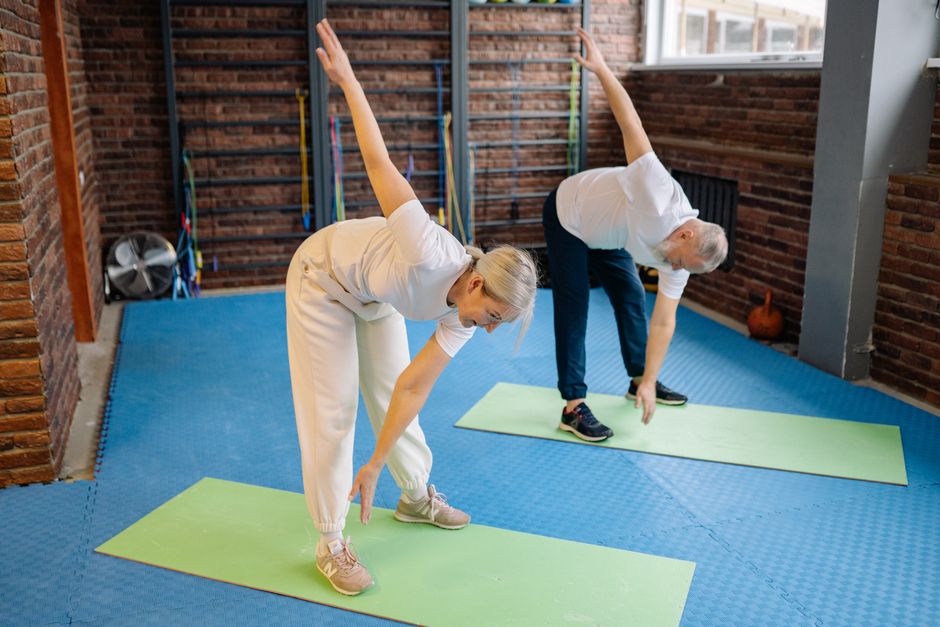
Balance training often gets treated as an afterthought, but falls are the leading cause of injury-related death among adults over 65 in the United States. Single-leg stands, heel-to-toe walking, Tai Chi, and yoga all build the neuromuscular coordination your body needs to catch itself before a stumble becomes a fall. Three days per week is the target, but honestly, some balance practice woven into your daily routine (standing on one foot while you brush your teeth, for example) costs you almost nothing and adds up quickly.
A Practical Weekly Plan to Get You Started
You might be wondering what this actually looks like when you put it on a calendar. Here’s what I tell people who are starting fresh or restarting after a long break.
Step 1: Start at half the target. If 150 minutes feels overwhelming, begin with 75 minutes of moderate aerobic activity spread across the week. Three 25-minute walks is a completely legitimate starting point.
Step 2: Add strength work in week two or three, not week one. Give your body a chance to adapt to increased movement before layering in resistance training. Two sessions per week, 20 to 30 minutes each, is a sustainable beginning.
Step 3: Build in balance work as part of your warm-up or cool-down. Five to ten minutes of balance practice before or after your aerobic session costs you no extra time and builds the habit without requiring a separate appointment with yourself.
Step 4: Increase total aerobic time by no more than 10 percent per week. This is a standard guideline in exercise science for reducing injury risk. Going from 75 to 82 minutes the next week feels anticlimactic but protects your joints, tendons, and motivation.
Step 5: Reassess every four weeks. How are your energy levels? Sleep quality? Are daily tasks like carrying groceries or climbing stairs feeling any different? Progress in older adults often shows up in quality of life markers before it shows up on a scale or a fitness test.
| Type of Exercise | Weekly Target | Example Activities | Key Benefit |
|---|---|---|---|
| Moderate Aerobic | 150 to 300 minutes | Walking, swimming, cycling, dancing | Heart health, endurance, mood |
| Vigorous Aerobic | 75 to 150 minutes | Brisk hiking, water aerobics, doubles tennis | Greater cardiovascular gains in less time |
| Strength Training | 2 or more sessions | Resistance bands, bodyweight, light weights | Muscle mass, bone density, metabolism |
| Balance Training | 3 or more sessions | Tai Chi, single-leg stands, yoga | Fall prevention, coordination |
| Flexibility Work | 2 or more sessions | Stretching, yoga, Pilates | Joint range of motion, injury prevention |
When Rest Days Matter as Much as Active Days
Rest is not laziness. For older adults especially, recovery is where adaptation happens. Your muscles don’t get stronger during the workout. They get stronger in the 24 to 72 hours afterward, when your body rebuilds the tissue that exercise has stressed.
What I often see with highly motivated people starting a new routine is that they feel great in week one and overdo it, then spend week two in pain and week three convinced that exercise “doesn’t work for them.” That cycle is entirely preventable.
Plan at least one full rest day between strength training sessions. Active recovery, meaning a gentle walk or some light stretching on days between harder sessions, is ideal and keeps blood flowing to healing tissues without taxing them. Soreness 24 to 48 hours after exercise is normal. Sharp pain during exercise, joint pain that persists for more than 72 hours, or severe swelling are signals to stop and consult your doctor or a physical therapist before continuing.
Adjusting for Health Conditions That Change the Equation
If you have osteoporosis, heart disease, diabetes, arthritis, or a history of falls or fractures, the general guidelines still apply, but the how matters enormously. This is exactly where a certified fitness professional working alongside your medical team earns their value.
For example: high-impact activities that are great for bone density in healthy adults can be risky for someone with advanced osteoporosis in the spine. But resistance training and certain weight-bearing activities remain beneficial even then, they just need to be selected and supervised carefully. Similarly, someone with uncontrolled high blood pressure needs guidance on intensity levels and should avoid breath-holding during strength exercises, a technique called the Valsalva maneuver, which can spike blood pressure dangerously.
Arthritis is the condition I hear most often used as a reason to avoid exercise entirely. And I understand why: moving when things hurt feels counterintuitive. But research consistently shows that appropriate exercise reduces arthritis pain over time by strengthening the muscles around joints and reducing inflammation. Water-based exercise is particularly effective because buoyancy reduces joint load while still allowing meaningful resistance.
The key phrase in all of this is “appropriate exercise.” Please talk to your doctor before starting a new program, especially if you have any of the conditions I’ve mentioned. A brief conversation can save you from weeks of setback.
The honest truth is that there’s no single perfect number that applies to every person reading this. One hundred fifty minutes is a well-supported target, but your version of that might look very different from your neighbor’s. What matters most is that you’re moving consistently, that your program includes all three elements (aerobic, strength, and balance work), and that you’re building gradually rather than trying to close a decade-long gap in three weeks. If you’re not sure where to start, a certified fitness professional who specializes in older adults, or a referral from your doctor to a physical therapist, can be worth more than any article. Including this one.
This article is for general informational purposes only and does not constitute medical or fitness advice. Consult your physician or a licensed physical therapist before starting a new exercise program, especially if you have existing health conditions.
Sources
- Nutramax Cosequin Senior Dog Soft Chews (60ct)
- Nutramax Cosequin DS Joint Supplement for Dogs (132ct)
- behind this comes from the Physical Activity Guidelines for Americans
- in public health
- consistently shows that appropriate exercise reduces arthritis pain over time by
Disclosure: As an Amazon Associate, we earn a small commission from qualifying purchases at no extra cost to you. We only recommend products that genuinely support the topics covered in this article.
- Nutramax Cosequin Senior Dog Soft Chews (60ct) (~$32), Senior-specific Cosequin formula with added Omega-3s, designed for aging dogs with joint and immune health needs.
- Nutramax Cosequin DS Joint Supplement for Dogs (132ct) (~$36), The #1 veterinarian-recommended joint supplement brand, clinically studied for reducing joint pain in dogs.