 Linda Chen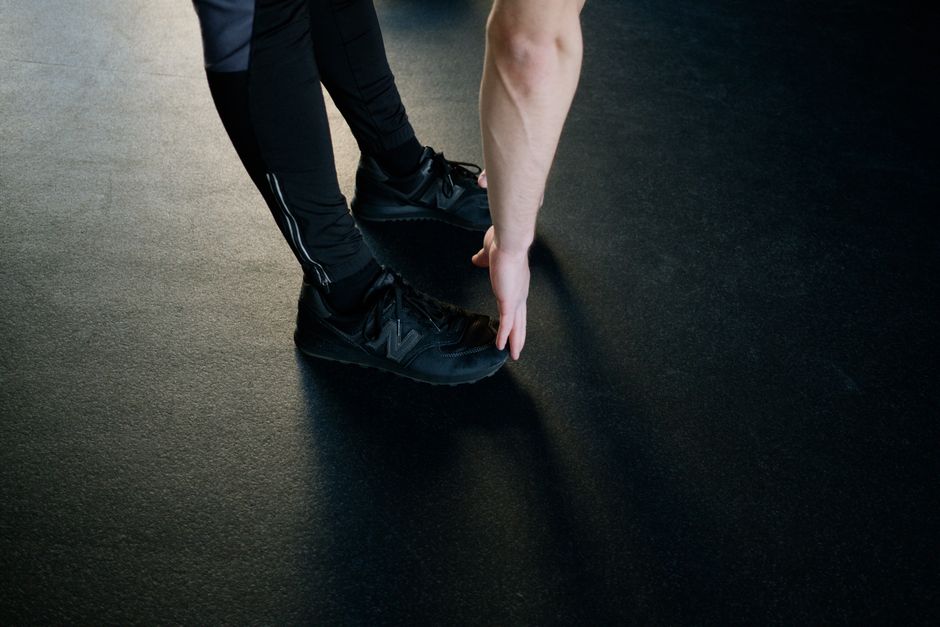
Most people come to me after they’ve already stopped moving. Not because they wanted to, but because someone, somewhere, told them that pain meant they should rest. And honestly? That advice made sense on the surface. It just happens to be one of the most counterproductive things a person with arthritis can do.
I’ve worked with adults over 60 for more than a decade, and the pattern I see most is this: joint pain starts, activity drops, stiffness gets worse, pain increases, activity drops further. It’s a cycle that feeds itself, and breaking it can feel almost impossible from the inside. So if you’re sitting here wondering whether exercise could actually help or whether you’d just be grinding down cartilage that’s already struggling, you’re in exactly the right place to get a straight answer.
The straight answer is: yes, exercise helps. Significantly. But the how matters enormously.
Why Movement Is Medicine for Arthritic Joints
Here’s what most people don’t know about cartilage: it doesn’t have its own blood supply. It gets nutrients through a process called imbibition, which basically means it absorbs synovial fluid when it’s compressed and released during movement. When you stop moving, that delivery system slows down. Cartilage gets less of what it needs to stay healthy. So rest, paradoxically, can accelerate the very deterioration people are trying to avoid.
You might be wondering: but doesn’t repetitive loading wear down cartilage faster? This is where I have to be careful, because the answer depends heavily on the type of loading. High-impact, repetitive pounding (running on concrete every day with poor form, for instance) can be problematic for some people with significant joint damage. But moderate, controlled loading through exercise actually stimulates cartilage health, reduces inflammation, and builds the surrounding musculature that takes pressure off the joint itself.
A 2019 study published in the British Journal of Sports Medicine followed over 5,000 adults with knee osteoarthritis and found that those who engaged in regular moderate exercise reported significantly less pain and better function compared to sedentary controls, and that imaging showed slower structural decline over time. That’s not a small finding.
Here’s what I tell people who are skeptical: the research on exercise for arthritis is about as consistent as research gets in this field. Cochrane reviews (as of this year) consistently show that both strengthening exercise and aerobic exercise reduce pain and improve physical function in people with osteoarthritis of the knee and hip. The effect sizes are comparable to what you’d get from anti-inflammatory medications, without the GI side effects.
The Types of Exercise That Actually Help (and One Common Mistake)
I made this mistake myself early in my career: I assumed that because water aerobics was popular with older adults, it must be the gold standard for arthritic joints. I spent two years recommending it almost exclusively. Then I started reading more carefully about muscle strength and joint protection, and I had to rethink my whole approach.
Aquatic exercise is genuinely wonderful. The buoyancy reduces joint load, the warm water (most therapy pools run around 88 to 92 degrees Fahrenheit) relaxes muscle guarding, and it’s accessible for people who can’t tolerate weight-bearing activity at all. I’d never take it off the table.
But it shouldn’t be all you do.
Strength training, done correctly, is probably the most protective intervention available to someone with arthritis. When the muscles around a joint are strong, they absorb force that would otherwise be transmitted directly to cartilage and bone. Quadriceps strength, specifically, has a well-documented inverse relationship with knee osteoarthritis progression: weaker quads mean more pain and faster decline. This has been replicated enough times across enough populations that I consider it settled.
Here’s a loose sense of what an effective weekly structure might look like for someone managing arthritis (keeping in mind that individual circumstances vary enormously and you should always work with your own healthcare provider to tailor this):
Strengthening work two to three days a week. Think chair-assisted squats, wall sits, resistance band exercises for the hips and shoulders, and heel raises. Start with bodyweight or very light resistance and progress slowly, over weeks and months, not days. Pain during exercise should stay at a 3 out of 10 or lower on a subjective scale. Soreness 24 hours later is normal; sharp pain during is a signal to stop and reassess.
Low-impact aerobic activity most other days. Walking, cycling (stationary or outdoor), swimming, tai chi. Thirty minutes is a great target, but 10-minute segments count, too. The research is clear that accumulated daily movement produces similar benefits to one longer session.
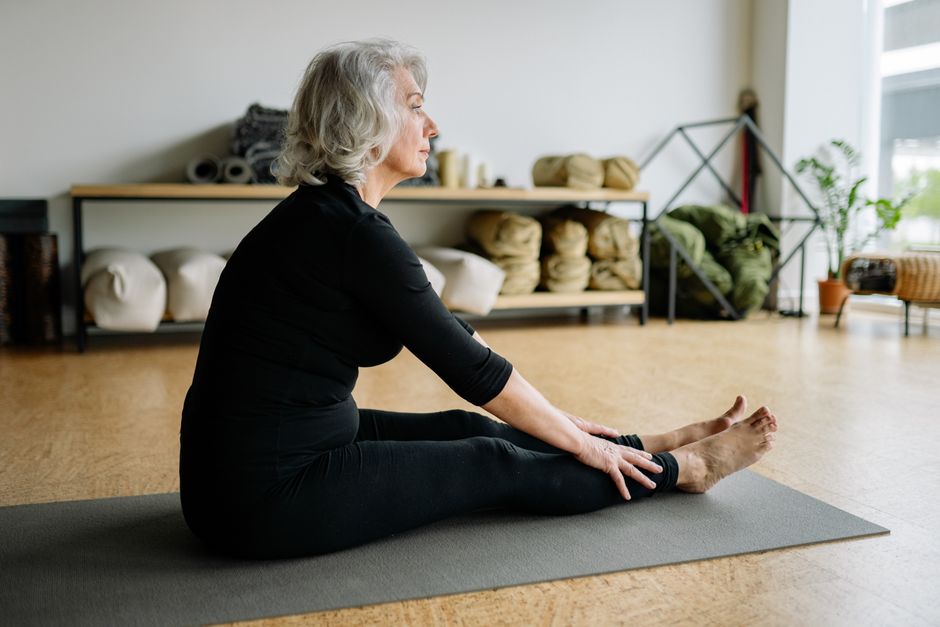
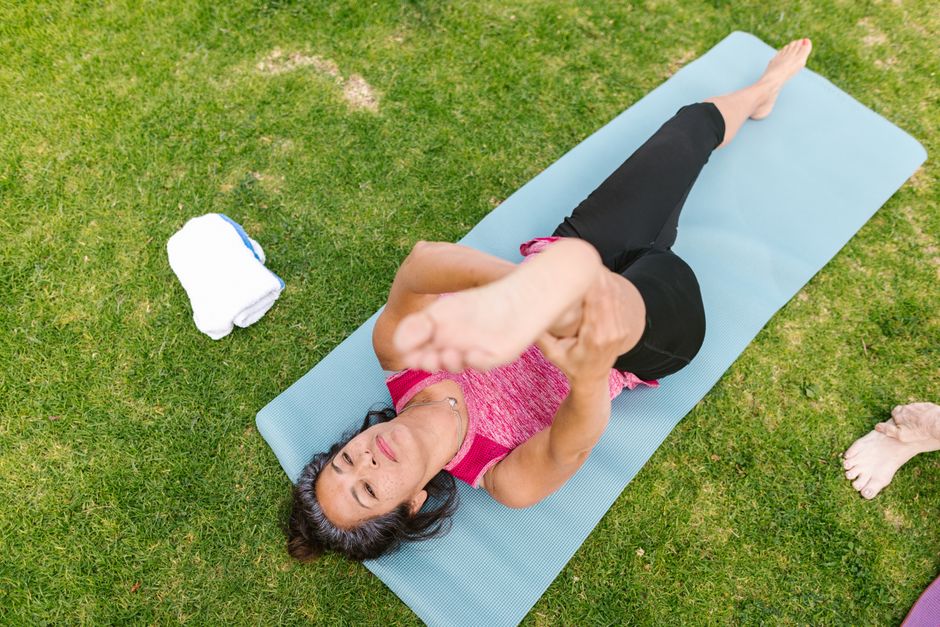
Flexibility and mobility work daily or near-daily. This doesn’t need to be elaborate. Gentle range-of-motion exercises, some light stretching, maybe five to ten minutes of movement in the morning when stiffness is highest.
The Pain Paradox: How to Tell Good Pain from Bad Pain
This is the piece of information I wish someone had given my clients years earlier. Most people with arthritis experience some pain during exercise, and that’s actually okay within a specific window. The fear that any pain means damage is what keeps people sedentary.
Here’s what I tell people: a mild ache during exercise, at a level you’d call a 2 or 3 out of 10, is generally acceptable. If it fades within an hour of finishing, you’re likely fine. If pain spikes above a 4 or 5 during activity, or if it persists more than two hours after you stop, that’s a signal to dial back. Not quit. Dial back.
Sharp, stabbing, or sudden pain is different. That always warrants stopping and checking in with a clinician.
The problem is that most people with arthritis have spent years treating any pain as an alarm bell, which is understandable because sometimes it is. Learning to distinguish the types takes time and often works best with a physical therapist who can observe your movement and give you real-time feedback.
I worked with a 67-year-old retired teacher named Margaret from my clinic’s outreach program in fall 2024. She had bilateral knee osteoarthritis, had stopped walking more than a few hundred feet per day, and was convinced that any activity made her worse. We started with seated leg extensions using a resistance band at nearly zero load, and 12 weeks later she was walking 20 minutes daily and had dropped her reported pain score from a 7 at rest to a 3. The change wasn’t dramatic in any single session. It was the accumulation.
Another example: a 72-year-old man I’ll call Robert came in after his orthopedist suggested he consider knee replacement. He wanted to try six months of conservative care first. We focused on quadriceps and hip abductor strengthening, three days a week. At the six-month mark, his pain had decreased enough that he elected to postpone surgery. Two years later, as of when I last checked in with him, he hadn’t had it. That outcome isn’t universal, but it’s not a fluke either. [Initial presentation: 8/10 pain, significant difficulty with stairs. Program: structured twice-weekly PT plus home exercise. Six-month result: pain reduced to 4/10, stair function improved enough to delay surgery indefinitely.]
What About Flare-Ups?
Rest during a flare. There, I said it.
If a joint is acutely inflamed, hot, swollen, or significantly more painful than your baseline, that is not the moment to push through a workout. Gentle range-of-motion movement is usually fine and can actually help, but vigorous exercise during an acute flare can worsen inflammation.
The goal is to return to your program as soon as the flare settles, which for most people is within a few days to a week. The mistake is letting a flare become a permanent return to inactivity. One bad week shouldn’t undo months of progress, but only if you get back on the horse.
Sources
- Bannuru RR, et al. (2019): OARSI guidelines for the non-surgical management of knee, hip, and polyarticular osteoarthritis. Osteoarthritis and Cartilage. Comprehensive evidence-based guidelines including exercise recommendations.
- Fransen M, et al. (2015): Exercise for osteoarthritis of the knee. Cochrane Database of Systematic Reviews. Meta-analysis confirming benefits of both aerobic and strengthening exercise for pain and function.
- Arthritis Foundation (current as of June 2026): Exercise and arthritis resource hub at arthritis.org. Practical movement guidance developed with rheumatologists and physical therapists.
- Uthman OA, et al. (2013): Exercise for lower limb osteoarthritis: systematic review incorporating network meta-analysis. BMJ. Found exercise benefits comparable to NSAIDs for pain reduction.
- American College of Rheumatology: Physical activity recommendations for adults with arthritis. Regularly updated clinical guidance.
The thing I want you to hold onto is this: your joints are not too far gone for movement to help. I’ve seen people in their 80s, with X-rays that looked genuinely alarming, find meaningful relief through a carefully built exercise habit. It takes patience, and it takes starting where you actually are rather than where you wish you were. But the alternative, a body that moves less and hurts more, isn’t a resting state. It’s a direction.
You get to choose a different one.
Photo: Ivan S via Pexels
This article is for general informational purposes only and does not constitute medical or fitness advice. Consult your physician or a licensed physical therapist before starting a new exercise program, especially if you have existing health conditions.