 James Cooper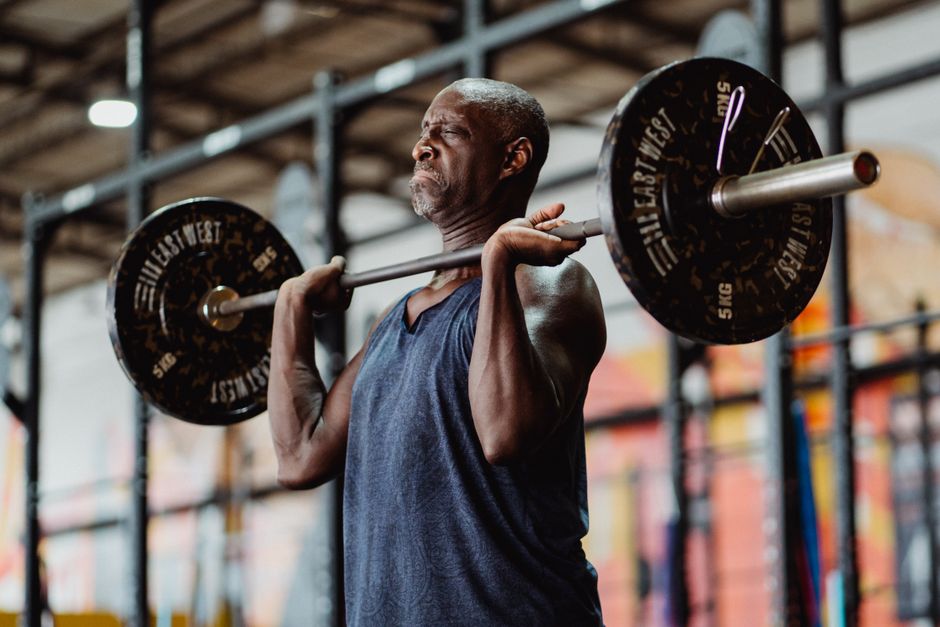
A client of mine, a 67-year-old retired teacher, came in a few months ago frustrated. She’d been eating well, walking her neighborhood every morning, doing everything she thought she was supposed to do. But her doctor kept flagging elevated inflammatory markers at her annual bloodwork, and nobody was giving her a clear explanation of why, or what to do differently. She’s not alone. And right now, the research is finally catching up to that frustration in a meaningful way.
In May 2026, researchers at the University of Virginia published a review in Frontiers in Aging that brought a term most people outside of immunology have never heard into sharp focus: inflammaging. It’s the slow, chronic, low-grade inflammation that accumulates as we age, quietly driving the conditions that most threaten older adults, including heart disease, dementia, cancer, and frailty. The review’s finding wasn’t subtle. Global physical inactivity is actively accelerating immune aging, and regular exercise is one of the most powerful tools we have to fight back. Combined with a clinical trial currently enrolling adults 65 to 80, which NPR spotlighted in January 2026, this moment feels like a genuine turning point in how the medical and fitness communities are talking about exercise in your 60s and beyond.
What Inflammaging Actually Is (and Why It’s Not Just “Getting Older”)
Most people accept that their immune system gets a little sluggish with age. That’s partly true, but the picture is more complicated. What happens isn’t just a simple slowdown. It’s a chronic activation, a kind of immune system that’s perpetually switched on at a low hum, releasing inflammatory signals even when there’s no actual threat to fight. That’s inflammaging.
The University of Virginia review found that physical inactivity is a key driver of this process, accelerating something called immunosenescence, which is the gradual deterioration of how immune cells function. Your T cells, which help the body recognize and attack threats, and your natural killer (NK) cells, the immune system’s fast-response fighters, both shift in unfavorable ways when you’re sedentary. Circulating inflammatory markers go up. The immune system becomes less precise and more reactive at the same time, a bad combination.
What most people don’t realize is that this isn’t inevitable in the way we’ve been told. It’s heavily lifestyle-dependent. Exercise directly influences the immune cell populations driving inflammaging, and the evidence for this is getting harder to ignore.
The Grip Strength Number That Should Get Your Attention
In February 2026, researchers at the University at Buffalo published what’s being described as the largest study of its kind in JAMA Network Open. They found that for every 7 kilograms of grip strength in women over 60, mortality risk dropped by 12% on average. Read that again. A 7 kg difference in how hard you can squeeze, something measurable with a simple handheld device in a doctor’s office, correlates with a 12% drop in mortality risk.
I’ve seen a lot of research over the years get overclaimed and oversimplified, so I want to be clear: grip strength here is a marker, not a magic lever. It reflects the overall state of your muscular system. A stronger grip generally means you’ve maintained more lean muscle mass, better neuromuscular coordination, and a more physically active lifestyle. But the number is striking because it gives something concrete to reach toward. Strength is trainable at any age. The goal isn’t to become an athlete. The goal is to stay functional and reduce systemic vulnerability.
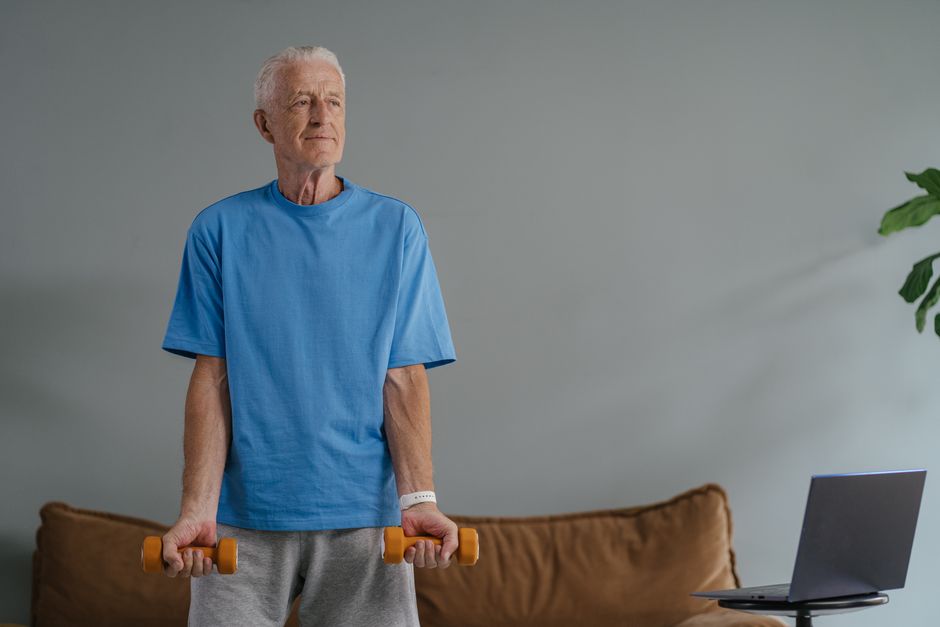
This is why resistance training, not just walking or gentle stretching, belongs in the conversation for adults over 60. It’s also exactly why the ACSM’s 2026 Worldwide Fitness Trends report, which surveyed 2,000 clinicians and researchers, ranked fitness for older adults as a top global trend. With all 73 million U.S. baby boomers set to be over 65 by 2030, the urgency is real.
What Kind of Exercise Actually Moves the Needle on Inflammation
Here’s where it gets interesting, and a little more nuanced than “just move more.” The clinical trial currently enrolling adults aged 65 to 80, spotlighted by NPR’s Houston affiliate in January 2026, is specifically testing a combination of HIIT (high-intensity interval training that blends cardio bursts with resistance work) plus anti-inflammatory supplements. The goal is to see whether this approach can meaningfully reduce the chronic inflammation linked to cancer, heart disease, and dementia.
HIIT for older adults sounds intimidating, and honestly, the name doesn’t help. But in practice, HIIT for a 70-year-old might mean alternating 30 seconds of brisk walking with 30 seconds of slower recovery walking, or combining bodyweight squats with rest periods. Intensity is relative to the individual. The key mechanism is that varied intensity seems to produce stronger anti-inflammatory responses than steady-state exercise alone, pushing immune cells to mobilize and adapt in ways that gentle movement doesn’t fully achieve.
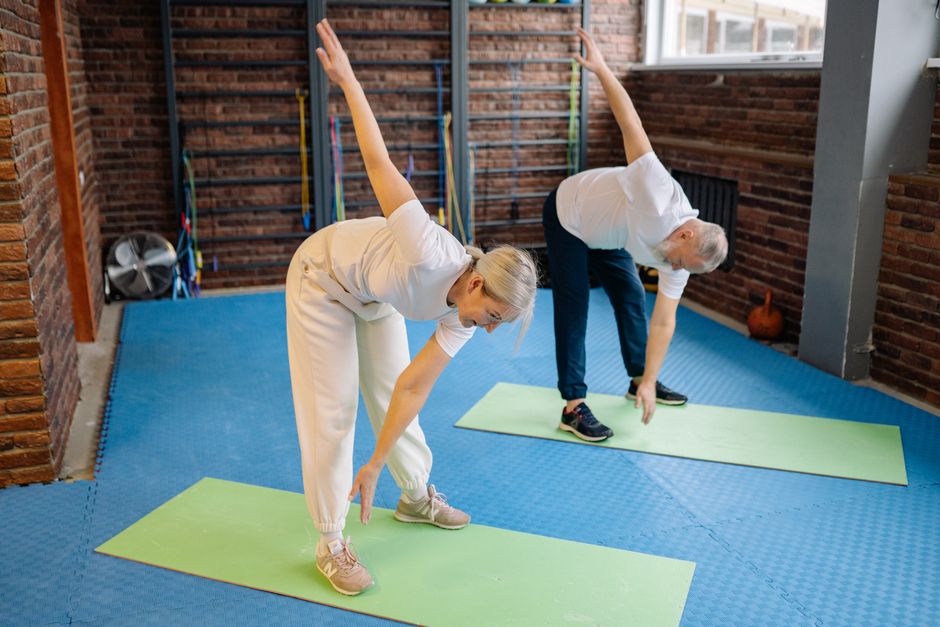
That said, any exercise is better than none. The University of Virginia review didn’t say you need to be doing intervals to benefit. It said inactivity is the problem. Resistance training two to three days a week, combined with cardiovascular activity most days, is still the evidence-backed foundation. Think of higher-intensity work as a layer you can add carefully, ideally with guidance from someone who can adapt it to your current fitness level and any existing conditions.
The Part Nobody Tells You About Consistency
Adults over 65 are now visiting gyms and fitness studios more frequently than any other age group, according to the 2023 Health & Fitness Association report, and the ACSM noted that trend is continuing into 2026. That’s genuinely encouraging. But frequency alone isn’t the full story.
I’ve worked with enough people to know that the gap isn’t usually motivation. It’s program design. Generic routines built for 35-year-olds, applied to a 68-year-old with a replaced hip and some balance concerns, often lead to injury or discouragement. The inflammation-fighting benefits of exercise depend on consistency over months and years. That only happens when the program fits the person.
A few things that actually matter more than most trainers emphasize: recovery time between strength sessions (48 to 72 hours is appropriate for most older adults), attention to balance and proprioception work alongside strength training, and progressive overload, gradually increasing challenge over time rather than staying permanently comfortable. Working with a physical therapist or certified trainer who specializes in older adults isn’t a luxury. For this population, it’s often the difference between a program that sticks and one that causes a setback.
Supplements, Skepticism, and the Honest Picture
The ongoing clinical trial is combining exercise with anti-inflammatory supplements, which is generating a lot of interest. I’d caution against jumping ahead of the results. The trial is still running. We don’t yet have outcome data showing that specific supplement combinations meaningfully amplify exercise’s anti-inflammatory effects in older adults. What the trial is doing is testing that hypothesis carefully, which is exactly what should happen before any of us start spending money or adjusting medications based on speculation.
What we do know is that diet patterns with established anti-inflammatory properties, especially Mediterranean-style eating with emphasis on olive oil, fatty fish, vegetables, legumes, and nuts, have consistent research support. Supplements may eventually prove to add benefit on top of that. Right now, the exercise component is the part with the strongest and most immediate evidence.
The conversation around inflammaging is growing fast in 2026, and some of what’s circulating is getting ahead of the science. Talk to your doctor before making significant changes, especially if you’re managing chronic conditions or taking medications that affect heart rate or blood pressure. The good news is that for most adults over 60, adding appropriately designed exercise is one of the lowest-risk, highest-return interventions available. That’s not a small thing.
Sources
- An overview of current research on exercise interventions in aging and aging-related disease (May 26, 2026)
- Can exercise and anti-inflammatories fend off aging? A study aims to find out (January 19, 2026)
- Study finds that for women over 60, muscle strength matters (February 18, 2026)
- Wearables, Fitness for Older Adults Tipped as Top Fitness Trends for 2026 (ACSM) (January 6, 2026)
Photo: Ketut Subiyanto via Pexels
This article is for general informational purposes only and does not constitute medical or fitness advice. Consult your physician or a licensed physical therapist before starting a new exercise program, especially if you have existing health conditions.