 Linda Chen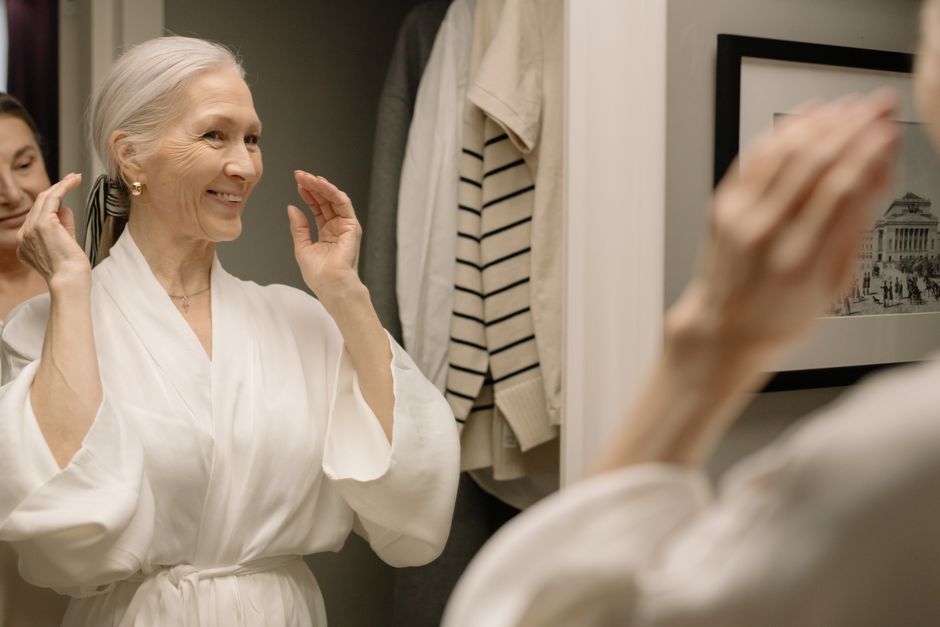
Falls are the leading cause of injury-related death in adults over 65 in the United States. Not car accidents. Not heart events. Falls. And yet most articles on the topic offer the same recycled checklist: “remove throw rugs, install grab bars, improve lighting.” Fine advice, technically. But it skips the parts that actually trip people up, sometimes literally.
Here’s what I see consistently working with older clients: the danger isn’t usually one obvious hazard. It’s the combination of a slightly dimmer hallway, a dog that likes to sleep by the bathroom door, and the fact that night vision declines significantly after 60. Fix one of those and you’ve done almost nothing. Address all three and you’ve actually changed the odds.
Let’s be specific about that.
The Room-by-Room Walkthrough That Actually Matters
| Location | Hazard | Solution | Approx. Cost |
|---|---|---|---|
| Bedroom | Poor visibility during nighttime bathroom trips | Motion-activated LED night light | Under $15 |
| Bathroom | Difficulty standing from toilet | Raised toilet seat with armrests | ~$40 |
| Bathroom | Slipping in/out of shower | Adhesive anti-slip strips on tile | $10-15 |
| Kitchen | Unsafe reaching to high shelves | Step stool with handle grip | $35-40 |
| Stairs | Unclear step edges, depth perception issues | Contrasting-color non-slip tape | $10-15 |
| Stairs | Single handrail | Add second handrail (labor) | Varies |
| Bathroom | Unsafe grab bars | Properly installed into wall studs or toggle bolts | $50-150+ (installation) |
Most fall-prevention guides treat the home as a vague, abstract space. Your home is not abstract. It has a specific layout, specific furniture placement, and specific patterns of movement. The living room where you never have a problem during the day becomes a minefield at 2 a.m. when you’re getting up for water.
Bedroom. Nighttime falls happen here more than anywhere else, and the fix is almost embarrassingly simple: a motion-activated night light plugged into the outlet nearest the path to the bathroom. Not some dim decorative thing. Something like the GE Ultrabrighter LED Night Light (under $15 at most hardware stores) that flips on the moment you swing your legs over the side of the bed. Your eyes need several seconds to adjust even in mild darkness, and those first few steps out of bed rank among the highest-risk moments of your entire day. A bedside lamp you have to reach for doesn’t cut it. Light that’s already on when your feet hit the floor does.
Also, the height of your bed matters more than you’d think. Sit on the edge. If your feet dangle, it’s too high. If you have to push yourself up from a very low position, it’s too low. You want your hips slightly above your knees when seated at the edge. Bed risers can fix this for low beds, or switch to a lower frame.
Bathroom. Every fall-prevention article mentions grab bars, and every one is right to do it. What gets left out is that grab bars installed wrong are nearly as dangerous as no grab bars at all. They need to go into wall studs or use toggle bolts rated for actual weight. Suction-cup grab bars are sold everywhere and should be used by approximately no one. A 175-pound person grabbing one during an off-balance moment is just testing physics in the worst possible way.
For the toilet: a raised toilet seat with armrests (the Drive Medical RTL12027RA is solid, currently around $40) makes getting up significantly easier if a standard toilet height is already a struggle. Install it before it becomes a struggle.
The shower floor is wet. That’s obvious. What isn’t always obvious: bath mats outside the shower cause more falls than they prevent. A mat that slides on tile is worse than nothing. You want one with a textured rubber backing that actually grips, or better yet, adhesive anti-slip strips bonded straight to the tile. Press down hard on all four corners. If any corner lifts, that mat is a hazard.
Stairs. Two things matter here more than almost anything else. First: handrails on both sides. Most homes have one. Adding a second isn’t expensive. A carpenter can do it in a few hours. Second: the top and bottom steps need a strip of contrasting-color non-slip tape. Not just texture, but actual color contrast. Depth perception changes with age, and marking the step’s edge visually gives your brain more information. Stair nosing tape costs about $10-$15 at any home improvement store. The impact is hard to overstate. There’s almost no reason not to do it.
Kitchen. Standing on chairs to reach high shelves is the most dangerous habit I see, every single time. If something lives in a cabinet you need to climb for, it needs a new home at counter height or below, or you need a proper step stool with a handle grip. The Cosco Signature Series Step Stool runs about $35-$40 and has a top handle built in. It’s not glamorous. Neither is a hip fracture.
Living room and hallways. Walk every path you take regularly, especially in low light. Furniture edges at shin height. Extension cords crossing floor space. That decorative side table you haven’t really looked at in years. These become invisible through habit. Ask someone else to walk the path with fresh eyes, or do it yourself and actively hunt for trip hazards.
The Medication Factor Nobody Talks About Enough
This isn’t a home modification, but it belongs here because it directly affects how risky your home actually is.
Certain medications significantly increase fall risk. Blood pressure medications (especially if you’re on more than one) can cause orthostatic hypotension, that brief dizziness when you stand up quickly. Sedatives. Some antihistamines. Diuretics, which create urgency and lead to rushing to the bathroom at night. Statins in some people. The interactions compound things.
If you’re on multiple medications and you’ve had even one unexplained near-fall or moment of sudden dizziness when standing, bring this up with your prescribing physician specifically. Not as a vague complaint, but directly: “I want to review my medications for anything that might affect my balance or blood pressure when I stand.” Physicians respond better to specific questions. This isn’t about stopping medications. It’s about awareness and potentially adjusting timing, dosage, or combinations.
Strength and Balance: The Part You Can’t Buy at the Hardware Store
Start doing this to Prevent Falls (Ages 60+) · Yes2Next on YouTube
Handrails and night lights help. They don’t build the physical capacity to catch yourself when you start to go.
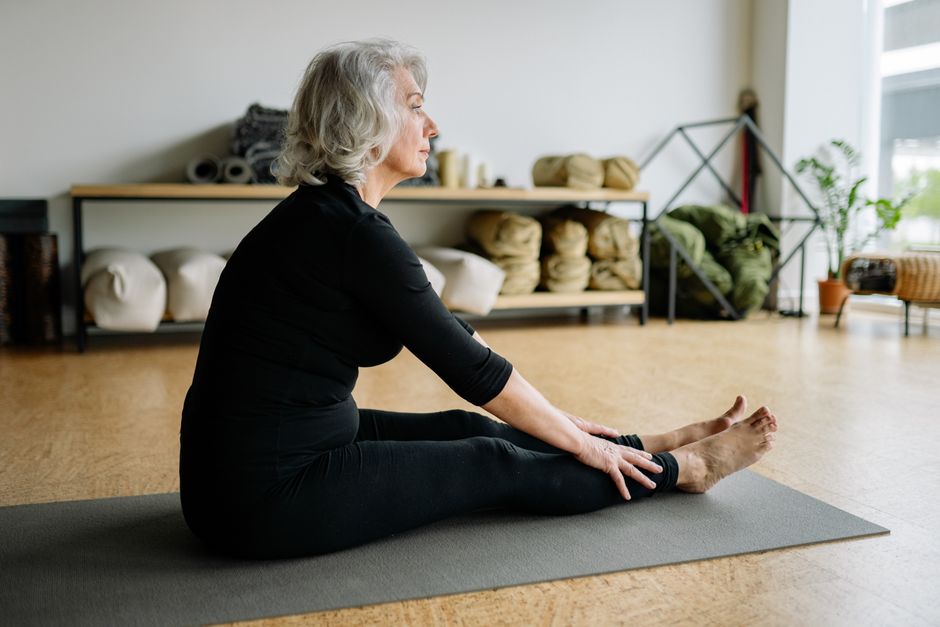
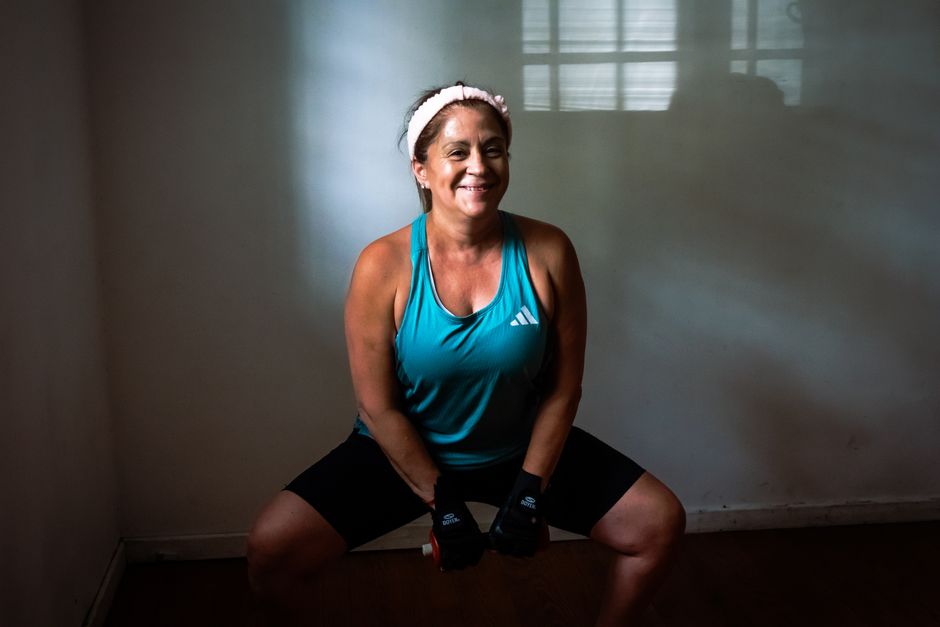
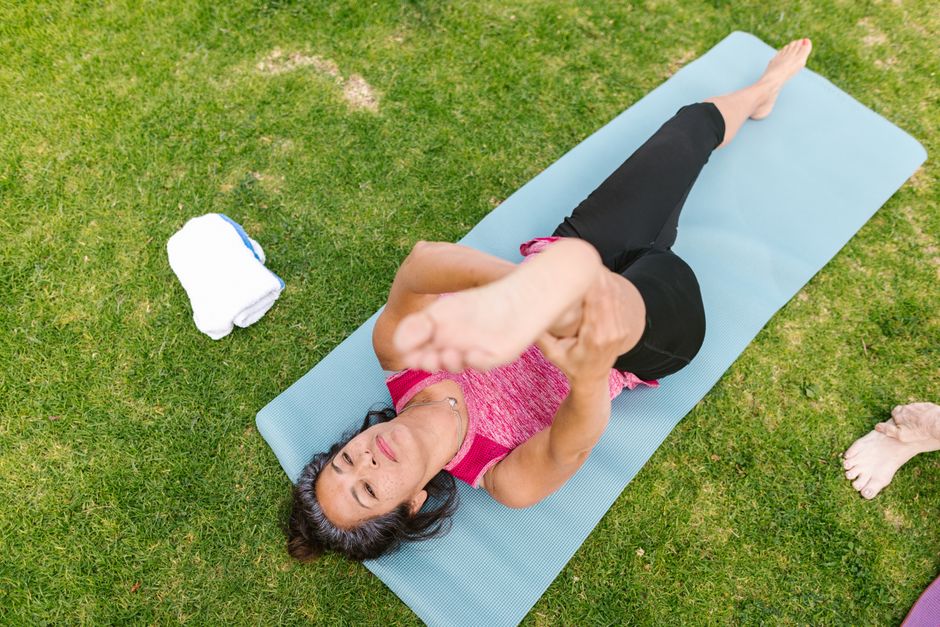
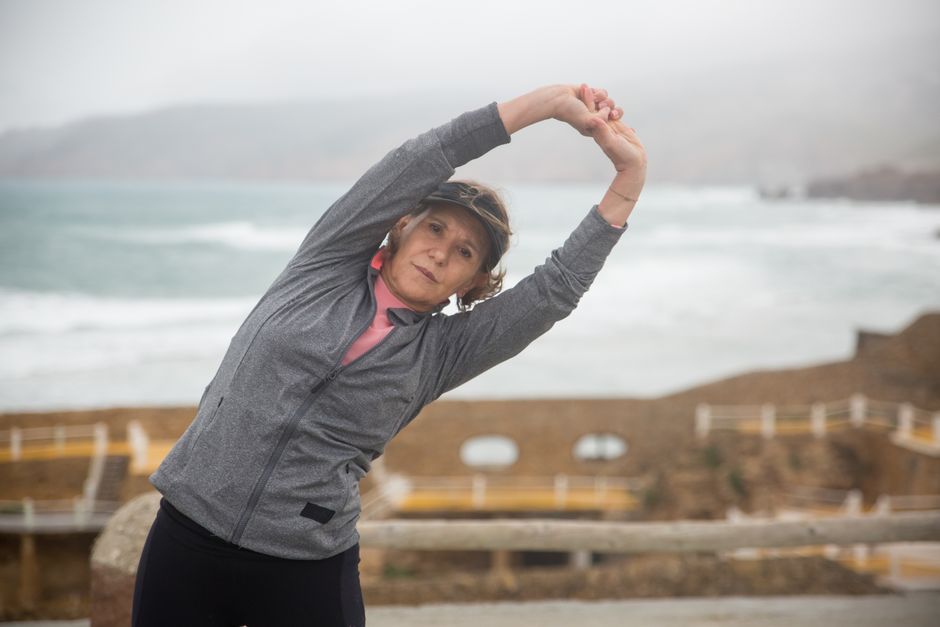
That capacity comes from lower body strength and reactive balance. Both are trainable well into your 80s, and the research on this is genuinely encouraging.
Single-leg balance practice is about the simplest thing you can do and one of the most effective. Stand near a counter, lift one foot a few inches off the floor, hold for 10 seconds, switch sides. Work up to 30 seconds. Once it gets easy, try it with eyes closed. The difference between eyes-open and eyes-closed balance is striking and tells you something important about how much you rely on sight to stay upright.
Sit-to-stand from a chair without using your hands is both an exercise and a real-world skill. If you can’t do it without pushing off the armrests, that’s your training target. It predicts fall risk better than most single measures, and improving it directly builds the strength you need to recover from a stumble.
A physical therapist can design a program based on your actual movement patterns. This is worth doing, especially if you’ve already had a fall. Medicare and most insurers cover a fall prevention PT evaluation. One session with a good therapist beats six months of generic YouTube videos.
What to Do When a Fall Does Happen
Because sometimes it does, even when you’ve done everything right.
If you fall and aren’t sure whether you’ve injured something, don’t rush to get up. Lie still for a moment. Take stock. If you feel pain in a hip, wrist, or spine, don’t try to move that area. Call for help.
A medical alert device is genuinely worth having if you live alone. The two I’ve seen clients use with the fewest complaints are the Apple Watch Series 9 (fall detection is built in, assuming you have the watch anyway) and the Bay Alarm Medical SOS Watch, which is dedicated to this purpose and runs about $30-$40 a month including monitoring. The latter has better battery life and a simpler interface if you’re not a tech person.
If you fall and aren’t injured, getting up correctly matters. Roll to your side, push yourself to hands and knees, crawl to a sturdy piece of furniture, and use it to bring yourself up slowly. Don’t try to sit straight up from lying on your back. That’s harder on your spine and increases the chance of falling again getting up too fast.
Keep a charged phone accessible in every room where you spend significant time. Bedroom. Living room. Not just the kitchen. Cheap charging stations in two or three spots solve this completely.
The home you’ve lived in for decades starts to feel like it doesn’t need a second look. That familiarity is the real hazard. The grab bar you’ve been meaning to install, the lamp cord crossing the hallway, the night light that burned out two months ago. These are the actual risks. They’re also completely fixable, most of them in an afternoon, most of them cheaply. That’s the part that doesn’t make it into the articles.
Photo: cottonbro studio via Pexels
This article is for general informational purposes only and does not constitute medical or fitness advice. Consult your physician or a licensed physical therapist before starting a new exercise program, especially if you have existing health conditions.
Sources
- cottonbro studio
- Kidde 10-Year Battery Smoke & CO Detector
- Kidde 10-Year Smoke & CO Detector (4-Pack)
- Nutramax Cosequin Senior Dog Soft Chews (60ct)
- Nutramax Cosequin DS Joint Supplement for Dogs (132ct)
Disclosure: As an Amazon Associate, we earn a small commission from qualifying purchases at no extra cost to you. We only recommend products that genuinely support the topics covered in this article.
- Kidde 10-Year Battery Smoke & CO Detector (~$32), Dual smoke and carbon monoxide detector with 10-year sealed battery, no battery replacement needed for a decade.
- Kidde 10-Year Smoke & CO Detector (4-Pack) (~$89), Whole-home 4-pack of 10-year battery-powered detectors, covers a standard 3-bedroom home.
- Nutramax Cosequin Senior Dog Soft Chews (60ct) (~$32), Senior-specific Cosequin formula with added Omega-3s, designed for aging dogs with joint and immune health needs.
- Nutramax Cosequin DS Joint Supplement for Dogs (132ct) (~$36), The #1 veterinarian-recommended joint supplement brand, clinically studied for reducing joint pain in dogs.