 Helen Santos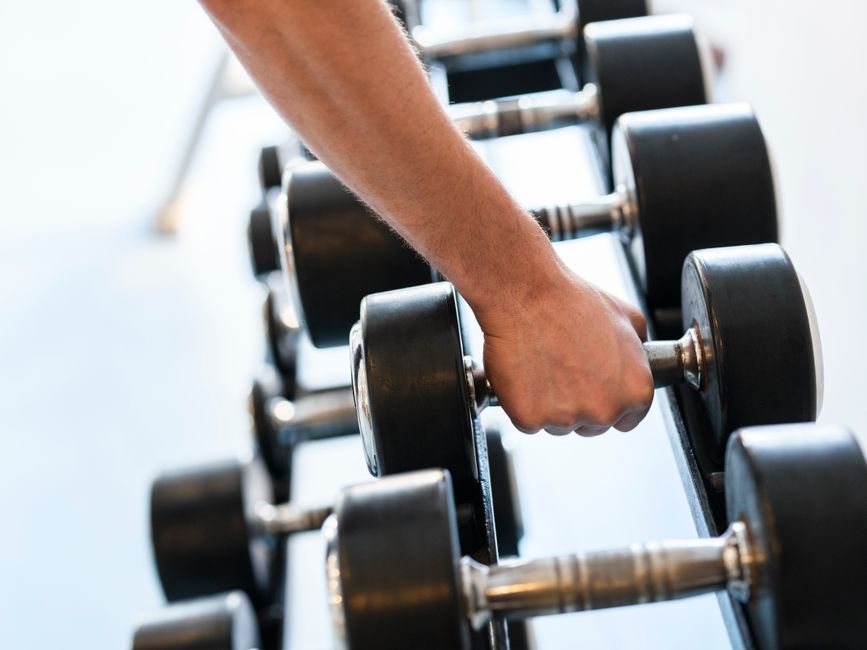
A woman I work with, call her Janet, came in last spring holding her phone out to me before she’d even sat down. “Did you see this?” The CNN piece from March 2026 was open on her screen, the one that went everywhere about grip strength predicting how long you live. She wasn’t scared, exactly. She was annoyed. “I’ve been doing water aerobics for three years. Nobody ever told me to squeeze anything.”
Janet’s reaction is exactly right. Because something meaningful happened in early 2026: a University at Buffalo research team published findings in JAMA Network Open that looked at more than 5,000 women between ages 63 and 99 over eight years, and what they found reframed how clinicians think about fitness testing for older adults. Every additional 7 kilograms of grip strength was linked to a 12% lower risk of death over that period. Faster times on the five-repetition chair-stand test, meaning five unassisted sit-to-stands, were associated with a 4% lower mortality rate for every 6-second improvement. And here’s the part that matters most: those benefits held even for women who didn’t meet standard cardio exercise guidelines. Your grip and your ability to stand up may be telling your doctor something your treadmill test isn’t.
The findings spread fast. CNN ran a full explainer on March 23, 2026, and clinicians quoted in that piece called grip strength a “signal of underlying health,” something measurable with a basic hand dynamometer at home or in a clinical setting. The phrase “vital sign” started appearing in medical circles. Meanwhile, the American College of Sports Medicine ranked fitness programming for adults 65 and older as a top trend for 2026, and reported that adults over 65 now visit gyms more frequently than any other age group. If you’ve felt like the fitness industry suddenly started paying attention to you, that’s not in your head.
- Every 7 kg of extra grip strength was linked to a 12% lower mortality risk over 8 years (UB/JAMA 2026).
- Faster chair-stands (5 reps) cut mortality risk 4% per 6-second improvement, even without cardio compliance.
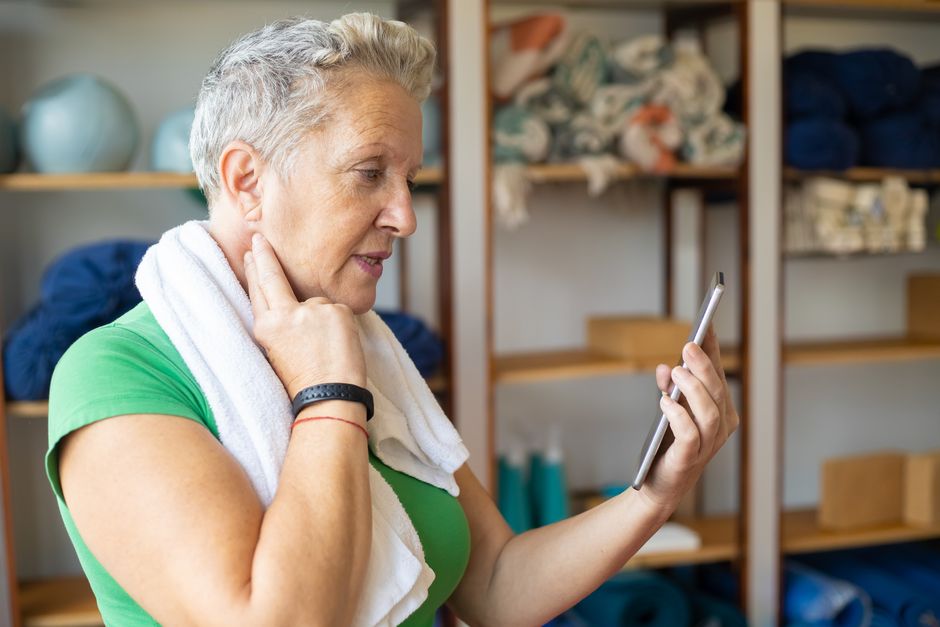
- Grip strength is now used clinically as a vital sign, measurable with a home hand dynamometer.
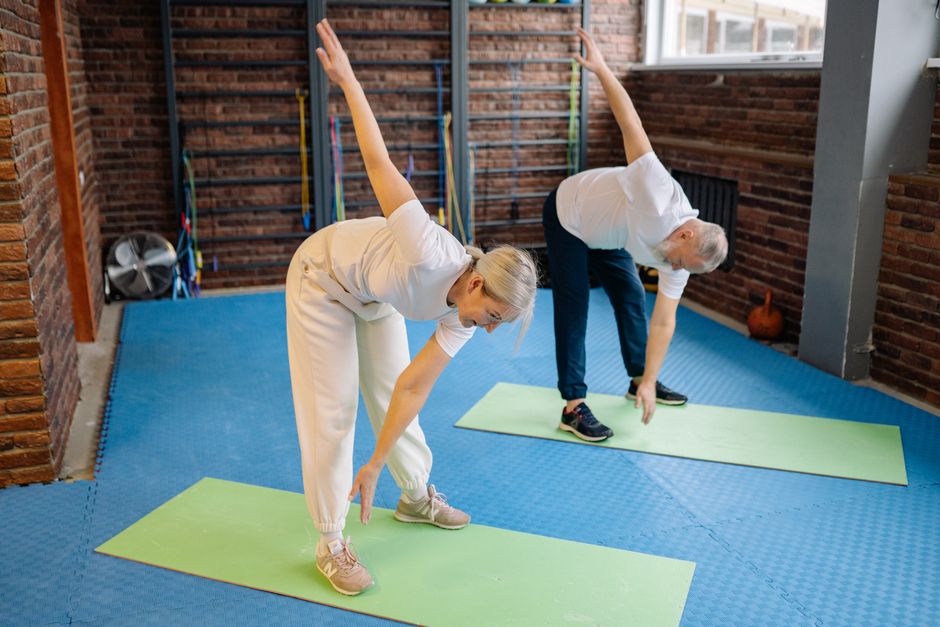
- Adults 65+ are now the most frequent gym-goers of any age group, per ACSM's 2026 trends report.
- Functional strength, not general cardio alone, is the training target the research actually supports.
What “Grip Strength as a Vital Sign” Actually Means
Doctors have long used blood pressure, heart rate, and temperature as quick windows into overall health. Grip strength is now joining that list in some clinical settings, and the reason is biological, not symbolic. Muscle tissue is metabolically active in ways that protect against inflammation, insulin resistance, and falls, and grip strength turns out to be a reliable proxy for total body muscle quality. It declines with aging and illness before many other markers show up. That’s why a simple squeeze tells a clinician something real.
The University at Buffalo researchers were clear that correlation is not causation. Stronger grip doesn’t mean you’ll definitely live longer. It means that right now, your muscle tissue is healthy enough to produce force, and that same tissue is probably protecting you in ways that don’t show up on a scale. This is worth saying plainly because some coverage of this study implied the fix was simply “squeeze a stress ball more.” That’s not what the research supports.
A hand dynamometer, the device used in clinical settings, costs between $25 and $60 for a consumer-grade model. That’s cheap for something your doctor may start asking about.
The Chair-Stand Test Is Even More Telling Than It Looks
If you’ve never timed yourself on five sit-to-stands from a standard chair, do it once. No push-off from the arms, back straight, full stand each rep. The time it takes you is a snapshot of your lower body power, hip mobility, balance, and neuromuscular coordination all at once. The UB study found meaningful mortality benefits starting at the 6-second improvement threshold. Most adults over 65 take between 11 and 17 seconds for five reps. Under 11 seconds is generally considered a strong result.
I’ve seen people assume this test is about cardio. It isn’t. It’s about fast-twitch muscle fiber, which starts dropping off in your 50s faster than slow-twitch, and which is exactly what saves you from a fall when you trip on a curb. The chair-stand recruits the glutes, quads, and hip flexors under load, and doing it repeatedly is itself a training stimulus. Three sets of 8 to 10 reps, done three days a week, is a reasonable starting point for most people. But check with your doctor or a physical therapist before starting if you have hip or knee concerns.
What the Fitness Industry Is Finally Getting Right (and What to Watch For)
The ACSM’s 2026 trends data pointed to something interesting beyond the numbers. A 2024 industry report cited by ACSM found that programs labeled “functional” or “active aging” attract significantly more older-adult participants than those labeled “senior fitness.” That’s a rebranding shift, but it reflects something real. “Senior fitness” implies maintenance. “Functional training” implies capability. The distinction matters to how people show up and how hard they work.
Longevity-focused gyms and trainers specializing in older adults are currently the fastest-growing segment of the fitness industry, according to researchers at Humanaut Health tracking 2026 wellness trends, with strength training under physician guidance identified as a defining focus. This is good news, with one caution: not every trainer who markets to older adults has actual expertise in this population. Ask specifically about their experience with adults over 60, ask whether they coordinate with healthcare providers, and watch out for anyone who dismisses balance and joint health in favor of purely loading more weight.
How to Actually Train for Grip and Lower-Body Strength
Here’s a comparison of the most accessible options most people will realistically have in July 2026:
| Training Option | Estimated Cost | Best For | Grip/Chair-Stand Specific |
|---|---|---|---|
| Home resistance bands + dynamometer | $40–$80 one-time | Self-directed, motivated individuals | Yes, with right exercises |
| YMCA or community gym membership | $30–$60/month | Social support, supervised access | Partially, varies by program |
| Personal trainer (older-adult specialist) | $60–$120/session | Fastest, safest progress | Yes, fully individualized |
| Physical therapy (with referral) | Varies / often covered | Post-injury or high fall risk | Yes, medically supervised |
The grip-specific work that actually builds strength includes dead hangs (even partial, from a low bar), towel pull-ups, farmer’s carries with dumbbells or kettlebells, and plate pinches. For chair-stand performance, goblet squats, step-ups, and hip hinge movements like Romanian deadlifts are the functional moves that translate directly. None of this requires a fancy gym.
One more thing. Protein intake matters more than most people over 60 realize, because muscle protein synthesis becomes less efficient with age. Most current guidance clusters around 1.2 to 1.6 grams of protein per kilogram of body weight per day for older adults engaged in resistance training. That’s meaningfully higher than the general adult recommendation, and many older adults fall short without realizing it. Talk to your doctor about where you are.
The research coming out of Buffalo isn’t telling you that you need to become an athlete. It’s telling you that your muscles are communicating something measurable, and that you have more influence over that signal than most people assume. Janet is now doing farmer’s carries twice a week and timing her chair-stands. She reports they’re “infuriating in a good way.” That sounds about right.
Sources
- University at Buffalo: For women over 60, muscle strength matters (February 2026)
- ScienceDaily: This simple strength test could predict how long you live (May 2026)
- CNN: Two simple strength tests predict longevity in older women (March 23, 2026)
- ACSM: The Future of Fitness: ACSM Announces Top Trends for 2026 (Late 2025 / updated July 2026)
- The Conversation: Can ‘grip strength’ exercises actually help you live longer? (June 3, 2026)
- Haznos.org: 10 Longevity Trends in 2026 (Biomarkers, Strength, and Preventive Care Shifts) (June 2026)
Photo: Engin Akyurt via Pexels
This article is for general informational purposes only and does not constitute medical or fitness advice. Consult your physician or a licensed physical therapist before starting a new exercise program, especially if you have existing health conditions.