 James Cooper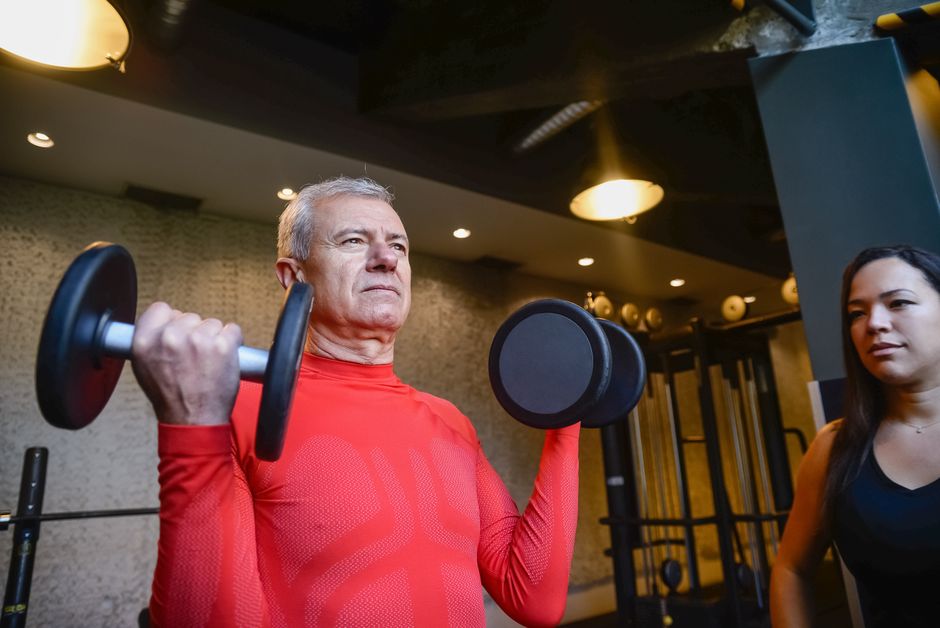
The headline grabbing attention right now isn’t about how much weight GLP-1 users are losing. It’s about what they’re losing along with it, and what they’re stopping doing in the process. A study presented at ENDO 2026, the Endocrine Society’s annual meeting in Chicago this past June, found that adults taking GLP-1 medications like Ozempic, Wegovy, Mounjaro, and Zepbound were taking fewer steps and spending significantly less time exercising after starting treatment. For a 35-year-old, that’s a problem worth addressing. For an adult over 60, it’s a potential health crisis unfolding in slow motion.
What the ENDO 2026 Finding Actually Means
Most coverage of GLP-1 drugs focuses on the dramatic weight loss numbers. Fewer stories dig into the composition of that weight loss, which matters enormously. GLP-1 receptor agonists reduce fat, yes. They also reduce lean muscle mass. Clinical observations from 2025 and 2026 show an average lean mass decline of 10 to 15 percent in patients who lose more than 15 percent of their body weight on high-dose GLP-1 therapy.
Now layer the ENDO 2026 activity finding on top of that. Patients are already losing muscle chemically. They’re also moving less, which accelerates muscle loss further. The two effects don’t just add together. They compound.
For older adults, this timing is particularly brutal. Sarcopenia, the age-related loss of skeletal muscle, already progresses at roughly 1 to 2 percent per year after age 60 under normal conditions. Stack a GLP-1-driven reduction in activity onto that baseline decline and the trajectory changes fast. According to the Endocrine Society’s reporting on the ENDO 2026 research, adults over 65 and those with existing sarcopenia are identified as the highest-risk group for muscle loss on these medications.
The Functional Cost No One Is Talking About
Muscle loss isn’t abstract. It shows up in the things that determine whether someone lives independently or doesn’t.
Functional strength measures like grip strength and the timed chair rise test, a standard clinical measure of lower-body strength and balance, can worsen by 5 to 10 percent in GLP-1 users who aren’t doing resistance training. That’s not a rounding error. A meaningful drop in chair-rise performance correlates directly with elevated fall risk, reduced walking speed, and loss of independence in daily tasks.
I’ve worked with clients in their late 60s who were thrilled about their GLP-1 weight loss at the six-month mark, only to notice at month eight that getting up from the floor had become genuinely difficult. The scale was moving the right direction. The body was moving less well. The two things were connected, and nobody had warned them.
This is the gap in current prescribing practice that the ENDO 2026 findings are now forcing into the open.
Risk Stratification: Who Needs to Act Immediately
Not every GLP-1 user over 60 faces the same level of risk. But the factors that push someone into the urgent category aren’t rare.
| Risk Factor | Why It Matters on GLP-1s |
|---|---|
| Age 65 or older | Baseline sarcopenia rate is already elevated; muscle recovery capacity is reduced |
| Existing low muscle mass | Less reserve to lose before functional decline becomes clinically significant |
| High-dose therapy (e.g., semaglutide 2.4mg or tirzepatide 15mg) | Greater total weight loss correlates with greater lean mass loss |
| Sedentary before starting medication | No established exercise habit to maintain; activity drop is steeper |
| Low protein intake | Muscle protein synthesis already compromised; drug-induced appetite suppression worsens it |
| History of falls or balance issues | Any additional functional strength loss carries disproportionate risk |
If two or more of those apply to you or someone you’re caring for, this isn’t a “something to keep in mind” situation. It’s a reason to talk to your prescribing physician and, ideally, a physical therapist or certified trainer experienced with older adults before the next month passes.
What the Research Says About Countermeasures
The good news is that resistance training works. The less comfortable news is that it has to be deliberate, consistent, and started early in GLP-1 treatment, not after the muscle loss has already occurred.
A clinical trial currently led by Rice University and The Methodist Hospital Research Institute is testing exactly this. The 12-week program, with estimated completion in August 2026, is evaluating whether a structured exercise and nutrition intervention can meaningfully reduce muscle and bone loss in adults on GLP-1 medications. We don’t have the final results yet, but the study design itself signals what the research community already suspects: the drug alone isn’t a complete intervention, and exercise is the missing piece.
The Affinity Whole Health 2026 update on GLP-1 and muscle loss reinforces this, noting that resistance training combined with adequate protein intake, typically a target of 1.2 to 1.6 grams per kilogram of body weight daily, is the most evidence-supported strategy for preserving lean mass during GLP-1-driven weight loss. For a 170-pound person, that’s roughly 93 to 123 grams of protein per day. On a drug that suppresses appetite significantly, hitting that number takes real planning.
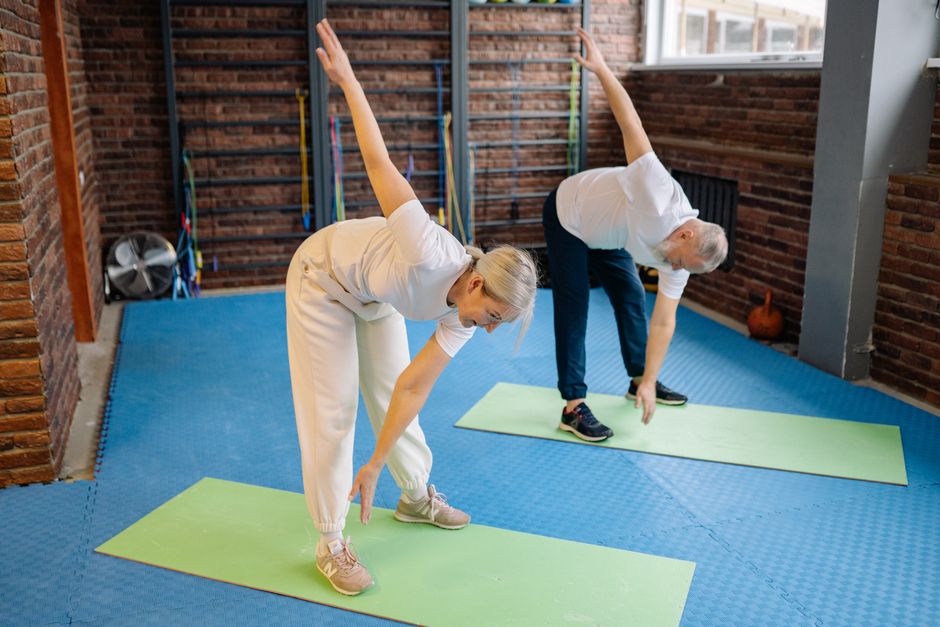
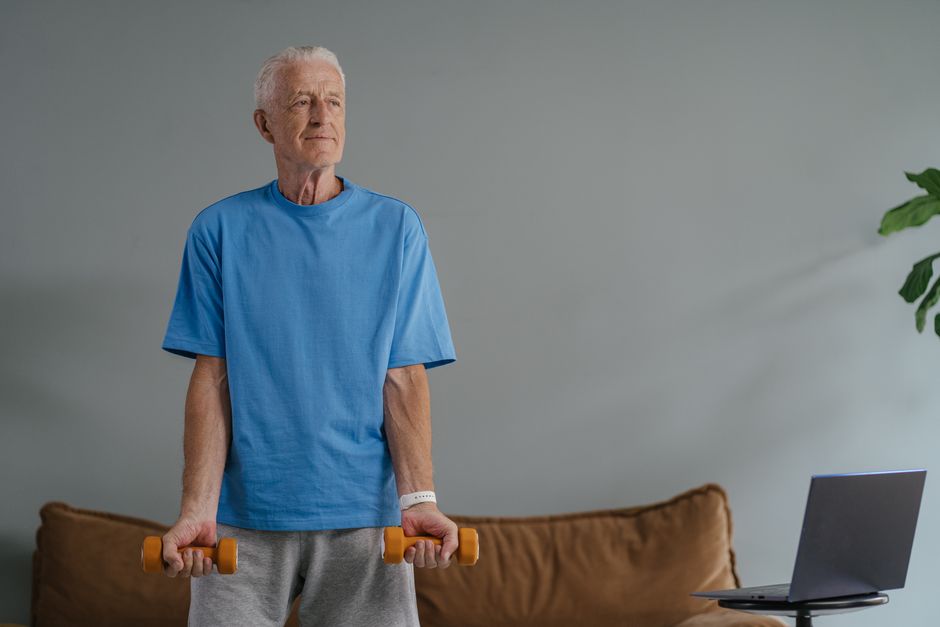
The exercise piece doesn’t require a gym membership or heavy barbells. Seated resistance band work, bodyweight squats, wall push-ups, and step-ups are legitimate starting points for deconditioned older adults. What matters is progressive overload, meaning gradually increasing the challenge over time, and frequency. Two to three resistance sessions per week is the clinical minimum. Three is better.
The Prescribing Conversation That Needs to Happen
Here’s where the system is currently failing patients. GLP-1 drugs are prescribed by endocrinologists, primary care physicians, and increasingly, telehealth platforms. Exercise counseling and resistance training guidance rarely travel with the prescription. A script goes out; a detailed physical activity plan usually doesn’t follow.
The ENDO 2026 findings should be changing that. Physicians prescribing these medications to adults over 60 need to be asking about baseline activity levels, referring to physical therapy when functional limitations exist, and explicitly flagging the muscle loss risk in a way patients can act on.
If your doctor hasn’t raised this with you, raise it yourself. Ask directly: “Given my age and this medication, what should I be doing to protect my muscle mass?” If the answer is vague, push for a referral to a physical therapist or ask about an exercise prescription. That’s a reasonable, evidence-based request, and any good prescriber should welcome it.
The weight loss these drugs produce is real and, for many people, genuinely life-improving. But weight loss that trades fat for muscle, while simultaneously making someone less likely to move, isn’t an unambiguous win. For older adults especially, the how of losing weight matters as much as the how much. The research is now making that impossible to ignore.
Sources
- People taking GLP-1 weight loss drugs like Ozempic started moving less (June 2026)
- Exercise decreases among people taking GLP-1 medication (June 2026)
- Muscle Loss and GLP-1 Weight-Loss Drugs: 2026 Update (May 2026)
- Critical 2026 Update: New GLP-1 Rules to Stop Muscle Loss Now (June 2026)
- Combatting Muscle Loss in Obese Adults on GLP-1 Medications (April 2026)
Photo: Kampus Production via Pexels
This article is for general informational purposes only and does not constitute medical or fitness advice. Consult your physician or a licensed physical therapist before starting a new exercise program, especially if you have existing health conditions.