 Linda Chen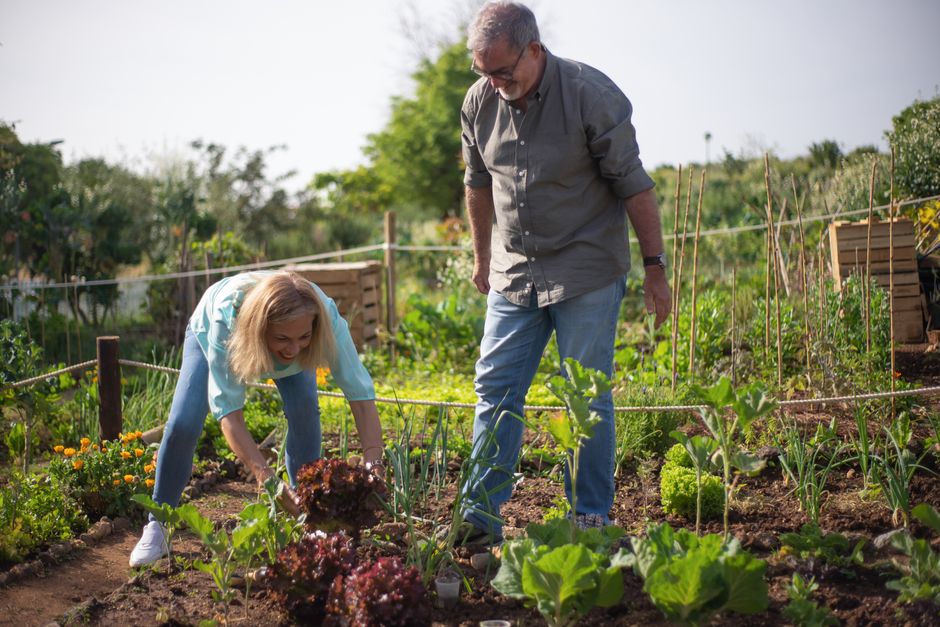
Plenty of seniors skip the gym because it feels cold and boring. Repetitive machines? Intimidating crowds? There’s a better option hiding in your backyard: gardening actually works as real exercise, and chances are you’ll enjoy it.
Why Gardening Counts as Real Exercise
The Centers for Disease Control and Prevention (CDC) officially recognizes gardening as moderate-intensity physical activity. Digging, raking, and planting burn between 200 and 400 calories per hour depending on the task and your body weight.
What makes it different from a treadmill: gardening moves your body in dozens of ways. You bend, stretch, lift, carry, and walk all in one session. That variety is exactly what functional fitness looks like.
The Physical Health Benefits of Gardening for Seniors
Your body gets a complete workout without ever feeling like work. Here’s what actually happens:
- Strength building: Digging, hoeing, and hauling soil bags strengthen your arms, shoulders, and core.
- Improved flexibility: Reaching, bending, and kneeling gently stretch muscles and keep joints mobile.
- Better balance: Uneven ground and shifting your weight while working improve stability and reduce fall risk.
- Heart health: Sustained gardening raises your heart rate into a healthy aerobic zone.
- Bone density: Walking through the garden and carrying tools maintains bone strength.
A study in the Journal of Aging and Health showed older adults who gardened regularly had higher bone density and lower body mass indexes than those who didn’t. That’s not small stuff from something you’d probably do anyway.
The Mental and Emotional Benefits You Should Not Overlook
The physical gains matter, but the mental ones might matter more. Time outside nurturing living things does something your brain genuinely needs.
Research shows nature exposure lowers cortisol, the stress hormone. Thirty minutes of gentle gardening leaves you calmer than when you started.
- Reduced depression and anxiety: Soil contains Mycobacterium vaccae, bacteria that triggers serotonin release when you handle it.
- Sharper cognitive function: Planning layouts, learning plant names, tracking seasons all exercise your brain.
- Sense of purpose: Watching something you planted grow creates real accomplishment.
- Social connection: Community gardens connect you with people and fight loneliness.
Most seniors who garden say it’s the place where they feel most like themselves. That emotional anchor matters enormously as you age.
How to Garden Safely and Avoid Common Injuries
The biggest mistake? Overdoing it after time off. Start with 20 to 30 minutes and build slowly over weeks.
- Warm up first: Walk and stretch your arms and legs before touching a tool.
- Use ergonomic tools: Extended handles with padding reduce gripping and deep bending.
- Protect your knees: A padded kneeling pad or garden kneeler with handles gets you up safely.
- Wear gloves: Shield your hands from cuts and soil bacteria.
- Stay sun-safe: Wide-brimmed hat, sunscreen, water before you’re thirsty.
- Alternate tasks: Switch activities so you’re not hammering the same muscles.
- Listen to your body: Sharp pain means stop. Mild fatigue is fine; joint pain isn’t.
Pro Tip: Raised beds at waist or hip height change everything if bending is tough. You can garden standing or sitting in a chair, making it possible even with arthritis or back pain. Most hardware stores sell affordable kits.
Practical Tips to Get the Most Exercise From Your Garden
Target three to five sessions per week, 30 to 60 minutes each. That matches World Health Organization guidelines for older adults.
- Choose labor-intensive plants: Vegetables and annual flowers demand regular planting, weeding, watering, harvesting.
- Hand-water with a can: Skip the hose. Carrying a watering can adds strength and cardiovascular work.
- Weed by hand: Crouching, stretching, fine motor control all build fitness.
- Compost and mulch: These are your most physically demanding tasks for upper body strength.
- Walk deliberately: On larger plots, circle the perimeter at start and end for extra steps.
Keep a simple journal of sessions. Note duration, tasks, how you felt. You’ll see progress on both fronts: what grows in the ground and what grows in you.
Getting Started If You Are New to Gardening
If you’ve never grown anything, start stupidly small. A few pots on a sunny balcony count.
Cherry tomatoes, basil, mint, marigolds. These deliver quick wins and build confidence fast.
Local extension programs, senior centers, and community gardens offer free beginner classes. You’ll also meet people actually interested in the same thing.
Conclusion: Your Garden Is Your Gym
Gardening might be the most joyful form of exercise available to you. It builds strength, improves flexibility, supports heart and bone health, and feeds your mental well-being at once.
You don’t need acres or fancy equipment. Just willingness to start.
Begin small, stay consistent, protect your body, and soak in the fresh air. Your future self, stronger and happier, will recognize every hour spent here as time well spent.
Sources
- Nutramax Cosequin Senior Dog Soft Chews (60ct)
- Nutramax Cosequin DS Joint Supplement for Dogs (132ct)
- in the Journal of Aging and Health showed older adults who gardened regularly
- shows nature exposure lowers cortisol
Disclosure: As an Amazon Associate, we earn a small commission from qualifying purchases at no extra cost to you. We only recommend products that genuinely support the topics covered in this article.
- Nutramax Cosequin Senior Dog Soft Chews (60ct) (~$32), Senior-specific Cosequin formula with added Omega-3s, designed for aging dogs with joint and immune health needs.
- Nutramax Cosequin DS Joint Supplement for Dogs (132ct) (~$36), The #1 veterinarian-recommended joint supplement brand, clinically studied for reducing joint pain in dogs.