 Helen Santos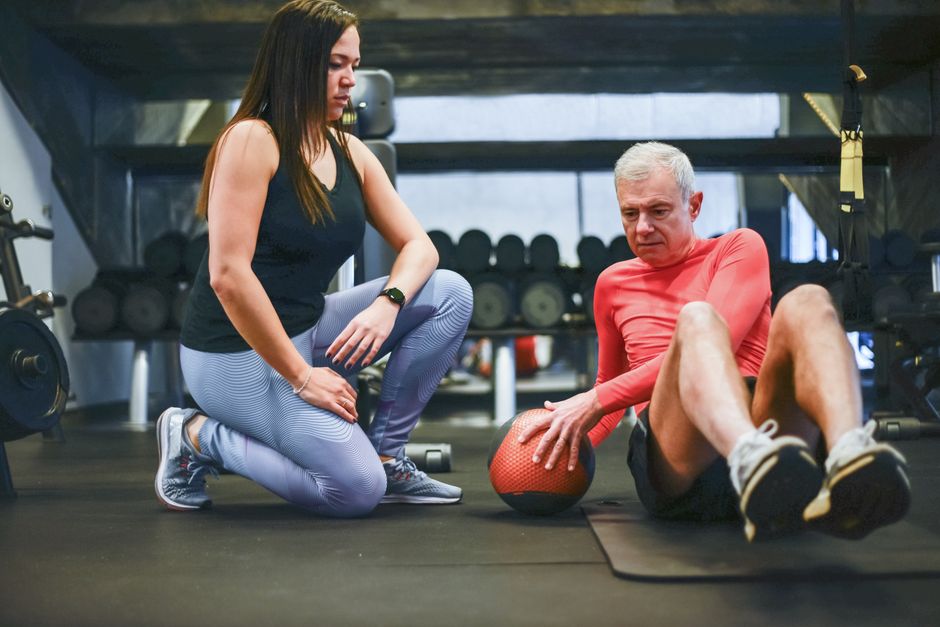
Every year, millions of older adults fall, and it’s not always on a slippery sidewalk or icy step. Most happen inside the home. Maybe you’ve noticed yourself gripping the armrest a little tighter getting up from the couch, or your balance just isn’t as sharp as it used to be. That’s incredibly common. The real news is that fall prevention exercises for elderly adults actually work. A simple routine you can do in your living room, no fancy equipment, no gym membership, can make you feel steadier and more confident in just a few weeks.
Why Falls Happen, and Why Exercise Helps
Muscles weaken with age. Your balance system gets less responsive. None of this means falling is some kind of inevitable destiny, but it does mean your body needs intentional training.
Movement rewires how your brain and body communicate. Research shows older adults who do balance and strength work reduce their fall risk by 23%. That’s not just a modest improvement. That’s a concrete number from something you can do between commercial breaks.
Before You Begin: Safety First
Photo by Anderson Schmig on Unsplash
Talk to your doctor first. Especially if you’ve fallen before or have any existing health issues. They’ll tell you which exercises fit your specific situation.
At home, keep it simple:
- Keep a sturdy chair within arm’s reach
- Wear shoes with real grip. Not socks on hardwood
- Clear the space. No rugs, no cords, no clutter
- Don’t exercise when you’re dizzy, exhausted, or sick
- Have someone nearby when you’re starting out, at least for the first few sessions
Pro Tip: Position a chair in front of you during standing work. Even just touching your fingertips to the back gives your brain the balance signal it needs without making the exercise pointless. You’re still doing real work.
The 5 Best Fall Prevention Exercises to Do at Home
7 Stretches to Ease Stiffness and Boost Your Balance | Day 14 Better Balance Program · Yes2Next on YouTube
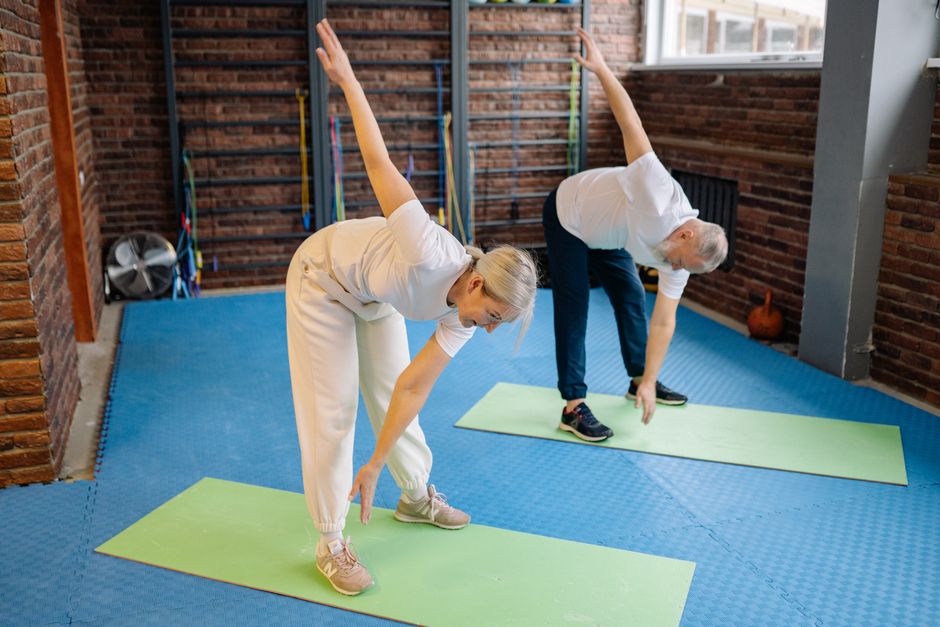
Photo by Age Cymru on Unsplash
These are designed for older bodies. No equipment needed. Just a chair and some space.
1. Single-Leg Stand
Your ankles, knees, and hips all have stabilizing muscles that atrophy if you don’t use them. This exercise wakes them up. It’s what keeps you from falling when you step on uneven ground.
How to do it: Stand behind a chair and hold the back lightly. Lift one foot off the ground, hold for 10 seconds. Lower it. Switch legs. Do 5 reps per leg.
2. Heel-to-Toe Walk
Walk like you’re on a tightrope. This mimics real-world balance challenges better than a lot of other exercises.
How to do it: Stand near a wall. Put your right heel directly in front of your left toes. Take 10 slow steps forward. Turn and walk back. Do 2 to 3 passes.
3. Sit-to-Stand
More falls happen getting out of a chair than almost anywhere else. Your thighs, glutes, and core are the muscles that make this movement possible and safe. They need strength.
How to do it: Sit in a firm chair, feet flat on the floor about shoulder-width apart. Lean forward slightly and push through your heels to stand. Pause. Sit back down slowly. 10 reps, moving deliberately.
4. Calf Raises
Strong calves let you react fast if you feel yourself slipping. Ankle strength matters more than most people think.
How to do it: Stand behind your chair, holding the back lightly. Rise up on the balls of your feet, hold 2 seconds, lower down. 15 reps. Work up to 3 sets over time.
5. Side Leg Raises
The muscles on the outside of your hips stop you from tipping sideways. Most people don’t train them intentionally, which is a gap.
How to do it: Stand beside your chair, holding on. Keep your back straight, toes forward. Lift one leg out to the side about 12 inches. Hold 2 seconds, lower. 10 reps each side.
How Often Should You Do These Exercises?
Photo by Mitchell Luo on Unsplash
Three times a week is the minimum that actually produces results. Many people stick with it better when they tie it to something they already do. After breakfast. During their favorite show. Whatever works for your schedule.
Here’s a sample week:
- Monday, Wednesday, Friday: All five exercises (about 20-25 minutes)
- Tuesday, Thursday: A short walk, nothing intense
- Saturday: A gentle yoga video made for seniors
- Sunday: Rest. Your muscles rebuild on rest days
After a few weeks you can add reps or hold poses longer. Small progress is still progress.
Other Habits That Support Fall Prevention
Exercise is the core, but a couple other things matter too.
- Stay hydrated: Dehydration causes dizziness, which causes falls
- Ask about your medications: Some drugs affect balance. Your pharmacist can tell you which ones
- Get your eyes checked: Bad vision is one of the biggest fall risk factors. Update your glasses if you need to
- Light your home well: Hallways and stairs need good lighting, especially at night
- Use a cane or walker if it helps: These aren’t admissions of defeat. They’re tools that give you more freedom
Add these to a consistent exercise routine and you’ve built a real safety system. Falls don’t have to be part of aging.
Question: Do I need to do all five exercises every single time?
No. You can rotate them or focus on the ones that feel most helpful for your situation. The point is consistency with whatever routine actually fits your life. Three days a week beats zero days a week.
Question: What should I do if I feel dizzy during an exercise?
Stop immediately and sit down. Dizziness is your body’s signal that something’s off. If it keeps happening, mention it to your doctor. You might need to modify the movement or check on medication side effects.
Question: How long before I notice a difference?
Most people feel more stable and confident within 3 to 4 weeks of doing this routine consistently. Some changes happen even faster. Your balance system responds pretty quickly to training.
Question: Is it safe to do these exercises alone?
Once you’ve done them a few times with someone nearby, yes. But if you’ve had multiple falls or feel very unsteady, having someone around is smarter. It’s not being overly cautious.
Question: What if I can’t do a full 20 minutes?
Sources
- Anderson Schmig
- Unsplash
- Age Cymru
- Mitchell Luo
- shows older adults who do balance and strength work reduce their fall risk by 23
Do what you can. Ten minutes is infinitely better than nothing. Build up gradually. Your body will adapt.
Photo: Age Cymru on Unsplash