 Dr. Patricia Williams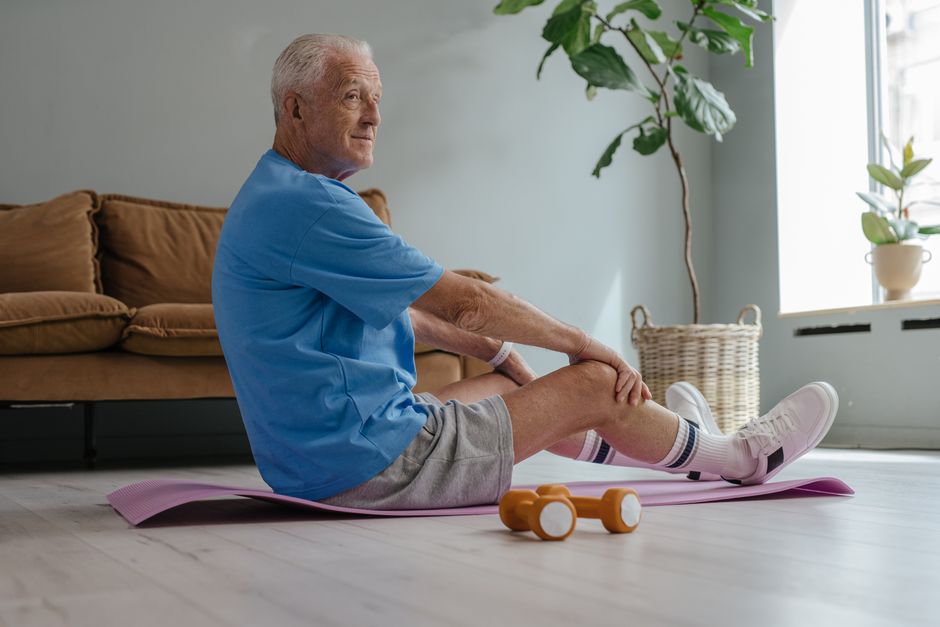
Most people assume blood pressure medication is the main lever they can pull. And yes, sometimes it is. But here’s what I’ve watched happen with my own clients, over and over: the right exercise program, done consistently, drops systolic blood pressure by 8 to 10 points. That’s not a rounding error. That’s close to what a first-line antihypertensive drug delivers, according to a 2021 meta-analysis published in the British Journal of Sports Medicine that pooled data from over 270 randomized trials.
You might be wondering if that applies to you specifically, at your age, with your particular history. That’s a fair question. The research here does skew toward younger adults in some studies, and I won’t pretend otherwise. But the evidence in adults 60 and older is genuinely strong, and I’ve seen it bear out in practice enough times that I feel confident saying: if you’re not moving regularly and your blood pressure is elevated, exercise is almost certainly part of your answer.
What I want to do here is tell you exactly what kinds of exercise work, why they work, and how to start safely without making the mistakes I’ve seen derail people in their first few weeks.
The Types That Actually Move the Needle
| Exercise Type | Systolic Pressure Reduction | Key Mechanism | Best For |
|---|---|---|---|
| Aerobic (walking, swimming, cycling) | 5-7 mmHg | Increased vessel elasticity, improved heart efficiency | Foundational cardio work |
| Isometric (wall sits, handgrip, planks) | 8.24 mmHg average | Sustained muscle contraction without joint movement | Largest single-modality reduction |
| Resistance training (strength work) | 3-5 mmHg | Muscle building, metabolic health | Functional strength & fall prevention |
| High-intensity interval training (HIIT) | Not quantified | Variable | Younger adults; higher injury risk in sedentary seniors over 65 |
Not all exercise affects blood pressure the same way. This tripped me up early in my career. I used to hand new clients a generic “cardio plus weights” plan without thinking much about sequencing or intensity, and then wonder why their numbers weren’t shifting the way I expected.
Here’s what the research actually points to, and what I tell people now.
Aerobic exercise is your strongest tool. Walking, swimming, cycling, water aerobics, even dancing. The mechanism isn’t mysterious: sustained moderate-intensity cardio prompts your blood vessels to become more elastic over time, your heart pumps more efficiently, and resting blood pressure drops. A 2023 study in Hypertension (the American Heart Association’s journal) found that 150 minutes of moderate aerobic activity per week was associated with an average 5 to 7 mmHg reduction in systolic pressure in adults over 65.
“Moderate intensity” means you can still hold a conversation but wouldn’t want to sing. That’s the actual clinical definition, and it’s useful.
Isometric exercise is the one most people haven’t heard about, and honestly, the results have surprised even me. Isometric holds, where you contract a muscle without moving a joint, don’t look like much. Wall sits, handgrip squeezes, static plank holds. But a 2022 meta-analysis in the British Journal of Sports Medicine (the same group that did the big 2021 review) found that isometric exercise produced the largest reductions in blood pressure of any exercise modality tested, including aerobic. Specifically, isometric training dropped systolic pressure by an average of 8.24 mmHg. That number raised a lot of eyebrows in the field.
I don’t think it replaces aerobic work. But I do think it deserves a place in any senior fitness program aimed at blood pressure.
Resistance training (traditional strength work) produces moderate but real reductions, typically 3 to 5 mmHg systolic. It also builds the muscle mass and functional strength that protects against falls, preserves metabolic health, and makes everything else easier. So even if it’s not your top blood-pressure tool, it earns its spot.
What I’d actually skip: High-intensity interval training gets enormous press right now, and it has solid evidence in younger adults. In my experience with clients over 65, especially those who’ve been sedentary, the injury risk and barrier to entry outweigh the marginal benefit over steady moderate-intensity work. There are exceptions, and some older adults thrive with modified HIIT. But as a default starting point, I wouldn’t lead with it.
How to Start Without Hurting Yourself
This is where most advice I read goes wrong. It gives you the exercise types and then leaves you to figure out the rest. What gets left unsaid is that several common approaches to “starting exercise” are genuinely risky for someone over 60 with elevated blood pressure.
A few things worth knowing before you begin:
Your blood pressure rises during exercise. That’s normal and expected. What matters is how it responds at rest afterward. Over weeks of consistent training, your resting numbers come down. But if your blood pressure is very high (say, systolic above 180) before you start, please talk to your doctor before beginning anything beyond gentle walking. This isn’t liability boilerplate; it’s because exercising at those levels can occasionally trigger a cardiovascular event.
Avoid breath-holding during effort. This is called the Valsalva maneuver, and it spikes blood pressure dramatically in the short term. It happens naturally when people strain. Coaches sometimes even cue it. For blood pressure management, you want to breathe steadily through every exercise, especially resistance training.
Start with time, not intensity. Twenty minutes of easy walking four days a week is a better starting point than one hard 45-minute session. Your cardiovascular system adapts over weeks, not days.
Here’s a practical starter structure for someone who’s been fairly sedentary:
Weeks 1 to 2: 15 to 20 minutes of walking at comfortable pace, 4 days a week. No other exercise. Just get the habit.
Weeks 3 to 4: Add one session of simple bodyweight resistance work (chair squats, wall push-ups, step-ups) and begin a simple isometric routine (see below).
Month 2 onward: Build walking to 30 minutes, add a second resistance session, begin monitoring blood pressure at home at the same time each morning.
A realistic example from my practice: Margaret, 68 years old, sedentary desk worker, came to me in early 2025 with a resting systolic of 148. She’d been told to “exercise more” by her doctor but had no idea where to start. We began with exactly the walking structure above, added a twice-weekly chair-based strength circuit at week three, and introduced wall sits (three 30-second holds, three times per week) at week five. By her 12-week check-in, her morning average was 138. She hadn’t changed her medication. She hadn’t changed her diet dramatically. Eight weeks of 150-minute walking plus isometric holds and basic resistance work produced a 10-point drop.
That’s not a miracle. That’s physiology.
The Isometric Protocol Worth Knowing
Single BEST Exercise to Improve BALANCE in Seniors · Tim Fraticelli - PTProgress on YouTube
Because isometric exercise is underused and the results are compelling enough that I want to give it real space here.
The most studied version for blood pressure is the handgrip protocol. You squeeze a handgrip dynamometer (a device you can find for $15 to $30 on Amazon, brands like Camry or Grip Pro Trainer work fine) at 30% of your maximum effort, hold for two minutes, rest two minutes, repeat four times. Do this three times per week.
That’s it. The studies that showed 8+ mmHg reductions used essentially this protocol.
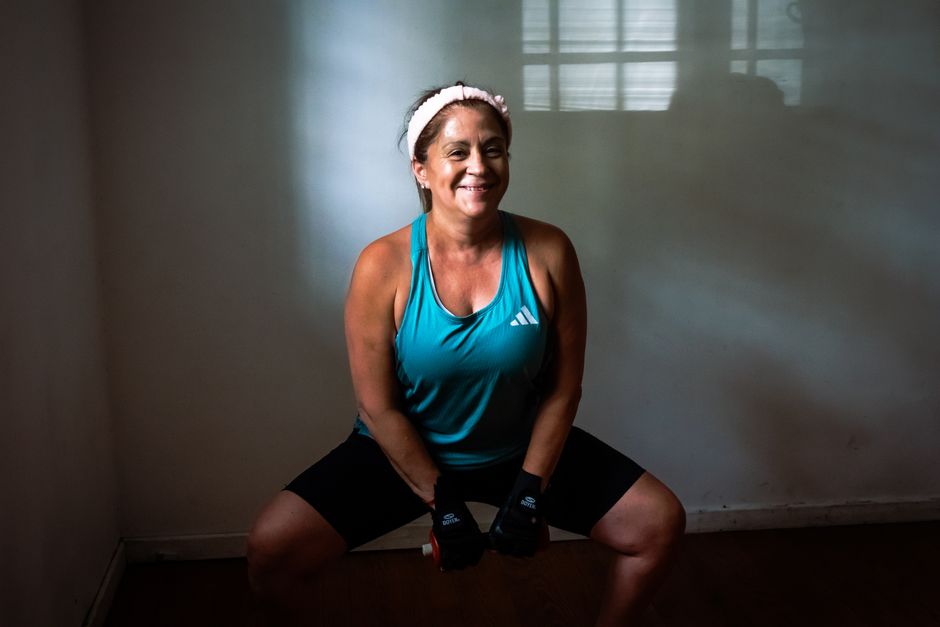
No dynamometer? Wall sits work just as well in practice. Sit with your back against the wall, thighs parallel to the floor (or as close as you can get), and hold. Shoot for three to four sets of 30 to 60 seconds with 90 seconds of rest between. Keep breathing.
The research on exactly why isometrics work so well on blood pressure is still developing. The current hypothesis involves nitric oxide release and sustained vascular adaptation, but I’d be overstating things if I said we fully understand the mechanism. What we know is that the effect is real and repeatable across multiple trials.
One caution: if you have any history of aortic aneurysm, certain heart valve conditions, or very poorly controlled hypertension, check with your cardiologist before adding isometric holds. The temporary pressure spike during the hold is mild at 30% effort, but worth flagging.
Consistency Is the Whole Game
I want to say something blunt here, because I’ve watched people spend months optimizing the wrong thing.
The perfect exercise program that you do three times and abandon is useless. The modest program you actually do every week for four months will lower your blood pressure. Every time.
As of July 2026, the research consensus is clear: dose and consistency predict outcomes far more than the specific modality. Which means walking, done reliably, beats any fancy protocol done sporadically.
The clients I’ve seen get the best results aren’t the ones who came in motivated and intense. They’re the ones who attached exercise to something already in their lives. One client, a retired teacher, walks to a coffee shop three mornings a week. She’s been doing it for two years now. Her systolic dropped from 152 to 136 in the first four months and has stayed there. She doesn’t think of it as medicine. It just happens to be medicine.
Worked example: Robert, 72, avid gardener, had been resistant to “formal exercise” for years. His doctor had been nudging him toward medication for borderline hypertension (consistently 145-150 systolic). We reframed things: he added 20-minute evening walks three times a week and started doing wall sits during commercial breaks watching the news (four sets of 45 seconds). At his six-month follow-up, his doctor noted his average was 139 and decided to hold off on medication. Robert told me he doesn’t even think of the wall sits as exercise.
That framing matters more than people realize.
Sources
- British Journal of Sports Medicine (2021): Large meta-analysis of over 270 randomized trials comparing exercise modalities and blood pressure reduction across age groups.
- British Journal of Sports Medicine (2022): Meta-analysis specifically examining isometric exercise and blood pressure, reporting average 8.24 mmHg systolic reduction.
- Hypertension (2023): American Heart Association journal study on aerobic exercise dose and blood pressure outcomes in adults over 65.
- American College of Sports Medicine Position Stand on Exercise and Hypertension: Foundational clinical guidelines for exercise prescription in patients with elevated blood pressure, currently maintained at ACSM.org.
- Centers for Disease Control and Prevention (CDC), High Blood Pressure Facts: Population data on hypertension prevalence in older adults, available at cdc.gov.
Photo: SHVETS production via Pexels
This article is for general informational purposes only and does not constitute medical or fitness advice. Consult your physician or a licensed physical therapist before starting a new exercise program, especially if you have existing health conditions.