 Linda Chen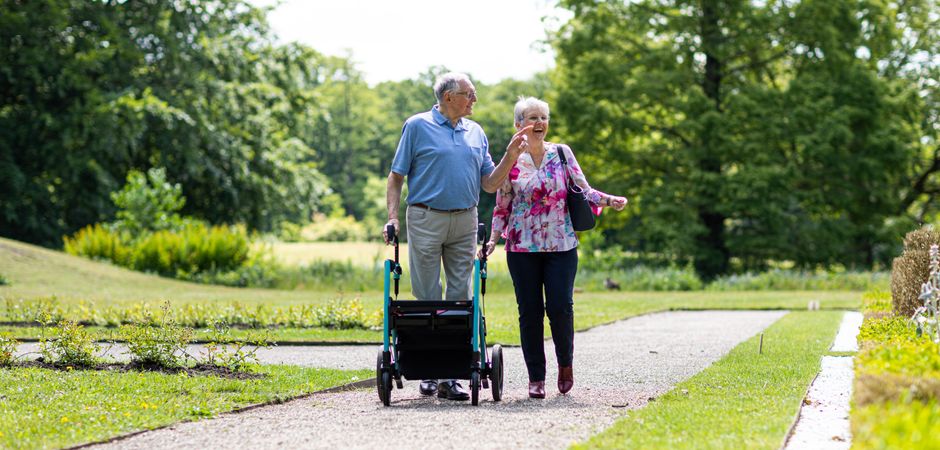
You’ve probably heard it a hundred times: “Just go for a walk.” But if you’re a senior trying to shed a few pounds, you might be wondering if something that simple can really make a difference. The good news is that walking to lose weight seniors is one of the most effective, low-impact strategies you can start today, no gym membership required.
Many people over 60 find that the weight loss methods that worked in their 40s just don’t seem to cut it anymore. Metabolism slows, joints ache, and high-intensity workouts feel more punishing than helpful. Walking offers a gentle, sustainable alternative that fits beautifully into daily life.
Why Weight Loss Gets Harder After 60
It’s not your imagination, losing weight really does get trickier as you age. After 60, your body naturally loses muscle mass, a process called sarcopenia, which slows your resting metabolism significantly.
Hormonal changes also play a role. Declining estrogen and testosterone levels can encourage fat storage, particularly around the abdomen. This means you may be eating the same amount you always have, yet still gaining weight slowly over time.
The encouraging news? Regular physical activity like walking can directly combat these changes. It helps preserve muscle, boost metabolism, and improve the way your body manages blood sugar and fat.
What Happens to Your Body When You Walk 30 Minutes a Day
A 30-minute daily walk does far more than burn a few calories in isolation. Within the first few weeks of consistent walking, most seniors notice improved energy levels, better sleep, and a more positive mood.
Here’s what’s actually happening inside your body:
- Calorie burning: A 160-pound person burns roughly 150-200 calories during a brisk 30-minute walk.
- Improved insulin sensitivity: Walking helps your cells use blood sugar more efficiently, reducing fat storage.
- Muscle preservation: Regular walking helps maintain leg and core muscle mass, keeping your metabolism active.
- Reduced cortisol: Walking lowers stress hormones that can trigger belly fat accumulation.
- Better digestion: Movement supports healthy gut function, which is linked to healthier body weight.
Over months, these small daily benefits compound into real, lasting change.
How Much Weight Can Seniors Realistically Expect to Lose?
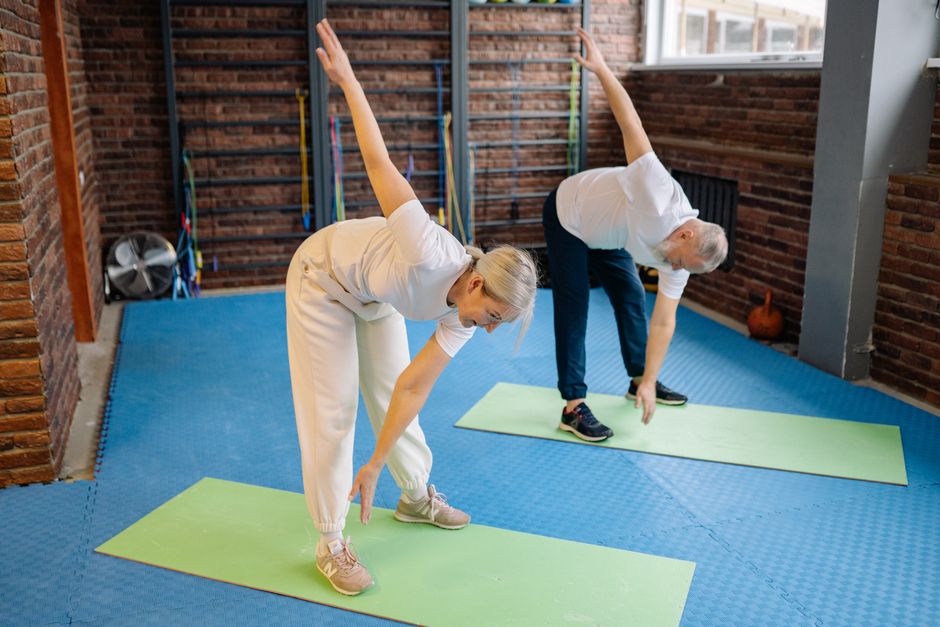
10-Minute Balance Workout For Seniors | More Life Health · More Life Health Seniors on YouTube
| Scenario | Monthly Weight Loss | Annual Weight Loss |
|---|---|---|
| Walking 30 min/day (no diet change) | 0.5-1 lb | 6-12 lbs |
| Walking 30 min/day + mindful eating | 1-2 lbs | 12-24 lbs |
Let’s be honest about numbers. Walking 30 minutes a day, without changing your diet, may help you lose about half a pound to one pound per month. That might sound modest, but it adds up to 6-12 pounds over a year.
When you combine daily walking with mindful eating habits, results tend to accelerate. Many seniors find they lose 1-2 pounds per month with both strategies in place.
But here’s the thing: the scale isn’t the only measure of success. Walking regularly can lead to:
- Reduced waist circumference
- Lower blood pressure and cholesterol
- Improved balance and fall prevention
- Stronger bones and reduced osteoporosis risk
- Greater mental clarity and reduced anxiety
These improvements matter just as much, sometimes more, than the number on the scale.
Pro Tip: Try walking after your largest meal of the day. A 20-30 minute post-meal walk is especially effective for managing blood sugar spikes and can help your body burn calories more efficiently than walking at other times of day.
Tips to Make Your Daily Walk More Effective for Weight Loss
Not all walks are created equal. To maximize the weight loss benefits of your daily 30-minute walk, a few simple strategies can make a significant difference.
Pick Up the Pace
Brisk walking, where you feel slightly breathless but can still hold a conversation, burns significantly more calories than a leisurely stroll. Aim for a pace of about 3 to 3.5 miles per hour if possible.
You don’t need to maintain that pace the entire time. Even alternating between 2 minutes of brisk walking and 1 minute of slower walking is a great approach, especially when you’re just getting started.
Add Some Gentle Hills or Inclines
Walking uphill, even on a gentle slope, engages your glutes, hamstrings, and core much more than flat-surface walking. This means more muscle activation and more calories burned in the same amount of time.
If you use a treadmill, increasing the incline by even 1-2% makes a noticeable difference. Outdoors, simply choosing a route with a small hill adds welcome variety too.
Swing Your Arms
It sounds almost too simple, but consciously swinging your arms while you walk can increase calorie burn by up to 10%. It also naturally encourages a faster stride and better posture.
Keep your arms bent at roughly 90 degrees and swing them in opposition to your legs. This also helps with balance, which is especially beneficial for seniors.
Stay Consistent, Even on “Off” Days
Consistency beats intensity every single time, especially for seniors. A gentle 20-minute walk on a tired day is infinitely better than skipping entirely because you couldn’t manage a full 30 minutes.
Building the habit is the real achievement. Once walking is part of your daily routine, it becomes as natural as brushing your teeth.
How to Get Started Safely as a Senior
Before starting any new exercise routine, it’s always a good idea to check in with your doctor, especially if you have joint issues, heart conditions, or diabetes. Most seniors get the green light, but knowing your specific limitations helps you walk smarter.
Here are some smart starting points:
- Start with 10-15 minutes: If 30 minutes feels daunting, begin with shorter sessions and build up gradually over 2-4 weeks.
- Invest in proper footwear: Supportive walking shoes with cushioning can prevent knee and hip discomfort significantly.
- Warm up first: Spend 2-3 minutes walking slowly before picking up your pace to protect your joints.
- Stay hydrated: Seniors are more prone to dehydration, so drink water before, during, and after your walk.
- Walk with a friend: A walking buddy keeps you accountable and makes the activity far more enjoyable.
- Use a walking stick or trekking poles: These can improve stability and even engage your upper body muscles.
Listening to your body is the most important rule of all. Some muscle soreness is normal when you start, but sharp joint pain is a signal to slow down and consult your doctor.
Combining Walking with Smart Eating Habits
Walking is wonderfully effective, but pairing it with mindful nutrition unlocks even better results. You don’t need to follow a strict diet, small, sustainable changes to your eating habits are all it takes.
Focus on these key principles:
- Prioritize protein: Chicken, fish, eggs, beans, and Greek yogurt help preserve muscle mass and keep you feeling fuller longer.
- Fill half your plate with vegetables: They’re high in fiber and nutrients but low in calories, a winning combination.
- Reduce sugary drinks: Swapping soda or sweetened coffee for water or herbal tea can cut hundreds of calories without much effort.
- Watch portion sizes: As metabolism slows with age, eating slightly smaller portions at meals can help without feeling deprived.
- Avoid skipping meals: Skipping meals, especially breakfast, often leads to overeating later in the day.
Think of walking and eating well as partners, not competitors. Together, they create a lifestyle that supports healthy weight management for the long term.
Every Step Counts, Start Today
Walking 30 minutes a day is one of the most powerful, accessible, and enjoyable things a senior can do for their health and weight. It doesn’t require special equipment, a gym, or an intense fitness regimen, just a pair of good shoes and a willingness to show up for yourself each day.
Whether you’re just starting out or getting back on track after a break, remember that every single step you take is an investment in your health, independence, and quality of life. Your body is capable of more than you might think, and it’s never too late to begin.
Lace up those shoes, step outside, and start your journey. You’ve absolutely got this.
Sources
- Nutramax Cosequin Senior Dog Soft Chews (60ct)
- Nutramax Cosequin DS Joint Supplement for Dogs (132ct)
Disclosure: As an Amazon Associate, we earn a small commission from qualifying purchases at no extra cost to you. We only recommend products that genuinely support the topics covered in this article.
- Nutramax Cosequin Senior Dog Soft Chews (60ct) (~$32), Senior-specific Cosequin formula with added Omega-3s, designed for aging dogs with joint and immune health needs.
- Nutramax Cosequin DS Joint Supplement for Dogs (132ct) (~$36), The #1 veterinarian-recommended joint supplement brand, clinically studied for reducing joint pain in dogs.