 Dr. Patricia Williams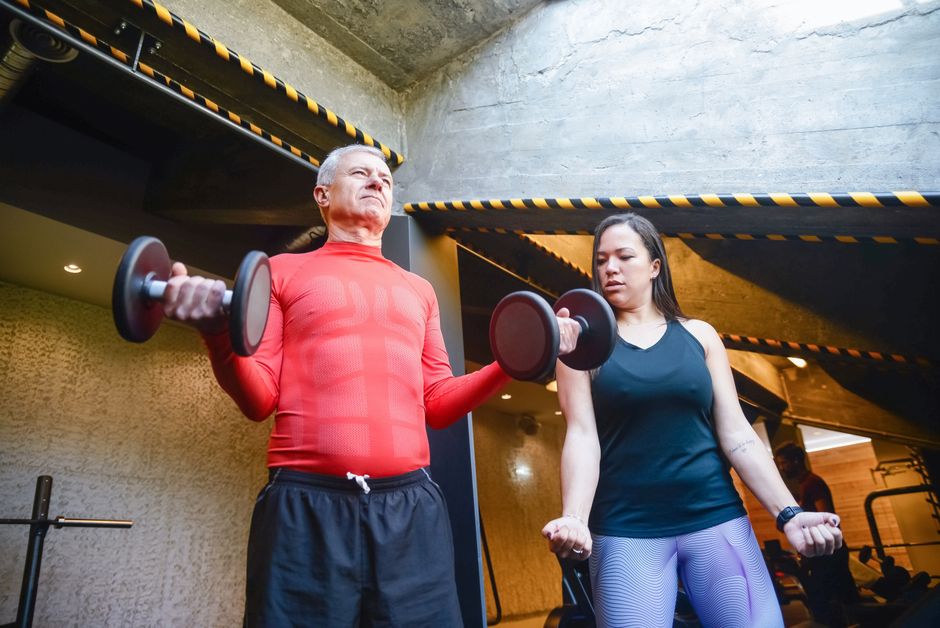
A news story out of Waco, Texas caught my attention last week. KWTX ran a piece on July 27, 2026, profiling a local trainer who’s pairing AI tools with senior strength classes, and one of his students, 66-year-old Faith Glatter, is working to rebuild mobility after a serious accident. That’s a real person doing real hard work. And right alongside that story, a fresh AARP survey landed showing that nearly 60% of adults 50 and older want nothing to do with AI. Zero interest. So we have two things happening at once: AI coaching is showing up in gyms for older adults, and the majority of those adults would rather not touch it. That tension is worth taking seriously, not dismissing from either direction.
I’ll be honest, my first instinct was skepticism. I’ve watched too many “revolutionary” fitness tech products come and go while my older clients kept doing the same reliable things that actually worked. But after spending time with the research coming out this summer, I changed my thinking somewhat. Not completely. But somewhat.
What surprised me was how far the institutional investment has already gone. The University of Tennessee launched a formal clinical trial in June 2026 specifically to evaluate AI-based fitness wearables and app programs in older adults living alone. That’s not a startup running a pilot. That’s a university putting a protocol number on it (NCT07207993) and following the science. That matters.
- Nearly 60% of adults 50+ distrust AI, but real-world senior programs are already using it with reported results.
- A July 2026 Nature Aging study found trained older adults had 50% fewer age-related gene-expression changes than sedentary peers.
- AI motivational messages scored high quality with older adults, but acceptance dropped sharply once they knew AI wrote them.
- University of Tennessee launched a clinical trial (NCT07207993) in June 2026 to formally validate AI fitness tools in older adults.
- Human trainers and AI aren't competing yet; the best current programs use both together.
The Skepticism Is Legitimate, Not Just Technophobia
I want to push back on the framing that older adults who distrust AI are just being stubborn. The AARP numbers reflect something real. A May 2026 study covered by ConsumerAffairs found that older adults actually rated AI-generated motivational messages as high quality, until they found out AI wrote them. Then acceptance dropped. That’s not irrational. That’s a trust response, and trust is earned over time through consistent, accurate, personalized feedback. AI hasn’t earned that yet with this population, and frankly, not all AI fitness tools deserve it.
The safety stakes are also genuinely different for adults over 60. A fall during a poorly cued squat isn’t just a sore knee. It can be a fracture, a hospitalization, a six-month setback. Any tool, AI or otherwise, that gives incorrect form feedback or pushes inappropriate progressions creates real risk. Skepticism here is a feature, not a bug.
What the Muscle Science Actually Says About Personalization
Here’s where I got pulled in deeper than I expected. A Nature Aging study published July 3, 2026 looked at the molecular muscle profiles of trained older adults versus sedentary ones, and the results are striking. Exercised older adults showed gene-expression patterns resembling those of much younger people, with about 50% of age-related differences simply absent. That’s not a motivational statistic. That’s a biological signal that exercise type and consistency matter enormously at the cellular level, which means generic programming for older adults isn’t just suboptimal. It may be leaving the biggest gains on the table.
This is exactly where AI personalization has a theoretical edge. A good AI system can track load, recovery time, exercise history, and movement patterns far more consistently than most people can do themselves or than a trainer can do across a large class. The question is whether current consumer AI tools are actually sophisticated enough to deliver on that promise. The University of Tennessee trial should start giving us answers, but results aren’t published yet.
How Current Programs Are Actually Using AI (And What’s Working)
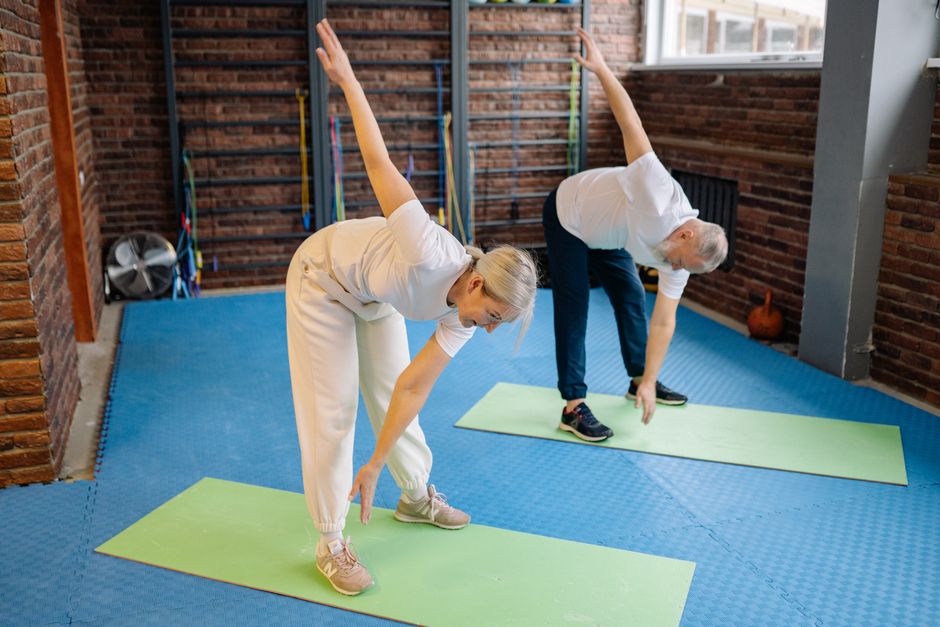
The Waco story is instructive because it shows what the realistic version of this looks like right now. It’s not a robot trainer. It’s a human trainer using AI as a support layer, probably for session planning, progress tracking, or real-time feedback cues, while the human stays in the room making the actual judgment calls. That hybrid model is where almost every credible senior program I’ve seen is landing.
Ted Vickey, PhD, a fitness technologist quoted in ACE Fitness’s 2026 trend report, said AI has moved past trend status and “will become the backbone of programming, personalization and staffing” in fitness facilities. That’s a strong claim. I think he’s right about programming and personalization in the long run. Staffing is where I’d pump the brakes a little, at least for older adult populations where the human relationship is part of what makes people show up.
| Approach | Human Oversight | Personalization Level | Best For |
|---|---|---|---|
| AI app only | None | Algorithm-based | Motivated, tech-comfortable adults |
| Human trainer only | Full | Manual, limited by time | Those needing hands-on correction |
| Hybrid (trainer + AI tools) | Moderate to high | Data-informed + human judgment | Most older adults, especially beginners |
| AI wearable + remote check-ins | Low to moderate | Sensor-based with periodic review | Independent adults, rural access |
What to Actually Look For If You’re Considering This
If you’re an older adult weighing whether to try an AI-assisted fitness program, or a trainer thinking about adding these tools, a few things are worth checking before committing.
First, ask how the AI handles injury history and movement limitations. Any program that gives identical progressions regardless of your history isn’t truly personalized. It’s just automated.
Second, look for human override. The best tools right now are designed so a human trainer can adjust what the AI recommends. If the system is fully closed and you can’t flag a concern to a person, that’s a problem for a population where form errors carry real consequences.
Third, be honest about the transparency issue. The ConsumerAffairs research confirms that older adults respond differently once they know AI is involved. If that knowledge bothers you, it will affect your adherence. Adherence is everything in strength training for older adults. A program you’ll actually stick with beats a theoretically superior one you won’t.
And always, always: talk to your doctor or a physical therapist before starting any new strength program, AI-assisted or otherwise. No app replaces that conversation.
The honest answer to whether AI coaches can help seniors get stronger safely is: sometimes, in the right setup, with the right human still in the picture. The research is still catching up to the products, the trust gap is real and earned, and the tools vary wildly in quality. But the underlying science on personalized exercise for older adults is as strong as it’s ever been. Faith Glatter is putting in the work in a Waco gym. That part, at least, isn’t artificial.
Sources
- Aging Stronger: New Class Helps Seniors Build Strength and Confidence with Training and AI (KWTX) (July 27, 2026)
- Your Next Fitness Coach Could Be AI , ConsumerAffairs (May 8, 2026)
- Delayed Molecular Aging in Exercise-Trained Human Muscle , Nature Aging (July 3, 2026)
- Evaluating Health Outcomes of AI-Based Fitness Wearables in Older Adults , ClinicalTrials.gov (June 2026)
- 10 Fitness Trends in 2026 and Beyond , ACE Fitness (2026)
Photo: Kampus Production via Pexels
This article is for general informational purposes only and does not constitute medical or fitness advice. Consult your physician or a licensed physical therapist before starting a new exercise program, especially if you have existing health conditions.