 Robert Davis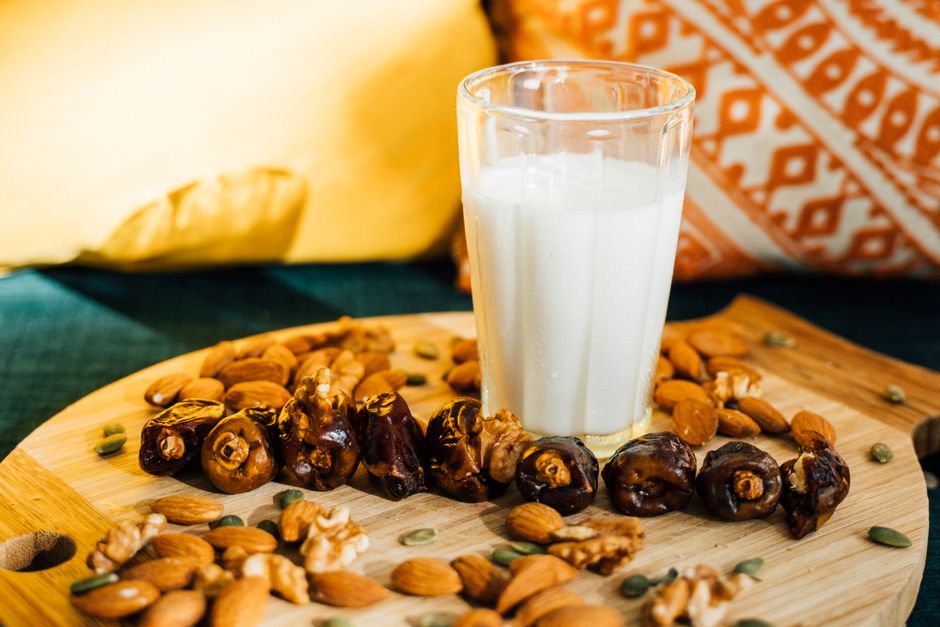
Your doctor told you your calcium is low, and you froze. What now? Millions of seniors are in the same boat, lactose intolerance, digestive issues, or just plain taste preferences push them away from dairy. But here’s the thing: calcium-rich foods for seniors aren’t limited to milk. There are delicious, accessible options that’ll keep your bones strong through your 70s and 80s.
Why Calcium Matters More As You Age
After 60, your body absorbs calcium less efficiently than it used to. At the same time, bone loss naturally speeds up, especially for women after menopause. That’s a real problem. Osteoporosis, fractures, loss of independence, they’re all connected.
The National Institutes of Health says adults 51 and older need about 1,200 mg of calcium per day. Most seniors don’t come close through diet alone.
Classic Dairy Sources of Calcium for Seniors
If dairy works for you, these are your easiest wins:
- Plain yogurt (1 cup): Around 300-400 mg of calcium, plus probiotics for gut health
- Low-fat milk (1 cup): Approximately 300 mg of calcium
- Cheddar cheese (1.5 oz): About 300 mg in a small serving
- Cottage cheese (1 cup): Around 200 mg and high in protein
- Ricotta cheese (half cup): Nearly 250 mg and very easy to digest
Greek yogurt’s your secret weapon, thick, filling, pairs with fruit or honey. A small daily serving makes a real difference.
Pro Tip: Lactose-free milk has exactly the same calcium as regular milk, zero digestive trouble. Toss it in oatmeal, smoothies, or coffee. You won’t taste the difference.
Top Non-Dairy Calcium Rich Foods for Seniors
| Food | Serving Size | Calcium (mg) | Key Benefits |
|---|---|---|---|
| Plain yogurt | 1 cup | 300-400 | Probiotics for gut health |
| Low-fat milk | 1 cup | ~300 | High bioavailability |
| Cheddar cheese | 1.5 oz | ~300 | Convenient, shelf-stable |
| Canned sardines with bones | 3 oz | 325 | Vitamin D + omega-3s |
| Firm tofu (calcium sulfate) | Half cup | Up to 350 | Plant-based, versatile |
| Cooked collard greens | 1 cup | 260 | High absorption rate |
| Cooked kale | 1 cup | ~180 | Low oxalates |
| Chia seeds | 2 tablespoons | ~180 | Easy to add to meals |
| Fortified orange juice | 1 cup | 300-350 | Added calcium |
| Fortified plant-based milk | 1 cup | ~300 | Matches dairy milk |
| White beans (cooked) | 1 cup | ~130 | High fiber + protein |
| Cooked bok choy | 1 cup | ~160 | Highly absorbable |
Don’t have dairy tolerance? There’s a whole world waiting for you. Plant-based options are just as powerful, plus they come with fiber, vitamins, and antioxidants.
- Canned sardines with bones (3 oz): A remarkable 325 mg of calcium. The soft bones are completely edible.
- Canned salmon with bones (3 oz): About 180 mg of calcium plus heart-healthy omega-3s
- Firm tofu (half cup): Up to 350 mg of calcium when made with calcium sulfate (check the label)
- Edamame (1 cup cooked): Around 100 mg of calcium, great for snacking
- White beans (1 cup cooked): Approximately 130 mg of calcium and filling as hell
- Almonds (1 oz): About 75 mg of calcium plus healthy fats
- Chia seeds (2 tablespoons): Around 180 mg of calcium. Stir them into yogurt or oatmeal.
- Fortified orange juice (1 cup): Often contains 300-350 mg of added calcium
- Fortified plant-based milks (1 cup): Almond, soy, and oat milk are usually fortified to match regular milk
Sardines and canned salmon are cheap, need zero cooking, and deliver both calcium and vitamin D. That combination is hard to beat for your bones.
Leafy Greens and Vegetables With Surprising Calcium Content
Here’s what catches people off guard: some vegetables are calcium powerhouses. But you need to pick the right ones.
Spinach has calcium, but it also has oxalates that block absorption. Other greens work much better.
- Cooked bok choy (1 cup): About 160 mg of highly absorbable calcium
- Cooked collard greens (1 cup): An impressive 260 mg of calcium
- Cooked kale (1 cup): Around 180 mg of calcium, very low in oxalates
- Broccoli (1 cup cooked): About 60 mg. Not huge on its own, but it adds up.
- Turnip greens (1 cup cooked): Approximately 200 mg of calcium
Collard greens and kale are winners because your body absorbs their calcium at a high rate, sometimes better than milk. Sauté them with garlic and olive oil. Simple. Effective.
The Vitamin D Connection You Cannot Ignore
Calcium can’t do anything without vitamin D. Your body needs it to absorb calcium from food. Most seniors over 60 don’t get enough. Less sun, less time outside, changes in how your skin works, all of it adds up.
Look for foods with both calcium and vitamin D:
- Fatty fish like salmon, mackerel, and tuna
- Fortified dairy and plant-based milks
- Fortified cereals and orange juice
- Egg yolks (small amounts)
Ask your doctor to check your vitamin D levels with a blood test. Many seniors benefit from a supplement, especially in winter or if they’re mostly indoors.
Simple Ways to Get More Calcium Into Every Meal
You don’t need to blow up your diet. Small, consistent changes add up fast.
- Stir chia seeds or almonds into your morning oatmeal or yogurt
- Add white beans or edamame to soups, salads, and stews
- Use fortified soy or almond milk in coffee, tea, or smoothies
- Keep a tin of sardines or salmon in your pantry for a quick lunch
- Sneak kale or bok choy into stir-fries, pasta, or scrambled eggs
- Top whole-grain crackers with ricotta cheese and tomato
- Sprinkle sesame seeds (calcium-rich) on salads and vegetables
Keep a food log for a few days. You’ll be shocked how quickly you hit 1,200 mg without even trying.
You Have the Power to Protect Your Bones
Getting enough calcium after 60 is one of the best investments you can make in yourself. Whether you’re a dairy person, prefer plants, or love sardines straight from the tin, there’s a path that works for you.
Start with one new food this week. Build from there. Your bones are with you forever, and they deserve your attention.
Sources
- Nutramax Cosequin Senior Dog Soft Chews (60ct)
- Nutramax Cosequin DS Joint Supplement for Dogs (132ct)
Disclosure: As an Amazon Associate, we earn a small commission from qualifying purchases at no extra cost to you. We only recommend products that genuinely support the topics covered in this article.
- Nutramax Cosequin Senior Dog Soft Chews (60ct) (~$32), Senior-specific Cosequin formula with added Omega-3s, designed for aging dogs with joint and immune health needs.
- Nutramax Cosequin DS Joint Supplement for Dogs (132ct) (~$36), The #1 veterinarian-recommended joint supplement brand, clinically studied for reducing joint pain in dogs.