 Robert Davis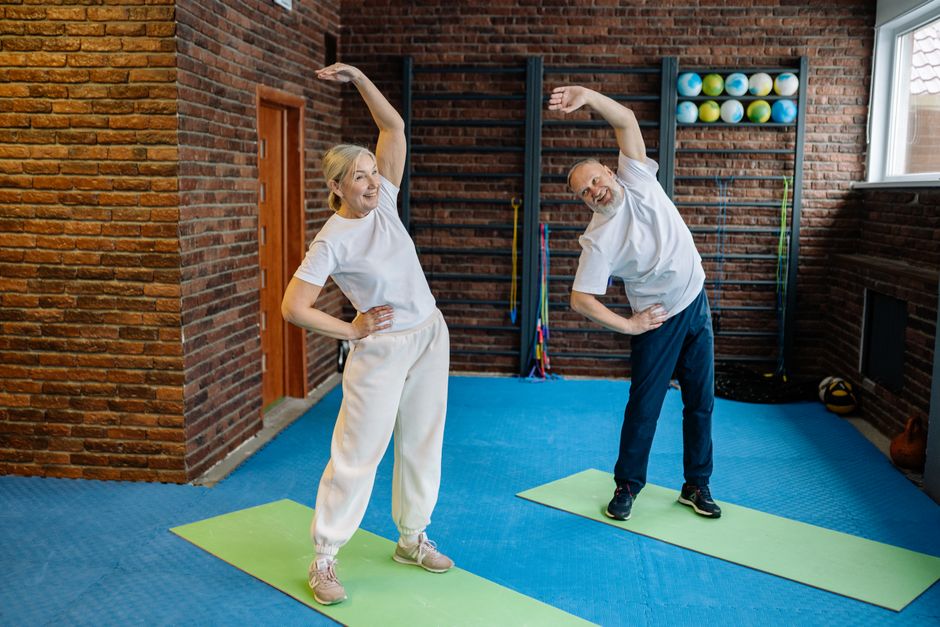
If you’re waking up with a stiff lower back, you’re in good company. Millions of seniors deal with this every single day, and it’s frustrating enough that getting dressed or walking to the kitchen starts to feel like work. The encouraging part: stretches that actually work exist, and they’re simple, gentle, and don’t require a gym.
You don’t need special equipment or even much time. Fifteen minutes a day, done consistently, can genuinely reduce pain and get you back to doing what you care about.
Why Lower Back Pain Is So Common in Seniors
Your muscles and ligaments naturally lose strength and elasticity as you age. The discs between your vertebrae get thinner, lose moisture, and become less cushioned. After 60, conditions like osteoarthritis and spinal stenosis show up more frequently. Even mundane stuff, sitting too long, sleeping on a bad mattress, can trigger flare-ups.
Here’s the thing that most people get wrong: rest isn’t the answer. Movement is. Gentle stretching keeps muscles loose, improves blood flow, and helps your spine stay stable and strong.
Important Safety Tips Before You Begin
Photo by Ahmet Kurt on Unsplash
Talk to your doctor first, especially if you’ve got a diagnosed back condition. It takes five minutes and it’s worth it.
Keep these guidelines in mind:
- Move slowly. Discomfort is fine. Sharp pain means stop.
- Breathe steadily and deeply the whole time
- Use a yoga mat or carpet to protect your joints
- Keep a sturdy chair nearby for balance
- Warm up with a 5-minute walk around your house first
Start low and build gradually. That’s the real secret to making this a sustainable habit.
5 Best Stretches for Lower Back Pain Seniors Can Do Daily
Reduce Hip Pain Or Tight Hips | Seated Stretches For Seniors And Beginners | 12 Min · Senior Fitness With Meredith on YouTube
| Stretch | Duration | Repetitions | Best For |
|---|---|---|---|
| Knee-to-Chest Stretch | 20-30 seconds | 2-3 times per side | Lumbar spine tension relief |
| Cat-Cow Stretch | N/A | 8-10 slow repetitions | Full spine mobility |
| Seated Forward Bend | 20-30 seconds | 2-3 times | Hamstrings and lower back |
| Child’s Pose | 30+ seconds | 1-2 times | Lumbar decompression |
| Pelvic Tilt | 5 seconds per rep | 10-15 repetitions | Core strengthening and alignment |
Photo by Trọng Tín on Unsplash
These stretches are gentle and proven. Hold each one for 20 to 30 seconds, repeat 2 to 3 times per side.
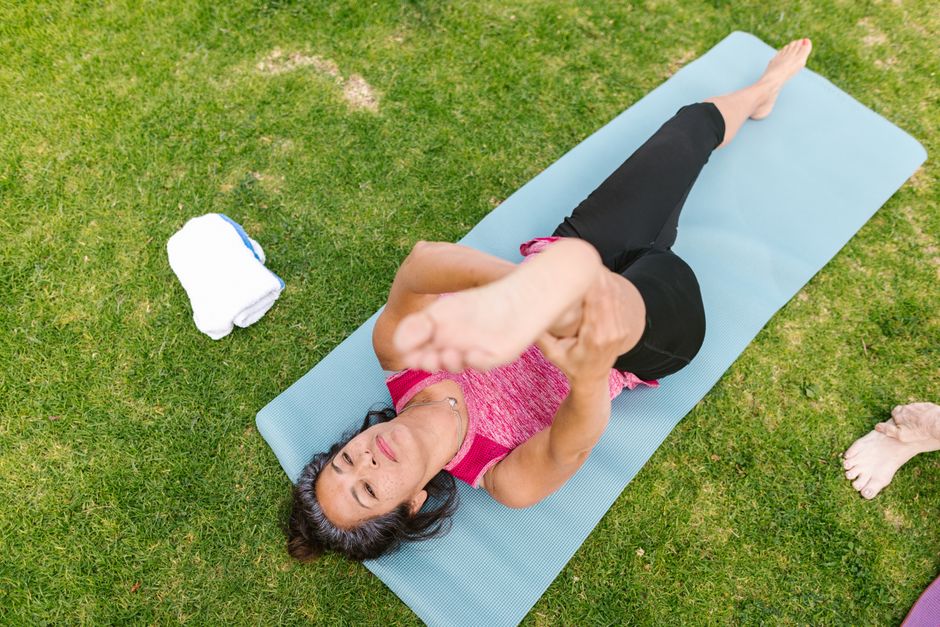
1. Knee-to-Chest Stretch
Physical therapists recommend this one constantly. It lengthens your lower back muscles and releases tension in the lumbar spine.
Lie on your back, knees bent, feet flat. Slowly draw one knee toward your chest and hold it gently with both hands. Hold 20 to 30 seconds, switch sides.
2. Cat-Cow Stretch
This borrowed-from-yoga movement warms up your entire spine, from neck to tailbone. It’s accessible and feels good.
Get on all fours with wrists under shoulders, knees under hips. Inhale and drop your belly toward the floor while lifting your head gently (the cow). Exhale and round your back toward the ceiling while tucking your chin (the cat). Do 8 to 10 slow, flowing repetitions.
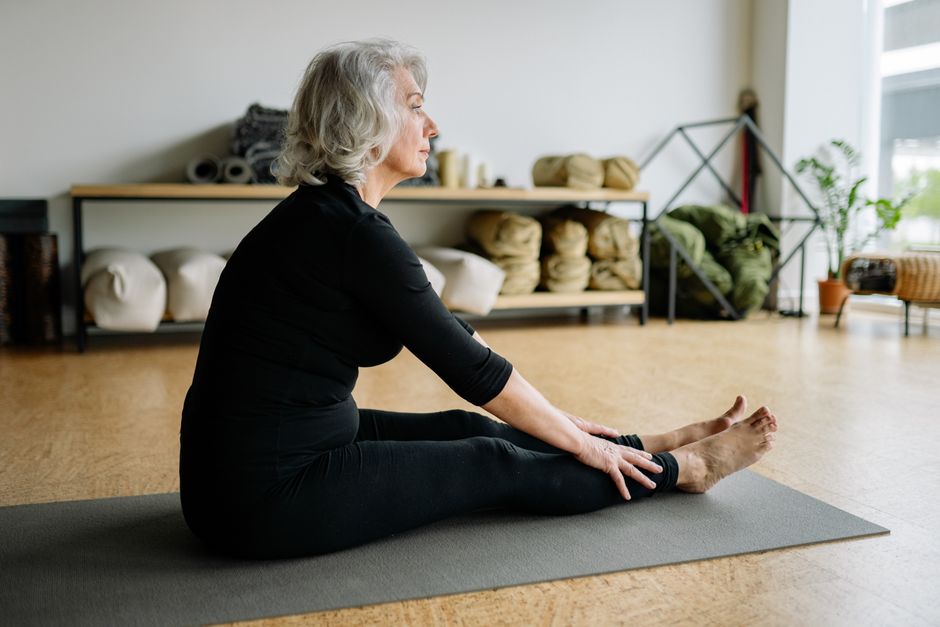
3. Seated Forward Bend
Can’t get down to the floor comfortably? This works perfectly from a chair and targets both your hamstrings and lower back muscles.
Sit at the front edge of a sturdy chair, feet flat. Lean forward slowly from your hips, letting your hands reach toward your feet or ankles. Breathe deeply for 20 to 30 seconds before sitting back up.
4. Child’s Pose
One of the most soothing stretches available. It gently decompresses your lumbar spine and calms your nervous system at the same time.
Kneel on a padded mat and sit your hips back toward your heels. Stretch your arms forward and rest your forehead down. If your hips don’t reach your heels, place a folded blanket between your thighs and calves. Hold 30 seconds or longer if it feels good.
5. Pelvic Tilt
Small movement, big impact. It strengthens your core muscles and retrains proper spinal alignment to prevent future pain.
Lie on your back, knees bent, feet flat. Flatten your lower back against the floor by tightening your abdominal muscles and tilting your pelvis slightly up. Hold 5 seconds, release. Repeat 10 to 15 times.
Pro Tip: Do this right after waking up, while your mat’s still next to the bed. Your muscles will feel tight at first, but morning stretching sets a pain-free tone for your entire day.
Stretches to Try in a Chair
Photo by Christian Wiediger on Unsplash
Not everyone’s comfortable on the floor, and that’s completely legitimate. Chair stretches work just as well and are perfect if your knees or hips give you trouble.
- Seated spinal twist: Sit tall, place your right hand on your left knee, gently rotate your torso left. Hold 20 seconds, switch.
- Seated hip flexor stretch: Sit at the edge of your chair and slide your right foot behind you, keeping your back straight. You’ll feel a gentle stretch in the front of your right hip. Hold and switch.
- Seated figure-four stretch: Cross your right ankle over your left knee and lean forward gently. This targets the piriformis muscle, a major culprit in lower back pain. Hold and switch.
These can happen anywhere. Kitchen table. Living room. Your desk. No excuses needed.
How Often Should Seniors Stretch for Back Pain?
Consistency beats intensity every time. Even 10 to 15 minutes daily makes a real difference.
Most physical therapists recommend stretching at least 5 days a week for ongoing pain management. Split it into morning and evening sessions if that works better for you.
Here’s a simple starting plan:
- Monday, Wednesday, Friday: Full 15-minute routine with floor and chair stretches
- Tuesday, Thursday: 10-minute gentle chair session
- Saturday: Walk plus a few favorite stretches
- Sunday: Rest day or light yoga
Give yourself 2 to 4 weeks before expecting major changes. Progress happens gradually.
Other Lifestyle Habits That Support a Healthy Back
Stretching’s powerful on its own, but it works better when paired with other healthy habits.
Add these to your routine:
- Stay hydrated: Your spinal discs are mostly water. Staying hydrated keeps them cushioned and healthy.
- Strengthen your core: Gentle bridges and seated abdominal contractions support your spine’s protective muscles.
- Watch your posture: Don’t slump when sitting. Use a lumbar pillow if you need to.
- Stay active: Walking, swimming, tai chi, all excellent for back health.
- Sleep well: Use a supportive mattress. Try a pillow between your knees if you’re a side sleeper.
Small daily choices compound. A little effort in each area creates real cumulative effects on your comfort and quality of life.
You’ve already taken the hardest step by learning about stretching and back care. With patience, consistency, and a positive mindset, relief is genuinely within reach. Your most comfortable days are still coming.
Sources
Disclosure: As an Amazon Associate, we earn a small commission from qualifying purchases at no extra cost to you. We only recommend products that genuinely support the topics covered in this article.
- Kidde 10-Year Battery Smoke & CO Detector (~$32), Dual smoke and carbon monoxide detector with 10-year sealed battery, no battery replacement needed for a decade.
- Ring Alarm 8-Piece Security Kit (~$199), Professional-grade DIY home security system with optional 24/7 monitoring, top way to qualify for insurance discounts.
- Nutramax Cosequin Senior Dog Soft Chews (60ct) (~$32), Senior-specific Cosequin formula with added Omega-3s, designed for aging dogs with joint and immune health needs.
- Nutramax Cosequin DS Joint Supplement for Dogs (132ct) (~$36), The #1 veterinarian-recommended joint supplement brand, clinically studied for reducing joint pain in dogs.