 Dr. Patricia Williams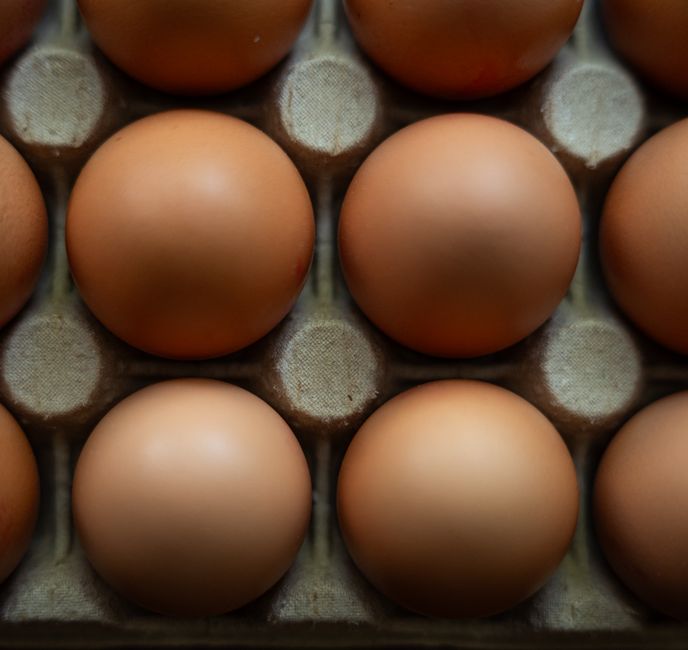
You’re at the gym, third set of seated leg presses done, and the trainer hands you a protein shake made from some chalky powder that tastes like vanilla-flavored disappointment. “You need at least 30 grams after every workout,” he says. You nod, drink it, and wonder if this is really what it takes. Maybe. But here’s what most people don’t realize: the protein question for adults over 60 is far more nuanced than a post-workout shake, and getting it wrong doesn’t just slow your results, it can quietly work against the very muscle you’re trying to build.
Why Older Adults Need More Protein Than You’ve Been Told
The standard Recommended Dietary Allowance for protein is 0.8 grams per kilogram of body weight per day. That number surprises almost everyone. It was set to prevent deficiency, not to optimize muscle building. For a 70-year-old trying to get stronger, it’s genuinely inadequate.
I’ve seen clients in their late 60s eating what they believed was “plenty of protein” because they’d hit the RDA. Chicken salads for lunch, Greek yogurt as a snack, call it good. They were still losing muscle. Why? After about age 60, your body becomes less efficient at converting dietary protein into muscle tissue. Researchers call this anabolic resistance. Your muscles simply don’t respond to protein signals the way they did at 40.
The practical fix: most sports nutrition researchers and geriatric dietitians now recommend somewhere between 1.2 and 1.6 grams of protein per kilogram of body weight daily for older adults doing strength training. For a 170-pound person, that’s roughly 93 to 123 grams per day. That’s a meaningful target, and which foods you use to hit it actually matters.
One more thing most people skip: distribution beats total intake. Spreading your protein across three to four meals, aiming for at least 25 to 40 grams per sitting, maximizes muscle protein synthesis better than loading it all into one or two meals. Your body can only use so much at once. The excess doesn’t get stored as muscle.
The Protein Sources That Actually Deliver
Not all protein is created equal. What you’re looking for is high leucine content, good digestibility, and overall amino acid completeness. Leucine is the ignition switch for muscle protein synthesis. You need roughly 2 to 3 grams per meal to flip it.
Eggs belong at the top of this list. A whole egg contains about 6 grams of high-quality protein, and the yolk carries half of it along with vitamins D, B12, and choline, which supports brain and nerve function. I’ve worked with clients who avoided yolks for decades based on old cholesterol fears. Current evidence is far more nuanced on dietary cholesterol for healthy adults, but talk to your doctor before changing your egg intake if you have specific cardiovascular concerns.
Lean beef and bison are worth revisiting even if you’ve been told to cut back on red meat. A 4-ounce serving of 90% lean ground beef delivers around 22 grams of protein along with creatine, zinc, and heme iron, all nutrients that support muscle function and energy. The creatine alone matters. It’s not just a supplement. It’s a compound your muscles use for short-burst energy, and older adults tend to have lower natural levels of it.
Greek yogurt and cottage cheese are workhorse options. Plain Greek yogurt at 2% fat has roughly 17 to 20 grams per cup. Cottage cheese, often underrated, provides about 25 grams per cup and is rich in casein protein, which digests slowly and may help preserve muscle overnight when eaten before bed. This isn’t speculation, there’s solid research on pre-sleep casein and muscle protein synthesis in older adults.
Salmon and other fatty fish give you protein and omega-3 fatty acids in one shot. EPA and DHA, the main omega-3s, have direct anti-inflammatory effects that support muscle recovery and may reduce anabolic resistance. A 3-ounce serving of salmon runs about 22 grams of protein. Aim for fatty fish two to three times per week.
Legumes and soy matter if you eat plant-forward. Most plant proteins are lower in leucine than animal sources, but soy is the exception. Tofu, tempeh, and edamame are complete proteins with leucine levels that approach meat. A cup of cooked edamame contains about 17 grams of protein. Black beans or lentils give you 15 to 18 grams per cup, but combine them with a leucine-rich source like Greek yogurt or eggs in the same meal, and their muscle-building effectiveness improves significantly.
How to Compare Your Options at a Glance
| Food | Serving Size | Protein (g) | Leucine (g) | Notes |
|---|---|---|---|---|
| Whole eggs | 2 large | 12 | ~1.1 | High bioavailability; cook thoroughly |
| Greek yogurt (plain, 2%) | 1 cup | 17-20 | ~1.7 | Opt for low-sugar varieties |
| Cottage cheese (2%) | 1 cup | 25 | ~2.3 | Great pre-sleep option |
| Salmon (cooked) | 3 oz | 22 | ~1.8 | Bonus: omega-3 fatty acids |
| Chicken breast (cooked) | 3 oz | 26 | ~2.1 | Lean, versatile, affordable |
| 90% lean ground beef | 3 oz | 22 | ~1.8 | Contains natural creatine |
| Tempeh | 3 oz | 16 | ~1.0 | Best plant-based leucine source |
| Edamame (shelled) | 1 cup | 17 | ~1.2 | Complete protein; easy snack |
| Lentils (cooked) | 1 cup | 18 | ~1.3 | Pair with leucine-rich food |
| Whey protein powder | 1 scoop (~30g) | 24-26 | ~2.5 | Fast-digesting; useful post-workout |
This table is designed for quick reference when you’re planning meals. All values are approximate and can vary by brand, preparation, and cut.
| Food | Serving Size | Protein (g) | Leucine (g) | Notes |
|---|---|---|---|---|
| Whole eggs | 2 large | 12 | ~1.1 | High bioavailability; cook thoroughly |
| Greek yogurt (plain, 2%) | 1 cup | 17-20 | ~1.7 | Opt for low-sugar varieties |
| Cottage cheese (2%) | 1 cup | 25 | ~2.3 | Great pre-sleep option |
| Salmon (cooked) | 3 oz | 22 | ~1.8 | Bonus: omega-3 fatty acids |
| Chicken breast (cooked) | 3 oz | 26 | ~2.1 | Lean, versatile, affordable |
| 90% lean ground beef | 3 oz | 22 | ~1.8 | Contains natural creatine |
| Tempeh | 3 oz | 16 | ~1.0 | Best plant-based leucine source |
| Edamame (shelled) | 1 cup | 17 | ~1.2 | Complete protein; easy snack |
| Lentils (cooked) | 1 cup | 18 | ~1.3 | Pair with leucine-rich food |
| Whey protein powder | 1 scoop (~30g) | 24-26 | ~2.5 | Fast-digesting; useful post-workout |
Building a Day of Protein Around Real Food
What does this actually look like on a plate? Numbers don’t matter if you can’t fit them into your daily life.
Morning (Target: 30-40g protein) Start with a 3-egg scramble with spinach and feta, plus a cup of Greek yogurt on the side with berries. You’re at 35 to 38 grams before you’ve even left the kitchen.
Midday (Target: 30-40g protein) A 4-ounce chicken breast over a large salad with chickpeas and a hard-boiled egg hits about 40 grams. Add olive oil and lemon, skip the croutons if calories matter to you, keep the chickpeas for the fiber.
Afternoon (Optional, 15-20g protein) A cup of cottage cheese with pineapple or a small can of tuna on whole-grain crackers works well here, especially on days when dinner will be lighter.
Dinner (Target: 30-35g protein) A 5-ounce salmon fillet with roasted vegetables and a side of lentil soup gets you to around 40 grams and checks your omega-3 box for the day.
Before bed (Optional, 20-25g protein) Cottage cheese earns its place here. A cup before bed, maybe with a tablespoon of nut butter, provides slow-release casein protein shown to support overnight muscle repair.
Total across this day: roughly 140 to 160 grams, which comfortably supports active muscle building for most adults in this range.
Should You Use Protein Supplements?
I want to be honest here. There’s a lot of money being made on supplements marketed specifically to older adults, and some of it is well-spent while some of it isn’t.
Whey protein is genuinely effective. It’s fast-digesting, high in leucine, and has decades of research behind it. If you’re struggling to hit your protein targets through food alone, a quality whey isolate or concentrate can fill the gap without excess calories. It’s not magic, just convenient food in powder form.
Collagen protein is where I pump the brakes. It’s everywhere right now, marketed heavily to the 60-plus crowd for joints and skin. Collagen is a real and useful protein for connective tissue support, but it’s not a complete protein and it’s very low in leucine. Use it for joint health under medical guidance if that’s your goal. Don’t count it toward your muscle-building protein targets.
Creatine monohydrate is one of the most underused supplements in older adults and one of the most researched. A standard dose of 3 to 5 grams per day has been shown in multiple studies to improve strength gains and muscle mass in older adults when combined with resistance training. It’s inexpensive, safe for most healthy people, and works synergistically with high-protein eating. Talk to your doctor before starting, particularly if you have kidney concerns.
The gap between “eating enough” and “eating enough to actually build muscle after 60” is wider than most people expect. It’s also absolutely closable with the right foods and a little structure. You don’t need exotic supplements or perfect meals. You need consistent, adequate protein distributed across the day, paired with a resistance training program designed for where your body is right now. Work with a registered dietitian or sports medicine physician if you want a plan tailored to your specific health history. The effort is worth it. Stronger muscles mean better balance, fewer falls, more independence, and just feeling better in your own body. That’s a return worth investing in.
This article is for general informational purposes only and does not constitute medical or fitness advice. Consult your physician or a licensed physical therapist before starting a new exercise program, especially if you have existing health conditions.
Sources
- Nutramax Cosequin Senior Dog Soft Chews (60ct)
- Nutramax Cosequin DS Joint Supplement for Dogs (132ct)
- on pre-sleep casein and muscle protein synthesis in older adults
Disclosure: As an Amazon Associate, we earn a small commission from qualifying purchases at no extra cost to you. We only recommend products that genuinely support the topics covered in this article.
- Nutramax Cosequin Senior Dog Soft Chews (60ct) (~$32), Senior-specific Cosequin formula with added Omega-3s, designed for aging dogs with joint and immune health needs.
- Nutramax Cosequin DS Joint Supplement for Dogs (132ct) (~$36), The #1 veterinarian-recommended joint supplement brand, clinically studied for reducing joint pain in dogs.