 Helen Santos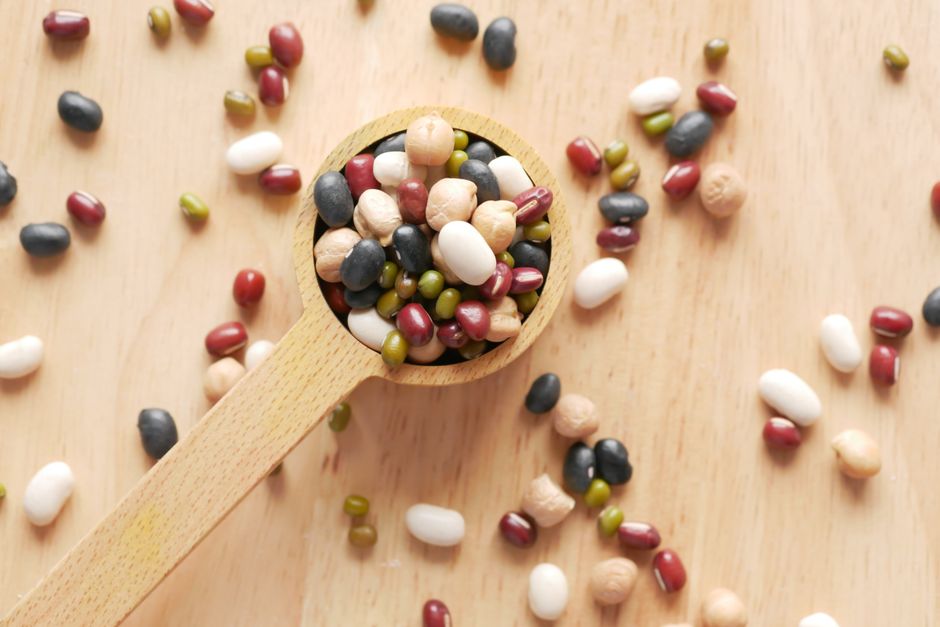
You’ve probably felt it: stairs get harder, groceries feel heavier, everyday tasks take more effort. Between 60 and 80, most people experience a real decline in strength. The frustrating part? It doesn’t have to be inevitable. Getting enough protein makes a measurable difference in how strong you stay and how long you can live independently.
Why Muscle Loss Happens as We Age
After 60, your body starts shedding muscle fast. Scientists call it sarcopenia. Adults lose between 3% and 5% of their muscle mass per decade starting at 30, and the pace only quickens as you get older.
The causes pile up: you move less, hormones shift, and you’re probably not eating enough protein to counteract it. Your body rebuilds muscle using amino acids from protein, and here’s the kicker, older adults actually need more protein than younger people to get the same results.
Several things make this harder:
- Hunger signals just aren’t as strong
- Your stomach doesn’t absorb protein as efficiently
- Some medications block nutrient uptake
- Even a few weeks in bed after illness accelerates the loss
How Much Protein Do Seniors Really Need?
Photo by Vitaly Gariev on Unsplash
The government standard is 0.8 grams of protein per kilogram of body weight daily. That’s outdated. Most geriatric researchers now recommend 1.0 to 1.2 grams per kilogram, bump it to 1.5 if you’re active or recovering from something.
A 150-pound senior should target 68 to 102 grams daily. That’s actually doable if you split it across meals instead of dumping it all at dinner.
Pro Tip: Spread protein evenly, about 25 to 30 grams per meal. Research is clear: your muscles respond better to consistent daily intake than to one huge protein hit at night.
Top Protein Foods for Seniors to Support Muscle Health
| Protein Source | Protein per Serving | Key Nutrients | Notes |
|---|---|---|---|
| Eggs (1 large) | 6g | Vitamin D, B12, choline | Versatile, safe for healthy seniors |
| Greek yogurt (1 cup) | 15-20g | Calcium | Choose plain; add berries or honey |
| Chicken/Turkey (3 oz) | 25-30g | Low saturated fat | Poach or slow-cook for tenderness |
| Fish/Seafood (salmon, tuna, sardines) | Varies | Omega-3s | Canned versions equally nutritious |
| Lentils (1 cup cooked) | ~18g | Fiber, iron | Pair with rice or whole grain for complete amino acids |
| Cottage cheese (1 cup) | 25g | Slow-digesting protein | Good bedtime snack |
| Tofu, firm (½ cup) | 10g | Plant-based calcium | Absorbs flavors well in stir-fries |
| Edamame (1 cup) | 17g | Plant-based calcium | Good meat alternative |
Photo by Khaled Ali on Unsplash
The best protein sources have all nine essential amino acids, digest easily, and fit into normal meals. Here’s what actually works.
1. Eggs
One large egg is 6 grams of protein plus vitamin D, B12, and choline. Scramble them, boil them, throw them in soup. One or two a day is totally safe for healthy seniors and won’t hurt your cholesterol the way people used to think.
2. Greek Yogurt
A cup has 15 to 20 grams of protein, way more than regular yogurt. You also get calcium for bones. Buy the plain stuff without added sugar, then top it with berries or a drizzle of honey.
3. Chicken and Turkey
Chicken breast and turkey deliver 25 to 30 grams per 3-ounce serving and almost no saturated fat. Poach or slow-cook it to keep it tender if chewing’s an issue. Toss it into salads, soups, or grain bowls.
4. Fish and Seafood
Salmon, tuna, and sardines give you protein and omega-3s that reduce muscle inflammation and actually support muscle growth. Aim for two servings weekly. Canned versions are as good as fresh and cost less.
5. Legumes and Beans
A cup of cooked lentils has about 18 grams of protein plus fiber and iron, all for under a dollar. Pair them with rice or whole grain bread to get all nine amino acids. Gentler on digestion than meat and incredibly filling.
6. Cottage Cheese
Cottage cheese is protein people overlook: 25 grams per cup, and it digests slowly. Eat it before bed as a snack, your muscles keep rebuilding while you sleep. Mix it with fruit or tomatoes, or eat it plain.
7. Tofu and Edamame
If you’re cutting back on meat, half a cup of firm tofu gives 10 grams of protein, and a cup of edamame gives 17. Both absorb flavor well in stir-fries and soups. Both also have plant-based calcium.
Easy Ways to Add More Protein to Your Daily Meals
Photo by Age Cymru on Unsplash
Knowing what to eat isn’t enough. You have to actually eat it.
- Breakfast boost: Boiled egg or Greek yogurt alongside your oatmeal
- Smarter snacks: Nuts or cottage cheese with fruit instead of crackers
- Soup upgrades: Toss in canned beans, lentils, or shredded rotisserie chicken
- Salad upgrades: Hard-boiled eggs, grilled fish, or chickpeas instead of croutons
- Stock your pantry: Keep canned tuna, pre-cooked rotisserie chicken, and canned beans ready for quick meals
If you’re not hungry, eat smaller amounts more often. A registered dietitian can build you a plan that fits your actual life and health situation.
Pairing Protein with Exercise for Best Results
Protein by itself won’t save your muscles. You need to use them. Resistance exercises, light weights, resistance bands, chair squats, tell your muscles they should use the protein you’re eating to repair and grow.
Even regular walking works if you’re eating enough protein. Check with your doctor before you start anything new, especially if you’ve got existing conditions.
Do at least two days of strength training weekly. Get a protein snack within an hour after exercise if you can. Drink water (muscles need it to recover). Steady, moderate activity beats occasional hard workouts every time.
Sources
Disclosure: As an Amazon Associate, we earn a small commission from qualifying purchases at no extra cost to you. We only recommend products that genuinely support the topics covered in this article.
- Nutramax Cosequin Senior Dog Soft Chews (60ct) (~$32), Senior-specific Cosequin formula with added Omega-3s, designed for aging dogs with joint and immune health needs.
- Nutramax Cosequin DS Joint Supplement for Dogs (132ct) (~$36), The #1 veterinarian-recommended joint supplement brand, clinically studied for reducing joint pain in dogs.