 James Cooper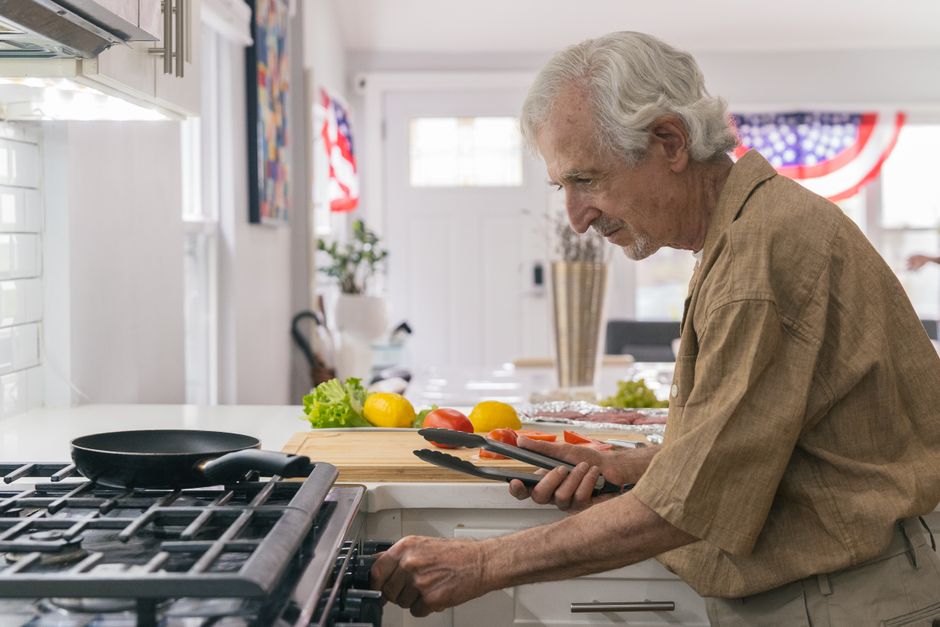
Most people I work with come to me having already tried something. They’ve cut back on sugar, maybe started drinking more water, picked up a protein shake at Costco. They’re not starting from zero. They’re starting from confused, because everything they read seems to contradict everything else, and their body isn’t responding the way it did at 45.
You might be wondering if your diet is the reason your energy crashes by 2pm, or why strength gains feel slower than they should. Honestly? It probably is a factor. Not the only one. But food is where I see the biggest gap between what older adults are actually eating and what their bodies actually need.
Here’s what I tell people at the start: the rules changed. Not because nutrition science is a moving target (though it is), but because your physiology changed. The diet that kept you lean at 50 may be actively working against you at 68. That’s not failure. That’s biology.
Protein Is the One Thing Most Seniors Are Getting Wrong
| Metric | Younger Adults (35 years) | Older Adults (60+ years) |
|---|---|---|
| Protein needed per meal for muscle stimulus | ~20 grams | 35-40 grams |
| Recommended daily protein intake | 0.8 g/kg body weight | 1.2-1.6 g/kg body weight |
| Example for 160-pound person | N/A | 87-116 grams/day |
| Typical intake observed in seniors | N/A | 50-60 grams/day |
| Gut microbiome diversity target | N/A | 30+ different plant foods/week |
| Post-workout carb + protein window | N/A | 30-60 minutes |
I’ll be direct about this one: almost every person over 60 who walks into my sessions is under-eating protein. Not slightly. Significantly.
The old recommended daily allowance of 0.8 grams per kilogram of body weight was set based on what prevents deficiency, not what supports muscle maintenance or active aging. There’s a meaningful difference. Research published in the Journal of Nutrition, Health & Aging and replicated across multiple institutions points consistently toward older adults needing somewhere between 1.2 and 1.6 grams per kilogram of body weight daily, especially if they’re strength training. For a 160-pound person, that’s roughly 87 to 116 grams of protein a day. Most people I test are hitting 50 to 60.
Why does it matter so much after 60? Something called anabolic resistance. Your muscles become less responsive to the protein signals that trigger growth and repair. To get the same muscle-building stimulus a 35-year-old gets from 20 grams of protein at a meal, you may need 35 to 40 grams. The dose has to go up to get the same result. It’s not fair. It’s just what’s true.
So what does that actually look like on a plate? A 6-ounce chicken breast, a cup of Greek yogurt, two eggs and some cottage cheese. Spread it across meals rather than loading it all at dinner, which is what most people accidentally do. Your muscles can only use so much at once, and the evidence strongly suggests that distributing protein more evenly across three meals does more for muscle protein synthesis than the same total amount eaten mostly at night.
One more thing on protein: the source matters less than people argue about online. Animal and plant proteins can both get you there. But if you’re relying on plant sources, you’ll need to be more intentional about combining them, because most plant proteins are incomplete on their own. Nothing wrong with plant-forward eating. Just go in with eyes open.
Energy Isn’t Just About Carbs
You’ve probably heard the pitch for low-carb eating. Maybe you tried it. Maybe it worked for a while.
Here’s my honest take: very low carbohydrate diets can work for weight management in older adults, but I’ve watched them wreck energy levels and tank workout performance in people who are actually trying to stay active. If you’re sedentary, maybe the math works out differently. But if you’re exercising consistently, cutting carbs too aggressively is often why people feel like they’re running on fumes by the third set of squats.
Carbohydrates are still your body’s preferred fuel for moderate-to-high intensity work. Period. The question isn’t whether to eat them. It’s which ones, and when.
The “which ones” answer is genuinely simple: prioritize whole food carbohydrate sources. Oats, sweet potatoes, brown rice, legumes, fruit. These aren’t just carbohydrates. They come packaged with fiber, which slows glucose absorption, supports gut health (more on that in a second), and feeds the kind of gut bacteria linked to lower systemic inflammation. Processed carbs and added sugar do the opposite. They spike blood glucose, accelerate inflammation, and leave you hungry again in an hour.
The “when” question matters more than most people realize. A small carbohydrate-containing meal or snack within an hour or two before exercise can noticeably improve your performance and recovery. Something like a banana and a tablespoon of peanut butter, or a half-cup of oatmeal. It doesn’t have to be complicated. And within 30 to 60 minutes after a workout, pairing carbohydrates with protein (the classic combo) helps shuttle amino acids into muscle tissue and replenishes glycogen faster.
The Gut Connection Nobody Tells You About
This is the part most fitness articles skip entirely, and I think it’s a mistake.
After 60, the diversity of your gut microbiome tends to decline. This matters for energy because gut bacteria influence everything from how efficiently you absorb nutrients, to how well you regulate blood sugar, to your systemic inflammation levels. Chronic low-grade inflammation is one of the biggest drivers of fatigue and slow recovery in older adults, and the gut is a major contributor.
Eating for gut health isn’t exotic. It means getting a variety of fiber-rich plant foods (shoot for 30 different plant foods per week, which sounds like a lot until you count herbs, spices, and different colored vegetables separately). It means including fermented foods regularly: plain yogurt with live cultures, kefir, sauerkraut, kimchi. Even a small daily serving of fermented food shows up in the research as meaningful for microbiome diversity.
And it means not over-relying on ultra-processed foods, which are genuinely damaging to gut lining integrity over time. I’m not saying never. I’m saying look at the pattern.
Hydration and Micronutrients: The Unsexy Stuff That Actually Moves the Needle
Two things age-related changes make worse: your sense of thirst, and your ability to absorb certain nutrients.
By your 60s and 70s, your thirst mechanism becomes less reliable. You can be meaningfully dehydrated without feeling thirsty. Even mild dehydration, around 1 to 2 percent of body weight, measurably impairs muscle strength, coordination, and cognitive function. The practical fix is to stop waiting to feel thirsty and instead build in a hydration habit: a glass of water first thing in the morning, one before each meal, one during and after exercise. Aim for pale yellow urine as your indicator rather than a specific ounce target, since needs vary so much by size and activity level.
On the micronutrient side, a few deserve specific attention in this population. Vitamin D is the most important one. Deficiency is extremely common in older adults, it’s associated with muscle weakness and increased fall risk, and most people don’t get enough from sun exposure or diet alone. A simple blood test tells you where you stand. Magnesium is another one that many seniors run low on, and it’s involved in hundreds of enzymatic processes including muscle function and sleep quality. Calcium still matters for bone density, but the current evidence suggests food sources are preferable to supplements for most people, and that vitamin D adequacy matters more for calcium absorption than simply taking more calcium. B12 absorption also decreases with age due to reduced stomach acid, which is worth discussing with your doctor, especially if you’re on a proton pump inhibitor.
I’m not listing these to send you to the supplement aisle. I’m listing them because they’re the specific gaps I see routinely, and a simple conversation with your physician or a registered dietitian can clarify what you actually need.
A Contrarian Take: You Probably Don’t Need to Eat Less
Almost everyone assumes the answer is eating less. Especially people who’ve gained weight gradually and are trying to reverse it. And while there’s a real conversation to have about caloric balance, I push back hard on the reflex to restrict in older adults who are exercising.
Under-eating while training is one of the most counterproductive things you can do after 60. Your body doesn’t have as much metabolic flexibility as it did at 40. Eat too little, and you’re not just burning fat, you’re losing muscle at a rate that genuinely compromises your long-term function and independence. Muscle mass is the single best predictor of healthy aging I know of, and protecting it requires adequate fuel. Not excessive fuel. Adequate.
The goal, for most active older adults I work with, is to eat enough of the right things rather than less of everything. Higher protein, better carbohydrate quality, enough healthy fats for hormone function and joint health (olive oil, avocado, fatty fish), and plenty of micronutrient-dense vegetables. That’s the framework. It’s not glamorous. But it works.
You don’t need a perfect diet. You need a better one, applied consistently. Start with protein and water, because those two alone move the needle faster than almost anything else I’ve seen. Everything else can come in layers.
Photo: Mike Jones via Pexels
This article is for general informational purposes only and does not constitute medical or fitness advice. Consult your physician or a licensed physical therapist before starting a new exercise program, especially if you have existing health conditions.
Sources
- Mike Jones
- Nutramax Cosequin Senior Dog Soft Chews (60ct)
- Nutramax Cosequin DS Joint Supplement for Dogs (132ct)
- published in the *Journal of Nutrition
- as meaningful for microbiome diversity
Disclosure: As an Amazon Associate, we earn a small commission from qualifying purchases at no extra cost to you. We only recommend products that genuinely support the topics covered in this article.
- Nutramax Cosequin Senior Dog Soft Chews (60ct) (~$32), Senior-specific Cosequin formula with added Omega-3s, designed for aging dogs with joint and immune health needs.
- Nutramax Cosequin DS Joint Supplement for Dogs (132ct) (~$36), The #1 veterinarian-recommended joint supplement brand, clinically studied for reducing joint pain in dogs.