 Linda Chen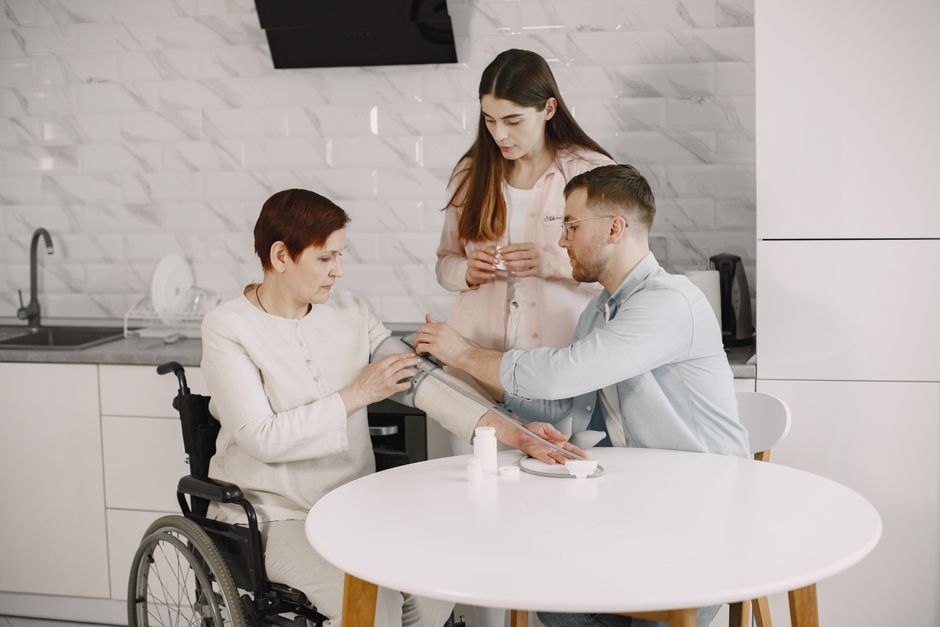
Before you trust any reading, run through this checklist. Accuracy matters, and these details make the difference.
- Cuff size check: Measure mid-upper-arm circumference; use standard cuff (22-32 cm) or large cuff (32-42 cm) accordingly, wrong size can skew readings 10-15 mmHg.
- Rest period: Sit quietly for 5 minutes with feet flat, back supported, arm at heart level on a table.
- Empty bladder first: A full bladder can add 10-15 mmHg to systolic reading.
- No talking during measurement: Conversation can raise reading by 10 mmHg or more.
- Bare arm or thin sleeve only: Thick clothing under the cuff inflates results.
- Take two readings 1 minute apart: Average them; if they differ by more than 5 mmHg, take a third.
- Log time, arm used, and posture: Consistency helps your doctor spot real trends versus measurement noise.
- Validate annually: Bring your monitor to a clinic visit; compare its reading with the office device, difference should be ≤5 mmHg.
General information for comparison, confirm specifics for your situation.
Why Monitoring Blood Pressure at Home Matters for Seniors
You walk out of your doctor’s appointment feeling great. Blood pressure’s fine. Everything checks out. Then you’re cooking dinner, and you get lightheaded. Or a dull headache lingers for days. For millions of Americans over 60, these moments are easy to brush off.
That’s exactly why home blood pressure monitoring matters.
A single office visit tells you almost nothing. Your monitor gives you hundreds of data points, collected in your actual life, with your actual stress levels and routines. It’s the difference between a snapshot and a movie.
Nearly 70% of adults over 65 have high blood pressure, according to the American Heart Association. What’s changed in the last decade isn’t the disease, it’s the tools. Today’s monitors are cheaper, more accurate, and honestly, way simpler than they used to be.
What Makes a Blood Pressure Monitor “Senior-Friendly”
A 35-year-old can use pretty much any monitor. A 72-year-old with arthritis and reading glasses? They need something different.
The display has to be large enough to read without pulling out your glasses. Big buttons. Obvious labels. One button to start, not five menus to navigate through.
Here’s what actually matters:
- Upper arm cuff design, More accurate than wrist monitors for most seniors
- Large digit display, You shouldn’t have to squint
- Irregular heartbeat detection, Flags potential atrial fibrillation
- Memory storage, Saves readings so you can spot trends
- Cuff size options, Standard and large sizes for proper fit
- Bluetooth or app connectivity, Optional, but great if you want to share data with your doctor
- AC adapter option, So you’re never digging through drawers for batteries
Upper Arm vs. Wrist Monitors, Which Is Better for Seniors?
Photo by Age Cymru on Unsplash
Upper arm. It’s not even close.
The American Heart Association recommends upper arm cuffs for home monitoring, and they’re right. Wrist monitors are portable and convenient, which is nice until you realize they’re also wildly inconsistent. Wrist position matters. Hand tension matters. Circulation problems, which become more common as you age, throw the whole thing off.
Upper arm monitors sit at heart level naturally. Less room for error. They also fit different arm sizes better, which is more important than you’d think.
Pro Tip: Five minutes. Sit with your back against the chair, feet flat, the cuffed arm resting on a table at heart level. Skip caffeine, exercise, and smoking for 30 minutes before. That’s it. Those habits will transform your readings.
Our Top Picks for the Best Blood Pressure Monitor for Seniors
| Feature | Omron Platinum | Withings BPM Connect | Omron Silver | A&D Medical UA-651BLE |
|---|---|---|---|---|
| Upper Arm Cuff | Yes | Yes | Yes | Yes |
| Memory Storage | 200 readings (2 users) | Cloud-based | 80 readings | Bluetooth sync |
| App/Connectivity | Omron app via Bluetooth | Wi-Fi & Bluetooth auto-sync | None required | Bluetooth |
| Irregular Heartbeat Detection | Yes | Yes | Yes | Yes |
| Ease of Use | High | Very High | Very High | Very High (one-hand cuff) |
| Best For | Doctors’ recommendation | Automated data organization | Simplicity & affordability | Solo living/arthritis |
| Cuff Size Range | 9-17 inches | Standard | Standard | Wrap cuff (one-hand) |
We looked at accuracy, ease of use, display clarity, cuff comfort, and price. Here’s what we recommend.
Omron Platinum Upper Arm Monitor
This is the monitor doctors mention. Clinically validated, stores 200 readings for two users, syncs to the Omron app via Bluetooth.
TruRead technology takes three readings automatically and averages them. You get a more reliable number every single time. The display is bold. The ComFit cuff fits arm circumferences from 9 to 17 inches, so it works for most body types.
Withings BPM Connect
You want your data organized and accessible. You don’t want to think about syncing or uploading. Buy this one.
It connects to Wi-Fi and Bluetooth automatically. Slip on the cuff, press the button, walk away. The readings appear in your Health Mate app without any effort on your end. Clean design. Simple operation.
Omron Silver Upper Arm Monitor
For seniors who value simplicity over features, this is the sweet spot. It’s cheap. It’s accurate. It works every single time you use it.
Stores 80 readings. Detects irregular heartbeats. No app required, no Wi-Fi setup, no complicated menus. You press the button. You get a number. Done.
A&D Medical UA-651BLE
Healthcare professionals use this. It costs less than you’d expect. Bluetooth connectivity, one-button operation, and a wrap cuff that you can put on with one hand, even if arthritis makes it hard to fasten traditional cuffs.
If you live alone and need something you can operate without help, this is it.
How Often Should Seniors Check Their Blood Pressure at Home?
Photo by Claudio Schwarz on Unsplash
Your doctor will give you personalized instructions. General recommendations: twice a day. Morning before medication and food. Evening at the same time.
Take two or three readings each session, a minute apart. Your monitor probably logs them automatically. Over time you’ll have hundreds of data points.
A simple routine works:
- Morning: Readings before breakfast and medication
- Evening: Readings before dinner or at the same consistent time
- Log everything, either in the device or a notebook
- Write down anything unusual: stress, bad sleep, missed doses
- Bring the monitor to appointments so your doctor can compare it to their office machine
Spend at least a week doing this before a scheduled appointment. Your doctor needs real data, not one random reading.
Understanding Your Blood Pressure Numbers
Two numbers. Systolic on top (when your heart beats), diastolic on bottom (when it rests between beats). Both matter.
Here’s the American Heart Association breakdown:
- Normal: Less than 120/80 mmHg
- Elevated: 120-129 systolic and less than 80 diastolic
- High Blood Pressure Stage 1: 130-139/80-89 mmHg
- High Blood Pressure Stage 2: 140 or higher/90 or higher mmHg
- Hypertensive Crisis: Higher than 180/120 mmHg, get emergency care immediately
One high reading doesn’t mean anything. It’s the pattern over weeks that tells you what’s really happening.
You’ve Got This, Start Monitoring with Confidence
This is one of the smartest things you can do for yourself. You get real information. Your doctor makes better decisions. You both win.
Pick any clinically validated upper arm monitor. The Omron Platinum if you want all the features. The Omron Silver if you want simplicity. Either way, you’re taking control of your health.
You don’t need to be tech-savvy. These things are built for regular people.
Every reading you take matters. Your heart’s been working for you for decades. Now it’s your turn.
Photo by Age Cymru on Unsplash
Sources
- Age Cymru
- Unsplash
- Claudio Schwarz
- Nutramax Cosequin Senior Dog Soft Chews (60ct)
- Nutramax Cosequin DS Joint Supplement for Dogs (132ct)
Disclosure: As an Amazon Associate, we earn a small commission from qualifying purchases at no extra cost to you. We only recommend products that genuinely support the topics covered in this article.
- Nutramax Cosequin Senior Dog Soft Chews (60ct) (~$32), Senior-specific Cosequin formula with added Omega-3s, designed for aging dogs with joint and immune health needs.
- Nutramax Cosequin DS Joint Supplement for Dogs (132ct) (~$36), The #1 veterinarian-recommended joint supplement brand, clinically studied for reducing joint pain in dogs.