 Helen Santos
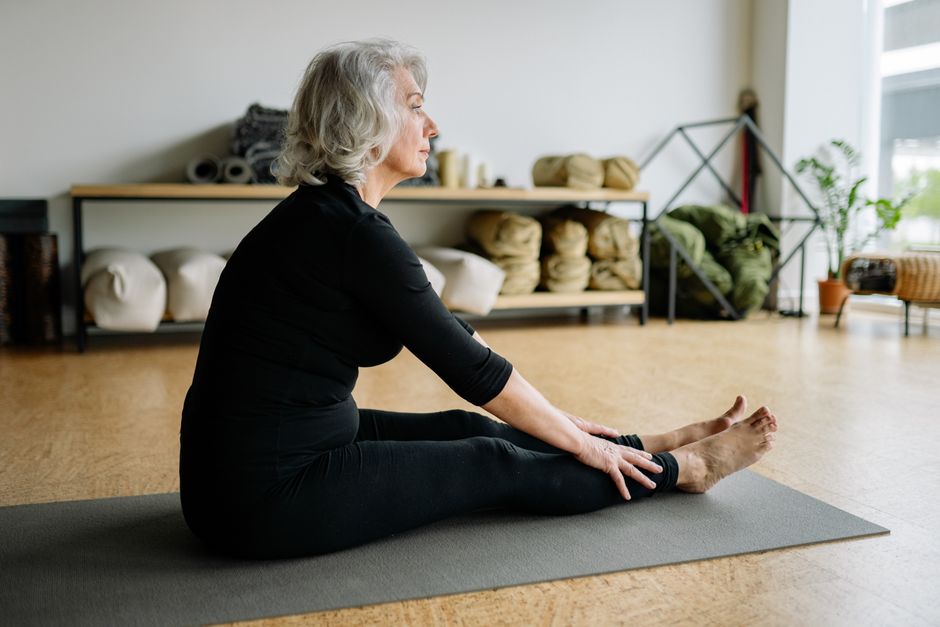
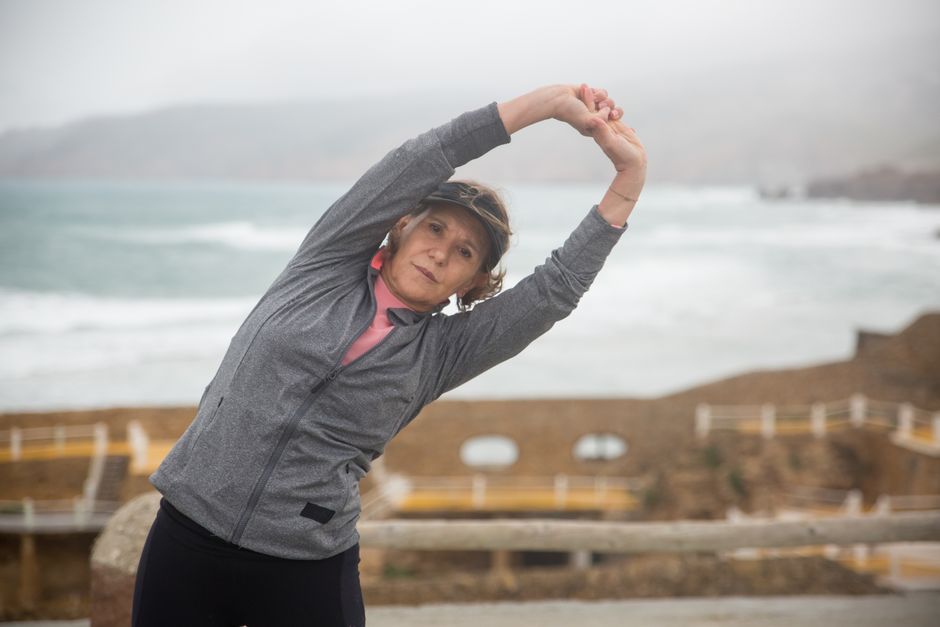
Three years ago, a woman named Carol walked into the community center where I run a fitness class for adults 60 and up. She was 71, recently widowed, and had spent most of the previous decade avoiding anything strenuous because her doctor had once, offhandedly, told her to “take it easy.” She’d taken that advice and run with it. In the wrong direction.
By the time Carol showed up, she was struggling to get up from her couch without using both armrests, and she’d stopped going to her granddaughter’s soccer games because the bleachers were too hard to climb. She wasn’t sick. She was just deconditioned. And she’d been told, implicitly, that slowing down was the safe choice.
I’ve seen this pattern more times than I can count. The “take it easy” advice, given casually and without context, does real harm.
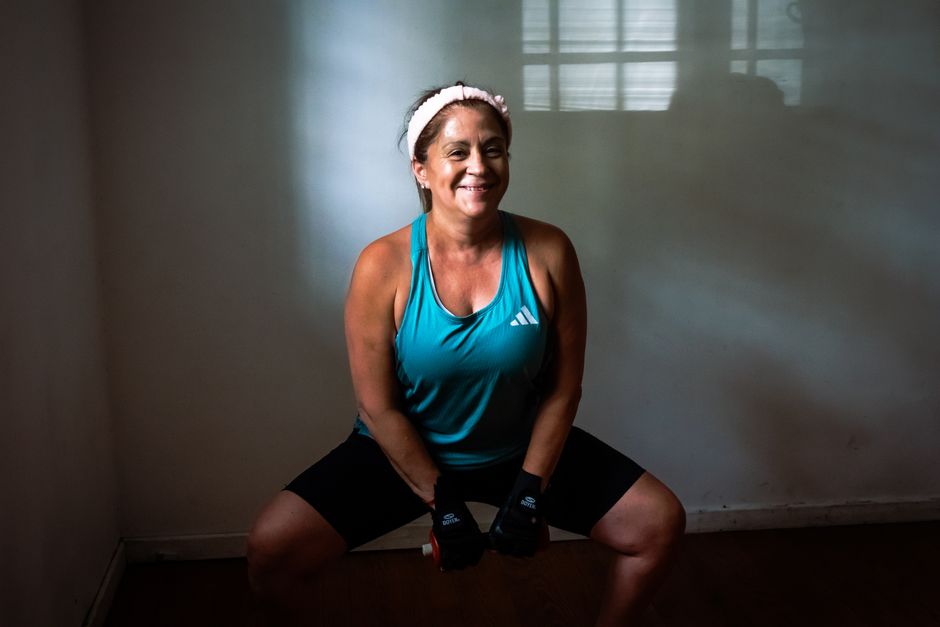
Different outcomes require different exercise types and doses, here's what research supports for adults 60+.
| Health Goal | Exercise Type | Minimum Effective Dose | Key Benchmark to Track |
|---|---|---|---|
| Maintain muscle mass | Resistance training (weights, bands, bodyweight) | 2 sessions/week, 8-10 exercises, 1-3 sets each | Chair stand test: 12+ stands in 30 seconds |
| Preserve bone density | Weight-bearing + resistance combined | 3-5 days/week, 30 min total weight-bearing; 2 days resistance | Single-leg stance: hold 30+ seconds each side |
| Reduce fall risk | Balance training (tai chi, tandem walks, single-leg stands) | 3 sessions/week, 15-20 min each | Timed Up-and-Go: under 12 seconds |
| Cardiovascular health | Moderate aerobic (brisk walking, cycling, swimming) | 150 min/week or 75 min vigorous | 6-minute walk test: 400+ meters |
| Cognitive function | Any aerobic activity at moderate intensity | 120-150 min/week | Subjective: improved focus, word recall |
| Functional independence | Combined: aerobic + resistance + balance | Meet minimums for all three categories above | Can rise from floor unassisted in under 10 seconds |
General information for comparison, confirm specifics for your situation.
What Exercise Actually Does to an Aging Body
Here’s what most people don’t realize: the things we assume are just part of getting older (stiffness when you stand up, shakiness on stairs, that foggy feeling after lunch) are a lot of deconditioning, not aging. The two get tangled together so often that even physicians sometimes don’t separate them.
Your muscles don’t weaken on a fixed schedule just because you’re older. They weaken when you stop asking them to do things. Sarcopenia, the gradual loss of muscle mass, does accelerate after 60, but research published in the Journal of Physiology in 2018 found that lifelong recreational athletes in their 70s had muscle composition that looked remarkably similar to healthy 25-year-olds. They weren’t competing. They were just consistently active.
Bone density works the same way. Weight-bearing exercise, anything that puts load on the skeleton, signals the body to maintain bone. Without that signal, bone thins. A 2022 meta-analysis in Osteoporosis International covering over 10,000 postmenopausal women found that resistance training reduced fracture risk by roughly 34% compared to sedentary controls. That’s not a small number. A hip fracture at 75 is, statistically, one of the most life-altering events an older adult can experience. About 25% of people who fracture a hip don’t return to their prior level of independence.
None of this means you need to be lifting heavy or running miles. It means you need to be moving, consistently, in ways that challenge your body just enough.
Balance Is the One Thing Most Older Adults Ignore (Until They Fall)
Falls are the leading cause of injury-related death in adults over 65 in the United States. The CDC reports about 36 million falls among older adults each year, resulting in 3 million emergency room visits. I know those numbers sound abstract. What they look like in real life is an 8-week absence from everything you love while a wrist heals, or a hip surgery that changes your independence permanently.
Balance declines because we stop practicing it. If you’ve spent 30 years sitting at a desk and riding elevators, your proprioceptive system, the network of sensory inputs that tells your brain where your body is in space, has gotten lazy. It can be retrained. That’s the part most fitness content forgets to mention.
I’ve seen people in their 80s dramatically reduce their fall risk through targeted balance work over 12 weeks. Not marathon training. Exercises like single-leg stands, heel-to-toe walking, and side-stepping with resistance bands. The research backs this up. A 2019 Cochrane Review, which pooled results from 108 trials, found that balance and functional exercises reduced fall rate in older adults by 24%.
Tai chi keeps coming up in this research and honestly, it deserves its reputation. A 2020 study in JAMA Internal Medicine found that tai chi reduced fall incidence better than a stretching program and comparably to a multimodal exercise program. It’s low-impact, it’s social, and classes at most community centers run around $8 to $15 per session. Worth knowing.
The Cardiovascular Benefits Are Real, But They’re Not What You Think
People hear “cardiovascular exercise” and picture jogging. Which is exactly why a lot of older adults tune out. You don’t need to jog. A brisk walk counts. A gentle bike ride counts. Swimming counts. Even consistent housework and yard work, if it genuinely elevates your heart rate for 20 to 30 minutes, moves the needle.
The heart muscle itself adapts to regular aerobic exercise by pumping more efficiently. Resting heart rate drops. Blood pressure tends to decrease. A 2020 study in the European Heart Journal found that moderate exercise in adults 60 and older was associated with a 35% lower risk of cardiovascular mortality, which beats the efficacy of several common medications (though obviously exercise and medication aren’t mutually exclusive).
What I find more interesting, and what doesn’t get enough attention, is the metabolic effect. Regular movement improves insulin sensitivity, which matters enormously for the roughly 26% of Americans over 65 who have type 2 diabetes and the much larger percentage who are pre-diabetic. You can see real changes in fasting glucose levels within 8 to 12 weeks of consistent moderate exercise. Not dramatic changes necessarily, but meaningful ones. Always worth checking in with your doctor if you’re managing blood sugar, because exercise genuinely can affect your medication needs.
The Brain Stuff. This Is the Part I Find Genuinely Remarkable.
Exercise grows your brain. Literally. A 2011 study from the University of Pittsburgh found that older adults who did aerobic exercise three times per week for a year actually increased hippocampal volume by about 2%. The hippocampus is the brain region most associated with memory and spatial navigation, and it’s the first area hit by Alzheimer’s disease. The sedentary control group showed the expected age-related decline.
The mechanism involves something called BDNF, brain-derived neurotrophic factor. Think of it as fertilizer for neurons. Exercise causes the brain to release it. And the effect seems dose-dependent, meaning more consistent exercise correlates with higher levels, up to a point.
The mental health implications are just as striking. A 2016 meta-analysis in Ageing Research Reviews found that exercise reduced depressive symptoms in older adults as effectively as antidepressant medication in many cases. I want to be careful here because depression is serious and medication is sometimes genuinely necessary. But for people experiencing mild to moderate low mood, which is common after retirement, after loss, after the body starts feeling less reliable, movement is a legitimate clinical intervention, not just a lifestyle suggestion.
Carol told me about six months in that she’d started sleeping better. Then that she felt less anxious. Then that she’d gone to three of her granddaughter’s soccer games in a row. She’d climbed the bleachers. She didn’t mention the exercise. She just talked about the games.
That’s usually how it works.
Getting Started Without Hurting Yourself
Sources
- Marcus Aurelius
- supports for adults 60+
- published in the Journal of Physiology in 2018 found that lifelong recreationa
- in Osteoporosis International covering over 10
- backs this up
The most common mistake I see older adults make isn’t doing too little. It’s doing too much too fast, usually in January, after some kind of motivational moment, then getting hurt and quitting.
If you’ve been sedentary for a year or more, starting with 10 to 15 minutes of walking per day isn’t embarrassing. It’s correct. The body needs time to adapt, not just muscles but tendons, ligaments, and connective tissue, which take longer to strengthen than muscle does. The 2019 American College of Sports Medicine guidelines for older adults recommend working up to 150 minutes of moderate aerobic activity per week, combined with strength training at least twice a week, but “working up to” is the operative phrase.
Before starting any new exercise program, especially if you have heart disease, diabetes, osteoporosis, or joint replacements, talk to your doctor. I mean this genuinely, not as a legal disclaimer. A physical therapist can also do a movement assessment and identify specific weak points or balance issues worth addressing before they cause problems. Medicare covers physical therapy, and many PT clinics offer free initial consultations.
For strength training, machines are actually safer than free weights for most beginners because they constrain your movement and reduce the chance of dropping something on yourself. A few supervised sessions with a certified trainer (someone with an ACSM, NSCA, or ACE credential and specific experience with older adults) can be worth the $40 to $70 per session up front to get your form right. After that, many people do fine on their own or in a group class.
The Silver Sneakers program, available free through many Medicare Advantage plans, is genuinely good. If you have that benefit and aren’t using it, that’s money left on the table.
The honest truth is that most of what people fear about getting older, losing independence, losing sharpness, losing the ability to just do ordinary things without effort, is far more modifiable than they’ve been led to believe. Not reversible entirely. Not a magic solution. But genuinely, meaningfully changeable.
Carol still comes to class every Tuesday and Thursday. She turned 74 in March. She doesn’t use the armrests anymore.
Photo: Marcus Aurelius via Pexels
This article is for general informational purposes only and does not constitute medical or fitness advice. Consult your physician or a licensed physical therapist before starting a new exercise program, especially if you have existing health conditions.