 Robert Davis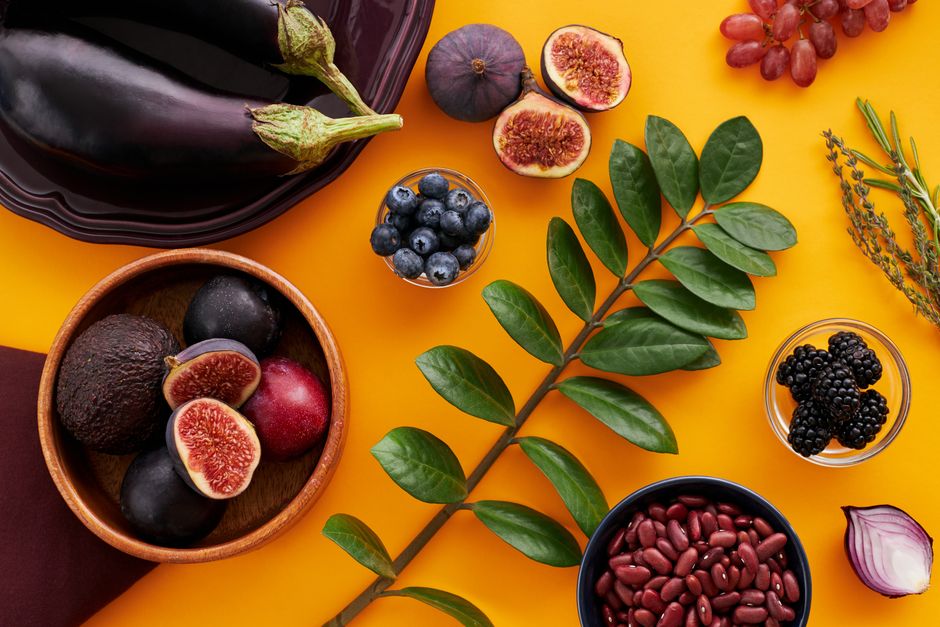
Most articles about joint inflammation start with something like “did you know omega-3 fatty acids are anti-inflammatory?” You did know. Everyone knows. What they skip is the part where they tell you how much actually matters, what the research looks like in older adults specifically, and why some foods touted as joint superfoods are doing almost nothing while others are dramatically undersold.
Let’s fix that.
The inflammation problem is real, but it’s not what most people think
Joint inflammation in older adults isn’t just leftover damage from decades of use. It’s an ongoing metabolic process. Your body is actively producing pro-inflammatory signaling molecules (cytokines, if you want the word) in response to things you eat, how much you move, how well you sleep, and how much visceral fat you’re carrying. Diet is one lever among several, but it’s a meaningful one, and you can pull it starting today.
The part that gets glossed over: food doesn’t replace medical treatment for conditions like rheumatoid arthritis or severe osteoarthritis. If you’re managing either, what you eat matters, but it works alongside medication and physical therapy, not instead of it. That said, for the chronic low-grade inflammation that quietly degrades cartilage and amplifies pain signals, dietary changes have a real, documented effect.
A 2017 study published in Nutrients tracked older adults with knee osteoarthritis who shifted toward a Mediterranean-style diet over 16 weeks. Pain scores dropped. CRP (a standard blood marker for inflammation) dropped. Those aren’t huge numbers in isolation, but they’re consistent with a pattern you see across multiple study designs.
The foods that actually move the needle
| Food | Key Compounds | Typical Serving | Primary Benefit |
|---|---|---|---|
| Fatty fish (salmon, mackerel, sardines) | EPA and DHA (long-chain omega-3s) | 2-3 servings per week | Reduces inflammatory prostaglandin production |
| Extra virgin olive oil | Oleocanthal, polyphenols | Use for cooking and dressings | Inhibits COX-1 and COX-2 enzymes |
| Tart cherry juice or concentrate | Anthocyanins, quercetin | 8 oz twice daily (or concentrate in water) | Reduces inflammation markers and joint pain |
| Turmeric with black pepper | Curcumin + piperine | 1 tsp (or standardized supplement with 95% curcuminoids) | Anti-inflammatory (improved absorption with piperine or fat) |
| Leafy greens and cruciferous vegetables | Vitamin K, antioxidants | Daily intake | Supports bone and cartilage metabolism |
Fatty fish. Not fish in general. Fatty fish. Salmon, mackerel, sardines, herring. These contain EPA and DHA, the long-chain omega-3s that the body can directly use to dial back inflammatory prostaglandin production. Your body can technically convert the ALA in flaxseed to EPA and DHA, but it does so at roughly 5-10% efficiency. Flaxseed is fine. It’s not the same thing. If you can eat two to three servings of fatty fish per week, that’s the real lever.
Canned sardines in olive oil are, genuinely, one of the best deals in the grocery store for joint health. About $2.50 a tin, high protein, high omega-3, and the soft bones are a calcium bonus. I’ve recommended them to clients for years and the pushback is always about taste, rarely about results once people actually try them regularly.
Extra virgin olive oil. Real extra virgin, not the blended stuff labeled “light olive oil” or “pure olive oil.” Those are refined and stripped of most polyphenols. EVOO contains oleocanthal, a compound that inhibits the same enzymes (COX-1 and COX-2) that ibuprofen targets. The effect at a typical dietary dose isn’t equivalent to a 400mg ibuprofen, but that’s not the right comparison. This isn’t a drug you take when you’re in pain. It’s a background anti-inflammatory you’re using consistently, every day, instead of refined seed oils.
Use it for low to medium heat cooking, for dressings, for finishing dishes. Spend the money on a decent bottle. Look for a harvest date on the label, not just an expiration date.
Tart cherries. This one surprises people. There’s solid research, including a randomized controlled trial out of Philadelphia, showing that tart cherry juice reduces markers of inflammation and reduces pain in older adults with knee osteoarthritis. The active compounds are anthocyanins and quercetin. Eight ounces of tart cherry juice twice daily was the protocol used in most studies, which is a meaningful sugar load to consider if you’re managing blood glucose. Tart cherry concentrate mixed into water, or frozen tart cherries blended into a smoothie, gets you the same compounds with more control over portion size.
Turmeric. I’ll say it plainly: the hype outruns the evidence, but it’s not nothing. Curcumin, the active compound in turmeric, has real anti-inflammatory properties in the lab and some clinical evidence behind it. The problem is bioavailability. Curcumin is poorly absorbed from the gut unless combined with piperine (found in black pepper) or a fat source. A teaspoon of turmeric on plain rice isn’t doing much. Turmeric cooked into a dish with black pepper and olive oil, or a standardized curcumin supplement with piperine, is a different story. If you’re using a supplement, look for ones that specify 95% curcuminoids and include piperine or a phospholipid delivery system.
Leafy greens and cruciferous vegetables. Spinach, kale, collard greens, broccoli, bok choy. These contain vitamin K, which plays a role in bone and cartilage metabolism. They’re also rich in antioxidants that reduce oxidative stress in joint tissue. The Framingham Offspring Study found that people with higher vitamin K intake had significantly lower rates of osteoarthritis progression in the knee. “Eat more vegetables” sounds obvious until you look at what most older adults are actually eating, which is often not much.
What to cut back on (this matters just as much)
Dietary patterns don’t work in one direction only. If you’re adding fatty fish and olive oil while still eating a diet high in refined carbohydrates and seed oils, you’re partially undermining your own effort.
Refined seed oils, specifically soybean, corn, cottonseed, and sunflower oil, are extremely high in omega-6 fatty acids. Omega-6 isn’t inherently bad. The problem is ratio. When your omega-6 to omega-3 intake is 20:1 (close to the average American diet), you’re running a strongly pro-inflammatory metabolic environment. Shift toward olive oil, use butter for high-heat cooking, and you move that ratio meaningfully.
Ultra-processed foods. This category matters more than any single ingredient. Products that combine refined flour, added sugars, industrial seed oils, and synthetic additives consistently associate with elevated inflammatory markers in large cohort studies. That’s not one mechanism, it’s several working together. Reducing your intake of packaged snacks, fast food, and sweetened drinks is, frankly, more impactful for joint inflammation than adding any single “superfood.”
Added sugar in high doses promotes the formation of advanced glycation end-products (AGEs), compounds that stiffen collagen and cartilage over time. This is one of the more underappreciated mechanisms connecting diet to joint deterioration in older adults. You don’t need to eliminate sugar. Reducing it is what matters.
A practical approach to building an anti-inflammatory plate
Rather than counting milligrams of polyphenols or tracking exact omega-3 grams (which you could do, but probably won’t sustain), think in terms of default swaps and frequency targets.
Frequency targets: fatty fish twice a week, a serving of leafy greens daily, a tablespoon or two of EVOO as your primary cooking fat, a handful of berries most days (blueberries and tart cherries are the highest-anthocyanin options).
Default swaps: canola or vegetable oil out, olive oil in. White bread and refined crackers down, beans and whole grains up. Sweetened beverages swapped for water, green tea (which has its own anti-inflammatory polyphenols), or unsweetened tart cherry concentrate diluted in water.
One thing I consistently see clients overlook: protein intake. Older adults frequently undereat protein, and this matters for joint health because connective tissue maintenance and repair require adequate amino acids. Aim for protein at each meal. Fatty fish, legumes, eggs, and Greek yogurt all deliver protein alongside anti-inflammatory compounds or at least without adding pro-inflammatory ones.
Supplements: where they fit and where they don’t
You can’t supplement your way out of a poor diet. That’s not a cliche, it’s just true. But for a few specific nutrients, supplements fill a real gap.
Fish oil. If you’re not eating fatty fish twice a week, a quality fish oil supplement is reasonable. Look for at least 1,000mg combined EPA+DHA per dose, and check for third-party testing (NSF Certified or IFOS certified). Rancid fish oil is a real issue with cheaper brands, and it’s worse than not taking it.
Vitamin D. Most older adults are deficient, particularly in northern latitudes, and low vitamin D is associated with increased joint pain and higher inflammatory markers. A blood test tells you where you are. This one I genuinely recommend everyone discuss with their doctor.
Collagen peptides have a growing evidence base. A 2019 randomized trial in the British Journal of Nutrition found supplementation reduced joint pain in athletes. The evidence in older non-athletes is less robust, but the mechanism is reasonable (providing glycine and proline to support cartilage maintenance). It’s unlikely to hurt and may help. Not my first recommendation, but not dismissible.
Photo: Vanessa Loring via Pexels
This article is for general informational purposes only and does not constitute medical or fitness advice. Consult your physician or a licensed physical therapist before starting a new exercise program, especially if you have existing health conditions.
Sources
- Vanessa Loring
- Nutramax Cosequin DS Joint Supplement for Dogs (132ct)
- Nutramax Cosequin Senior Dog Soft Chews (60ct)
- superfood. Added
- looks like in older adults specifically
Disclosure: As an Amazon Associate, we earn a small commission from qualifying purchases at no extra cost to you. We only recommend products that genuinely support the topics covered in this article.
- Nutramax Cosequin DS Joint Supplement for Dogs (132ct) (~$36), The #1 veterinarian-recommended joint supplement brand, clinically studied for reducing joint pain in dogs.
- Nutramax Cosequin Senior Dog Soft Chews (60ct) (~$32), Senior-specific Cosequin formula with added Omega-3s, designed for aging dogs with joint and immune health needs.